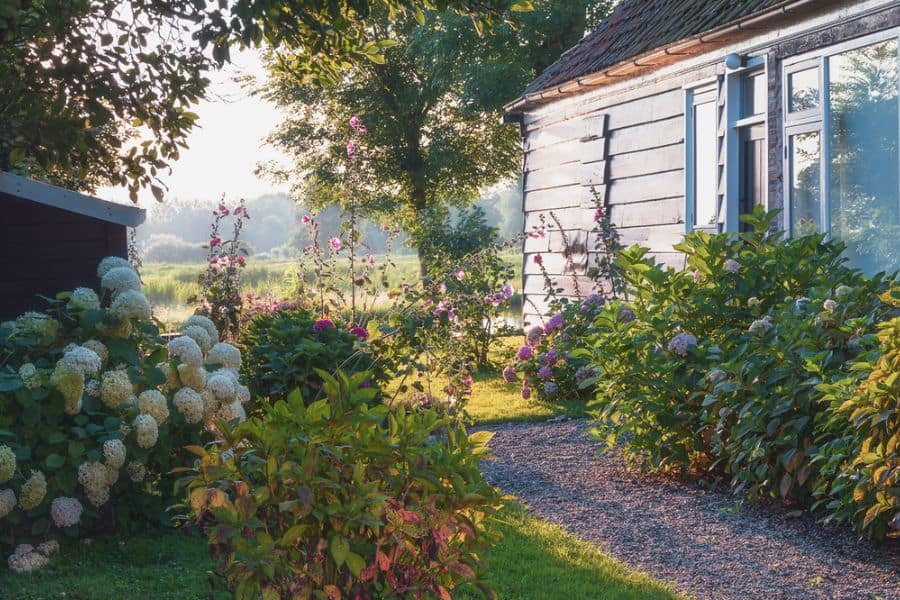
When we designed our patio, I have to admit that I was a bit intimidated by the open, shaded space. I had always had sunny flower beds, but this area presented a whole new planting challenge.
While every plant in the garden needed to be functional, I also wanted it to look beautiful. It took me a few tries to come up with a formula for styling these beds but I have finally cracked the code, so today I wanted to share with you the easiest way to style a shade garden!
1. Relish Outdoor Comfort
I absolutely adore having a patio as an outdoor living space, but let’s be real, sometimes they can be so shady! Because they’re right up against the house, buildings can cast a huge shadow, and I used to find it so tough to get anything to grow there. But I found a solution that is just gorgeous!
What you need are pots filled with plants that love the shade to decorate your patio. These beauties don’t mind not getting a ton of sun. If you want something that’s even lower maintenance, you can never go wrong with flowering perennials or an ostrich fern.
I love that you don’t have to replace them every year. They just bring so much color and lush greenery to the patio space. It’s a total win!
Tropical plants can grow so happily in large pots. I love to place these around the perimeter of the patio. It creates this cozy and secluded feeling that you and your guests will just love. That natural privacy is perfection!


2. Discovering Enchantment in Woodland
If your yard has several tall trees, you might be dealing with some seriously deep shade. My advice? Lean into it! You can create a stunning woodland vibe by embracing those pine trees and other big trees.
Start by planting smaller ground cover plants, which is a great way to protect tree roots and get that beautiful layered look.
When you’re picking out plants that are low to the ground, stick with ones you’d naturally find in the woods. I think a few hosta shrubs or some ferns are perfect because they produce so many leaves and spread out to become a really effective ground cover.
The key to a successful woodland garden is to take your cues from nature. When you look at natural woodlands, you see those high and mid canopies, then an understory, and finally the ground covering.
You’ve already got the high canopies from your trees, and the shrubs you plant will be your understory. For the ground cover, you can use moss. It’s just so lovely!


3. Creating Inviting Garden Paths
To really enjoy your garden, I think you absolutely need a path to easily walk through the area. For a charming, rustic look, pea gravel is a fantastic choice as your paving material.
If you want something a little nicer, setting large stones into the earth is just beautiful.
For a path that feels more elegant, you could go with pavers. And since your yard is shady, why not use moss as a ground cover? I love how it can line the path and grow between stones, almost like a natural grout. It adds such a soft touch.
On both sides of your path, arrange some flowering foliage plants for a pop of color. And if you have issues with drainage, try digging a trench and filling it with large pebbles and stones.
This creates a really effective natural drainage system to keep water from pooling. It’s a great trick since shady yards don’t get the same evaporation as sunny ones.
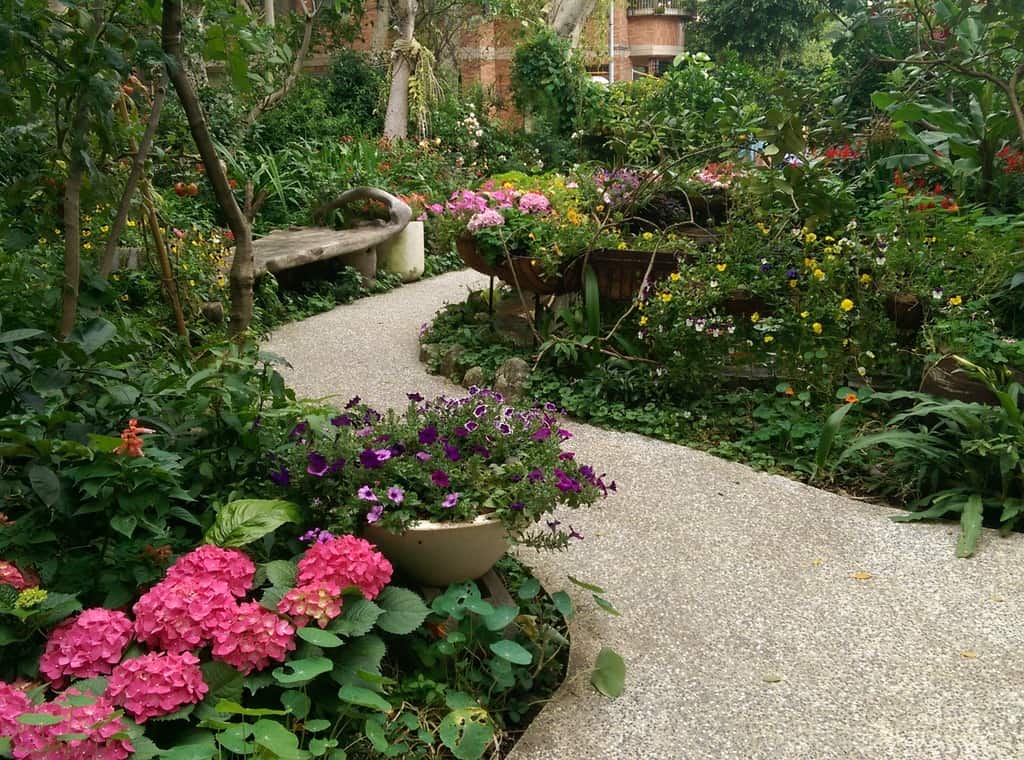


4. Embracing Shade Garden Ideas in Your Backyard
A shady backyard is seriously the best spot to relax with a cool drink on a hot day. It’s also an amazing place for growing plants! You just have to pick the right ones that will be happy with the amount of sunlight you have.
I always suggest sitting in your backyard to see how much sun each spot gets during the day.
You might find that some areas get a little bit of direct sun and then are shaded for the rest of the day. Other spots might get light to heavy shade without ever seeing direct sunlight.
For those semi-shaded areas, you should try planting heuchera. They come in so many bright colors and really enjoy those conditions.
And if you have a spot where you just can’t get anything to grow, don’t fight it! Just lay down some pavers and turn it into your sitting area. It’s all about working with your backyard instead of against it.


5. Side Yard Transformation
Okay, can we talk about those skinny side yards? They tend to get the least amount of light because they are usually squeezed between two houses or a fence, blocking the sun from both directions. With that limited midday sun, the plant choices can feel a bit restricted.
The trick is to look for plants that want to stay out of the full sun. Placing them along the side of your home lets them get plenty of indirect light, so they won’t get scorched by direct sun.
I’ve found the easiest way to manage this kind of shady spot is to keep your plants in pots. This lets you move them around to find the perfect growing spot for each one. As they grow, you can transfer them to bigger pots in the late spring.
If you’re hoping to create a colorful walkway, you have to consider astilbe. It’s one of my favorites because it grows in so many shades of red, pink, white, and purple! Just stunning!


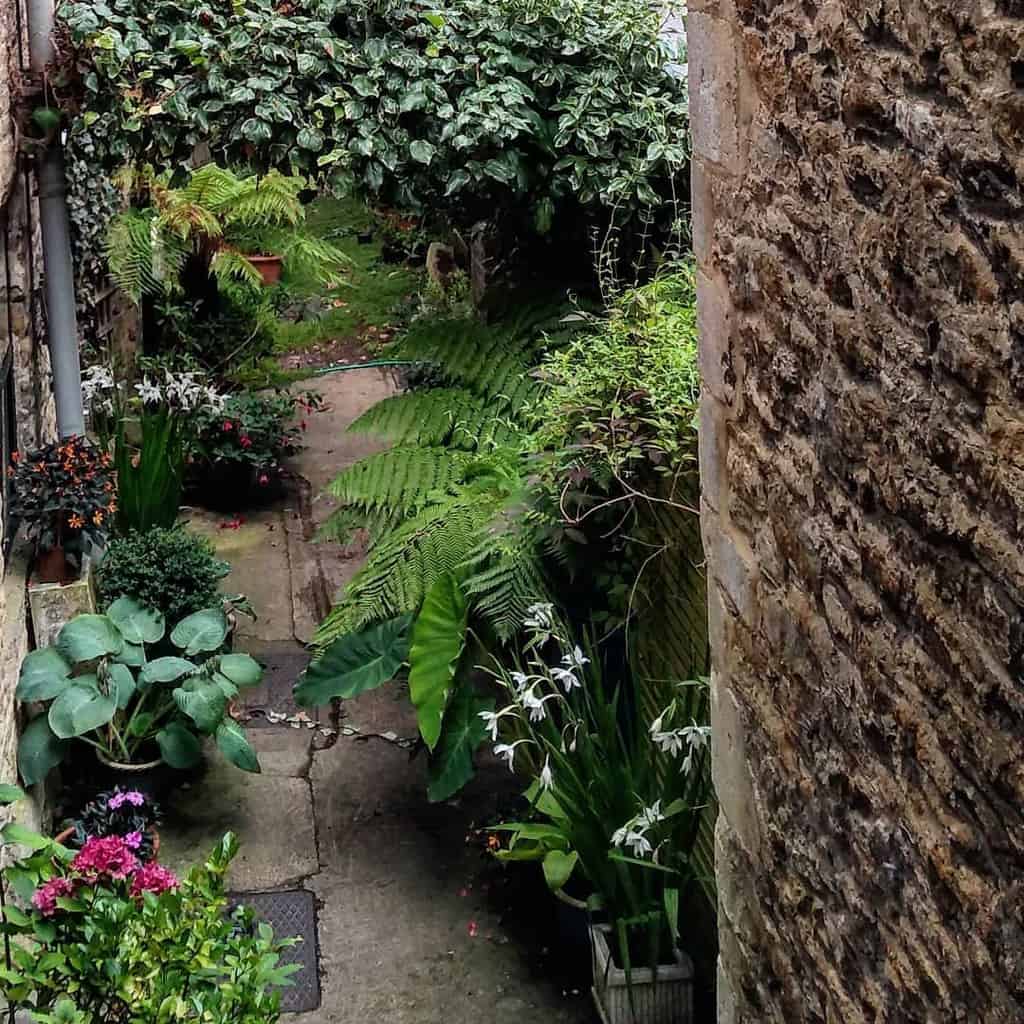

6. The Charm of Cottage-Style Gardens
You can turn your backyard into the sweetest cottage escape with a stone or gravel path that winds around trees and bushes. I love the idea of having a little hidden spot that’s big enough for a small cafe table and chairs.
Choose some taller plants to put around the perimeter to create a lovely natural barrier. Then you can arrange your shade garden plants under the trees and all along the walkways.
The goal is to have a shady garden that doesn’t feel perfectly manicured. Everything should just blend together beautifully. Pick plants with a wide variety of flower colors, and then scatter and mix them up to create a gorgeous display.
To finish off the look, add some decorative elements. You could use small figurines or even large statues. And if you have the space, a water feature like a fountain or a small pond would be amazing.
That sound of running water gives a cottage garden such a perfect, natural soundtrack.


7. Tropical Flair in Shady Gardens
When you picture tropical plants, you probably think of tons of sunshine, right? How could you possibly grow a tropical garden in a shady backyard that doesn’t have the sunlight they crave?
Well, it turns out not all tropical plants love the bright sun. Some actually prefer a bit of light shade.
You just need to look for the smaller tropical shade plants that grow underneath the bigger, sun-loving ones. These plants, like dicentra spectabilis, are happier in dappled shade. They tend to grow closer to the ground, under the leaves of larger palms.
And then there’s Elephant ears! They are a classic tropical plant with those huge leaves, and they absolutely love the shade. They are perfect if you need a plant to act as a natural barrier or fill in an area with a lot of height and width.
A giant bird of paradise is another shade-loving tropical plant that also gives you the benefit of those stunning orange and purple flowers. Just gorgeous!


8. Front Yard Elegance
It can be so frustrating when your front yard has large shade trees and you struggle to grow anything under them. Even grass can have a tough time finding the strength to grow in partial shade.
And I know how much your front yard impacts the whole curb appeal of your home!
The trick to making your front yard a success is choosing flowering plants that are happy in partial shade. I love creating landscaping areas around the base of the trees to fill in the shadiest spots.
You can use this to your advantage by making plant beds that cover the areas where grass struggles the most.
Spreading mulch over the plant beds creates a wonderfully moist growing environment. Then you can arrange plants that love to grow in moist, shady soil. You could have several plants of the same variety to create a beautiful ground covering.


9. Tranquil Japanese Influences
If you’re struggling to get any type of plant to grow, a Japanese Zen garden might be the perfect solution because it can eliminate the plant problem altogether.
You can build a layer of sand or gravel to cover the ground and rake it into designs that symbolize water. Then, strategically place large rocks around the yard to represent mountains. It’s so peaceful.
Another fantastic option is a Japanese moss garden. Moss just loves humid, shady climates, which makes this style of garden absolutely perfect for a shady backyard.
You don’t even need a Japanese maple or variegated foliage. All you really need is a bed of moss and some stones or decorative statues.
And you don’t have to commit your entire backyard! You can keep it small and just build it in the area where plants struggle the most. Start by pulling out all the grass and dead plants and creating a mud slurry.
Then, you just transplant your moss. It should take hold and start to thrive, creating a soft green blanket over the earth.


10. Water Features in the Shade
I think adding a water feature to a garden gives it such a unique look and sound. If you don’t have a ton of room, a small, self-contained fountain is a perfect choice.
For slightly larger patios and backyards, you could have a bigger water feature like a small pond. I love the look of building it up with stones to create a beautiful waterscape.
If you have a large backyard, you can even support a full pond, which is perfect if you’ve ever wanted to have goldfish or koi. You can build up around the water with moss and succulents that will love the moist environment and lack of sun.
You could also construct a small decking area on one side for seating. For a super creative touch, how about a bridge over the pond or a walkway of large stones through the middle? So dreamy!


11. Moss Accents
Maybe most of your backyard gets plenty of sunshine, but you just have that one little spot that seems to have too much shade. My favorite idea is to turn that shady spot into a mini moss garden!
Moss and succulents love moist soil and they do so well in dry shade since they don’t need a lot of rain.
You can give your moss garden a lot of personality by building up the earth in some places to create high and low spots. Then place some large rocks or stones around. Just use moss to cover the ground.
And if you want to add a bit of height, you can plant a few scattered ferns toward the back or place a sweet little statue in the center.

12. Artful Landscaping for Shady Retreats
When you’re planning out your shady garden, I’ve found the best time to plant is in the early to late spring. Most of the plants you’ll be working with have a growing season from spring through summer, and planting during this time gives them the best chance of survival.
Arrange your plants based on how much shade they can tolerate and what will look the best visually. I love creating levels for visual height. Look for plants that grow to different heights and place the tallest ones in the back.
Also, think about the blooms your shade perennials will produce. You could group several begonias together for a multi-colored display, or choose plants with white flowers for a clean, crisp look that I adore.
When you’re arranging your plants, think about the amount of light each one needs and where it will get that in your yard. If a plant loves afternoon shade, you definitely don’t want to put it in a spot that gets a ton of afternoon sun.
And a plant that likes dappled sun won’t be happy in a spot that never sees the sun at all.