I have been so excited to get my outdoor spaces ready for the season, and let me tell you, I’ve been absolutely blown away by all the gorgeous raised garden bed ideas out there!
They are such a fantastic way to make gardening easier on your back while adding a truly beautiful design element to your yard. I’ve gathered some of my absolute favorites to share with you today, and I just know you’re going to find something that inspires you!
1. Inspiring Metal Solutions
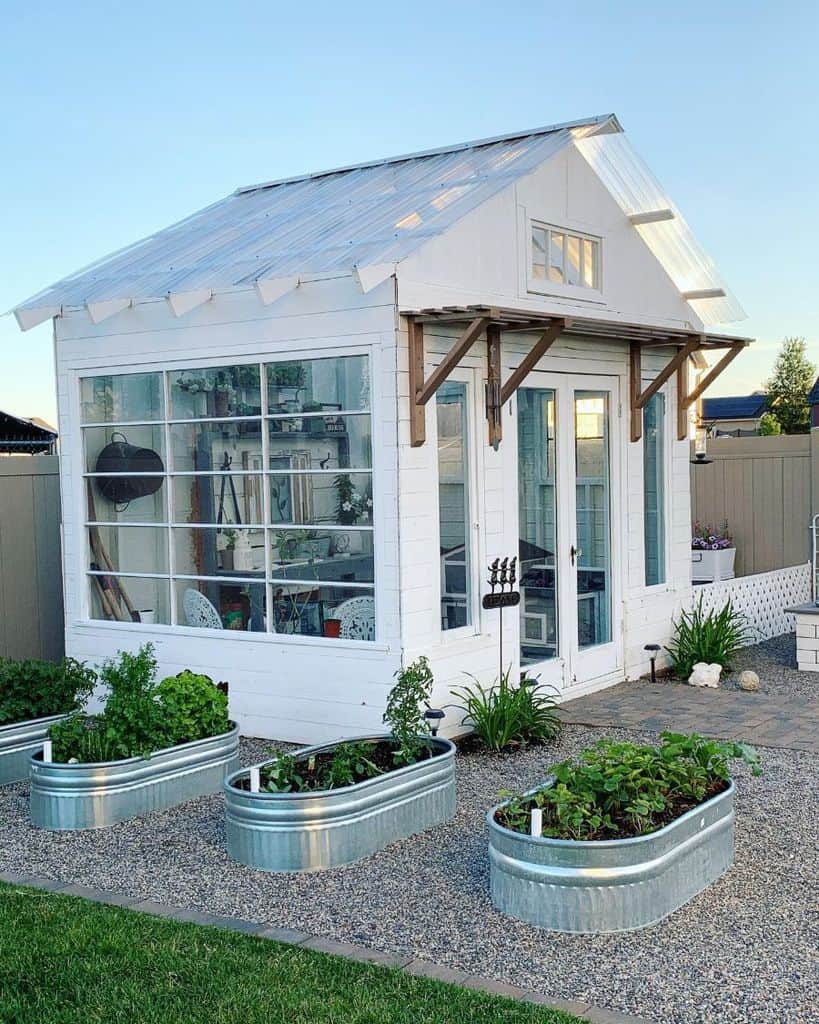
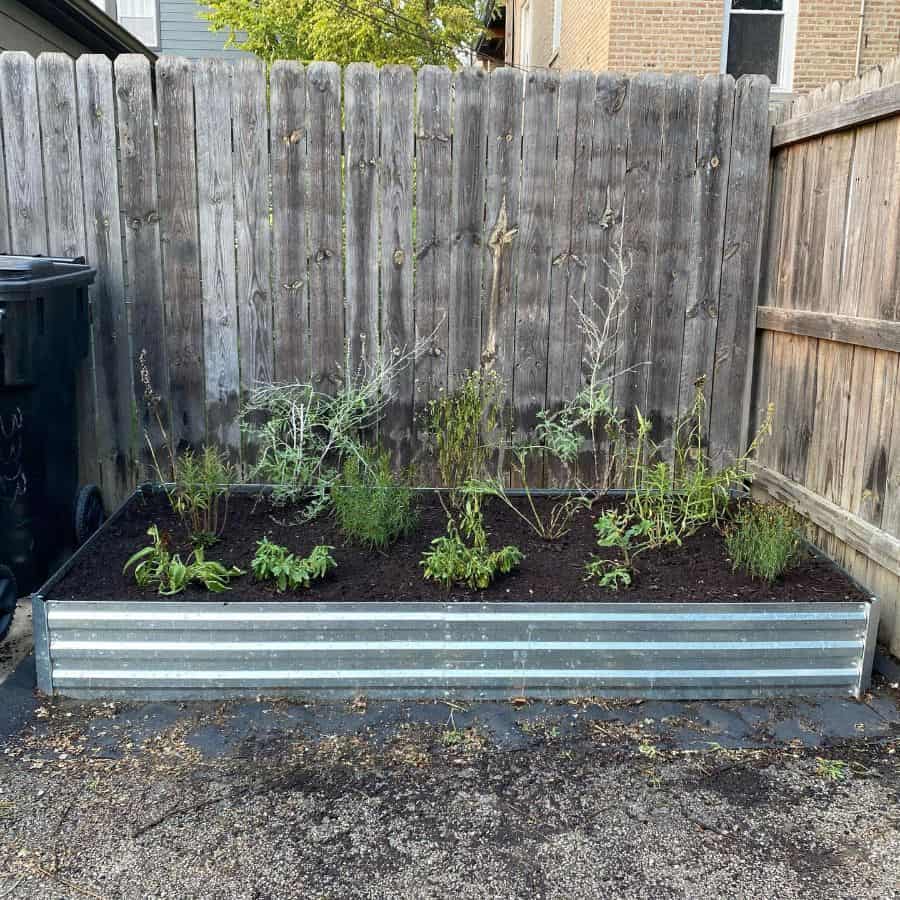
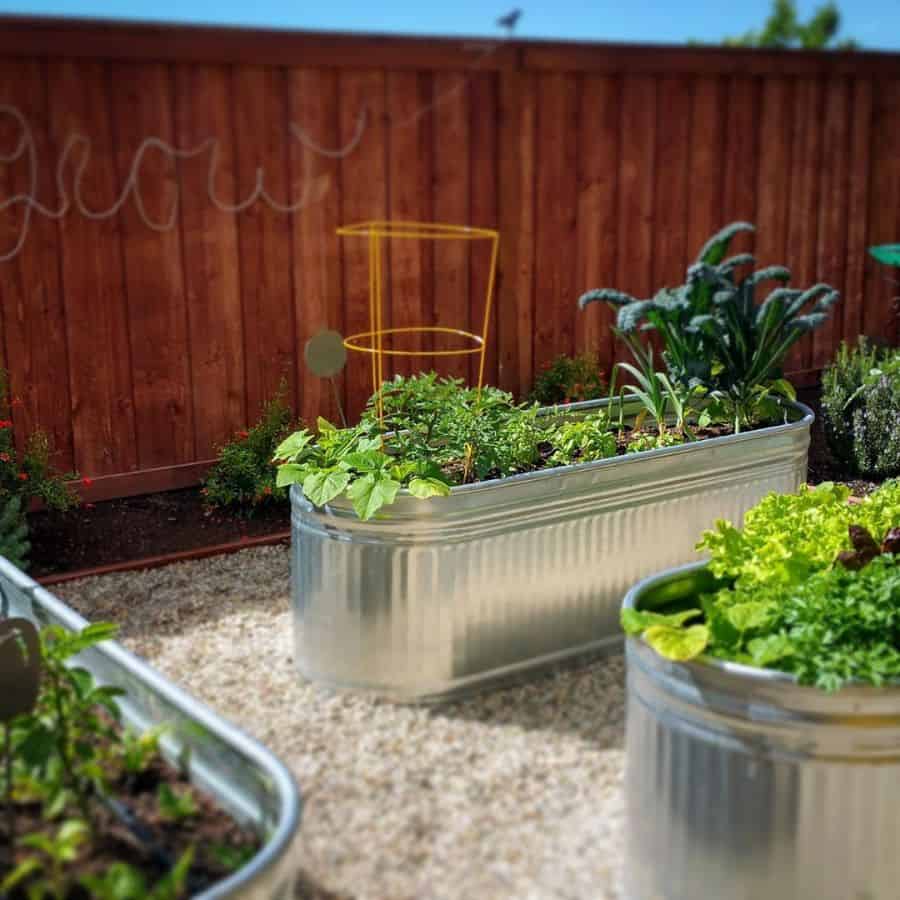
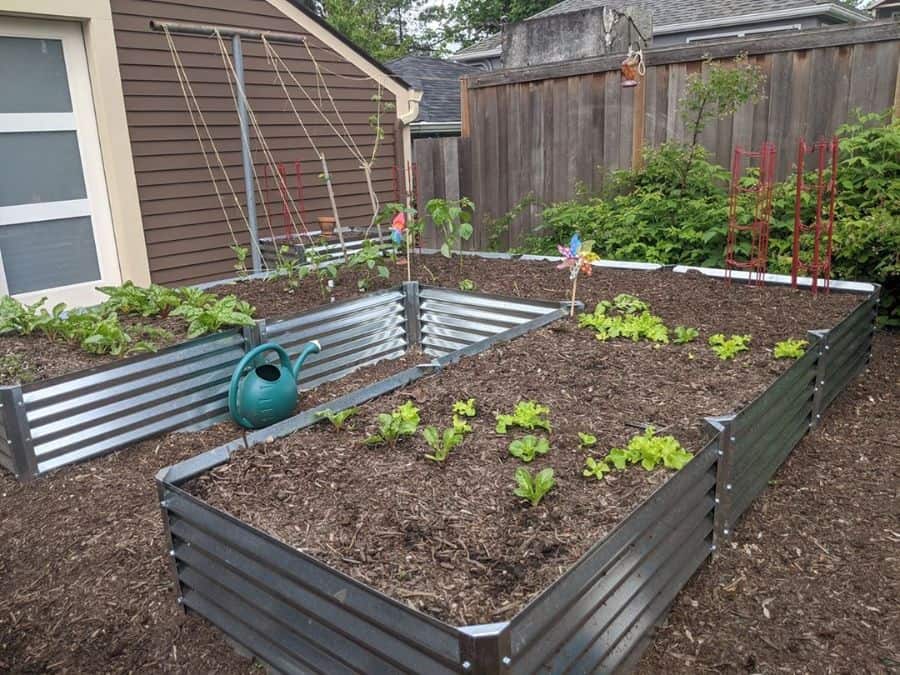
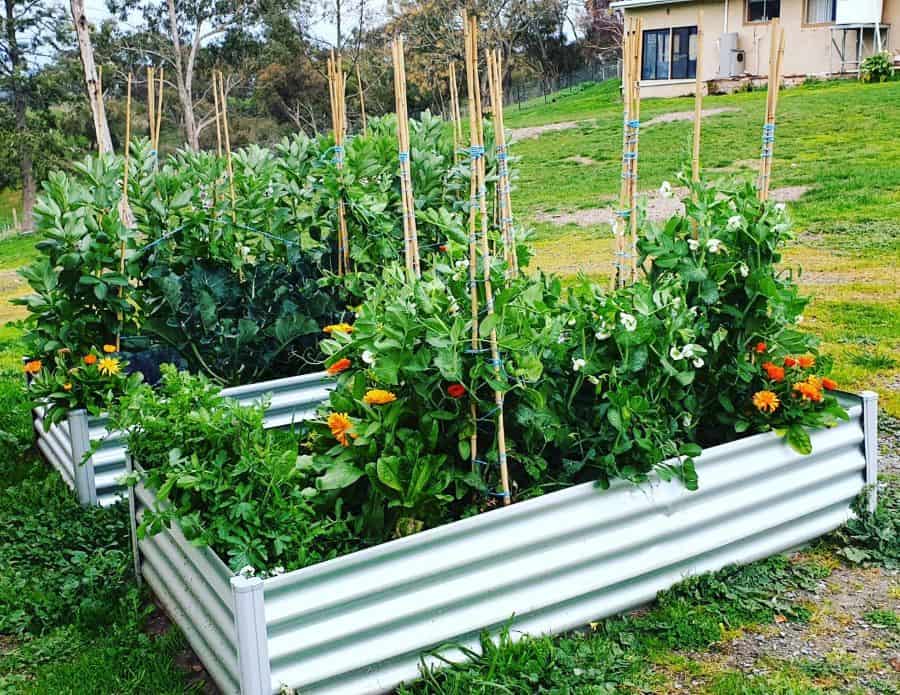
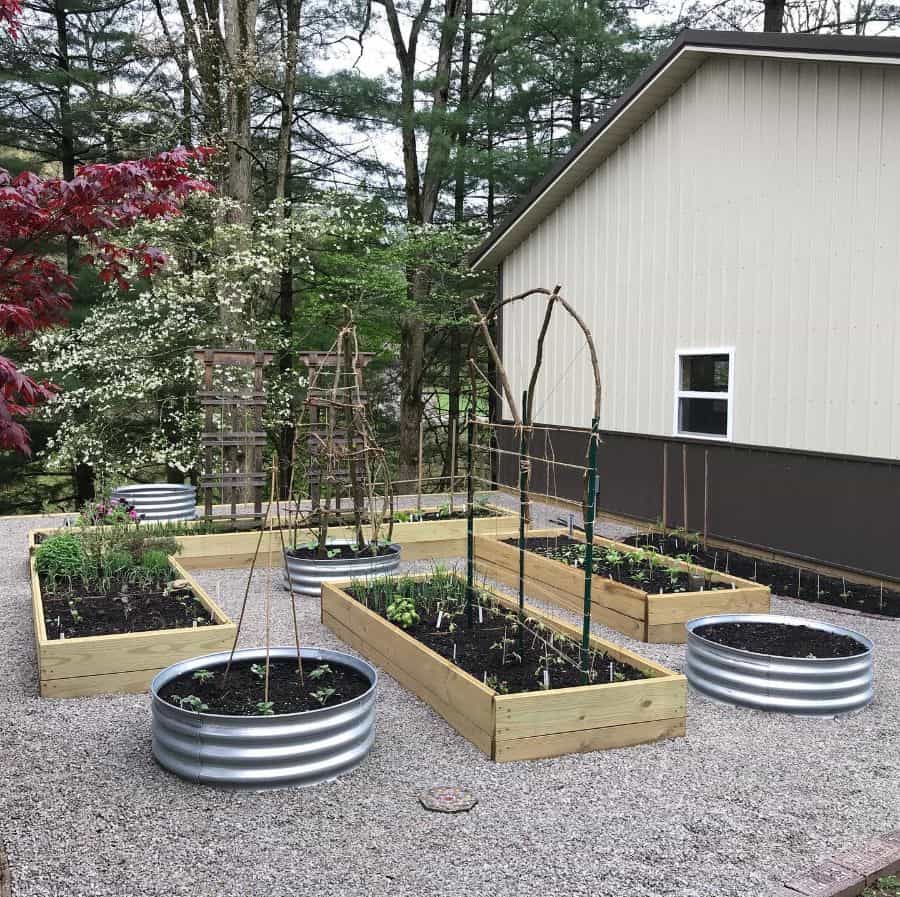
I’ve noticed that metal planters are having a huge moment right now, especially if you’re trying to capture that farmhouse vibe. One of the simplest ways to get this look is with galvanized stock tanks. It’s such a smart idea!
If you’re worried about them being too large for your yard, there are some gorgeous smaller metal or metal-and-wood options out there. You can even create a sweet little kitchen garden right on your patio just by filling a galvanized tub with compost.
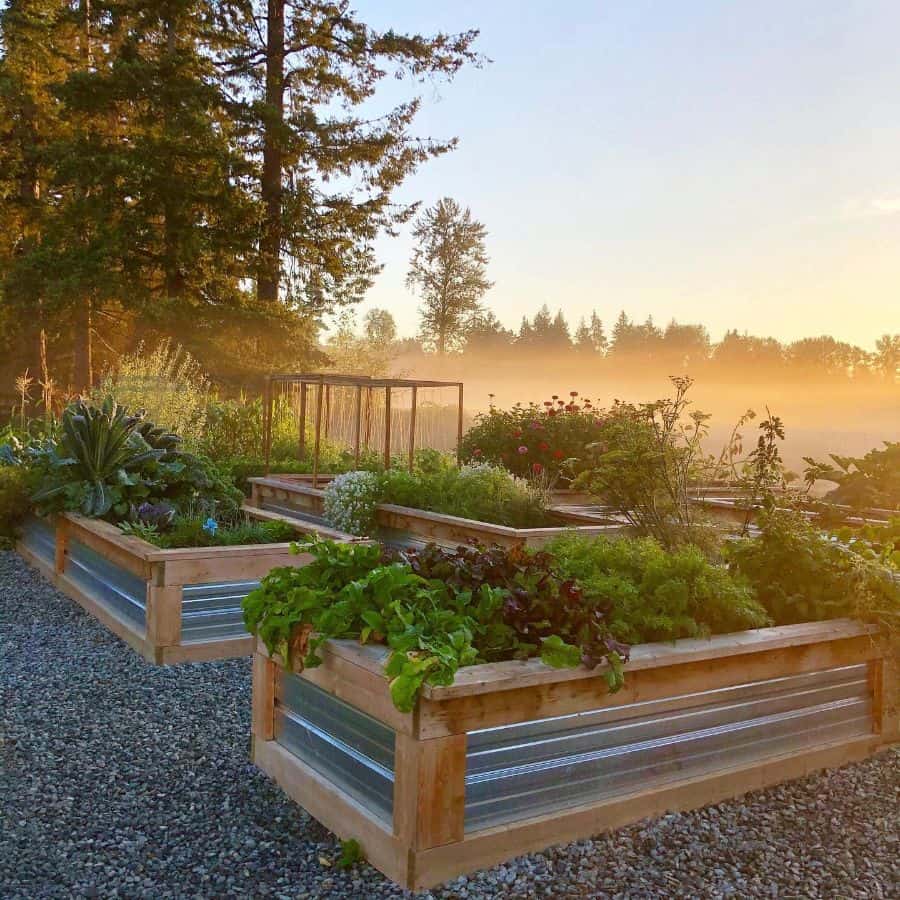
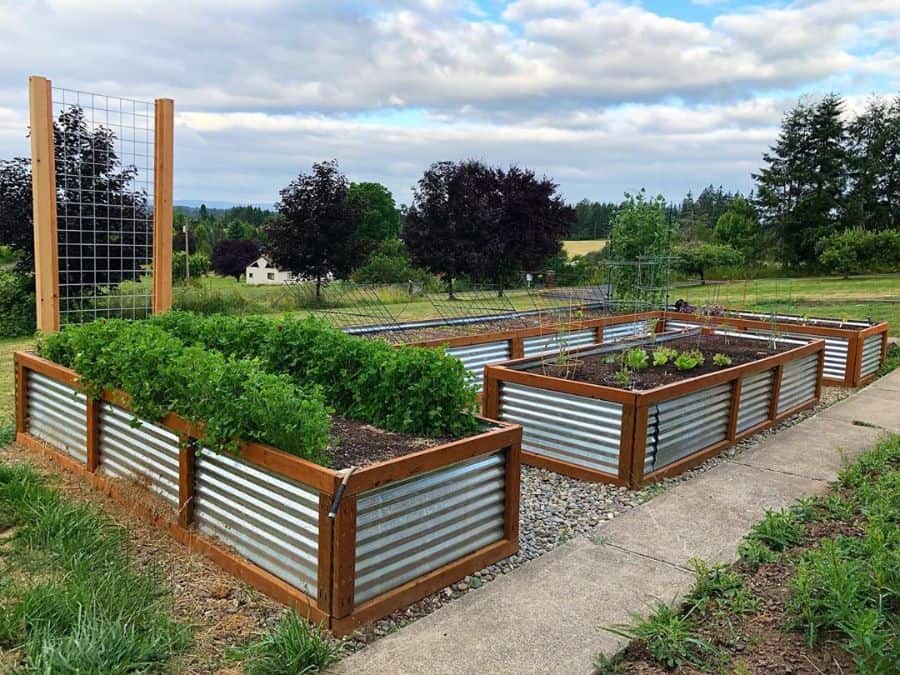
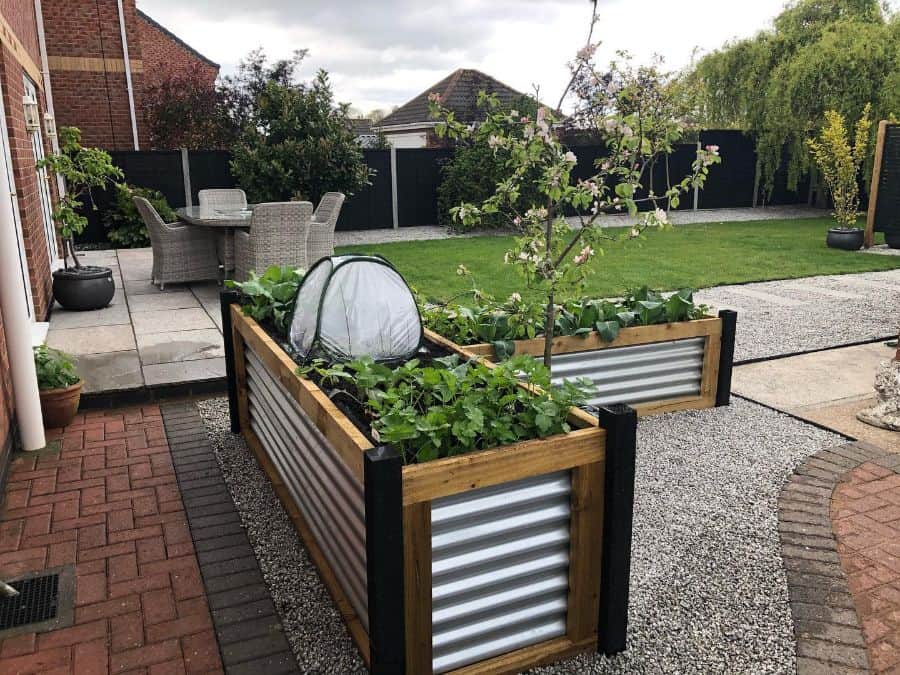
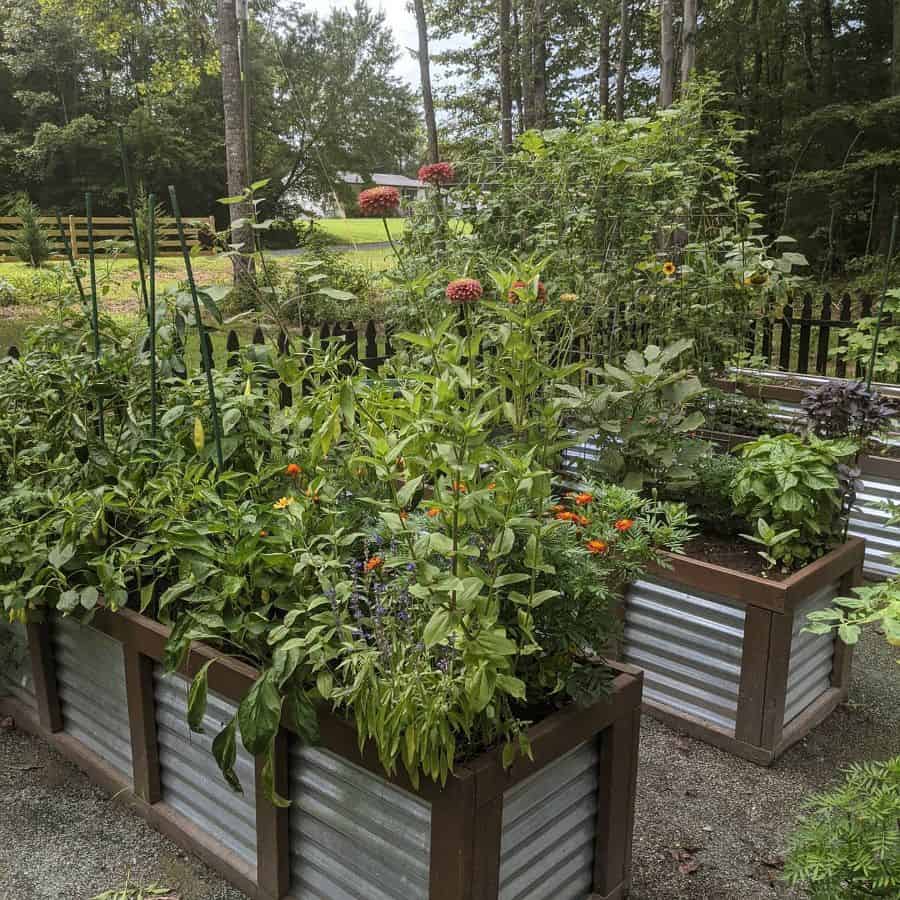
For a look that feels a little more custom, I’m obsessed with the idea of building a wooden planter frame and then using corrugated metal panels for the sides. It’s such an interesting and chic combination.
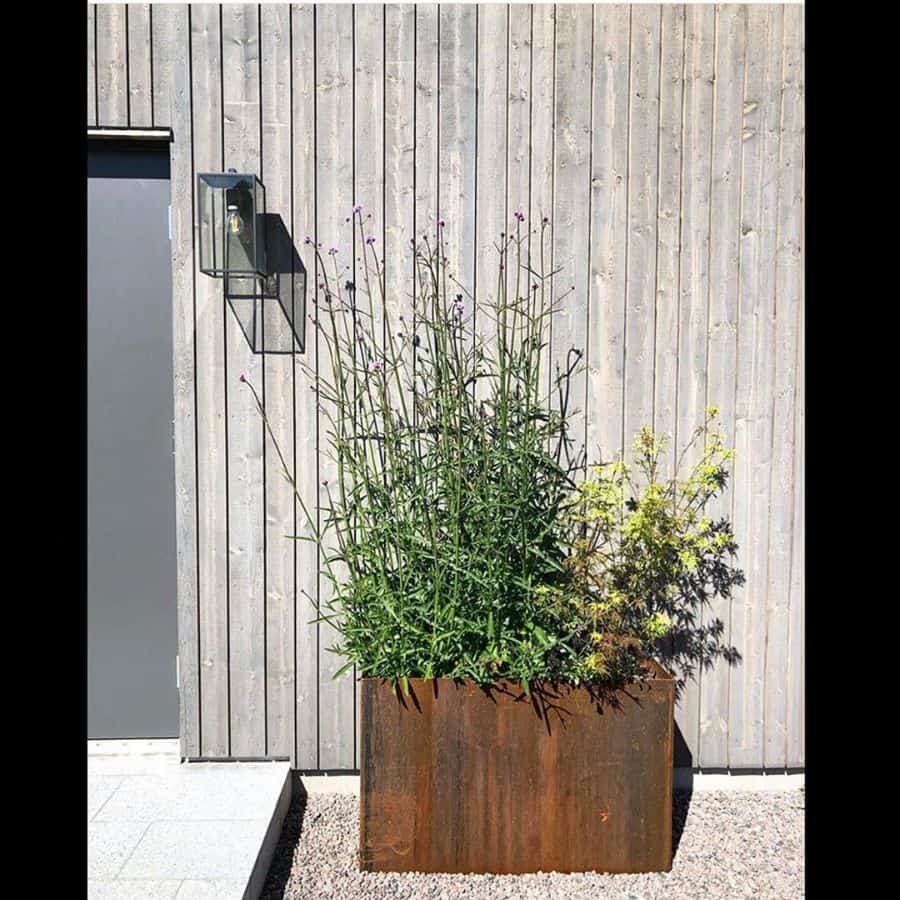
Just keep in mind that metal can rust over time. While that might not be the neat look you’re going for, I honestly think that rusty patina can add so much character and a really unique feel to a garden.
2. Elevate Your Garden With Raised Flower Beds
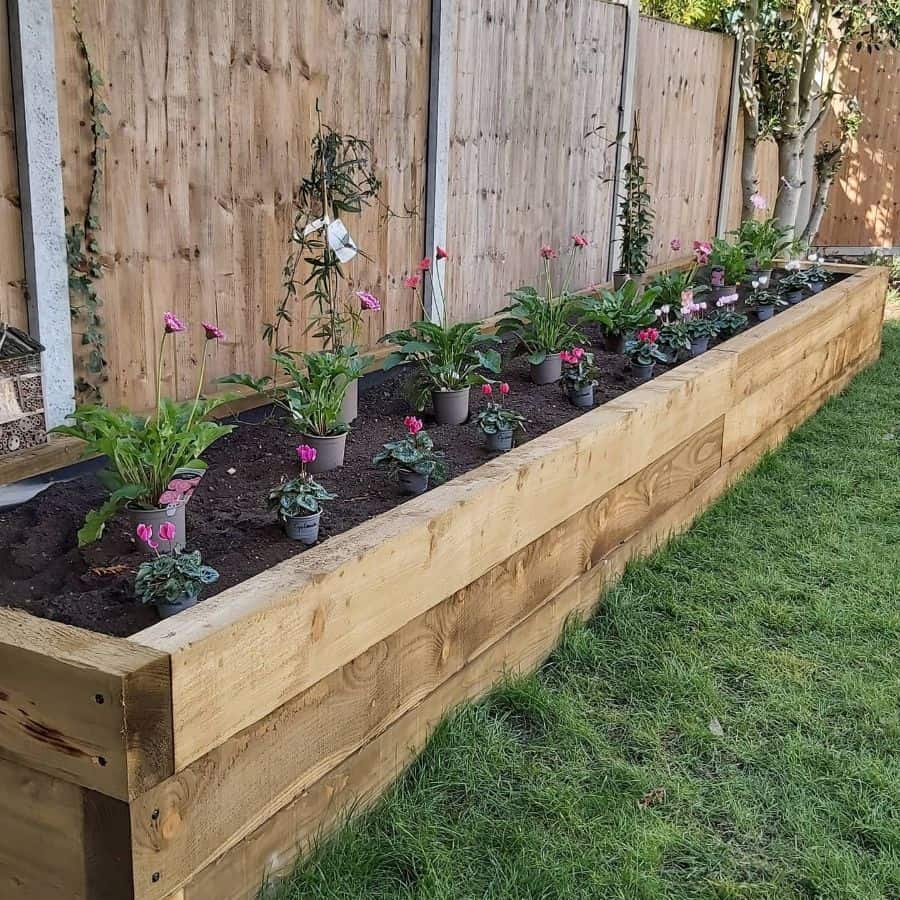
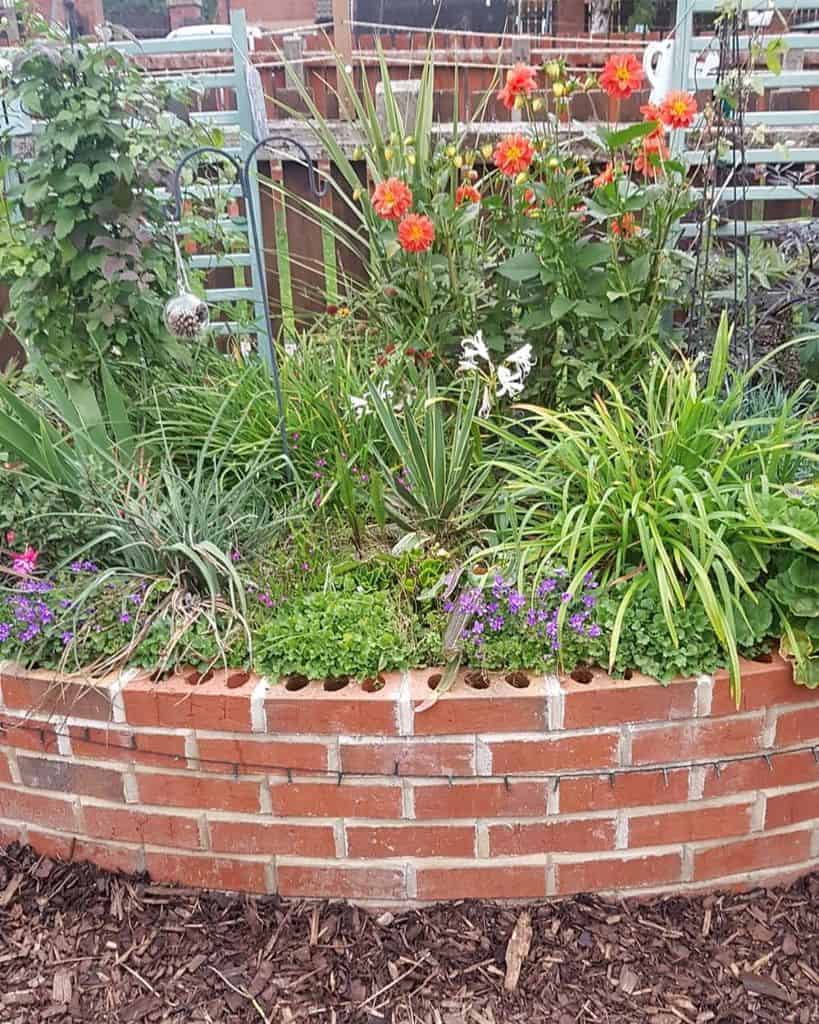
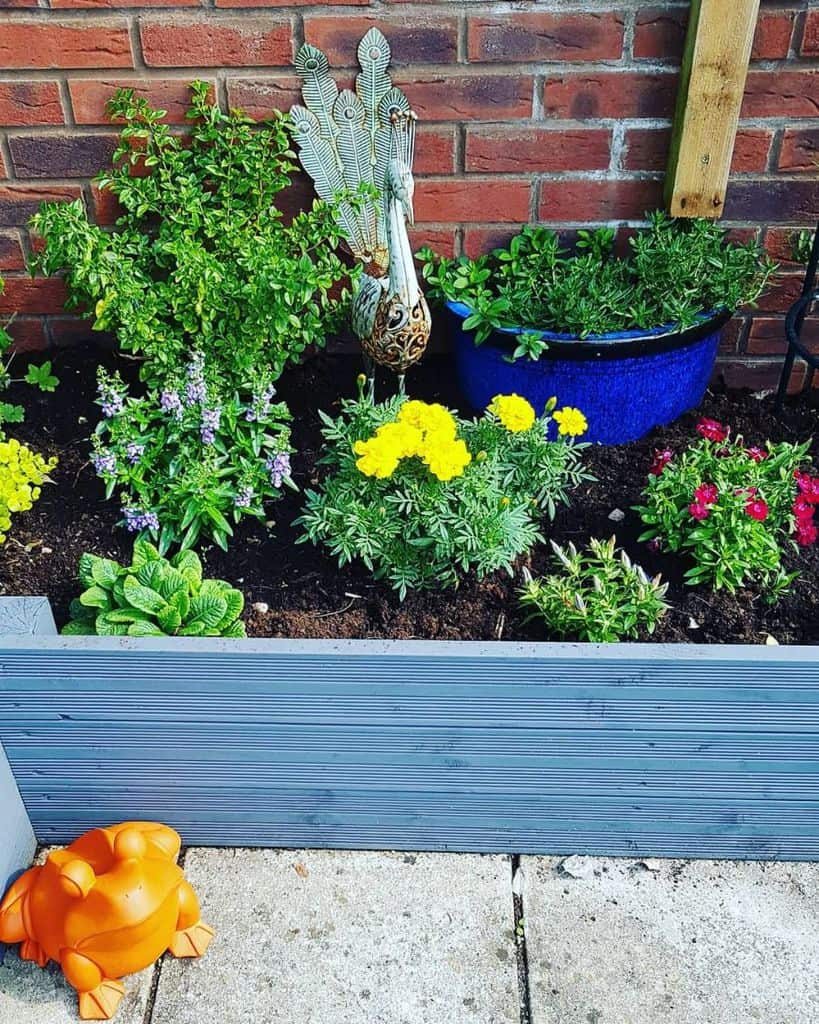
A raised flower bed brings so much life and beauty to any part of your yard, whether it’s in the front, back, or on the side. You can find garden planters in almost every shape, color, and size imaginable these days.
I love setting one out on its own to really showcase a beautiful mix of flowers, but grouping them together can create such a lovely and impactful garden design.
Both formal and informal flower garden styles work so well with raised bed gardening. A casual grouping of wildflowers can look like it sprouted up completely on its own, giving your space a really relaxed and natural feel.
For something more formal, you can layer tall, medium, and short plants with some trailing ones to create a stunning arrangement that looks like it was done by a florist. Just be sure you are using soil types made specifically for growing flowering plants.
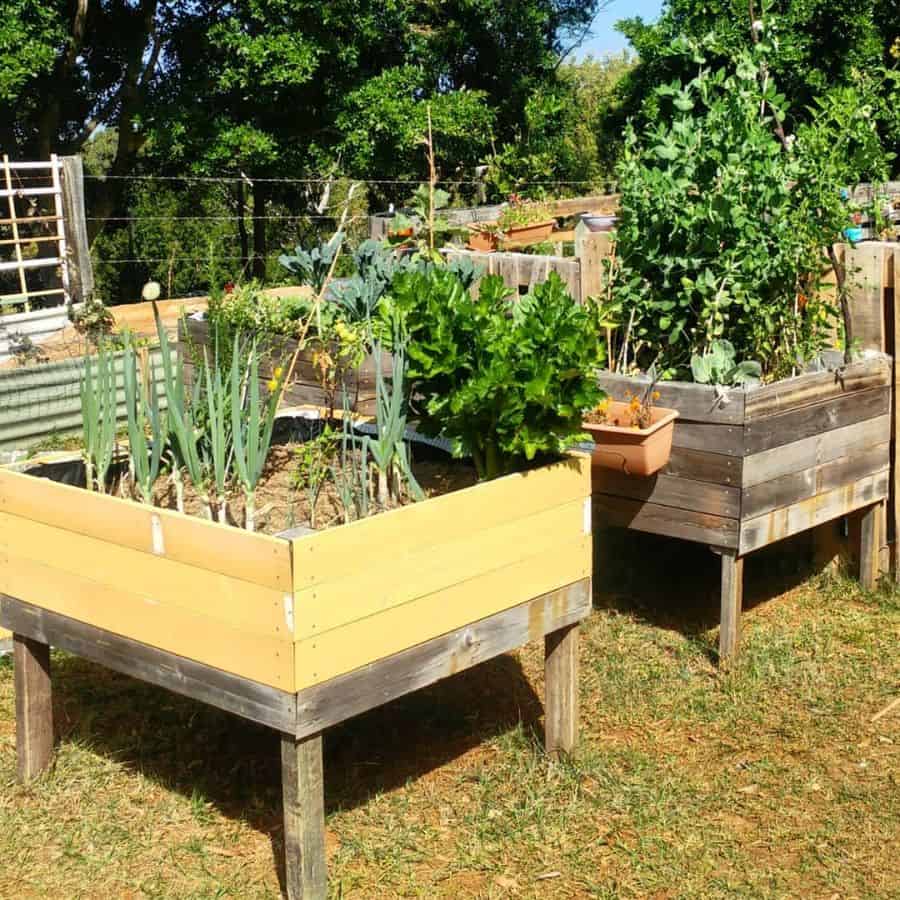
3. Stylish Elevated Garden Beds With Legs
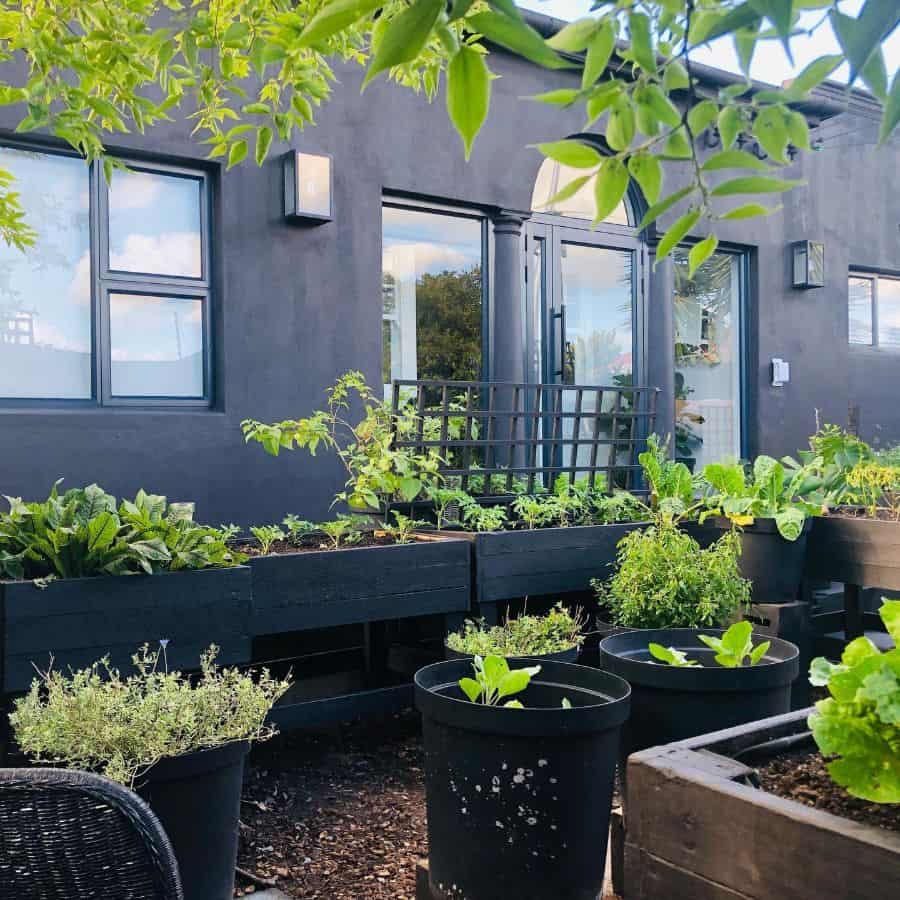
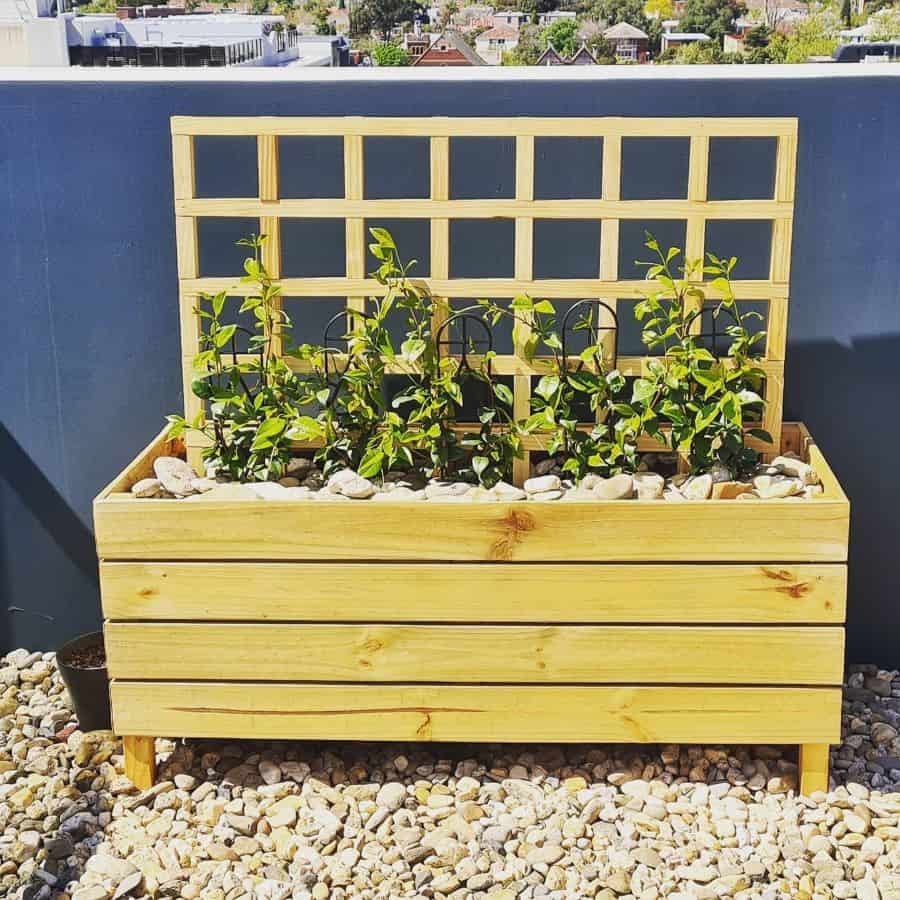
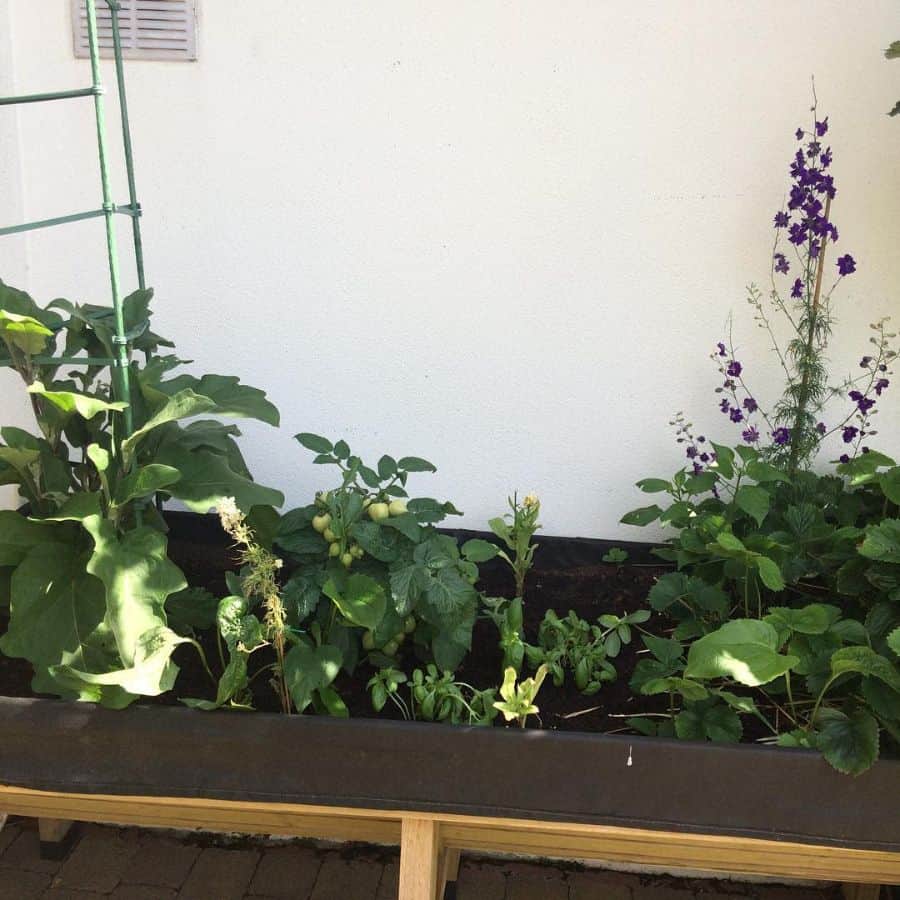
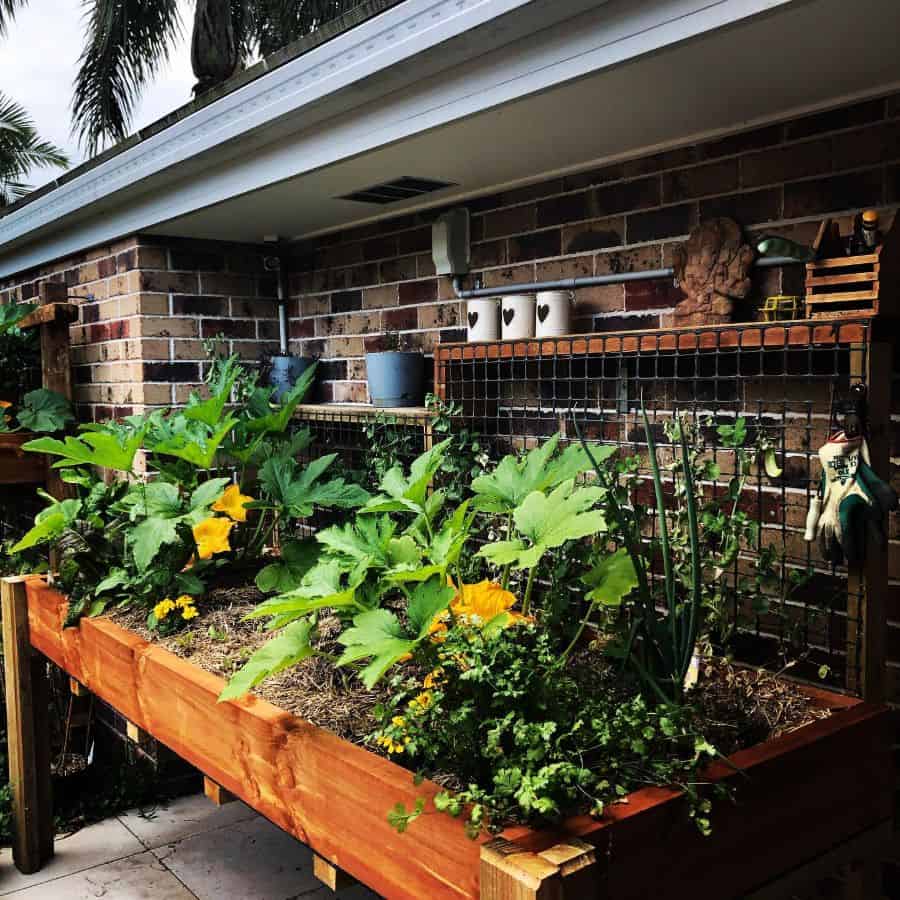
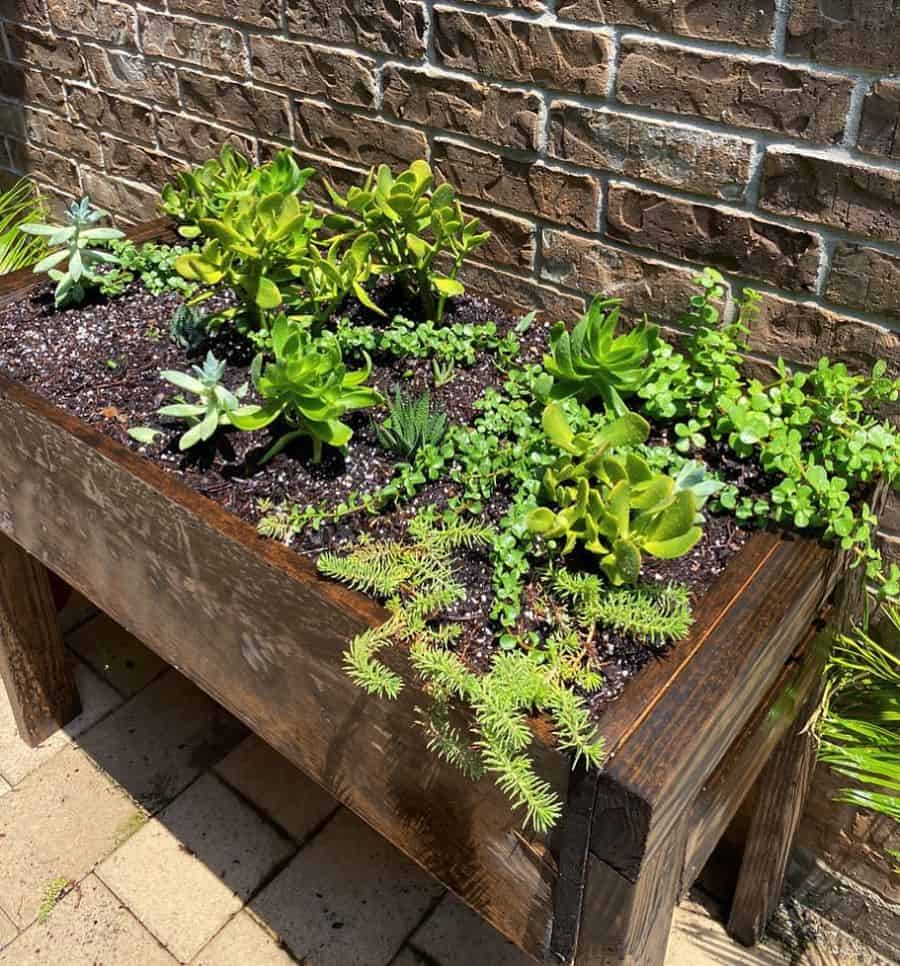
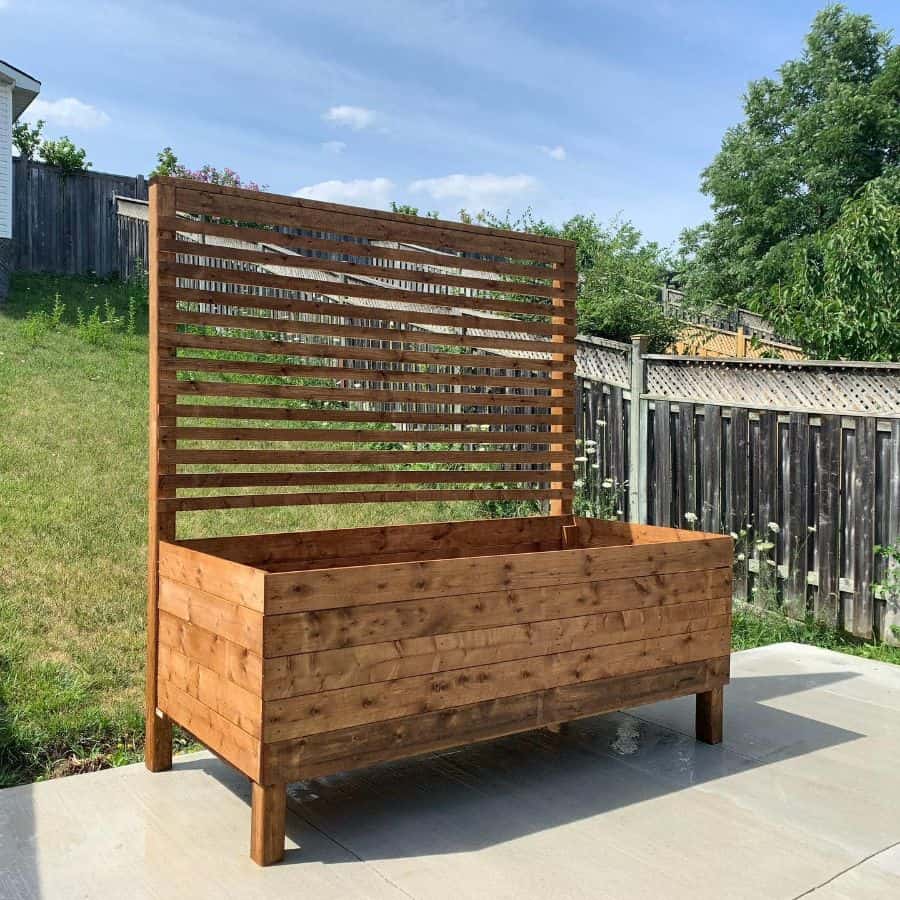
If you deal with soil that’s overly wet, building a raised garden bed with legs is a fantastic option. It helps prevent all that ground moisture from messing with your soil’s integrity.
That little bit of space between the planter and the ground allows you to properly regulate moisture levels and makes sure your beds get the drainage they need.
These garden beds on legs come in all sizes, large or small, and you can adjust them to a height that makes gardening comfortable for you. I’ve even seen some designs with a built in open shelf underneath the planting area, which is so perfect for storage.
4. Raised Garden Bed Ideas Against Walls
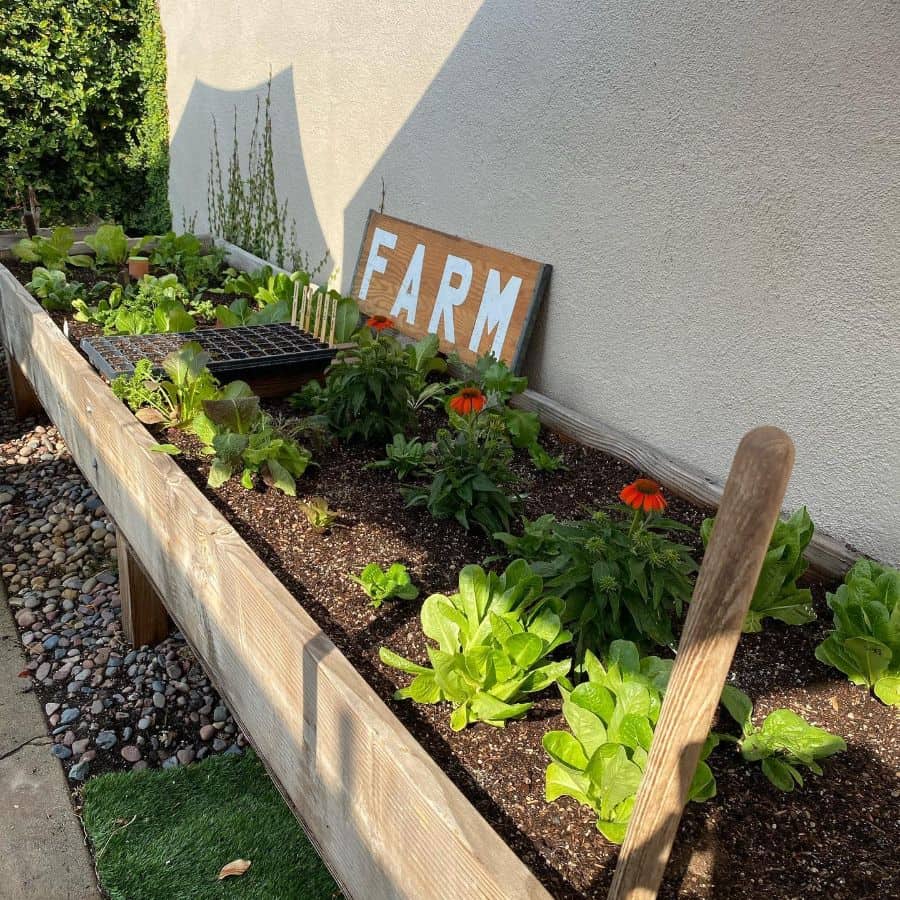
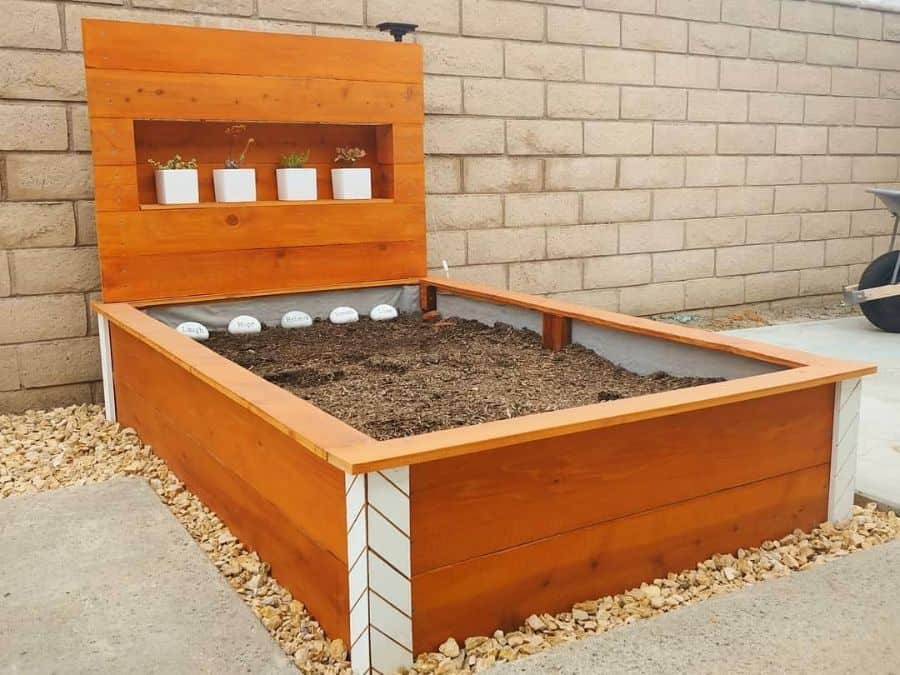
If you have a sunny wall in your backyard, placing your raised garden against it is such a great idea. I’ve seen some mid-century homes that actually have this style of planter box built right in.
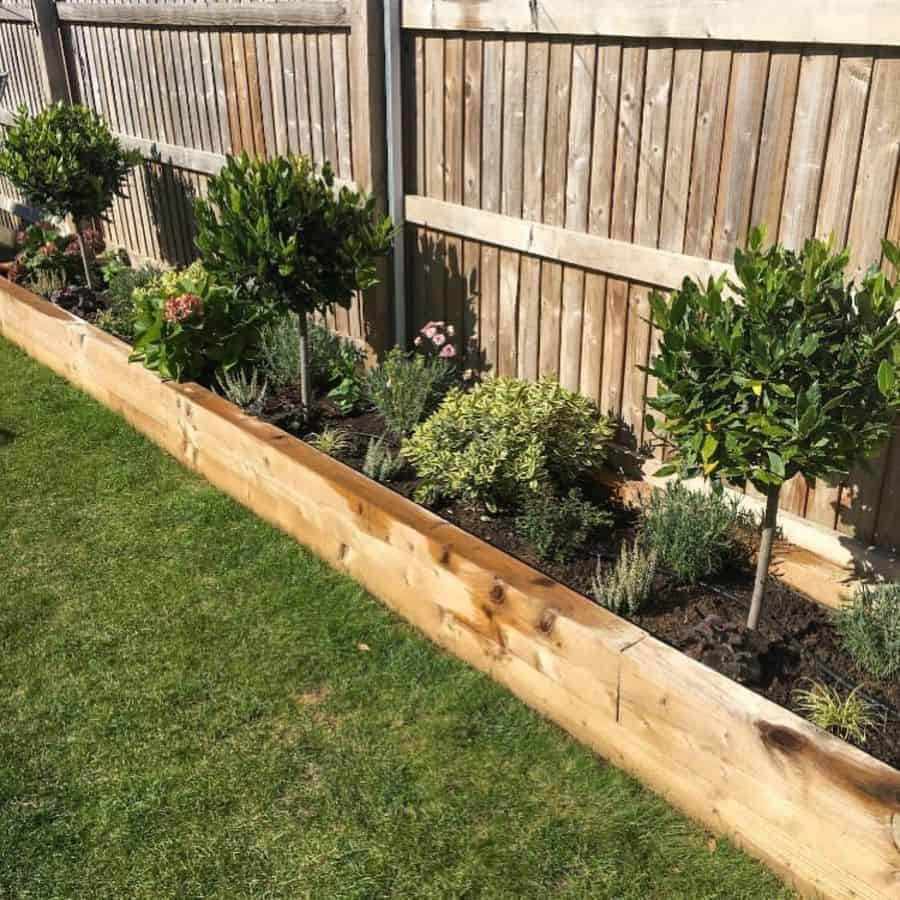
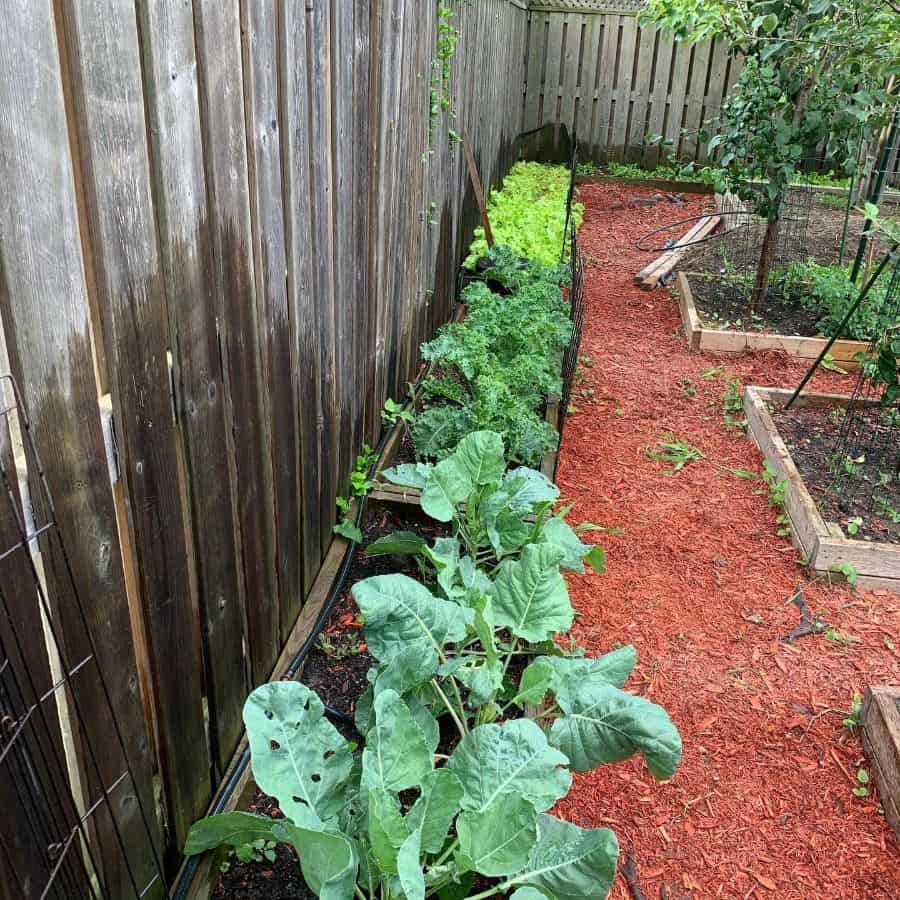
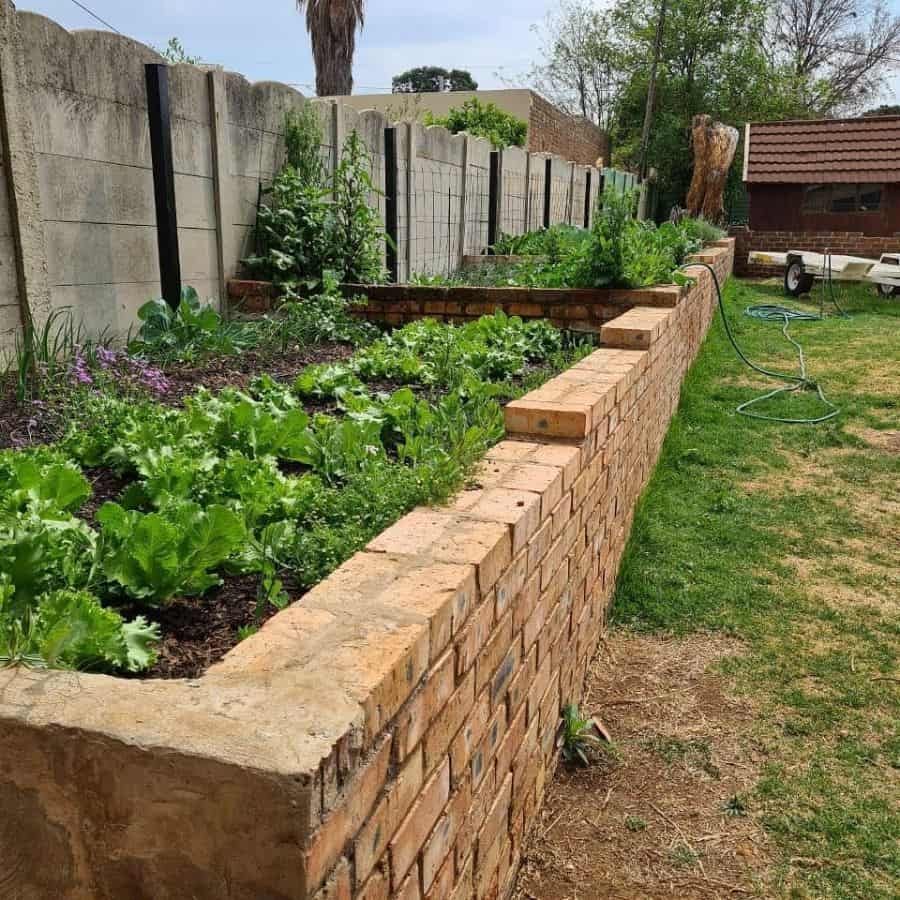
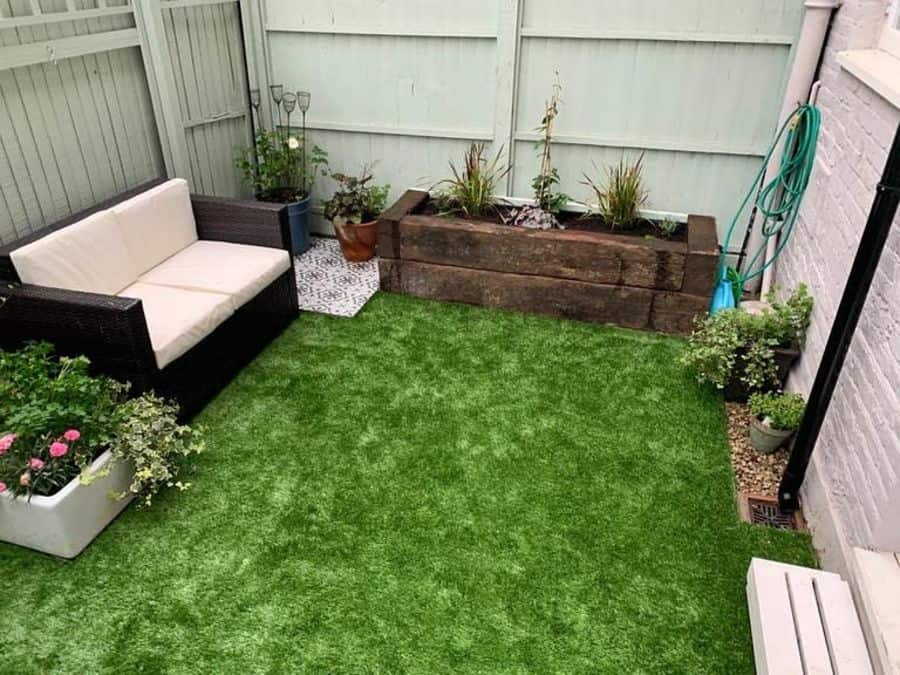
If you’re lucky enough to have one that gets plenty of sun, it’s the perfect spot for your garden bed. If not, it’s honestly pretty simple to build your own DIY raised garden bed along a fence or garden wall.
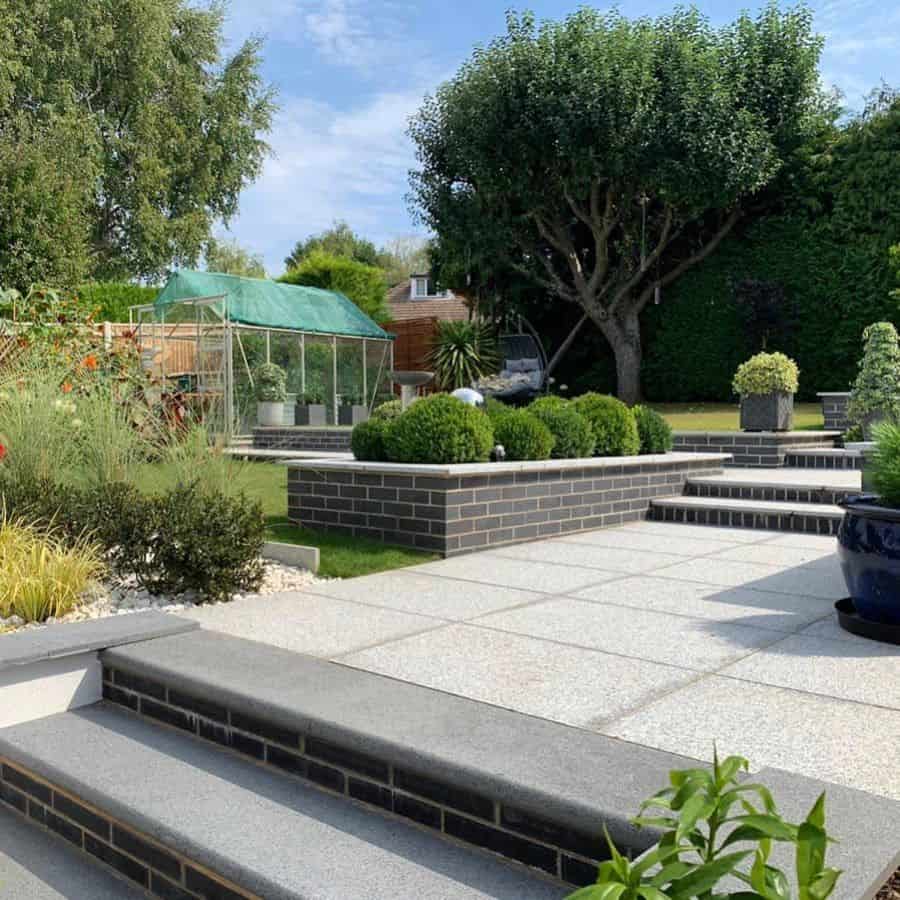
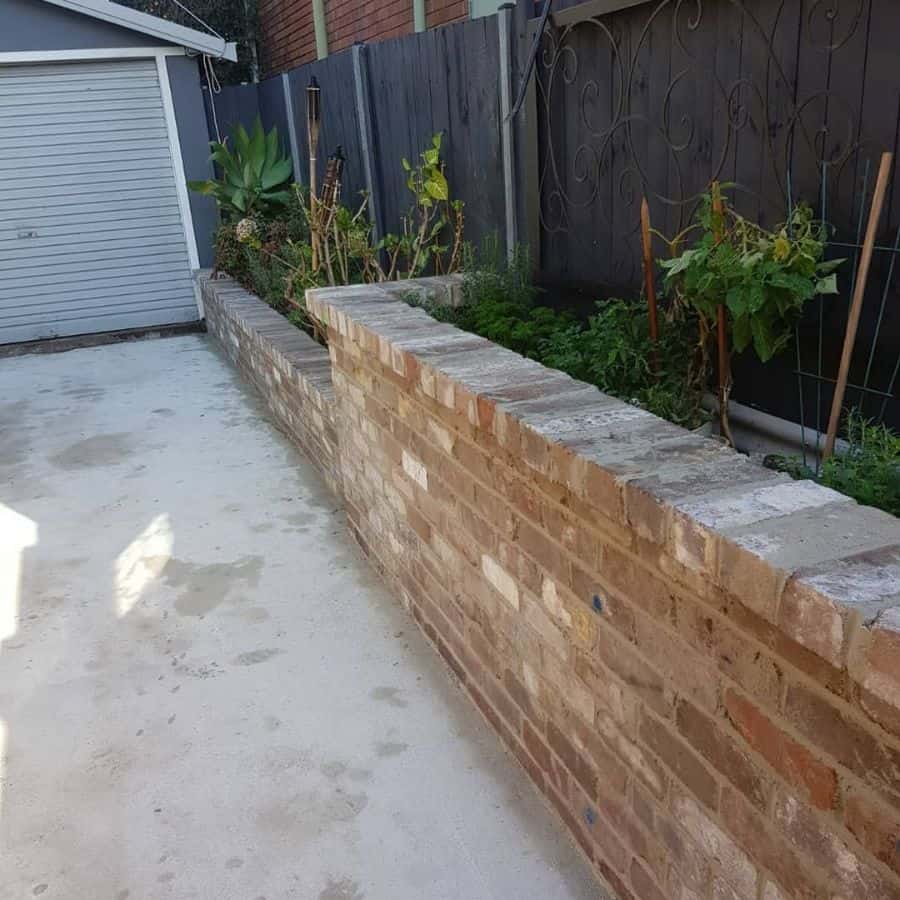
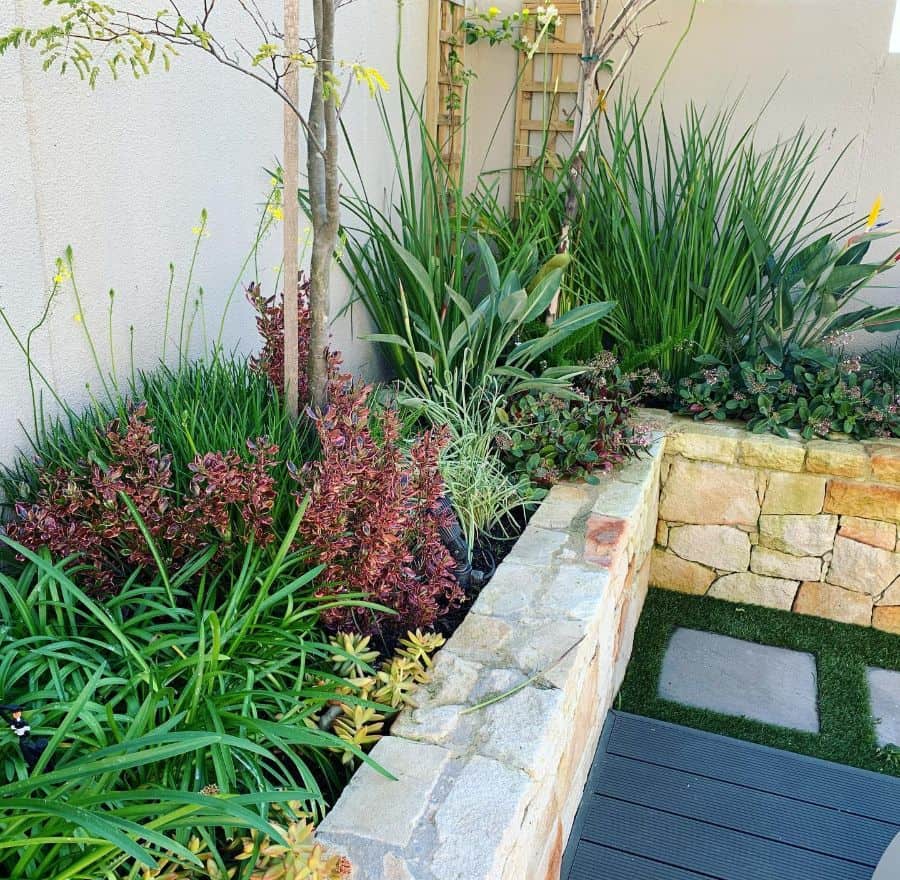
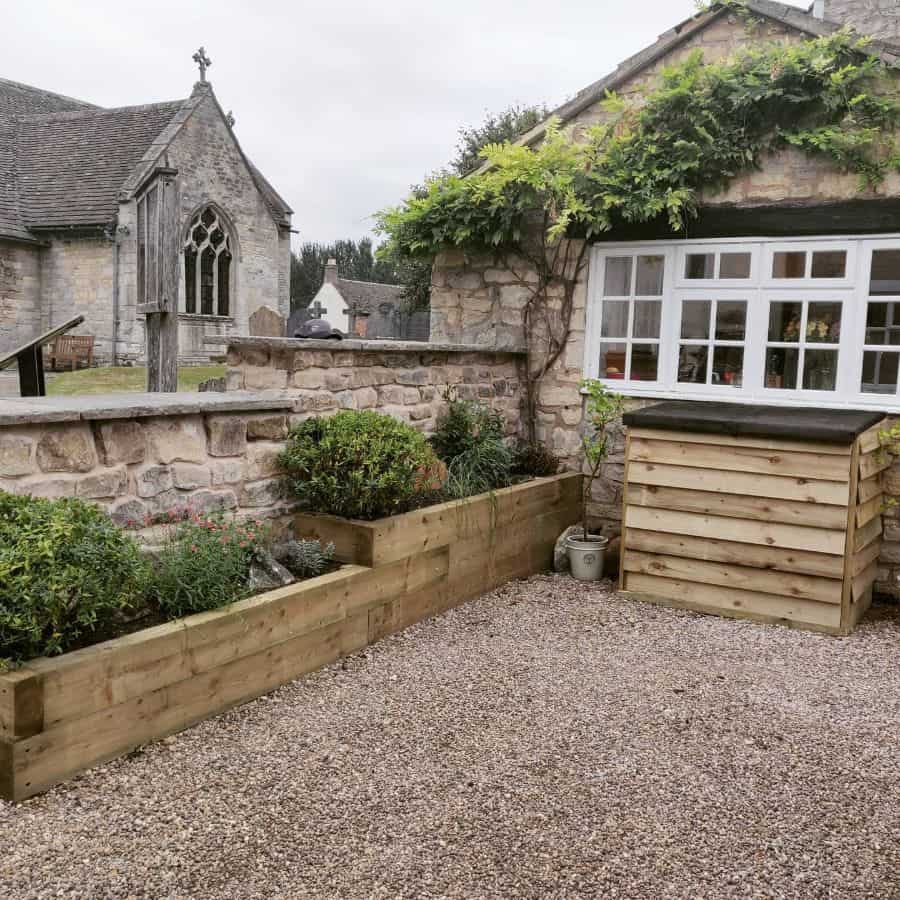
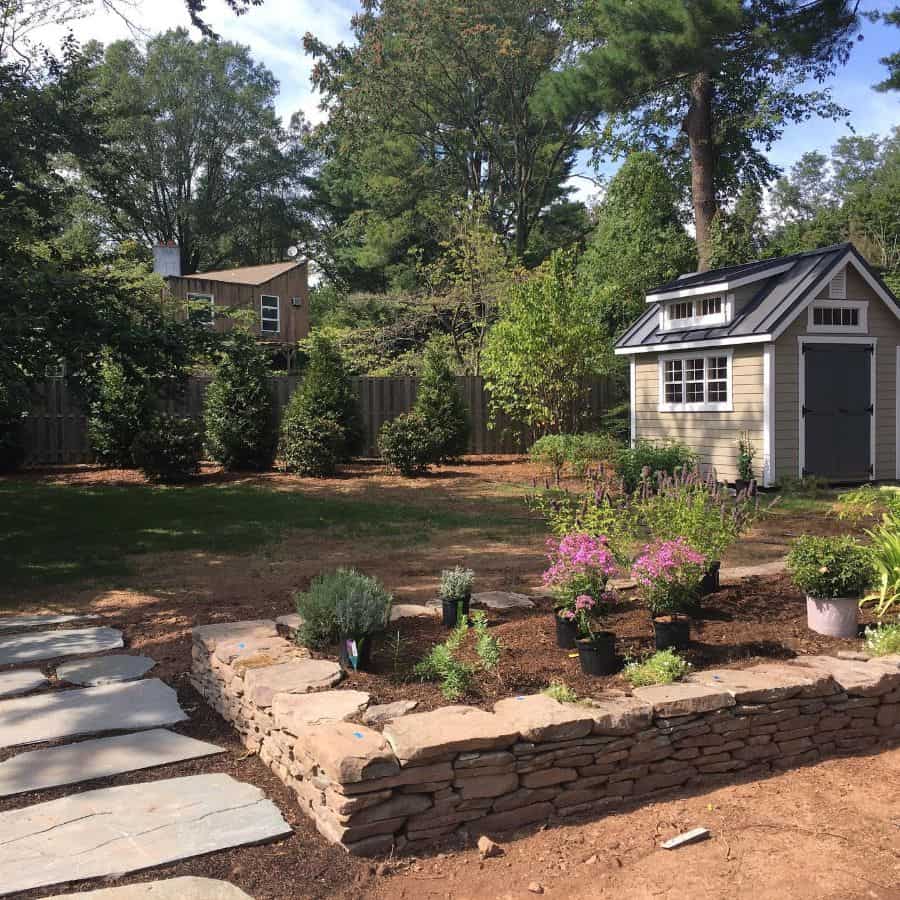
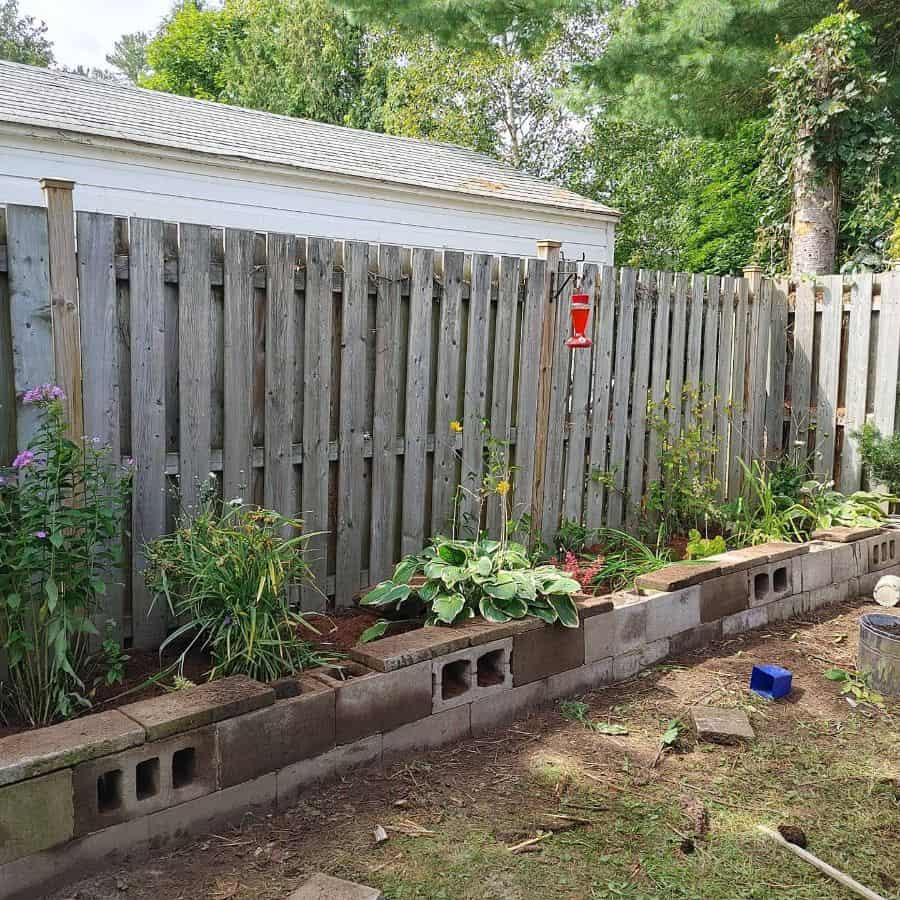
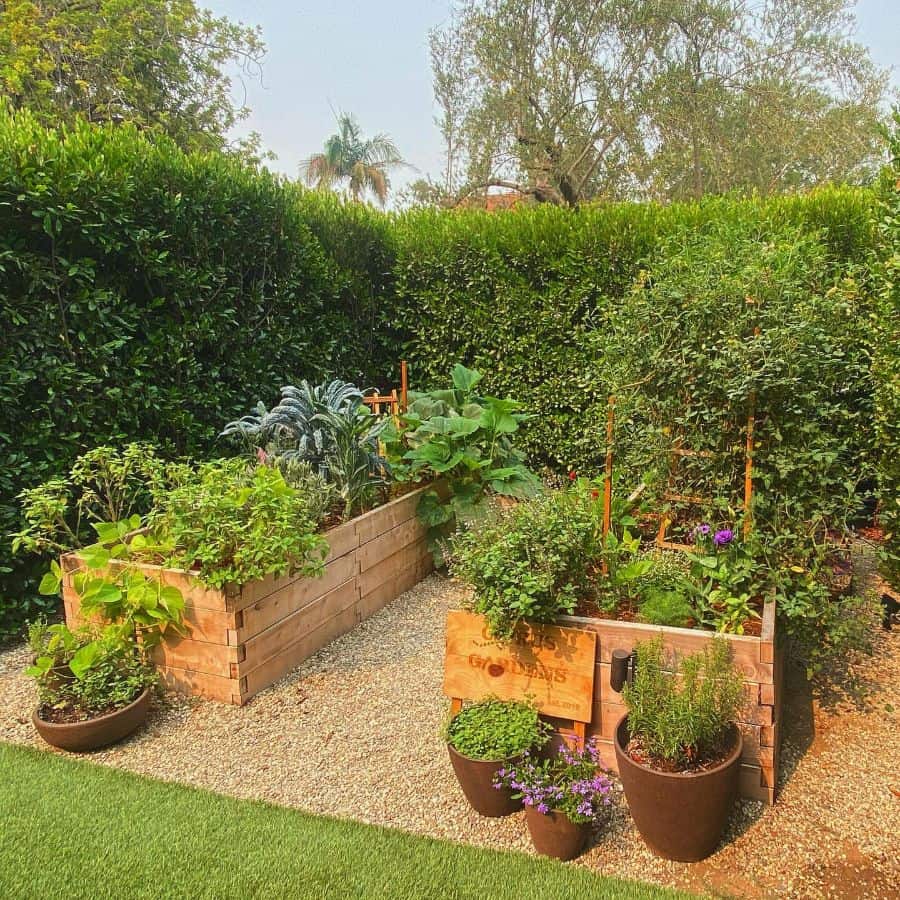
Materials like cinder blocks, stacked stones, bricks, and even recycled wood are all excellent choices for creating beds along a wall. I’d recommend keeping your garden bed about 24 inches deep, which makes it easy to reach everything in the back.
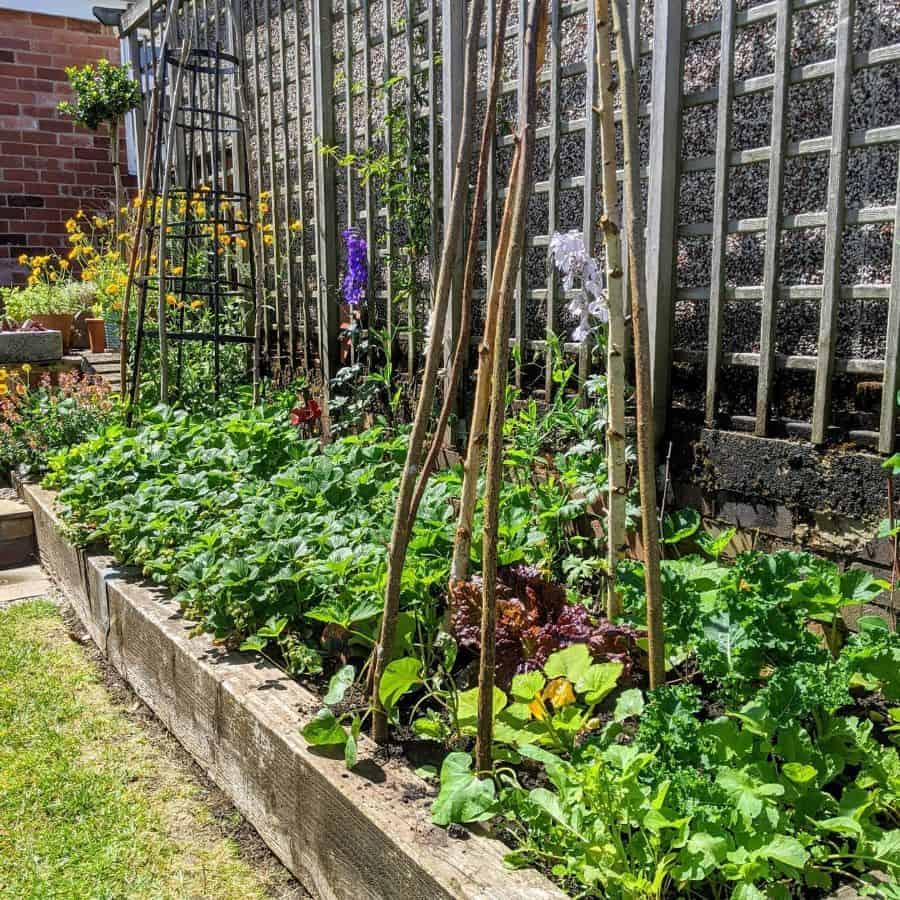
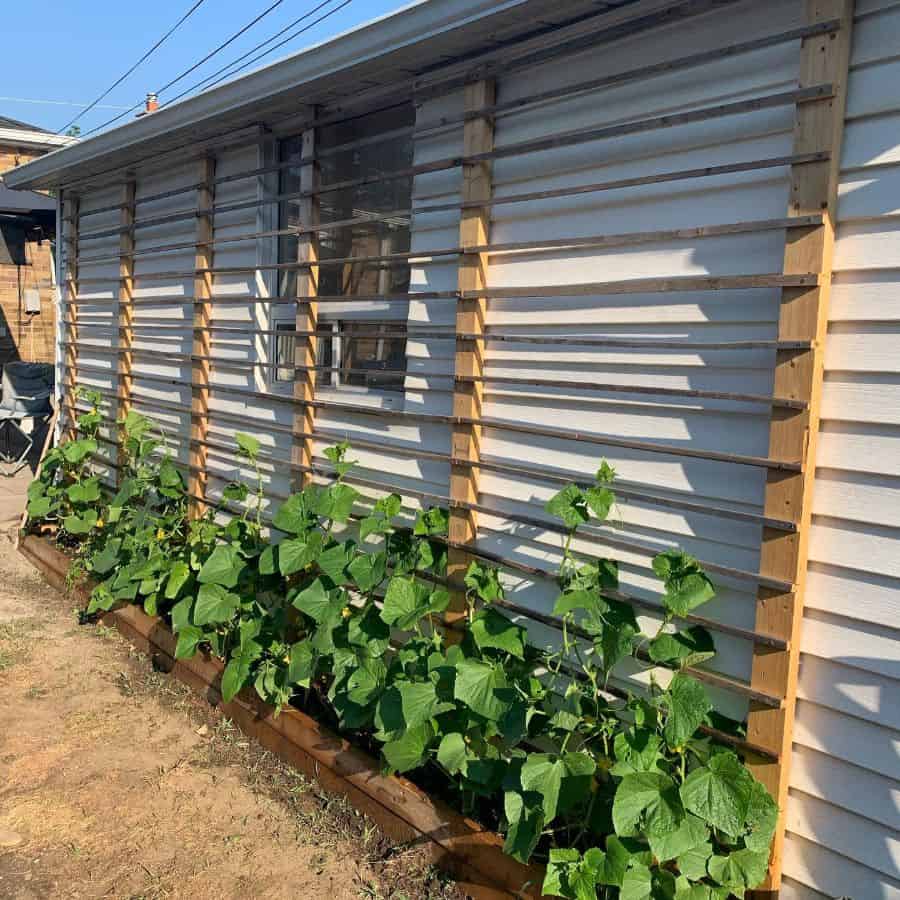
A great depth for a raised bed garden is anywhere from 12 to 24 inches. And if you’re planning to grow any climbing or flowering vines, don’t forget to hang a trellis behind the bed so the vines have something to hold onto.
5. Adaptable Sloped and Multilevel Garden Beds
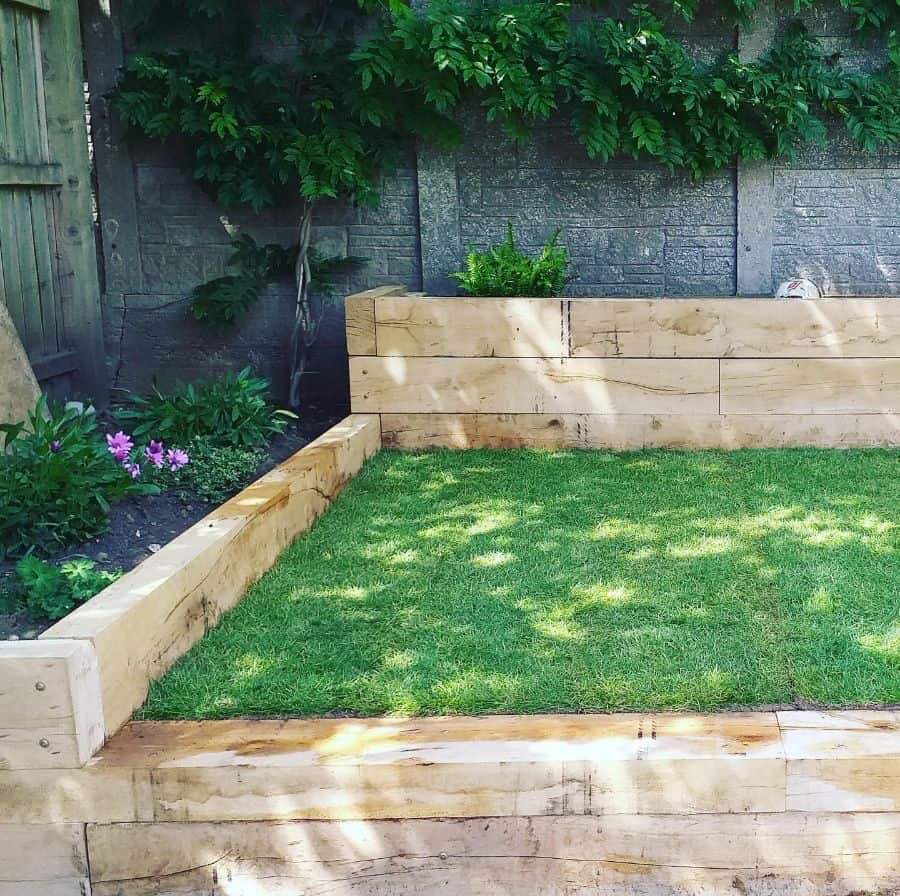
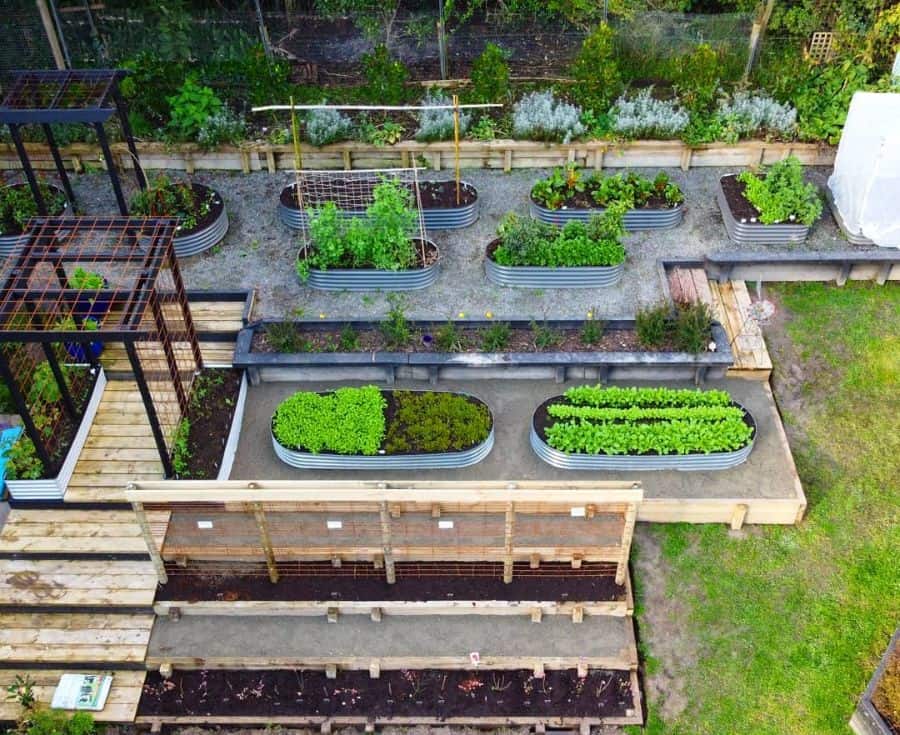
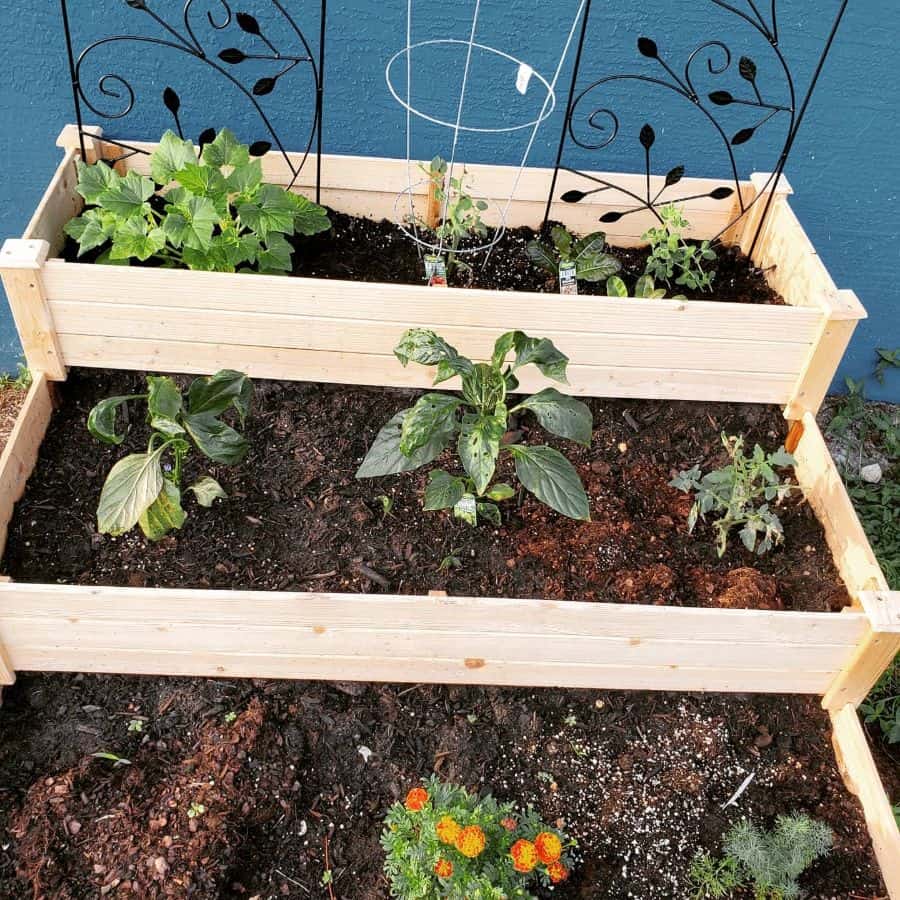
A yard that is multilevel or sloped needs a raised garden bed design that can adapt to the landscape. For multilevel bed gardens, I love the idea of arranging planters in a stair-step pattern. You can place taller plants on the higher levels with shorter ones down below.
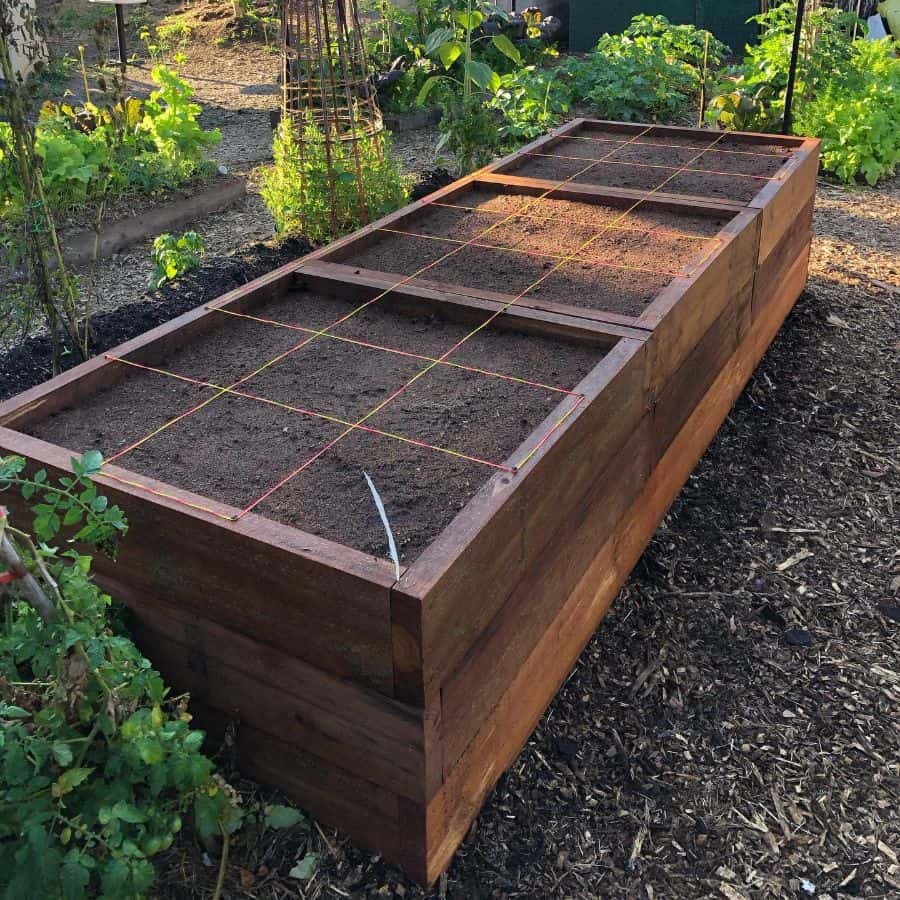
Within a large raised bed, the soil itself can be sloped to follow the natural curves of the ground underneath it. A square foot gardening approach can also work beautifully along a sloped landscape. You can stack each 4×4 planter in rows that slightly overlap.
6. Effortless Inspirations
One of the most straightforward ways to get into raised bed gardening is by purchasing a complete garden bed kit. You can put these prefabricated beds together so quickly.
If you can’t seem to find a prefab kit you love, you could always use galvanized stock tanks. I think they add such a fun farmhouse feel to any landscape.
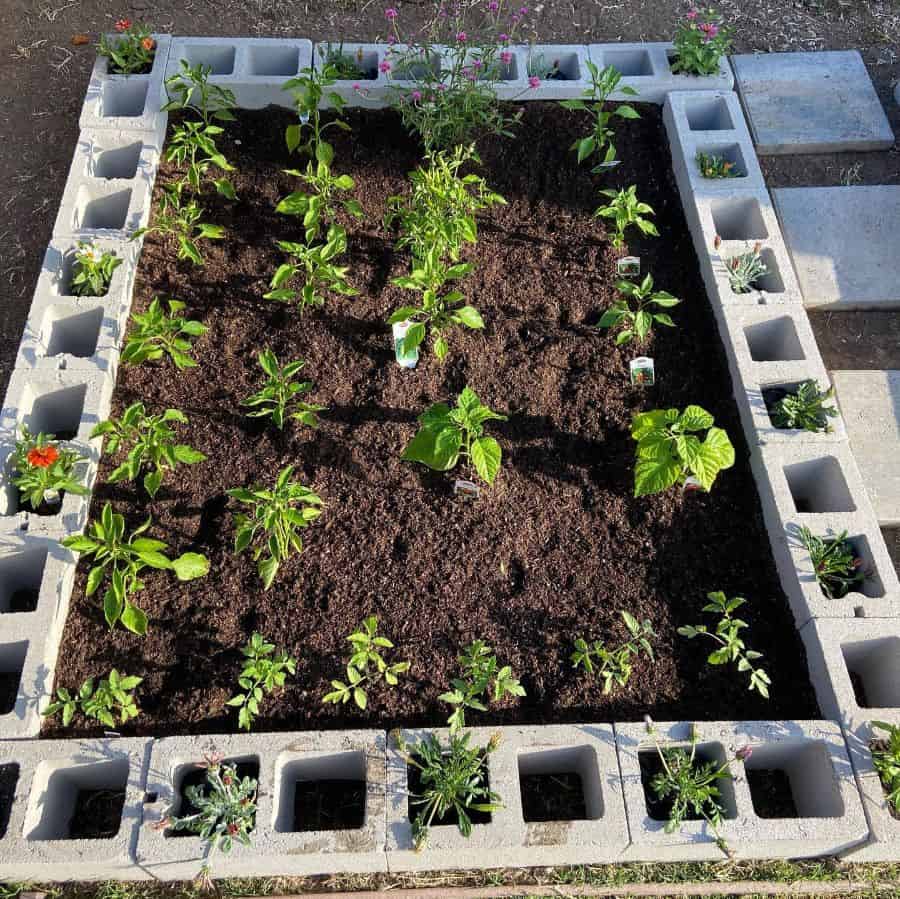
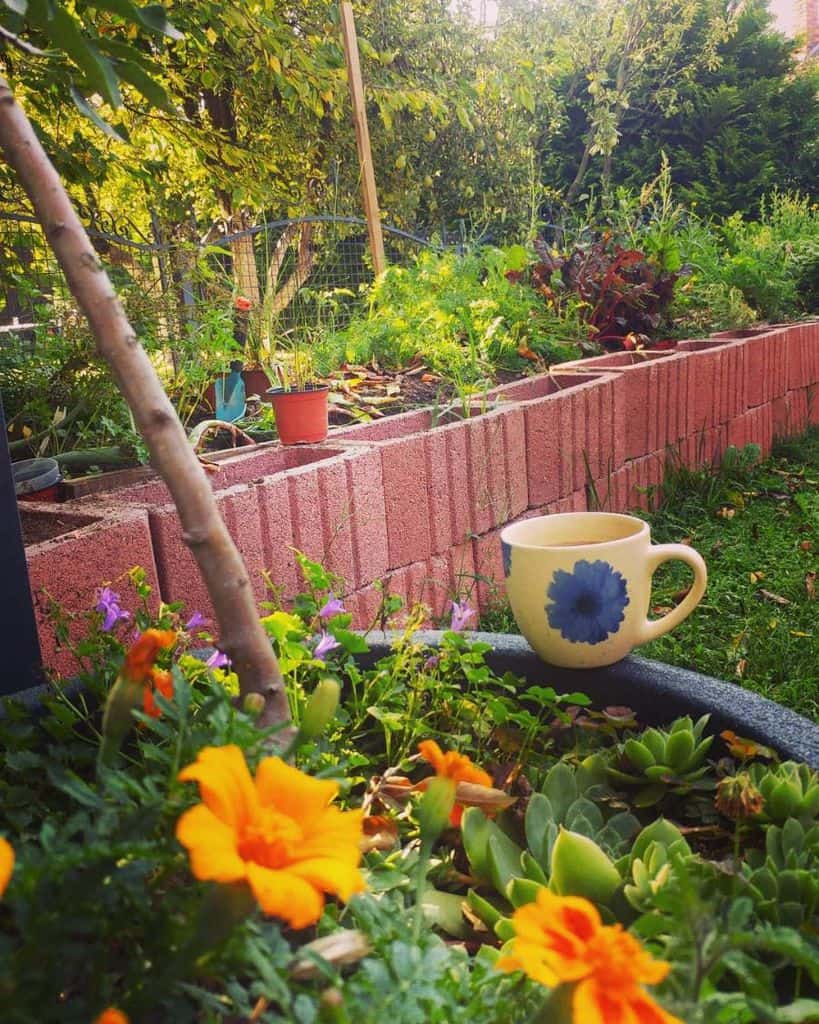
You can also create a raised garden bed by simply stacking cinder or concrete blocks to form short walls. It’s a design option that’s super simple and can be finished in just a day, plus it’s inexpensive.
You can use them to grow food, but I’d set aside at least one as a flower bed if you love having fresh-cut flowers.
Or, for a really creative touch, plant flowers directly into the openings of each cinder block. This will create a beautiful flowering border around your vegetable garden.
7. Natural Beauty of Wood
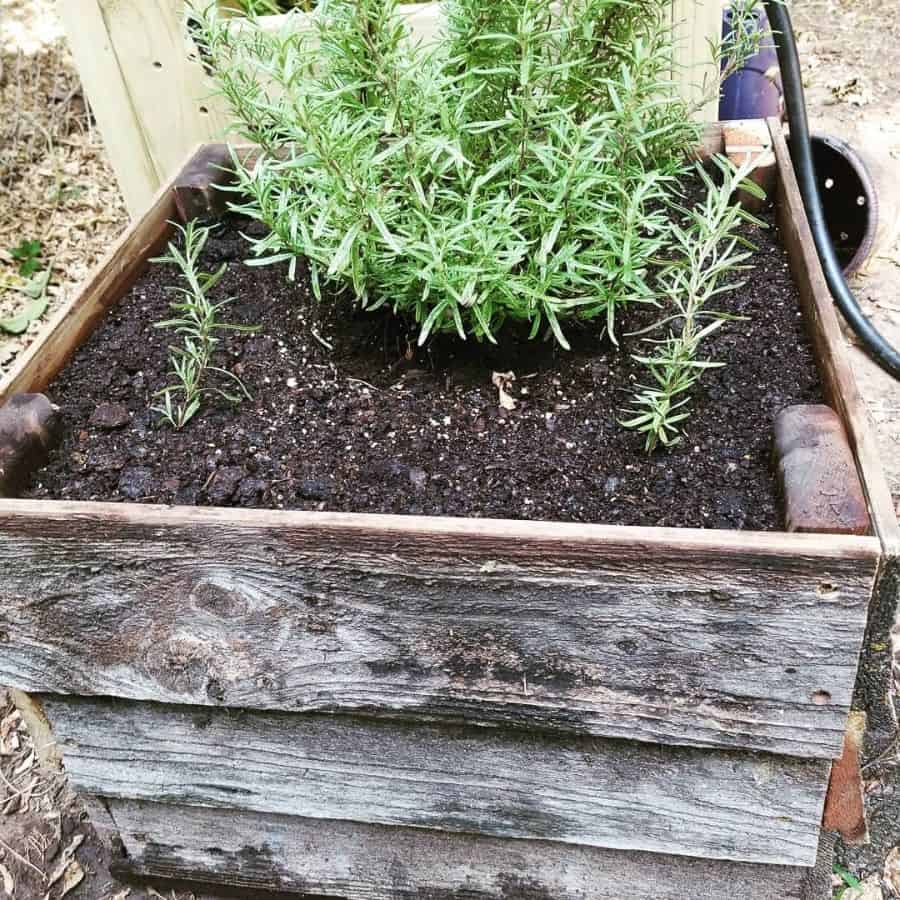
Using reclaimed wood pallets for raised garden beds adds such a welcome rustic vibe to so many home gardens. Depending on the specific look you’re going for, you can paint them, stain them, or just leave the wood bare.
I love the idea of using some extra wood to build a rim around the top that’s wide enough to sit on while you’re tending to your plants. Some wooden raised bed plans even include instructions for building a seat into one or more of the sides.
Wood beds do need a little more maintenance compared to some other choices, but the great thing is that you can easily add onto them later if you decide you want to expand your garden or create a deeper bed.
8. Healthy Harvests
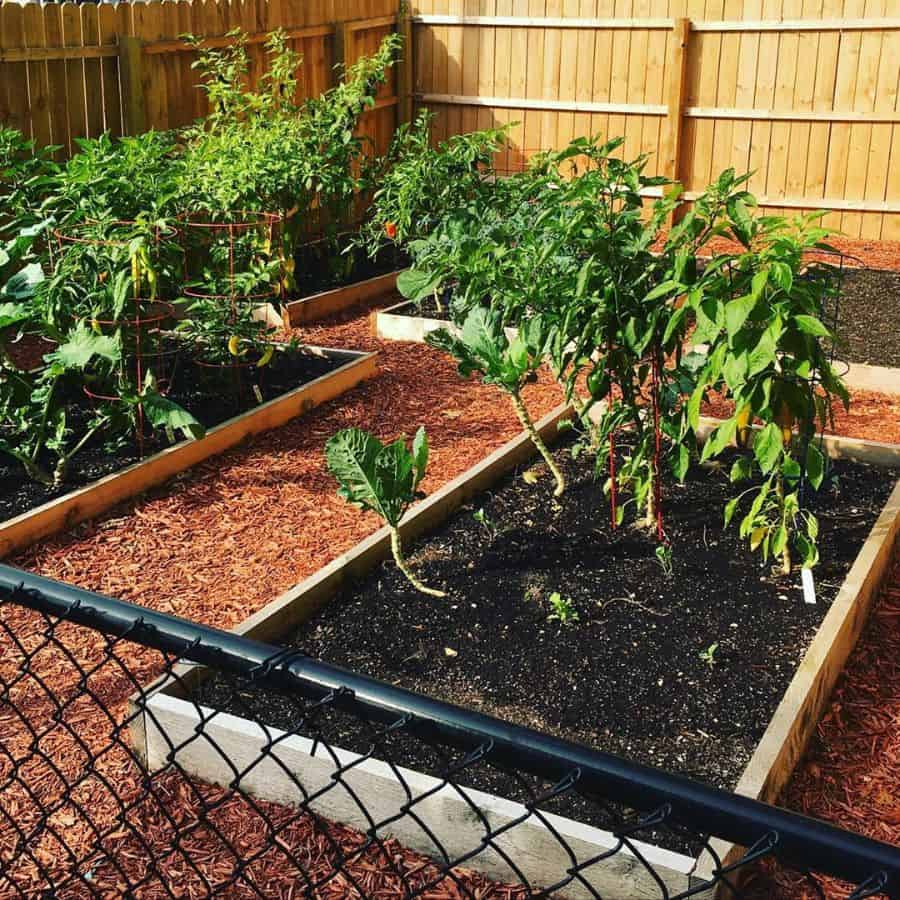
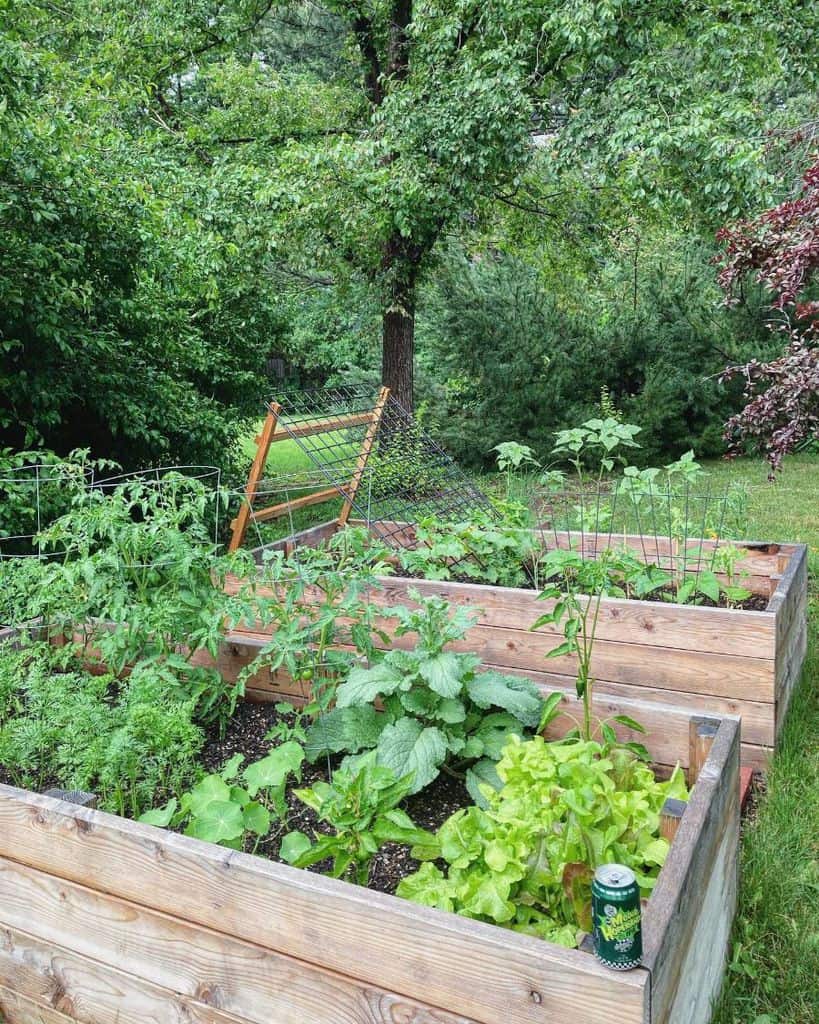
Vegetables really seem to thrive in raised bed gardens, and I think it’s because it’s so easy to create the perfect soil mix for them. The beds also tend to warm up more quickly in the spring, which is a great way to extend your growing season.
Plus, when you grow vegetables with edible roots like carrots and beets in a raised bed, it makes harvesting them so much easier.
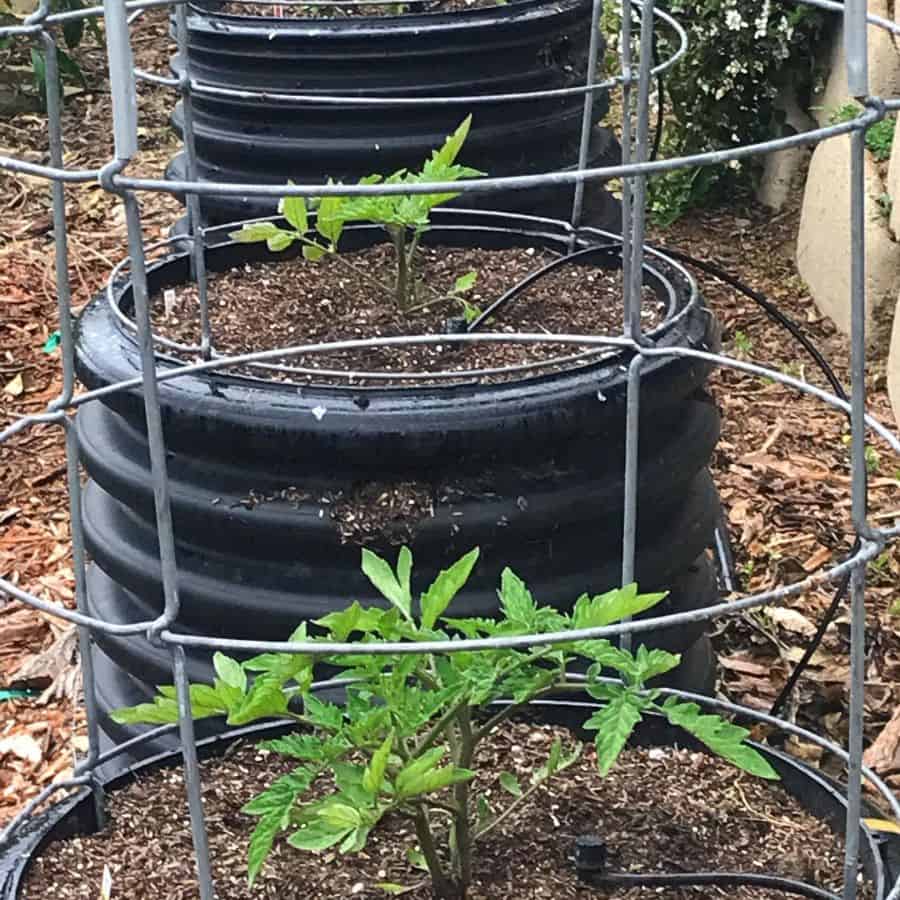
A raised bed vegetable garden can really benefit from a drip irrigation system, especially during those hot summer months. You can use low-flow systems like micro-sprinklers or a soaker hose network. They are easy to regulate and you don’t have to worry about overwatering your soil.
9. Charming Enclosed Designs
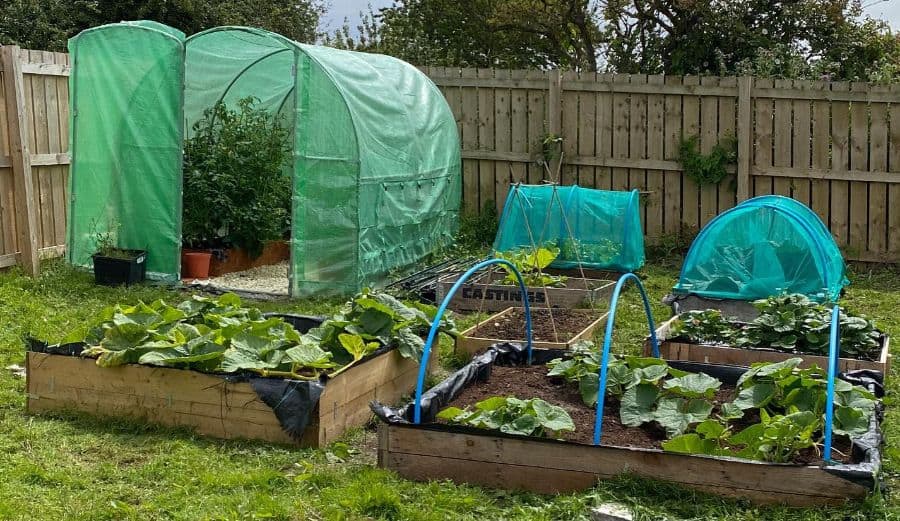
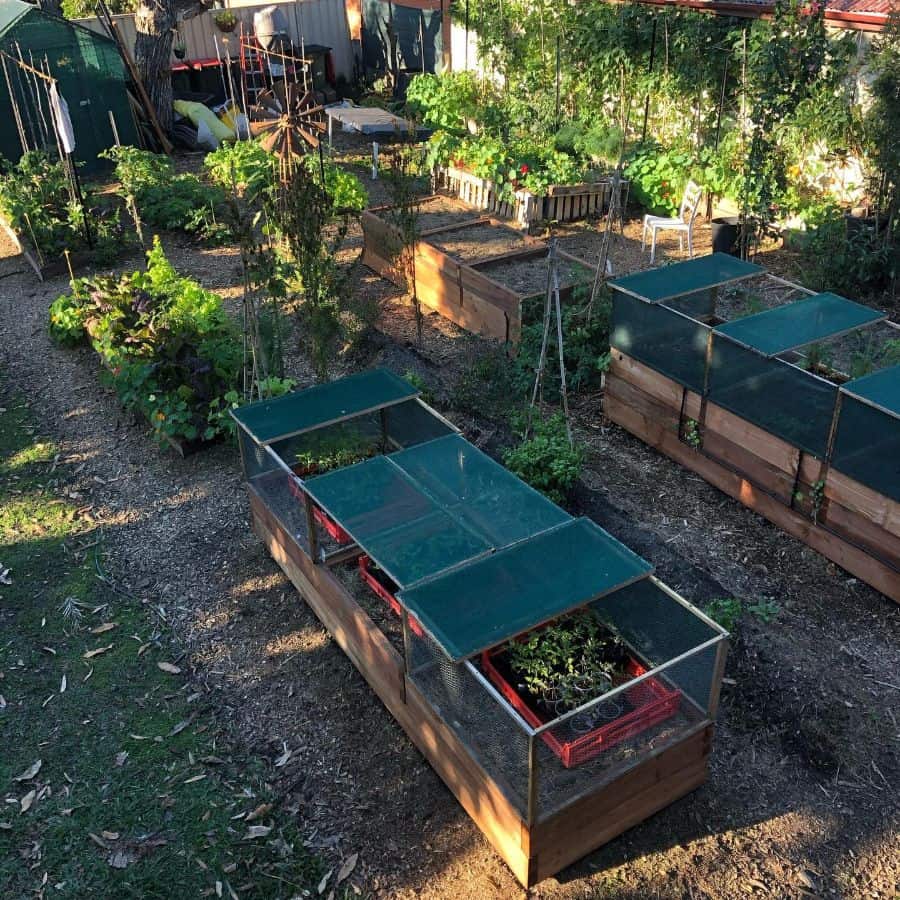
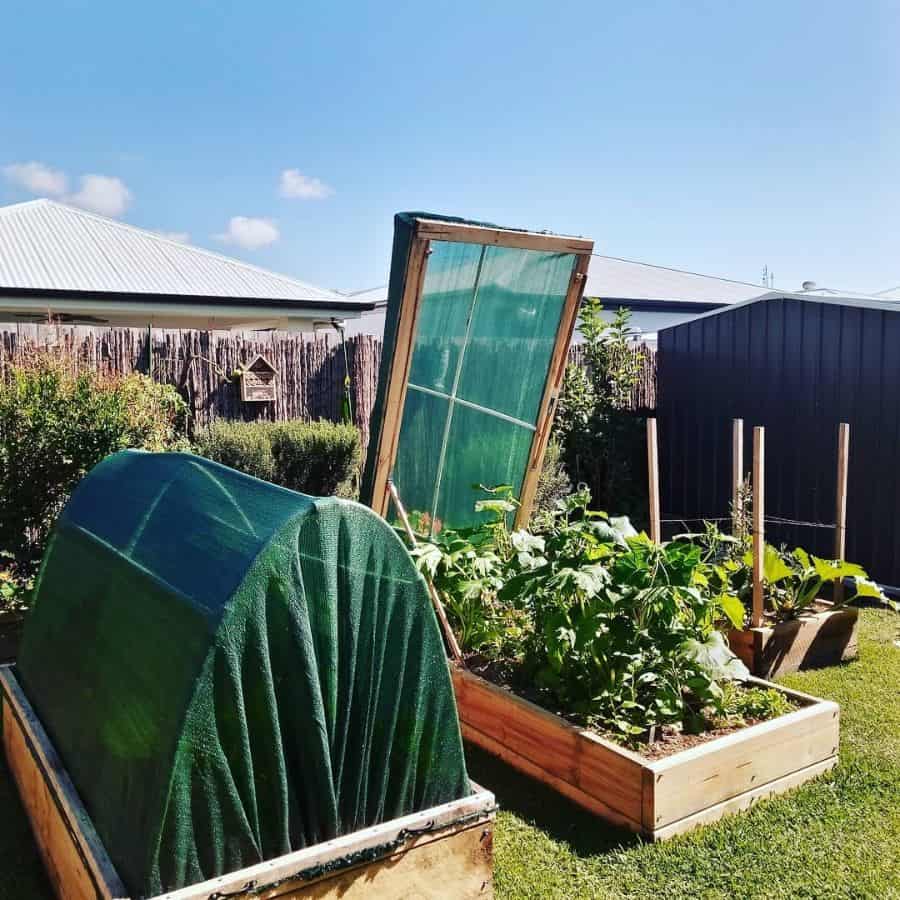
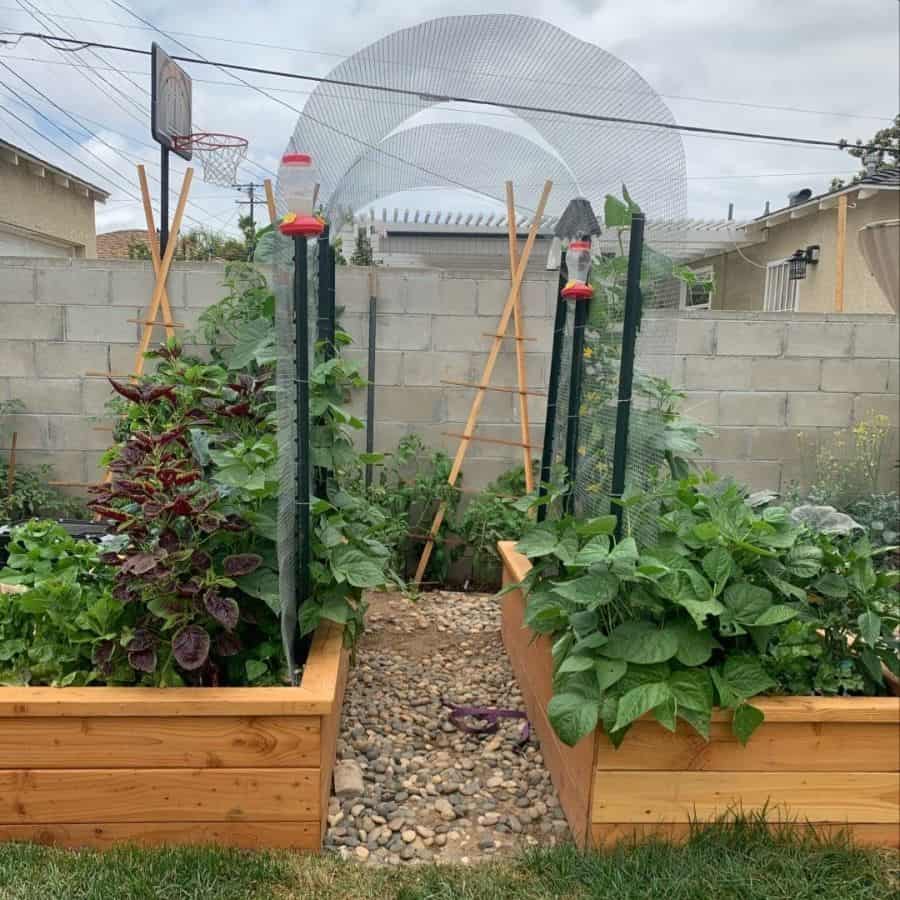
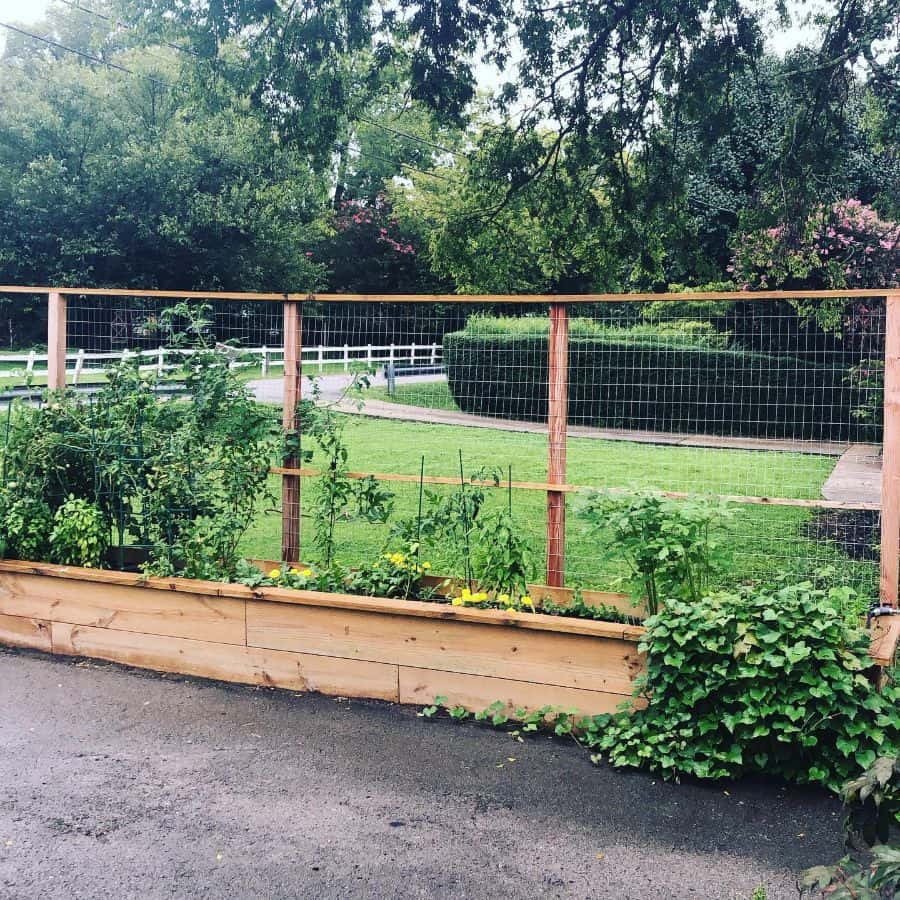
An enclosed raised garden bed is a type that features a wire enclosure around its top. This kind of garden box can be so helpful if you live somewhere with a lot of pests.
The enclosure itself is typically a wooden frame that has chicken wire or another type of wire panel attached. This setup lets you protect all your precious produce, herbs, or flowers.
Your garden enclosure can be as tall as a room or much shorter. I’ve seen some small garden boxes that have hinged tops. You can lock them at night and then open them up whenever you need to do some weeding or pick your produce.
10. Thoughtful Garden Layouts
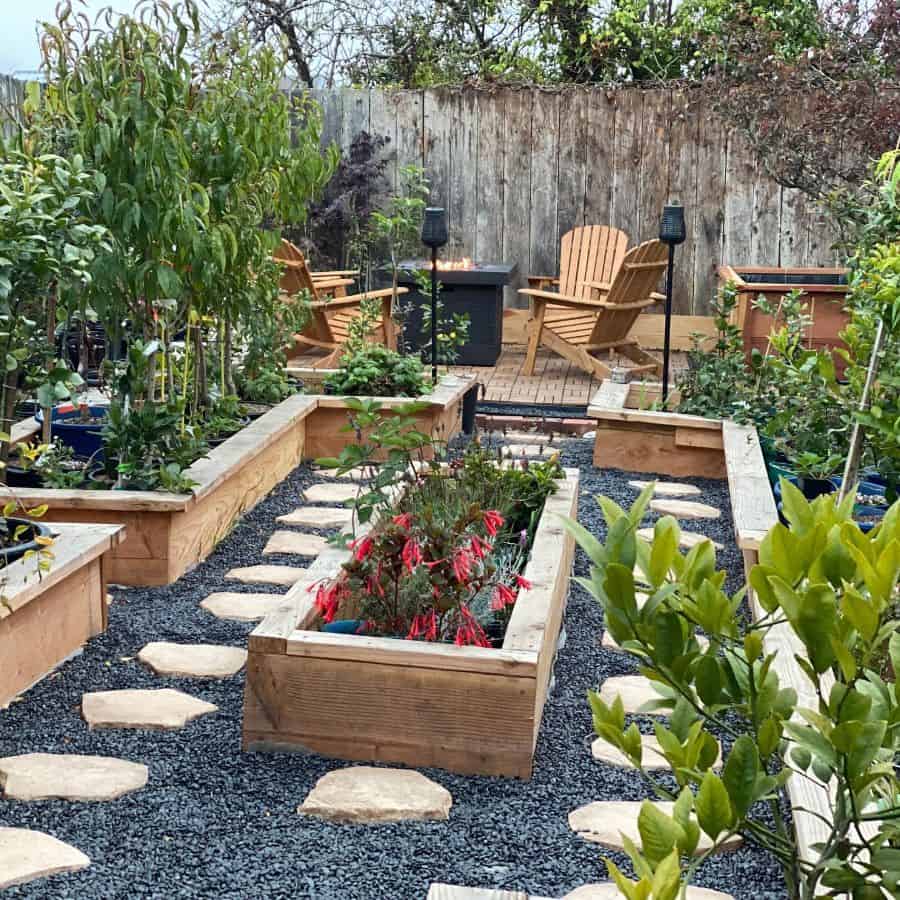
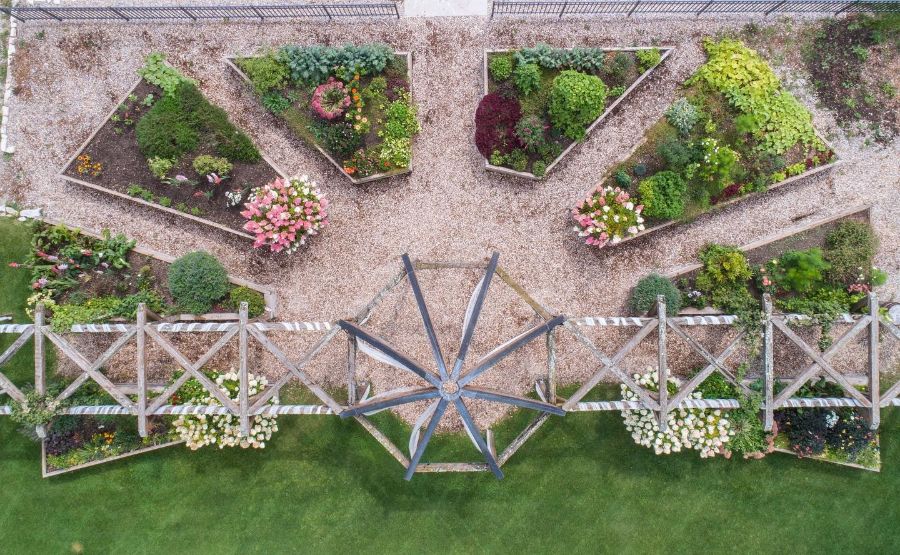
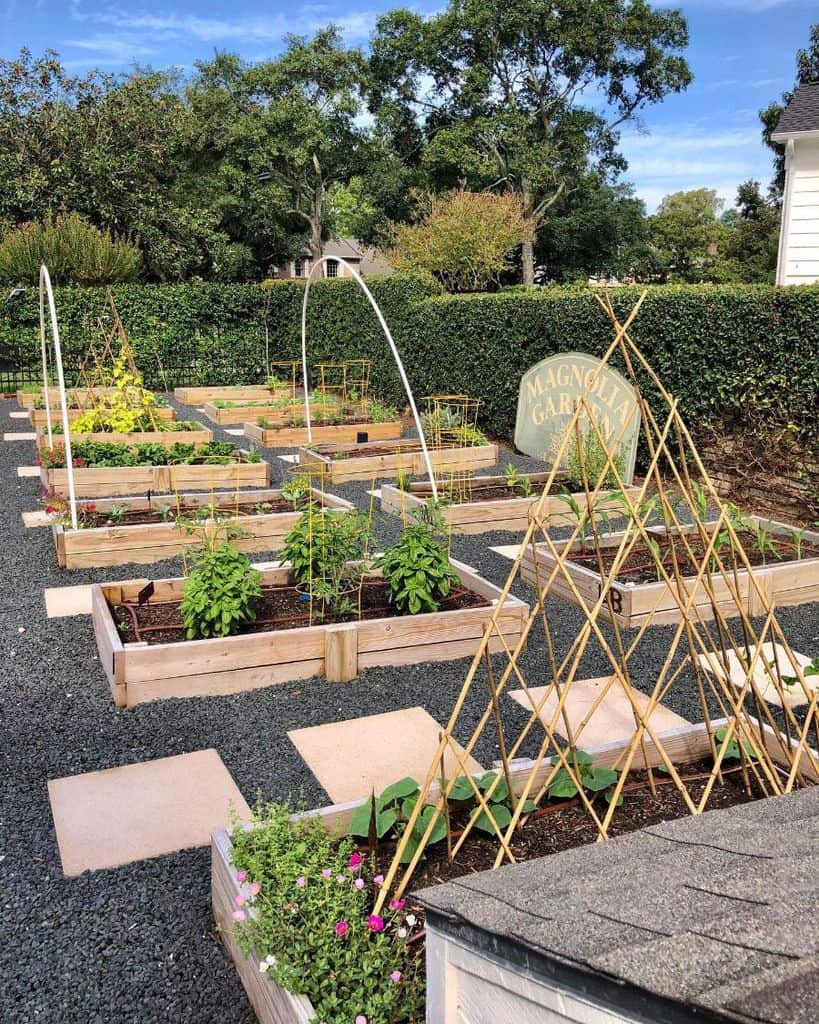
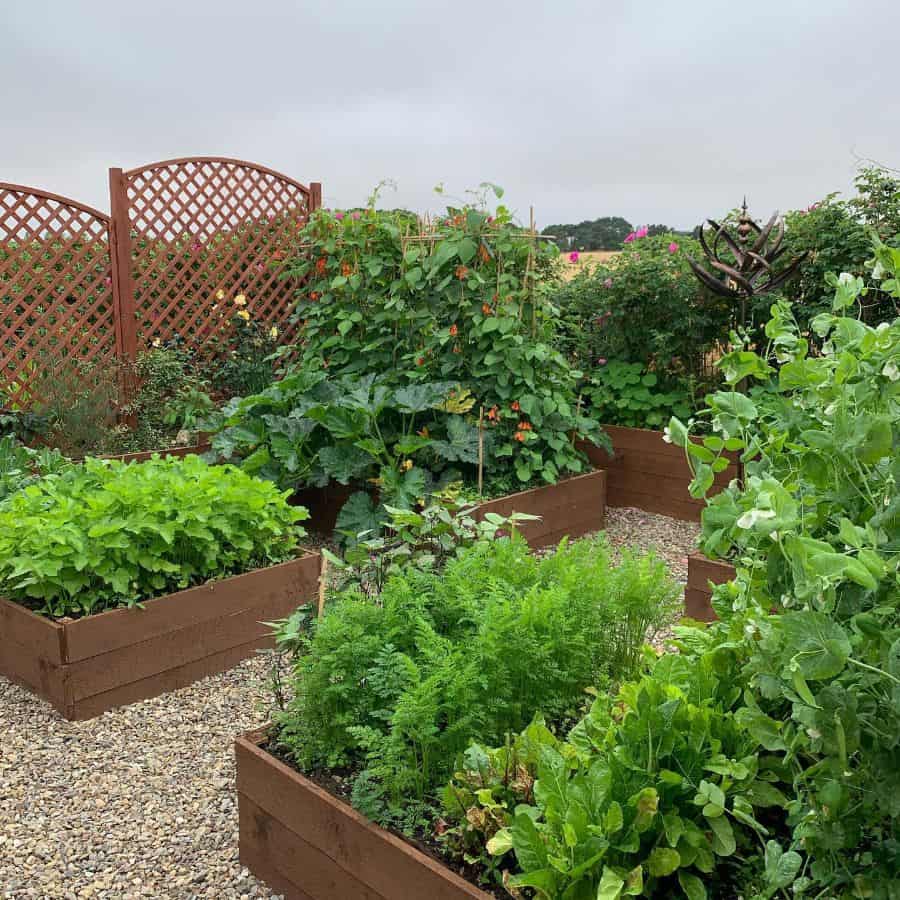
How you decide to lay out your raised bed garden will really come down to the size of your yard and how much sun your plants need. Your garden design could be a single small container, or it might include multiple planters arranged all around your yard.
I always think it’s important to keep the size of your gardening area in proportion with the size of your house and yard.
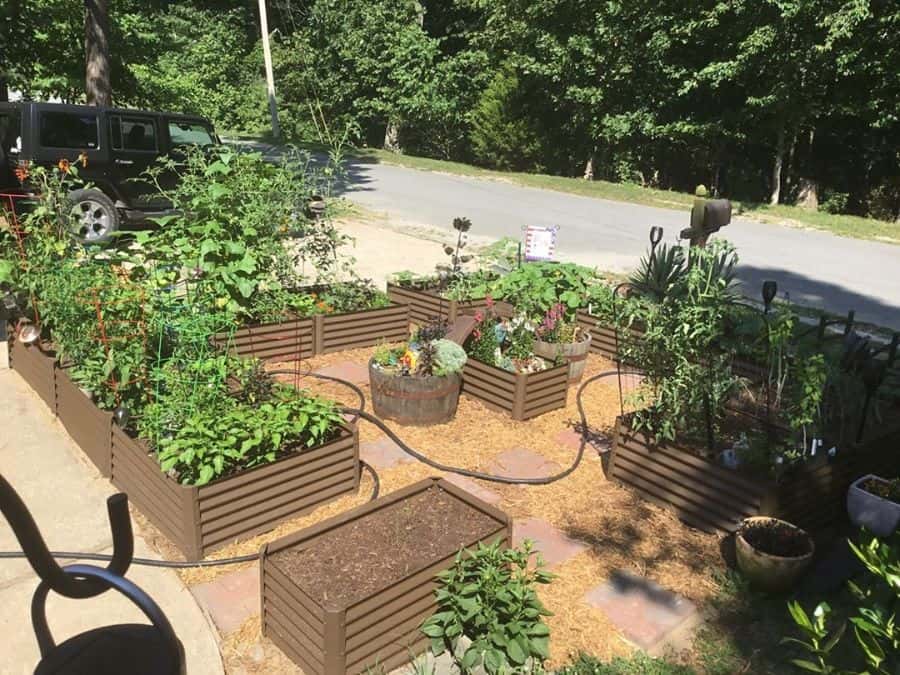
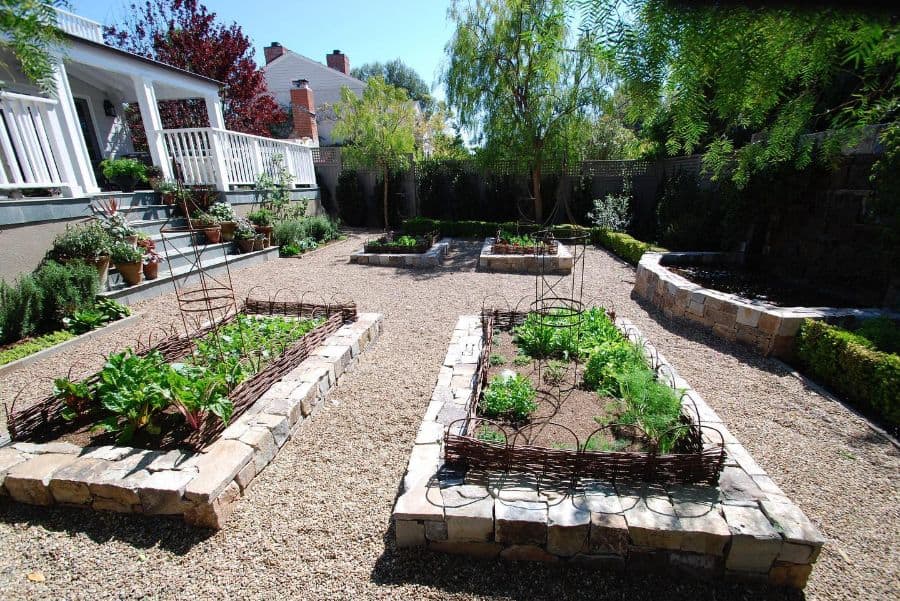
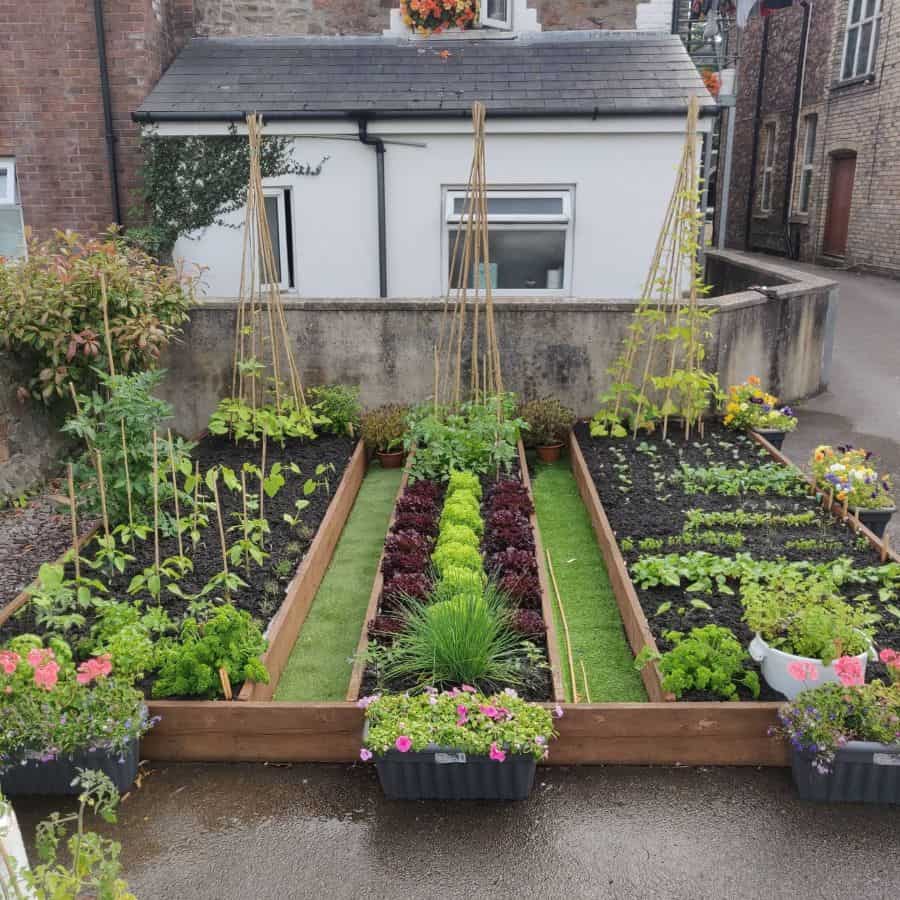
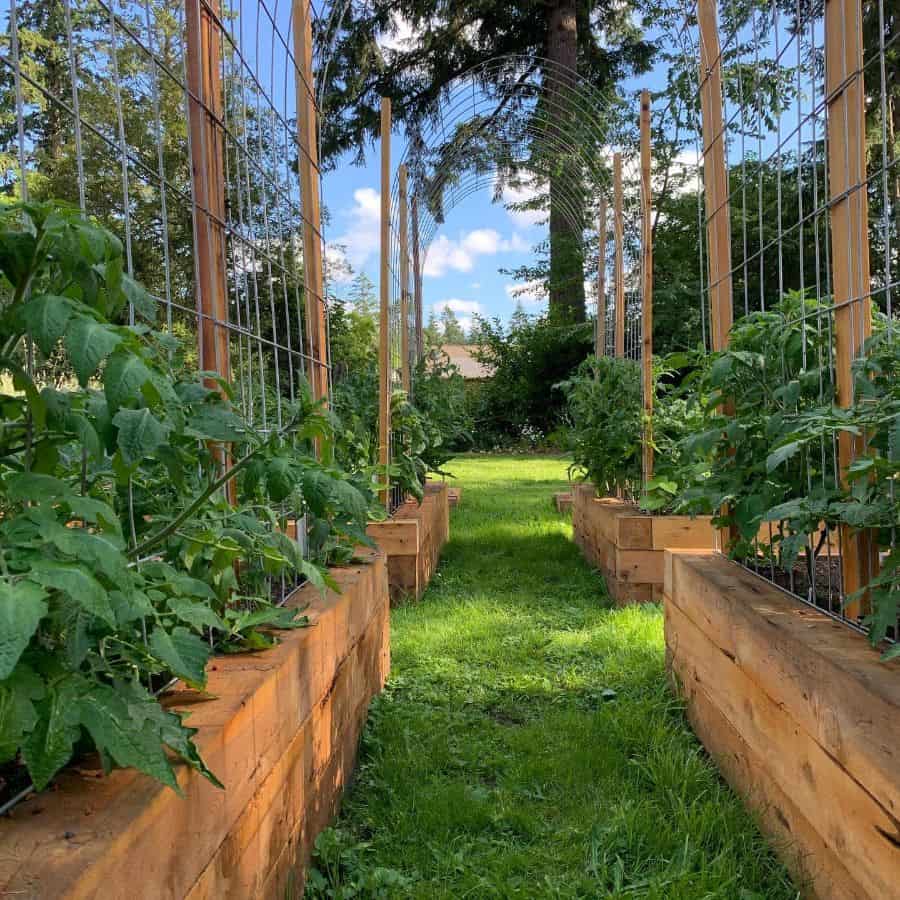
Don’t be shy about getting creative with your planter and garden design. You could arrange pie-shaped elevated garden beds around a central fountain or sculpture. To visually soften the edges of your growing space, try laying paths covered in grass between the garden boxes.
If you’d rather not deal with mowing grass paths, you can cover the ground with landscape fabric and then top it with a thick layer of beautiful mulch or gravel.
11. Farm-Friendly Concepts
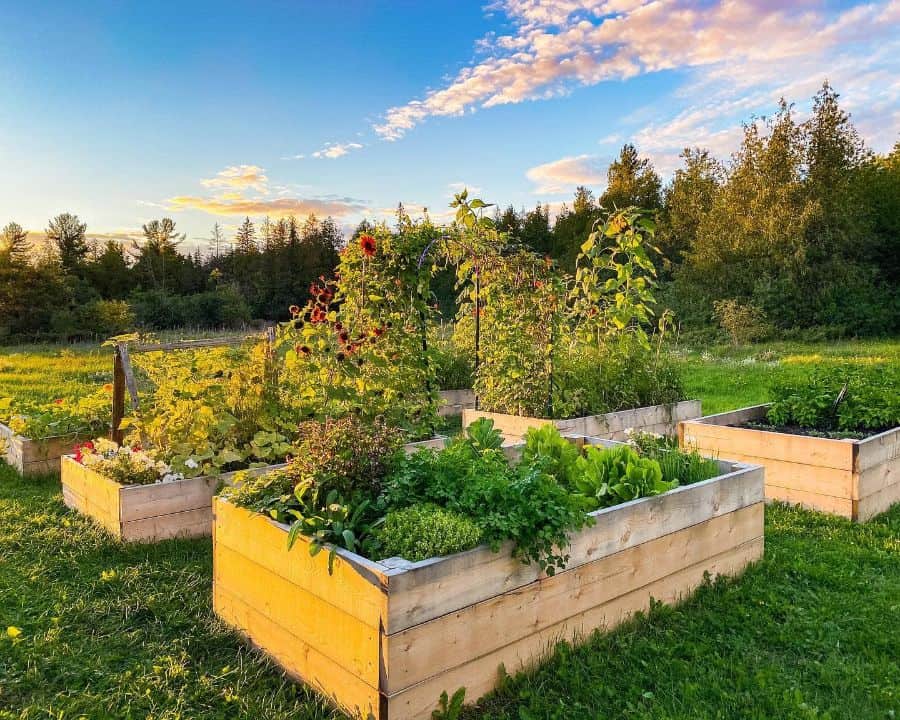
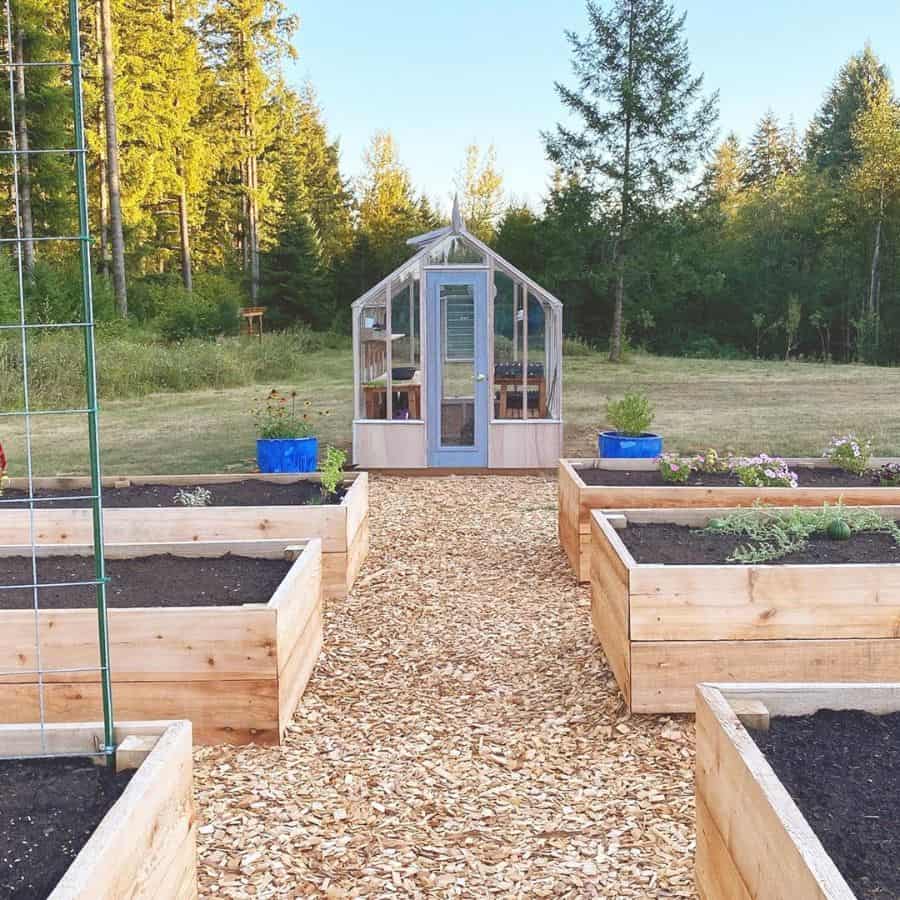
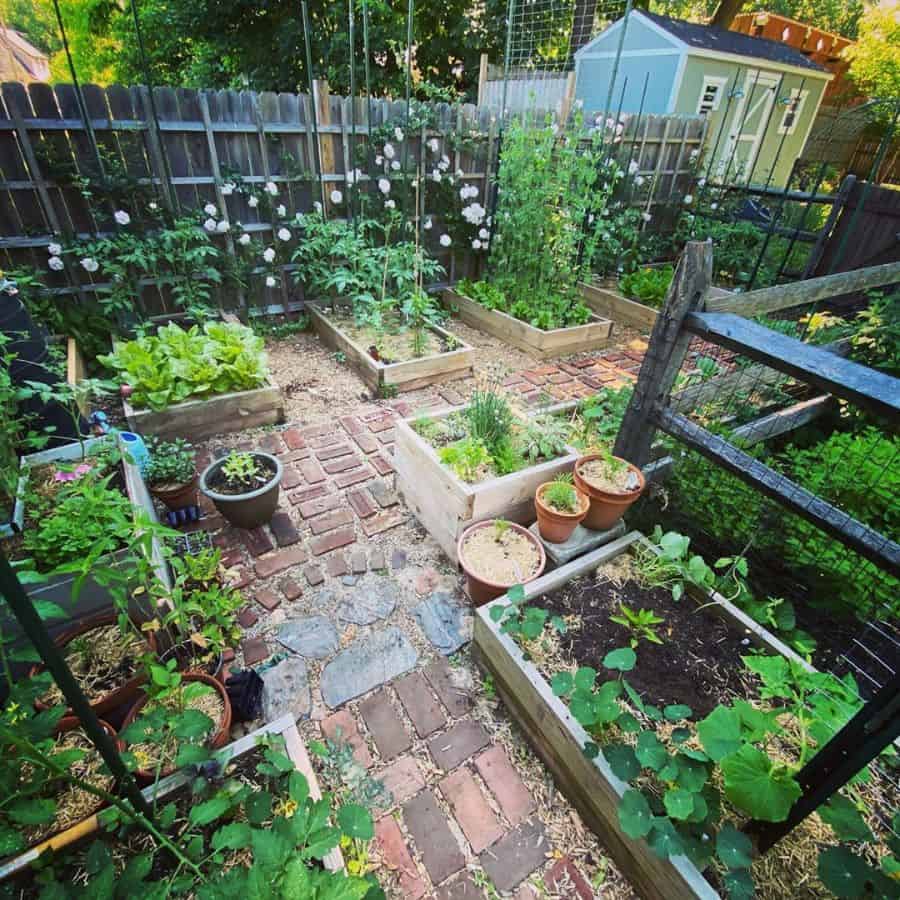
Raised bed gardening is just perfect for the small backyard farms we’re seeing so much of today. Instead of the classic in-ground rows for different vegetable varieties, raised garden boxes can house each type of vegetable separately.
These neat grids of raised beds are so much easier to manage and navigate than the old-style vegetable garden rows.
If you have animals as part of your backyard farm, raised garden boxes are a great way to protect your valuable edible plants from turning into a snack. You can shield your vegetable or herb garden from birds, rabbits, raccoons, and other wild critters with a removable pest gate or some wire caging.
These structures keep your plants safe when you’re not there, but they’re easy to remove when you need to tend to your garden.
12. Vertical Appeal of Trellises
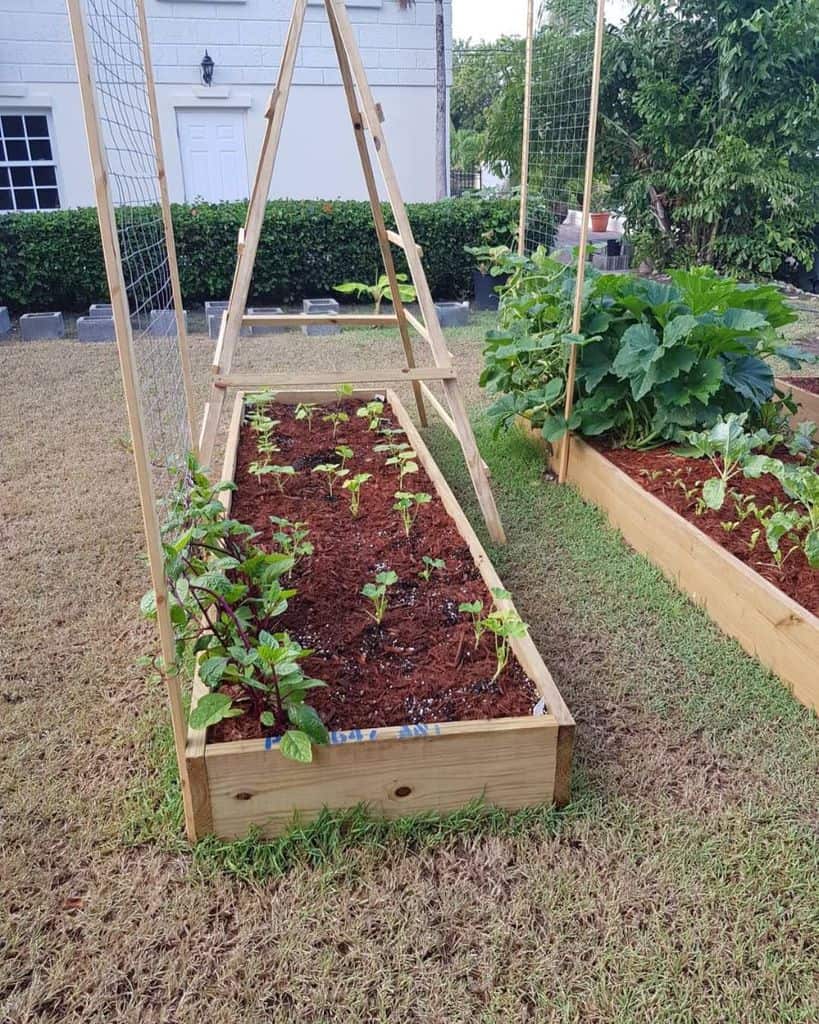
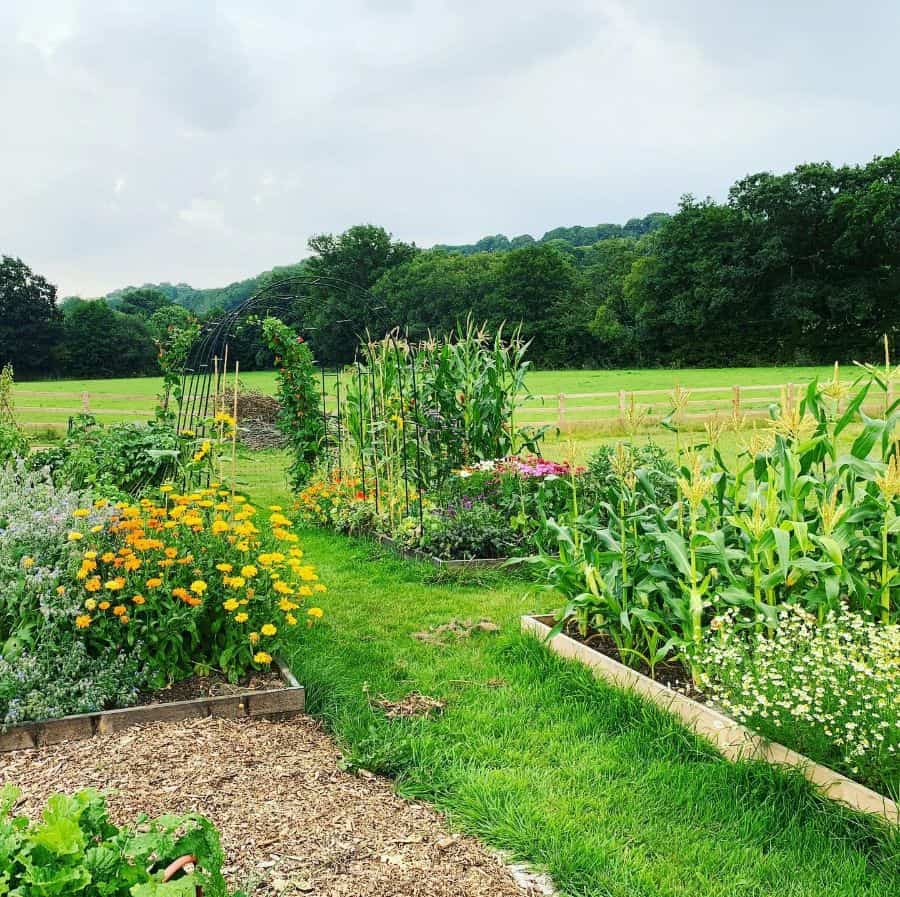
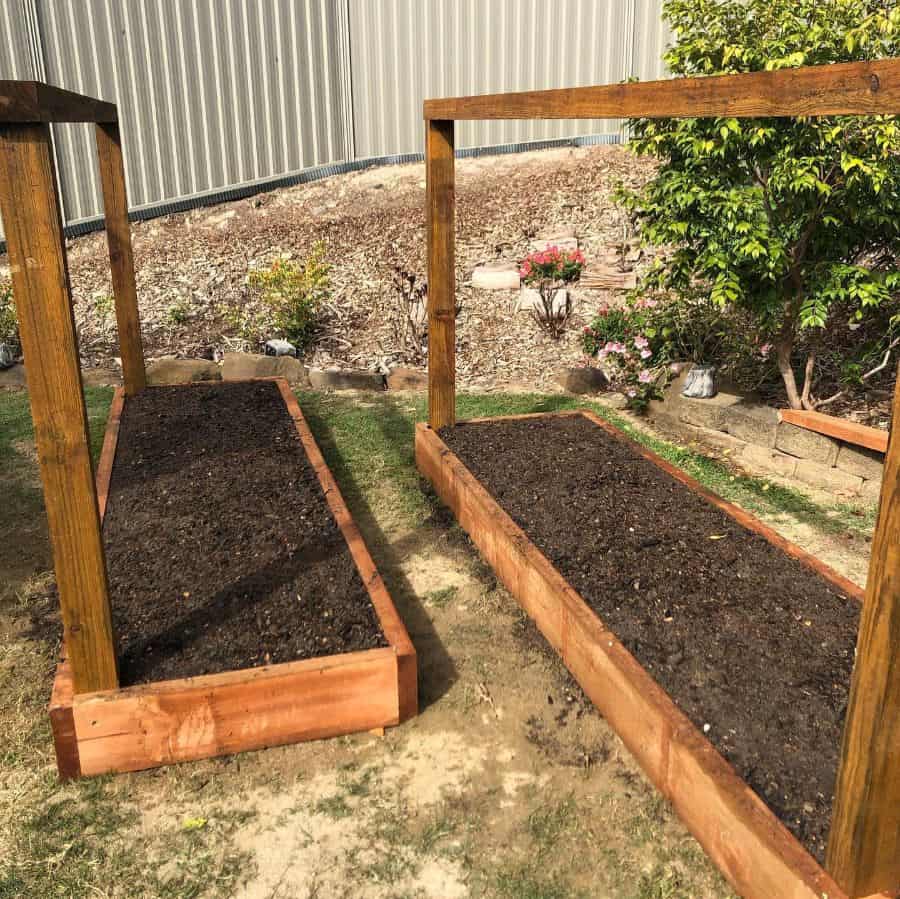
If you’re dreaming of planting climbing roses, green beans, morning glories, or any other climbing vines, you’ll definitely need a trellis for your raised garden bed. A trellis can be that classic grid shape placed between the raised bed and a fence or wall.
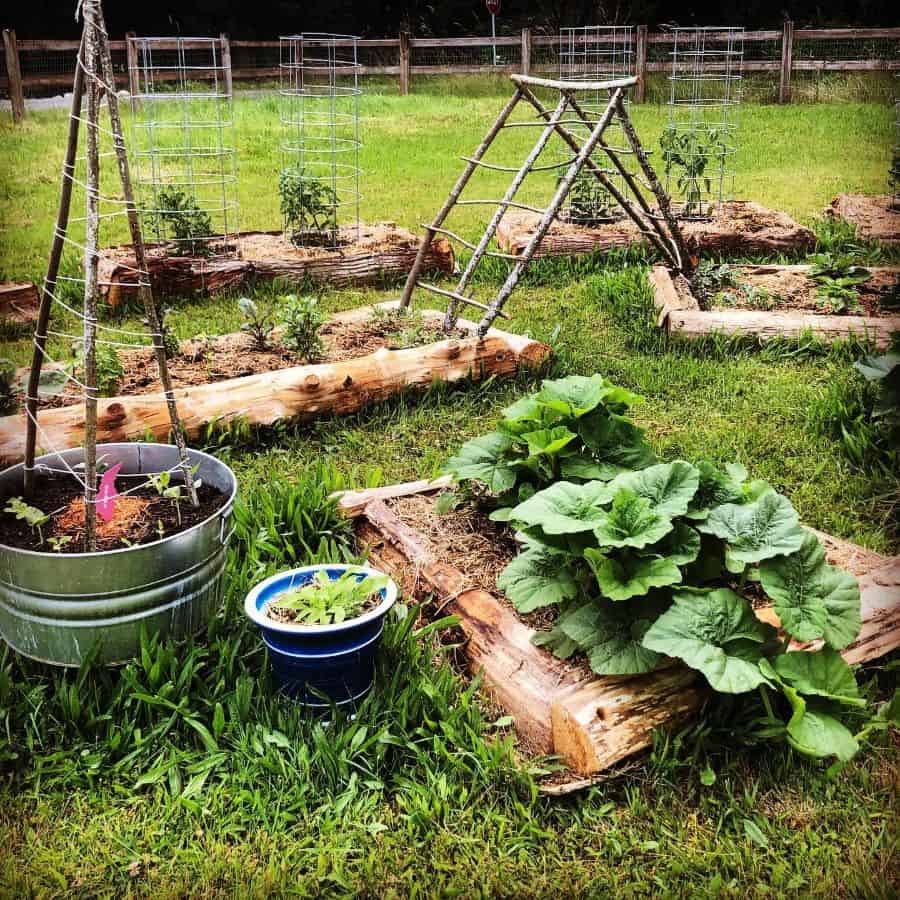
Or, it can be a teepee-like structure, which I love, made from poles that radiate from the edges of a round planter and meet at the top.
Climbing plants bring so much visual interest to a raised bed garden, whether you’re using them to grow flowers or vegetables. You can create a natural barrier between two garden boxes simply by putting a trellis between them.
Within a few months, your vines will have grown to create a beautiful green wall between the two areas.
13. Space-Savvy Options
In some respects, a small raised garden bed is the easiest kind to manage. Even though your vegetable harvest might not be huge, it’s so much easier to fill up those smaller beds.
A smaller garden bed also means fewer weeds, which makes your daily maintenance a much quicker task.
Small raised garden boxes are also a more economical choice than having a series of large raised beds. A keyhole garden, which is shaped like a pie with one slice cut out or like a boxy “U”, is a great example.
I’m always amazed by how these smaller raised beds can hold a surprisingly large number of plants.
14. Landscape Enhancements
Raised garden beds can fit so nicely into just about any landscape. If you are a fan of the basket look, you can make your raised gardens from woven wattle. This attractive raised garden bed idea is made from twigs woven together in a basket-weave pattern.
I love how their circular shape adds so much beauty to the landscape, and you can even use teepee trellises to support any climbing plants.
To bring some creativity to your garden plan, try alternating the materials you use for each garden bed. For example, you could place a round galvanized container garden between two wooden garden boxes.
You can make a wooden bed garden from recycled redwood, repurposed wood pallets, or even treated lumber that’s designed for this. I would just avoid using recycled railroad ties since they can leach harmful chemicals into your soil.