Often times, people never consider a Zen garden because they THINK it would be too hard or expensive to create. There are so many inexpensive and easy ways to do this, and I find that most people are surprised when I tell them just how affordable it is to get a gorgeous, updated look.
Today I’m walking you through how to select the perfect style and sharing images of ideas that will instantly update your home.
1. Simplified Serenity
If you’re worried that this looks like a huge, complicated project, I have some seriously good news for you! I think this is one of the easiest DIY landscaping projects you can tackle.
I love that all you really need to get started is some sand, a handful of stones, and a vision for your space. It’s a fantastic way to get a big impact without a massive effort.
You absolutely do not need to hunt for anything rare or expensive. In fact, this is where you can get really creative. I love repurposing stones from a past landscaping project.
You’d be surprised what you have lying around! You can even check out building and recycling centers, which sometimes have old rocks from construction that work perfectly. What a smart way to get the look for less!
When it comes to plants, containers are a wonderful choice. Plus, you can set your planters right on top of the sand or gravel without any trouble.
A little tip I love is to go with younger plants. It’s a great way to save some money, and they’ll mature and fill in beautifully in just a year or two.
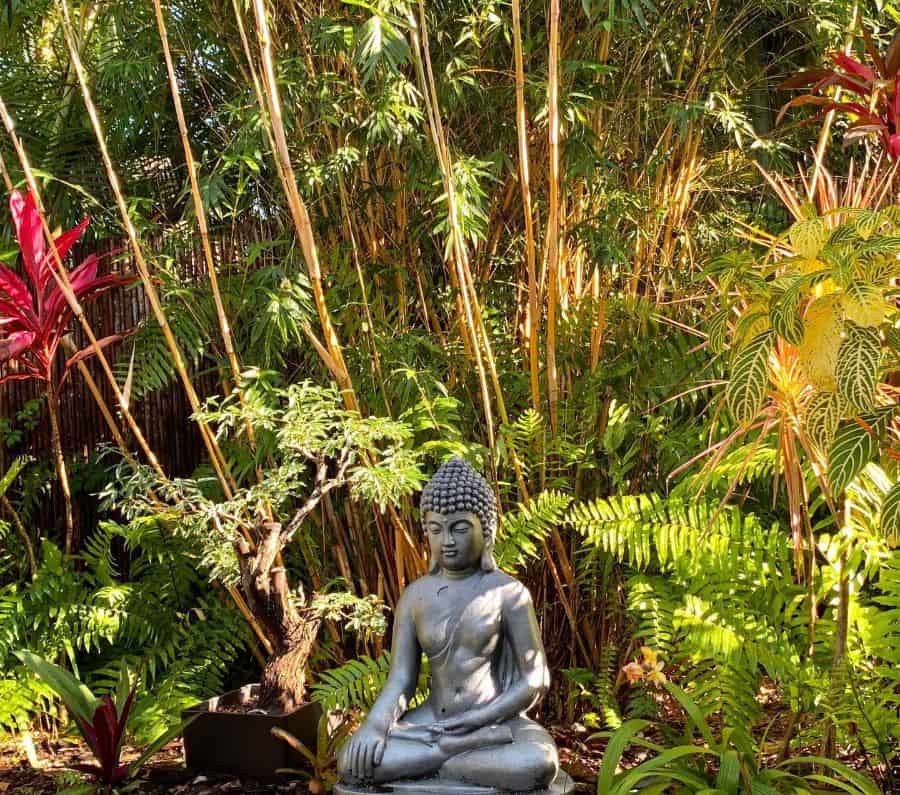
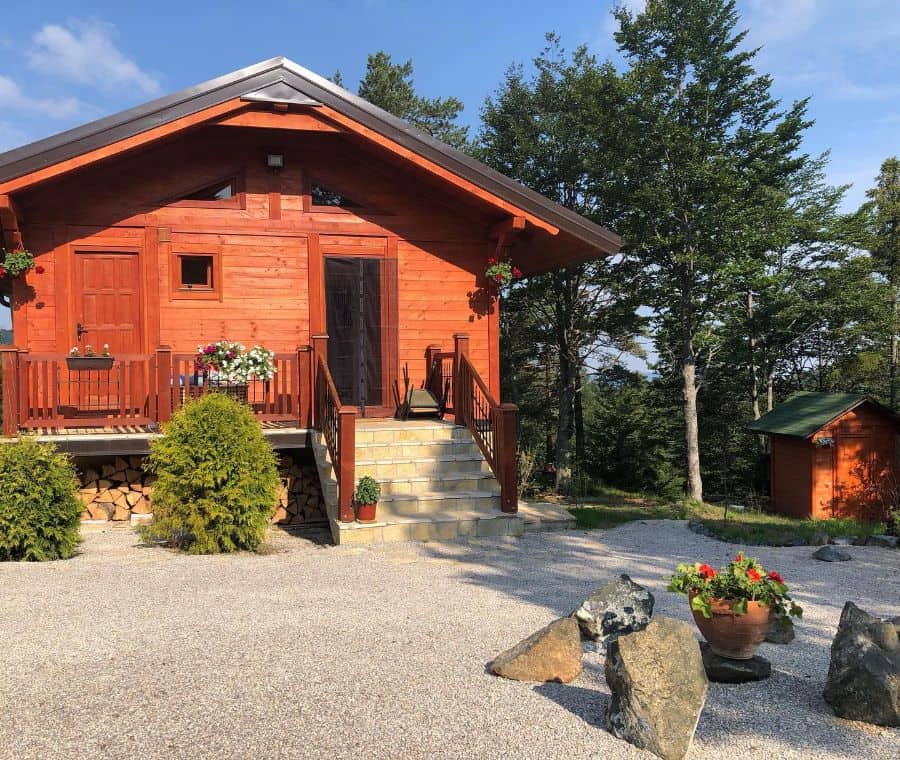

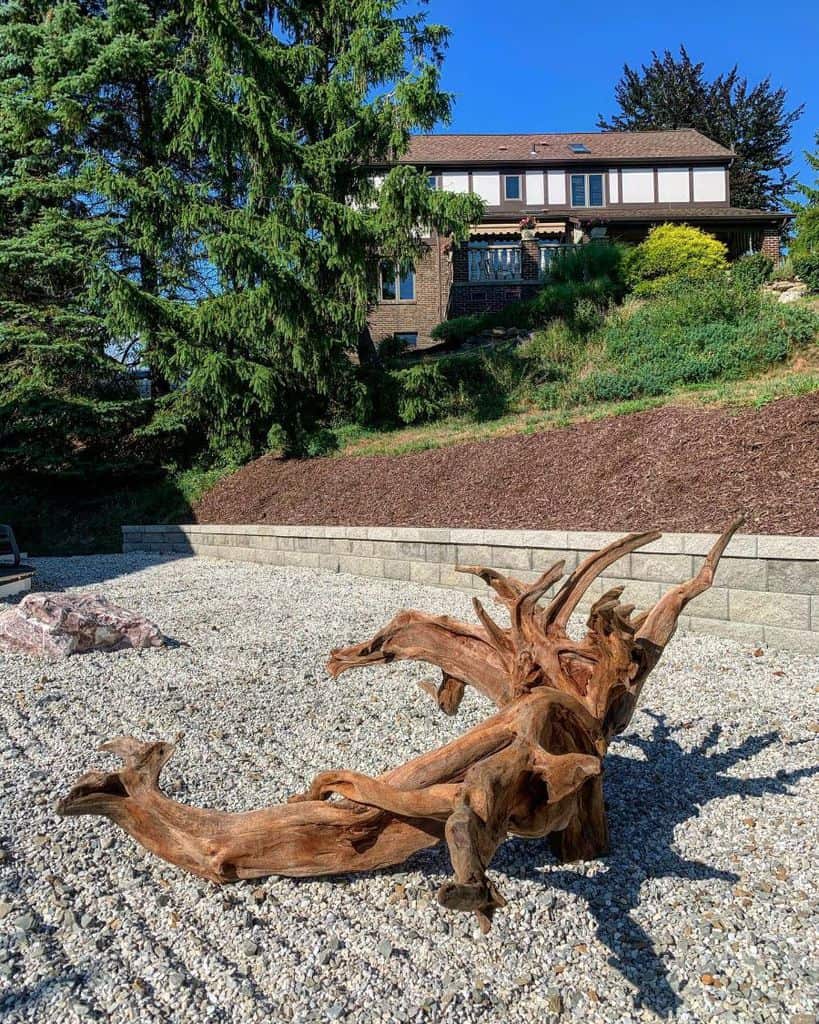
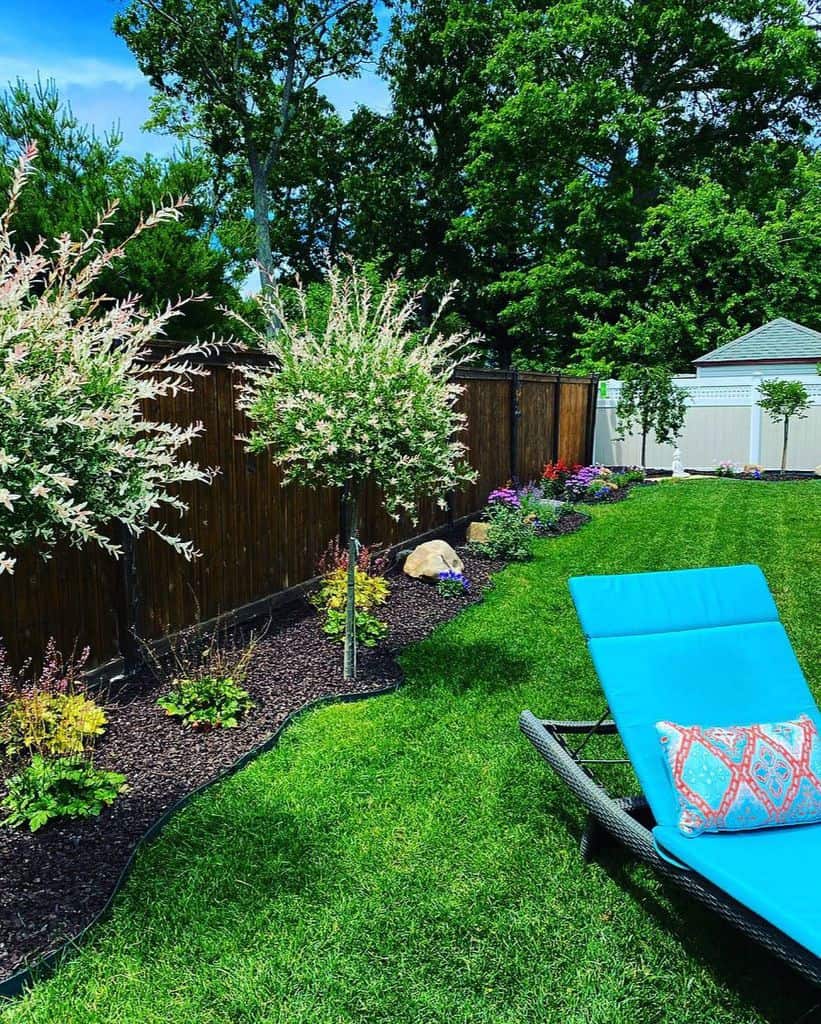
2. Enhancing Zen Garden Ideas
In today’s designs, it seems like Zen gardens and sculptures just go together perfectly. What’s interesting, though, is that famous Japanese gardens from the 16th century didn’t have any sculptures at all.
Of course, those gardens were often situated right next to Buddhist Zen temples.
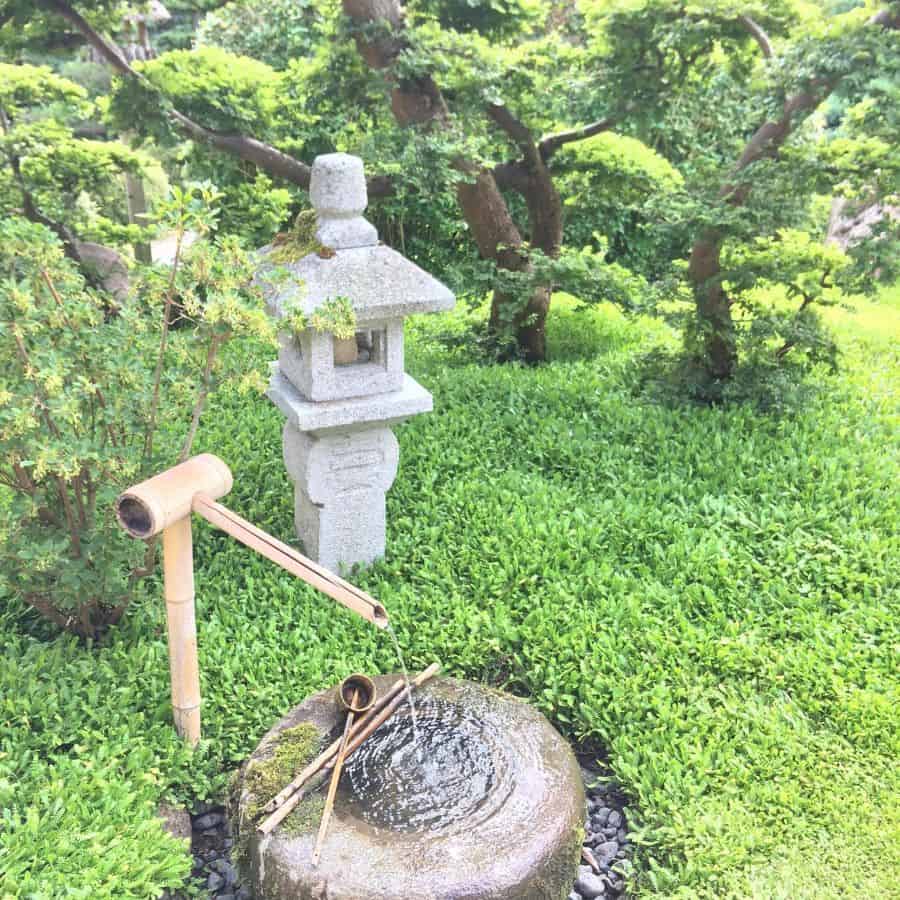
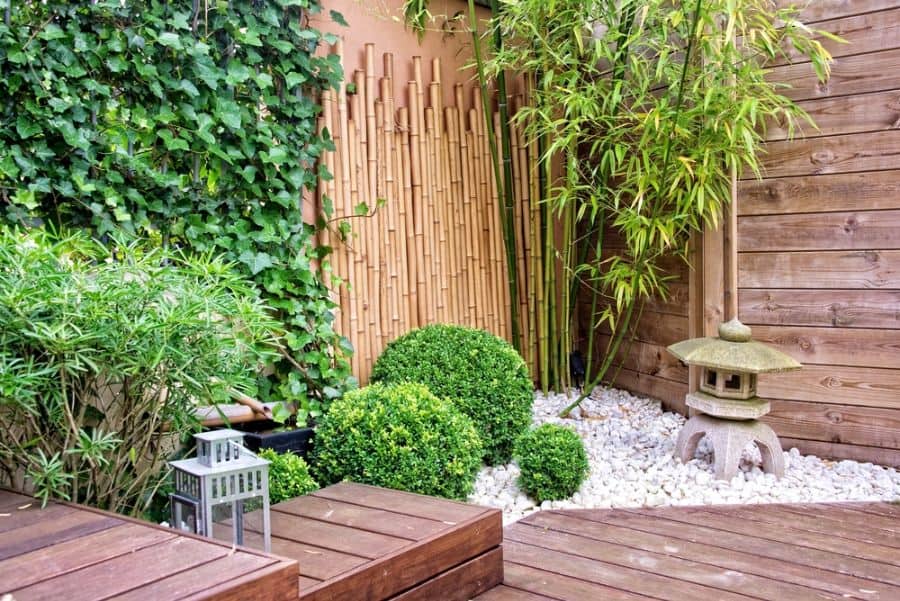
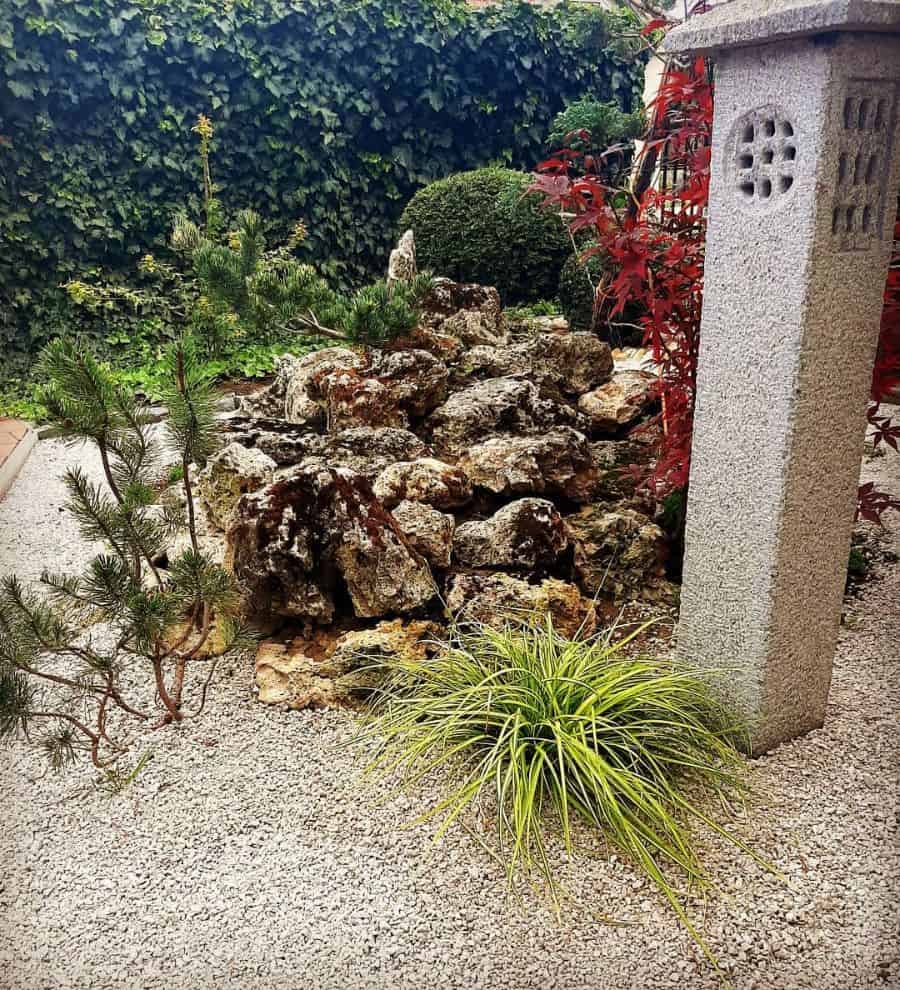
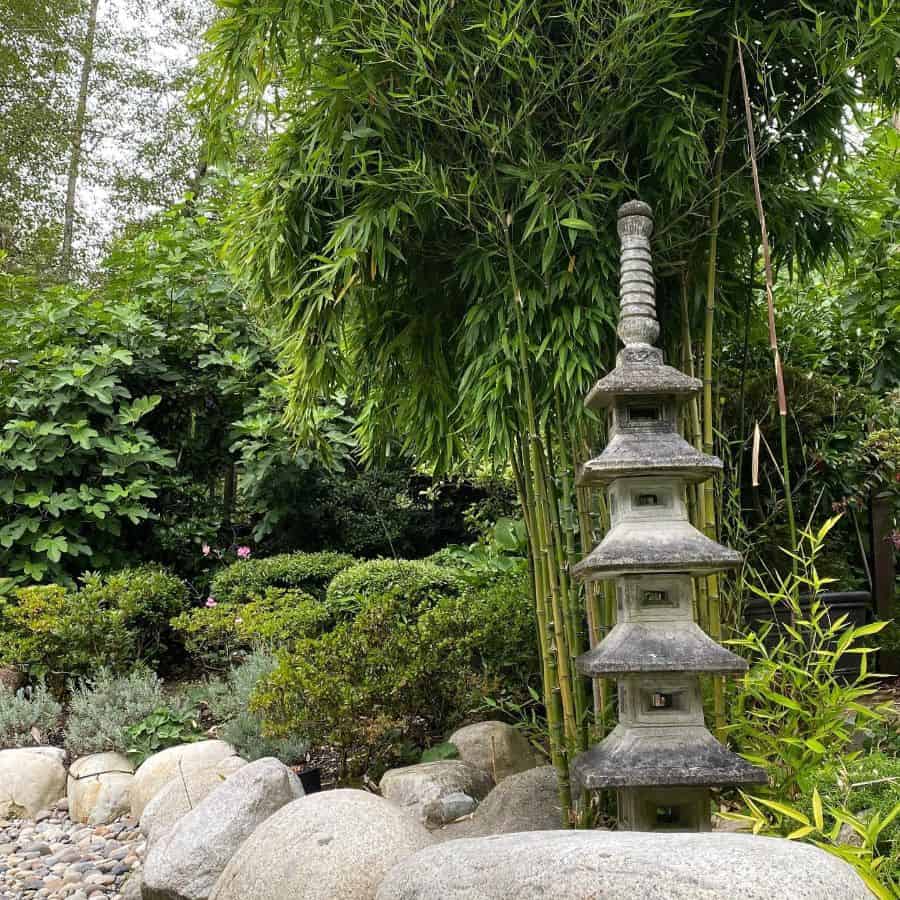
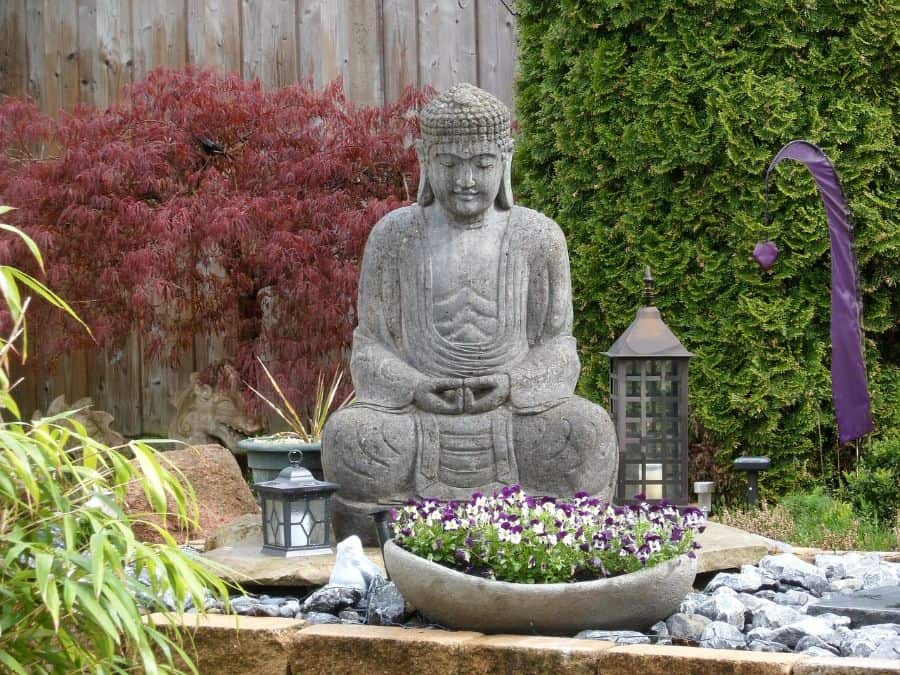
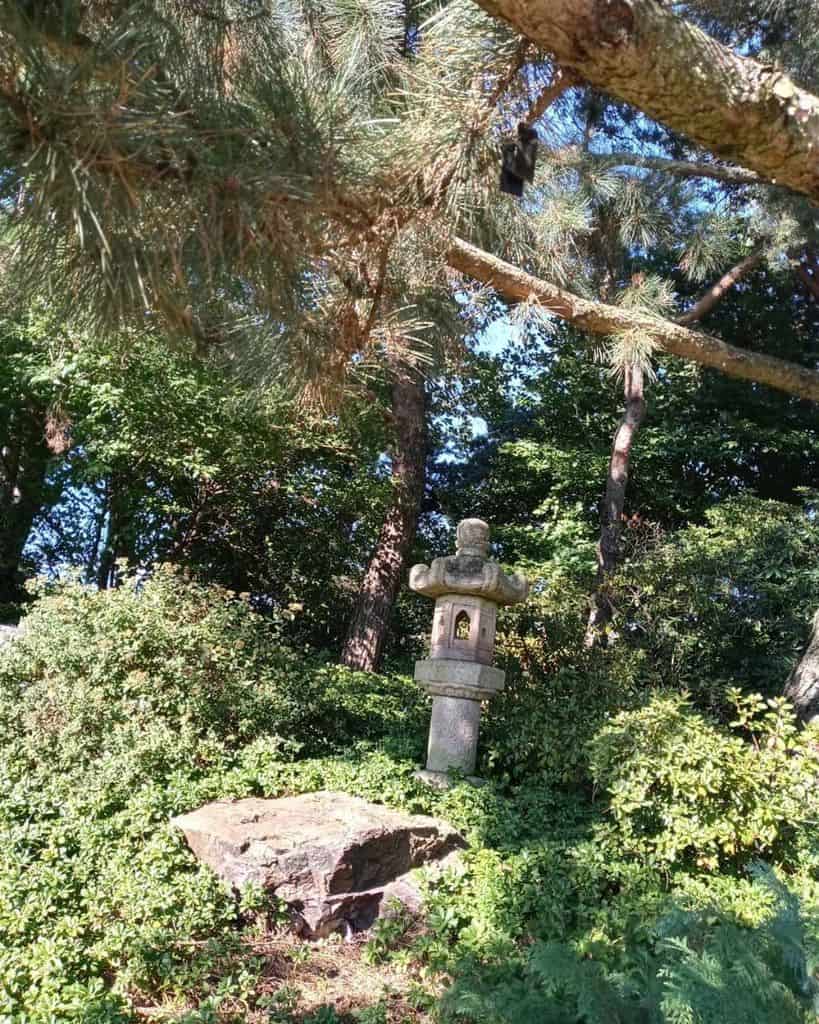
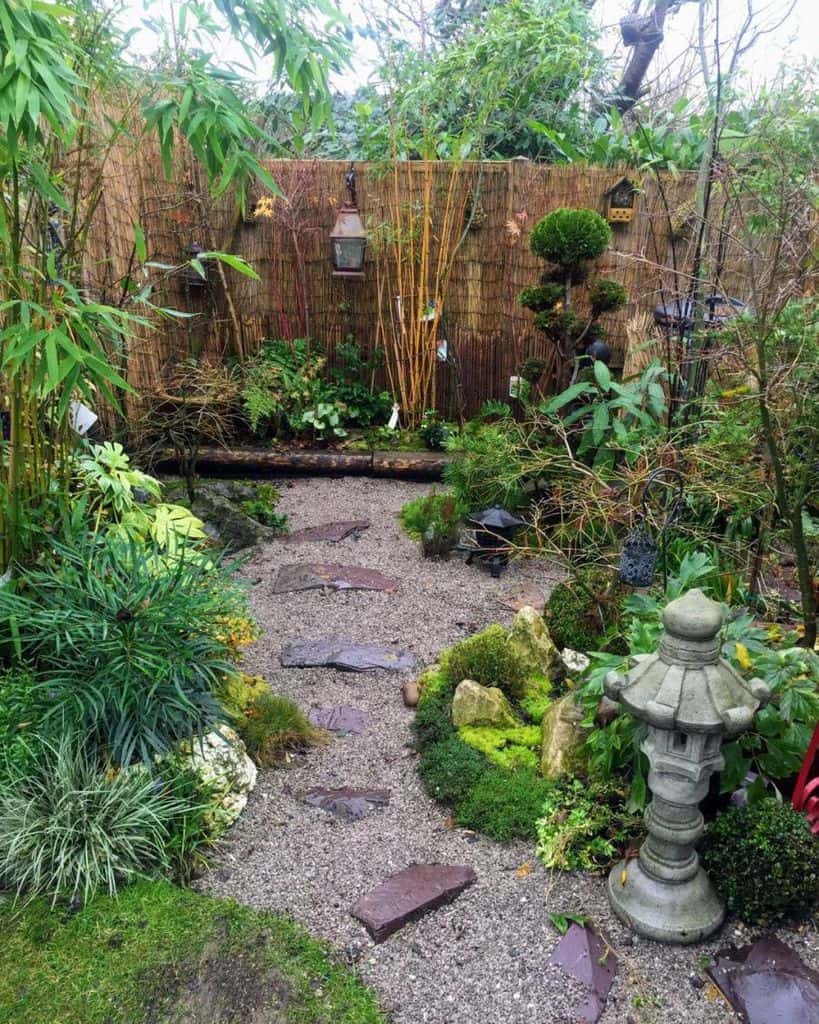
I personally think stone garden decor fits so well with the Zen aesthetic we love now. You could try using a beautiful stone lantern to light up a garden path instead of a typical metal or plastic one.
Other fantastic options are things like fountains, birdbaths, and ornamental sculptures.
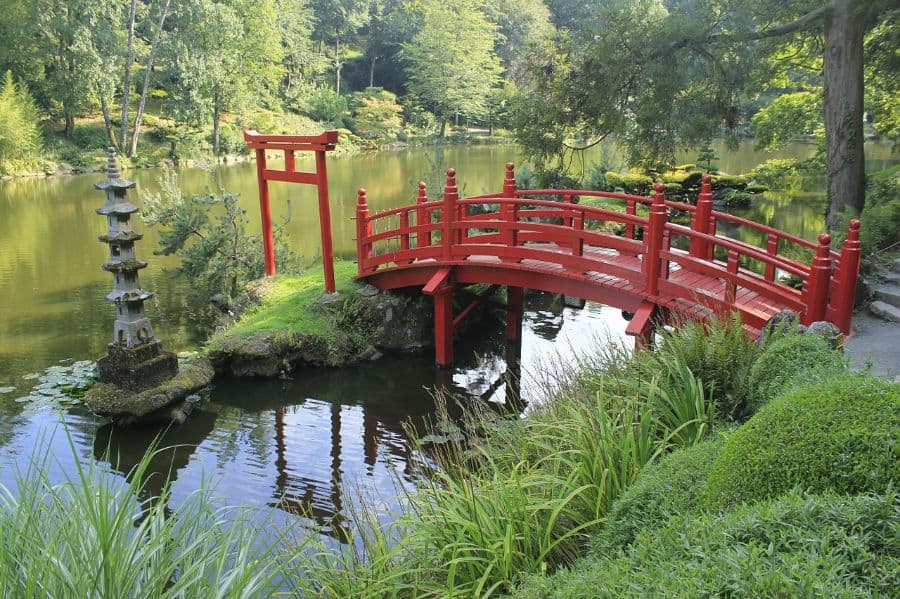
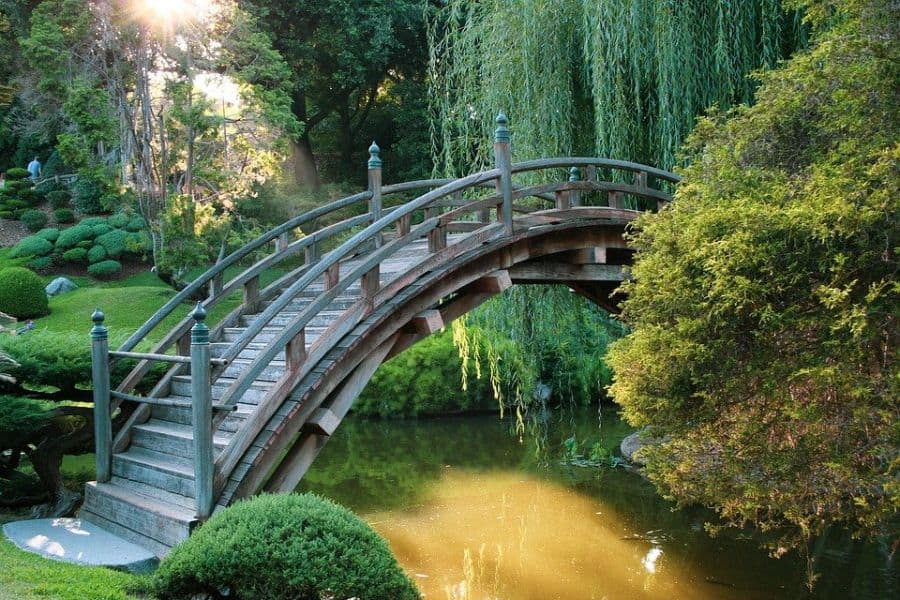
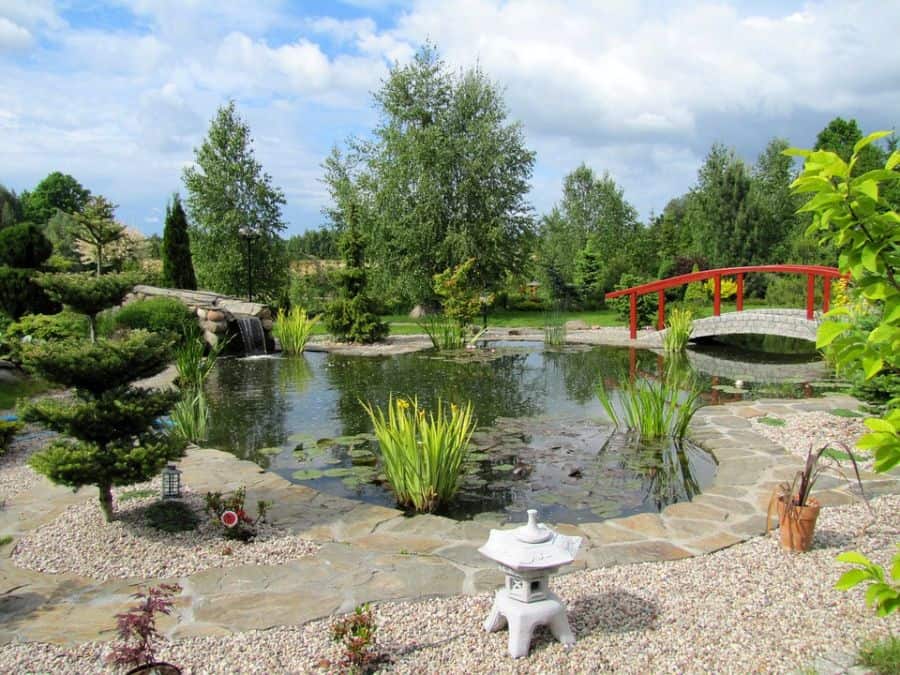
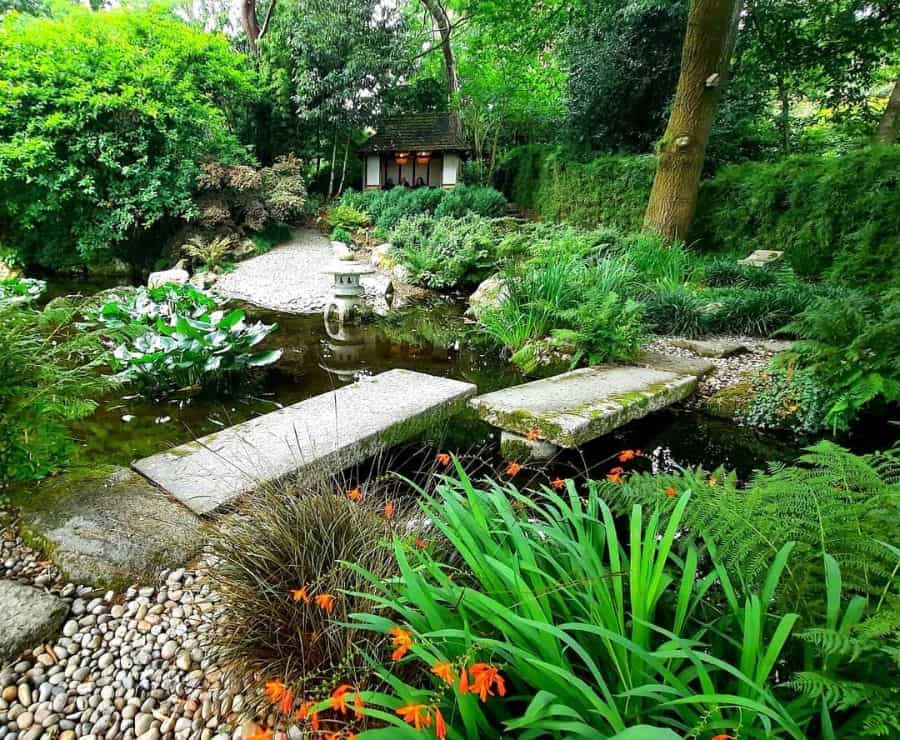
If your design includes a water feature, think about adding a small bridge. You can get inspiration from traditional Japanese bridges or go for a more contemporary look.
Either way, it’s a beautiful way to create a stronger connection throughout the entire space.


3. Nurturing Harmony
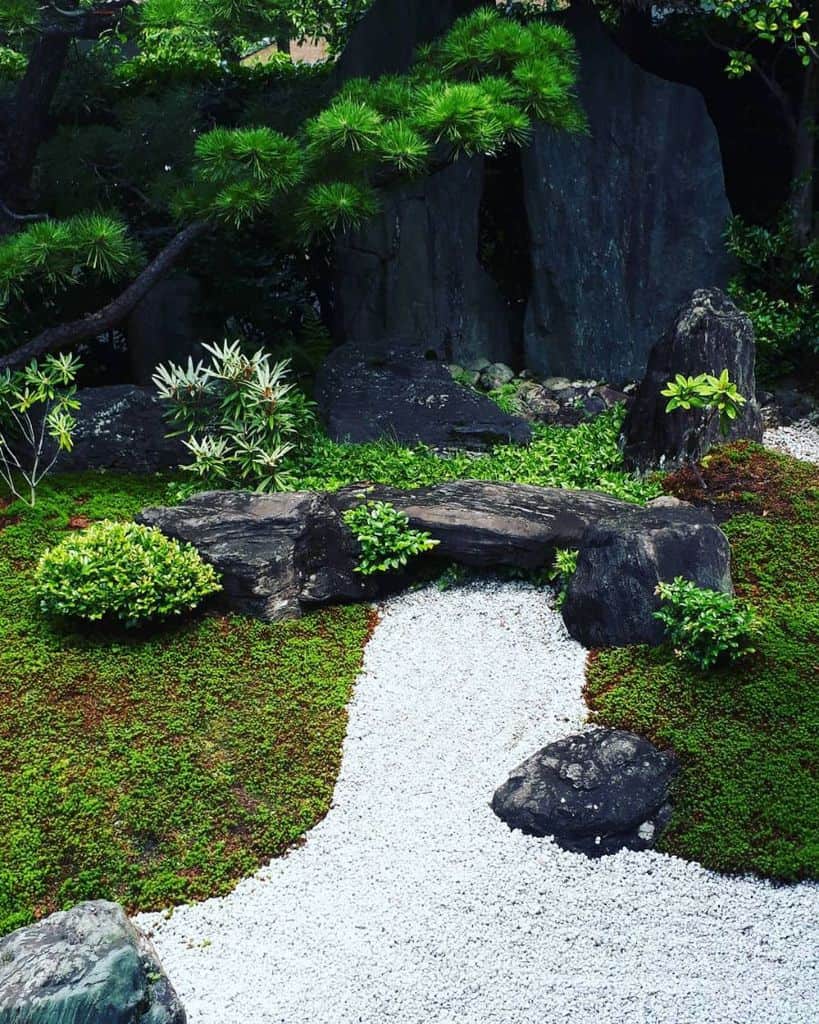
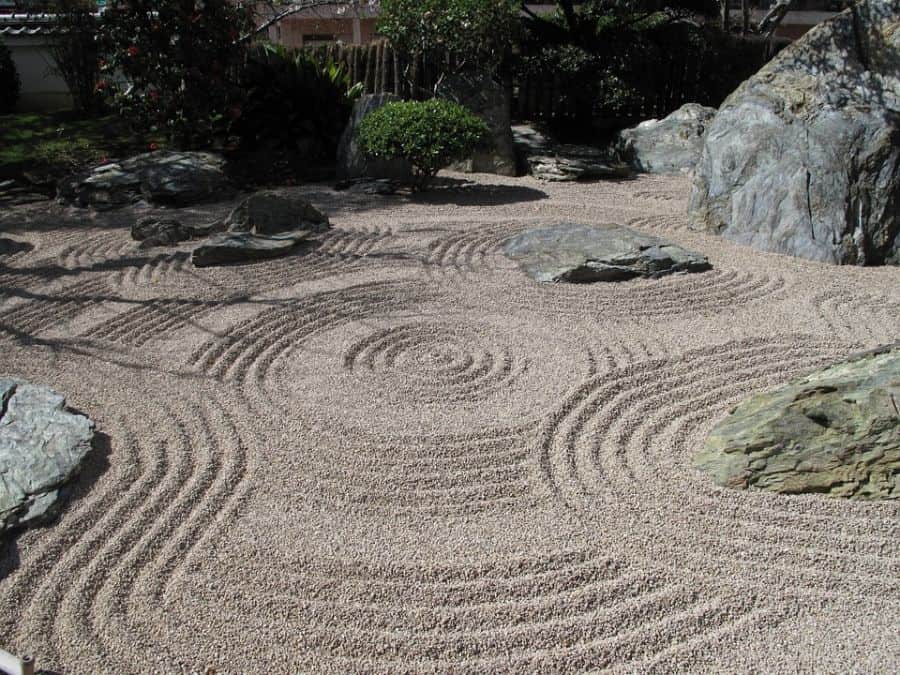
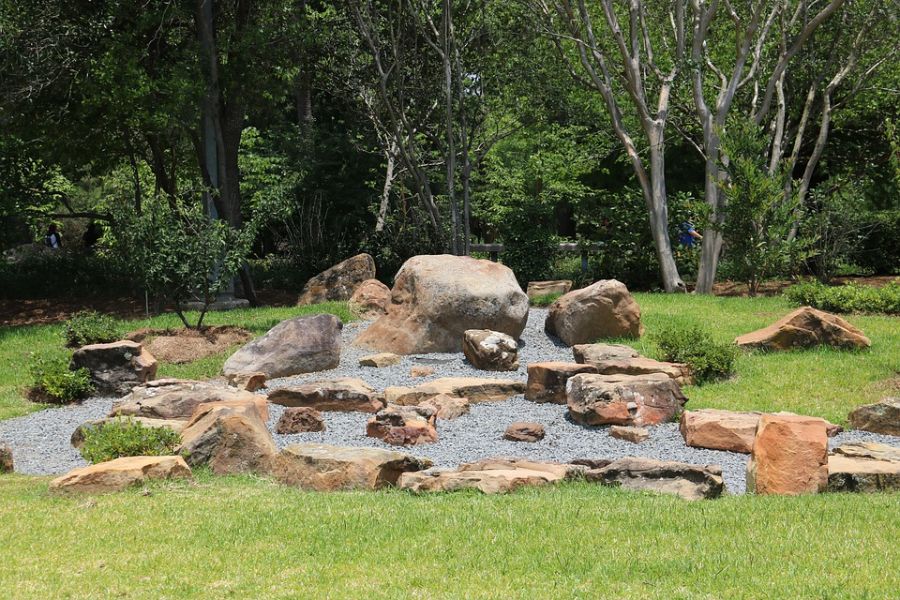
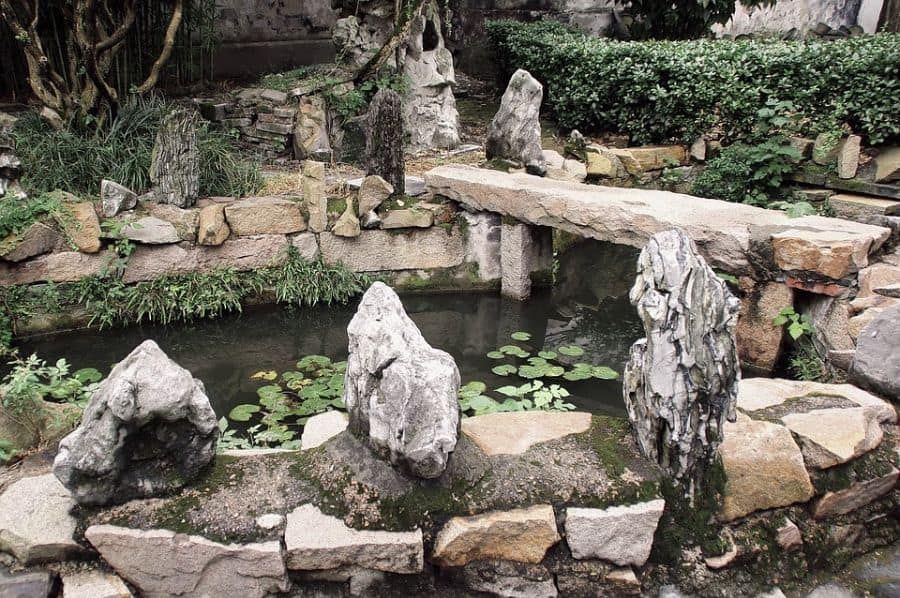
Using rocks for aesthetic reasons is one of the biggest trademarks of Japanese garden design. I love this idea. Large rocks can stand in for ornamental plants, which really brings the garden to “life” in a special way.
You can also use them to highlight that steady, immovable beauty that’s there with or without us.
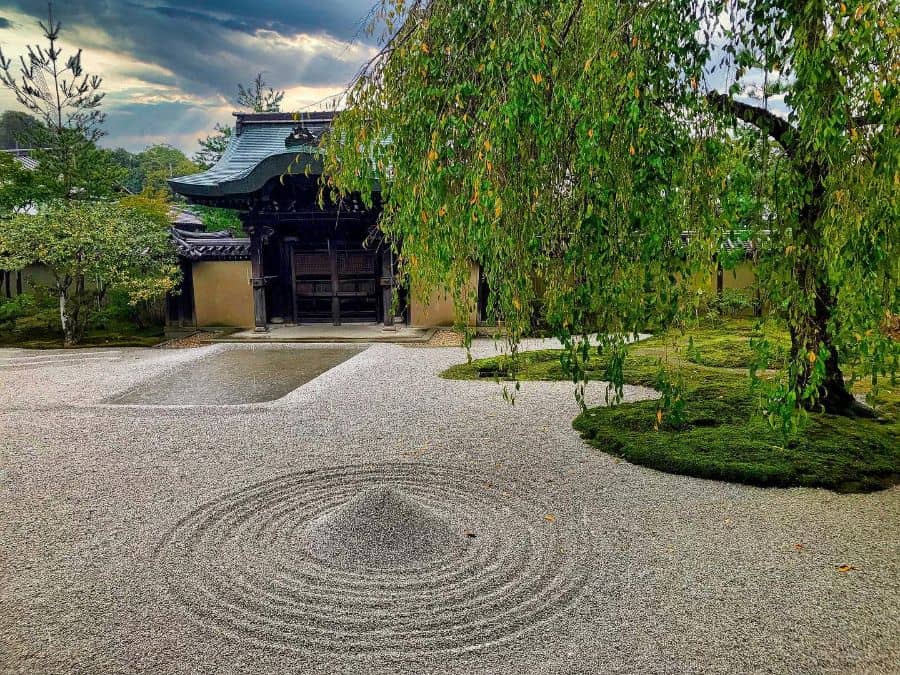
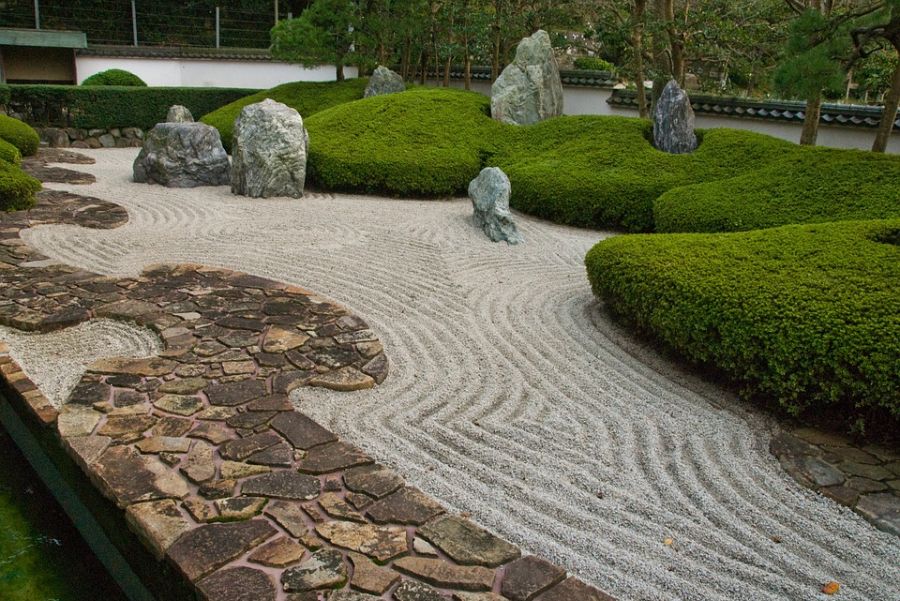
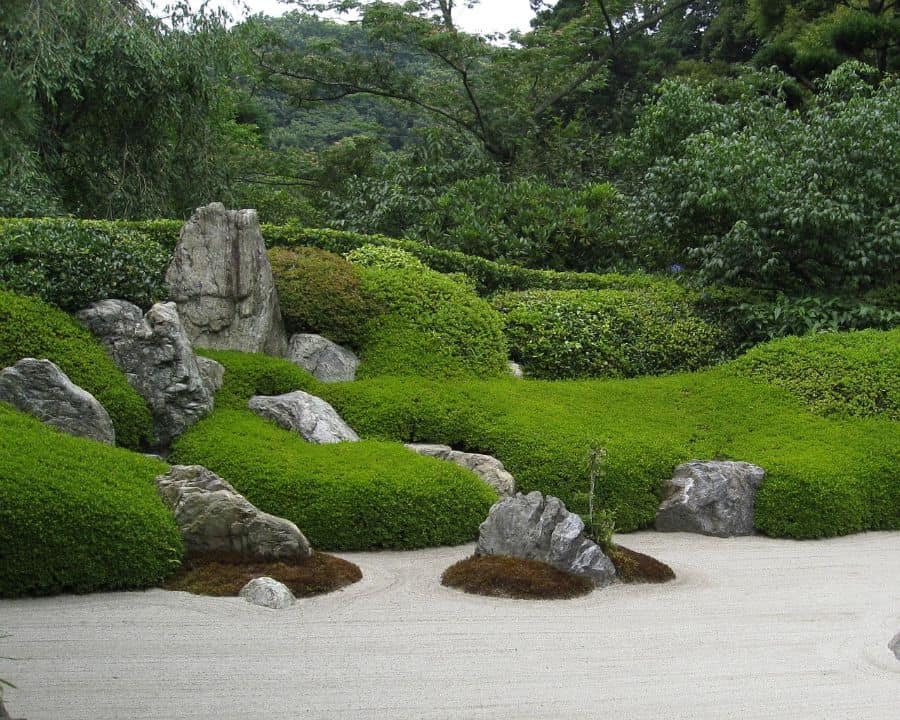
Big stones are perfect for breaking up a plot of raked sand or gravel in your Zen rock garden. If you’re hoping to add more greenery to your landscape, try arranging rocks on the edge of your garden surrounded by structured shrubs.
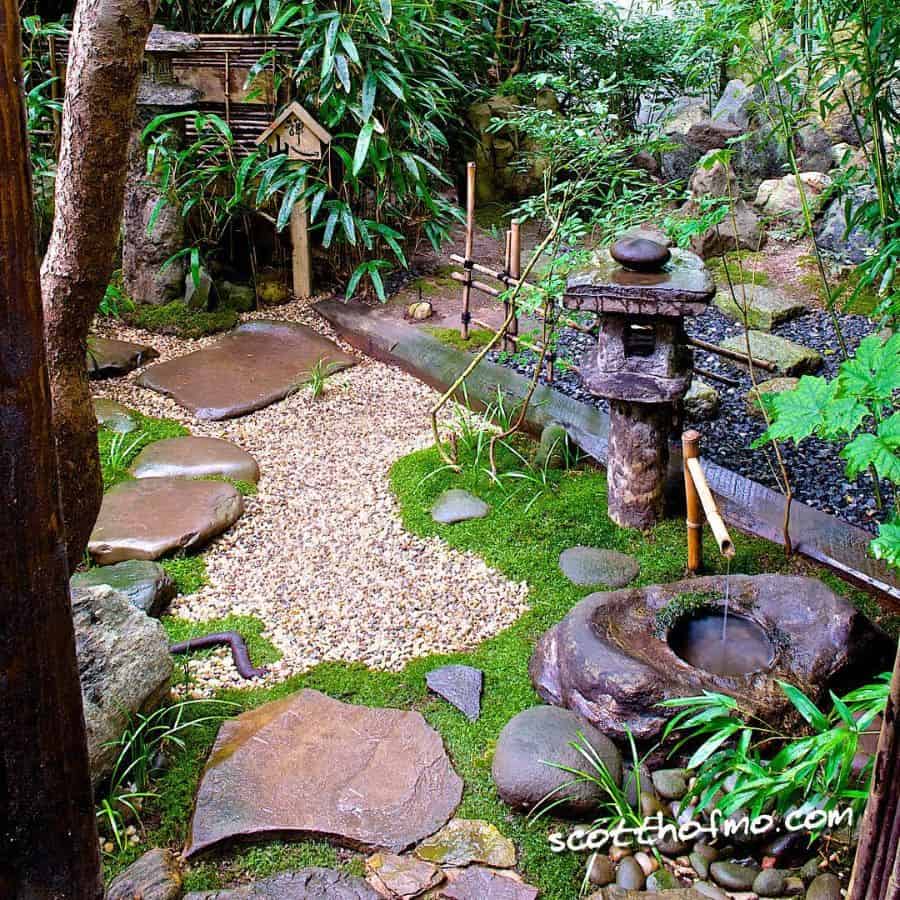
You can even grow moss on many stone surfaces if your climate allows it, which is such a beautiful touch.
On a side note, rocks can also be very functional in most landscapes. Using natural stone to create a path through your garden or to build a set of organic-looking steps up to a patio is a fantastic idea.
You can even use large boulders as a substitute for traditional fences or hedges.


4. Miniature Inspirations
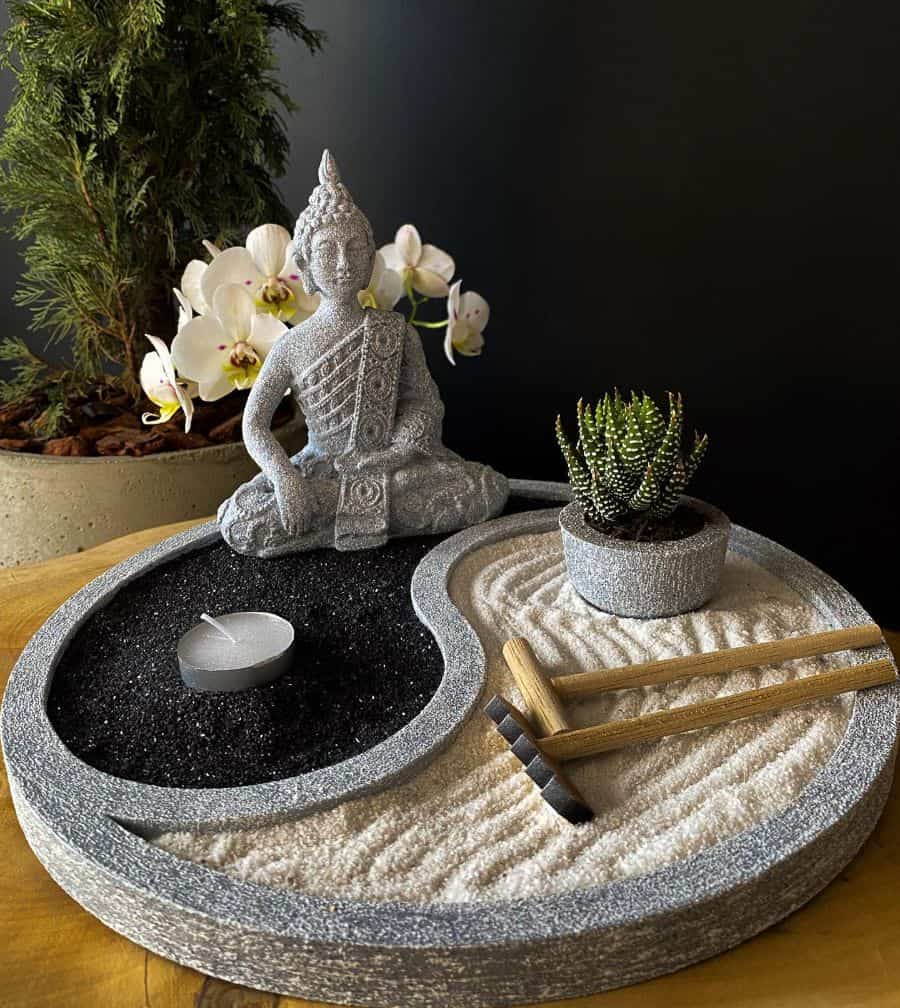
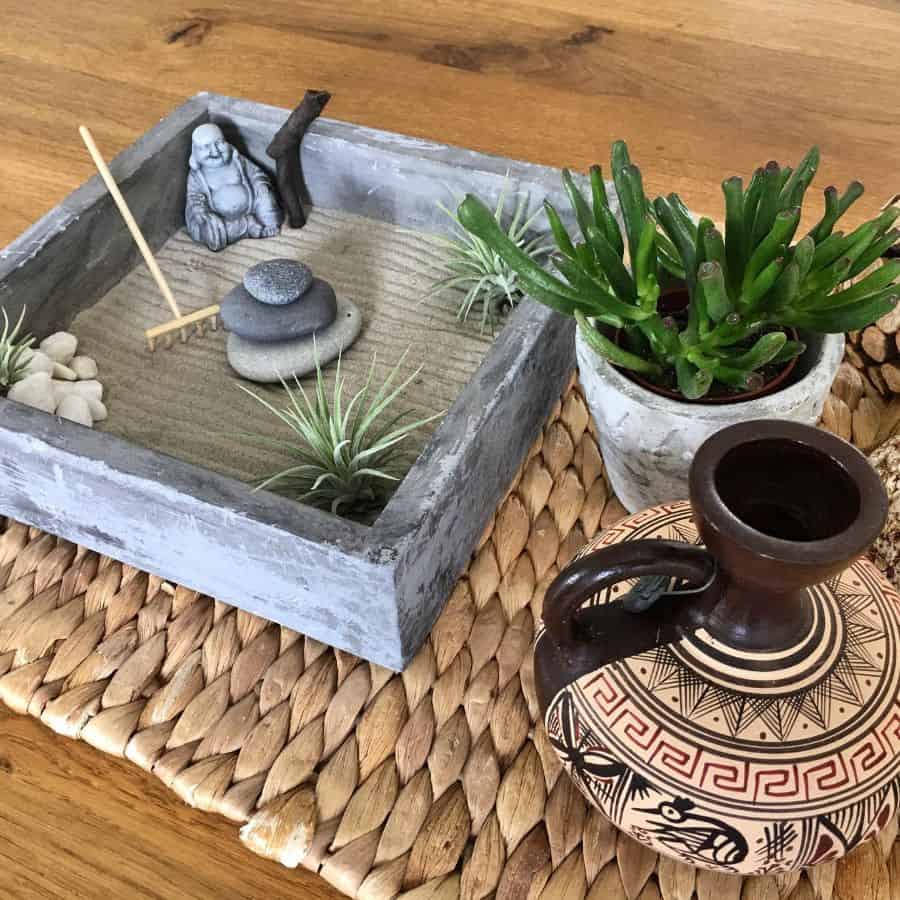
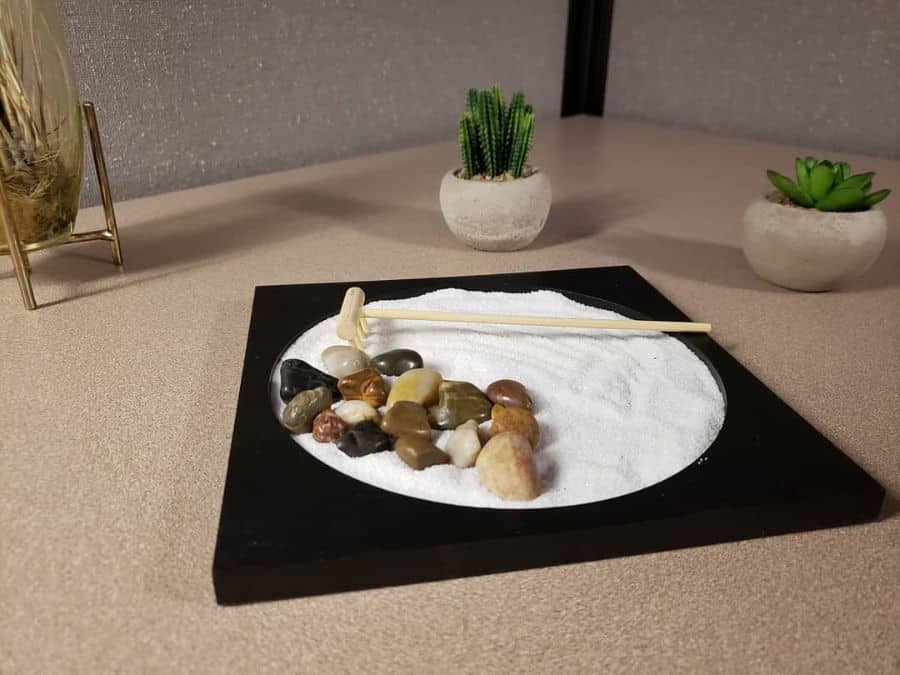
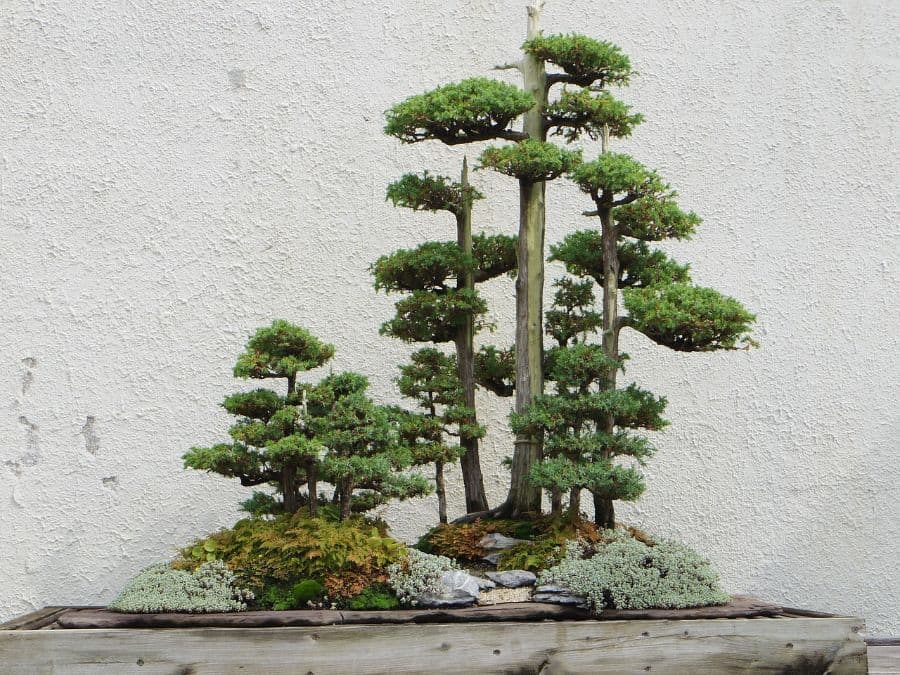
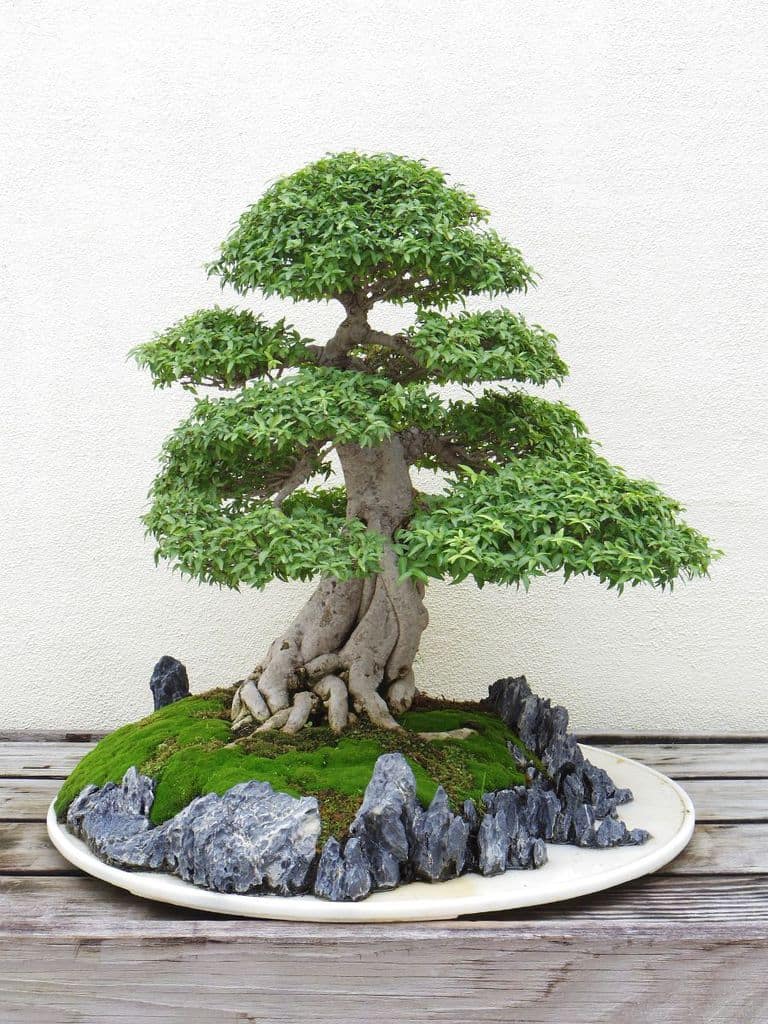
If you know anything about the art of bonsai, then you’re already a little familiar with miniature Zen gardening. So many people also use arrangements of succulents and moss to practice mindfulness.
It’s really easy to design a little Zen garden for your table or desktop for those moments when you just need to ground yourself during a stressful workday.
Slow-growing plants are the best way to go. I love that some, like small evergreens, even let you train and prune your mini garden as you go along.
Just like the big outdoor gardens, you don’t have to have plants for your miniature version. Arranging sand, gravel, and stone can be just as satisfying.
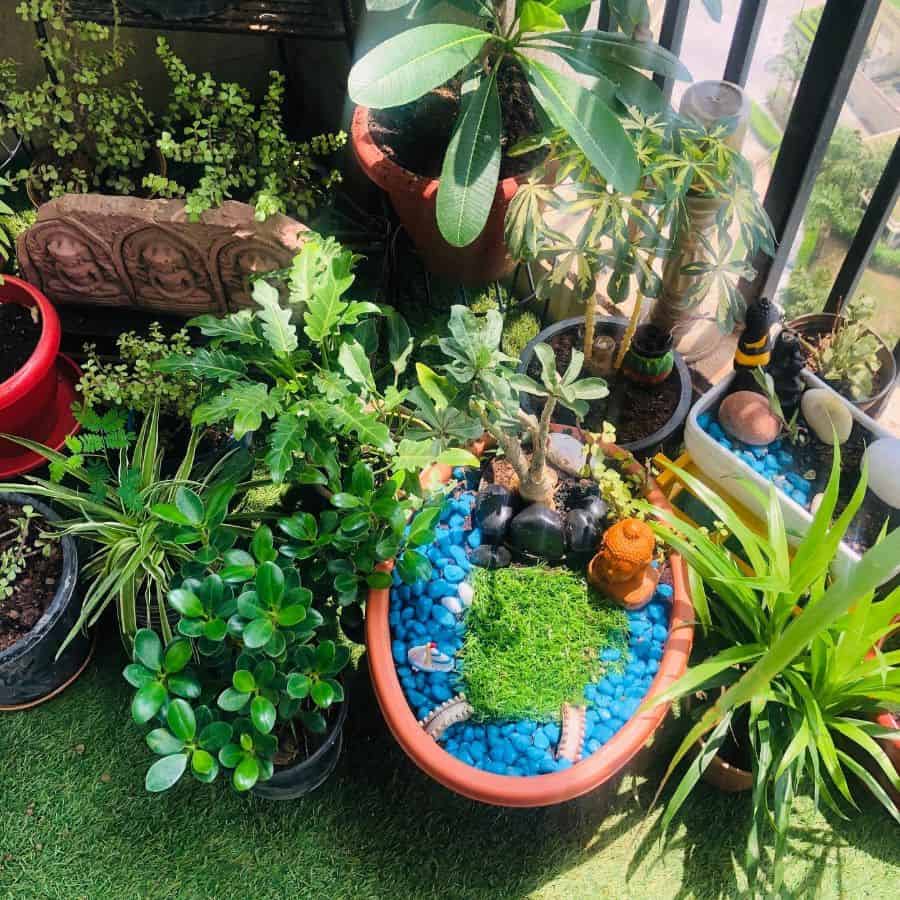
You can use little figurines or an air plant in your DIY design to create your own perfect little escape.


5. Flowing Serenade
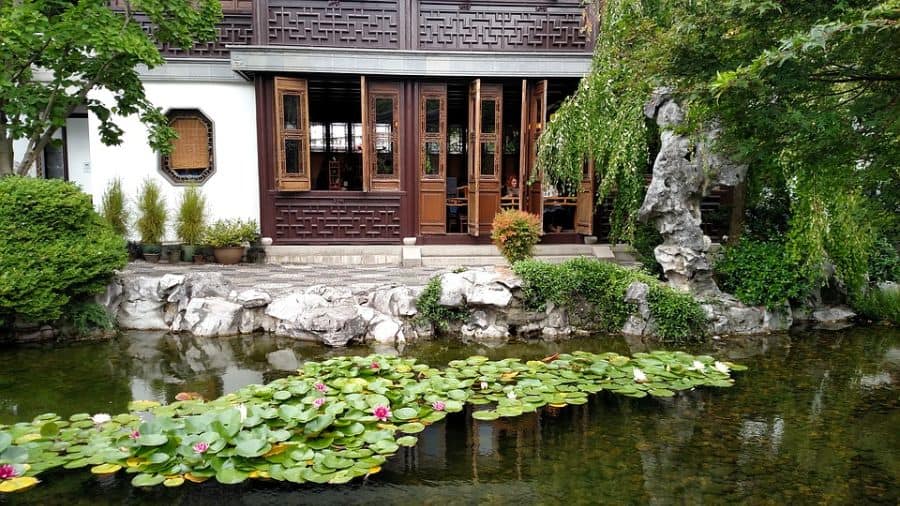
While a classic koi pond is a beautiful Zen garden feature, I know that not every home has room for a design that big. Still, you should absolutely try to include a water element in your garden if you can.
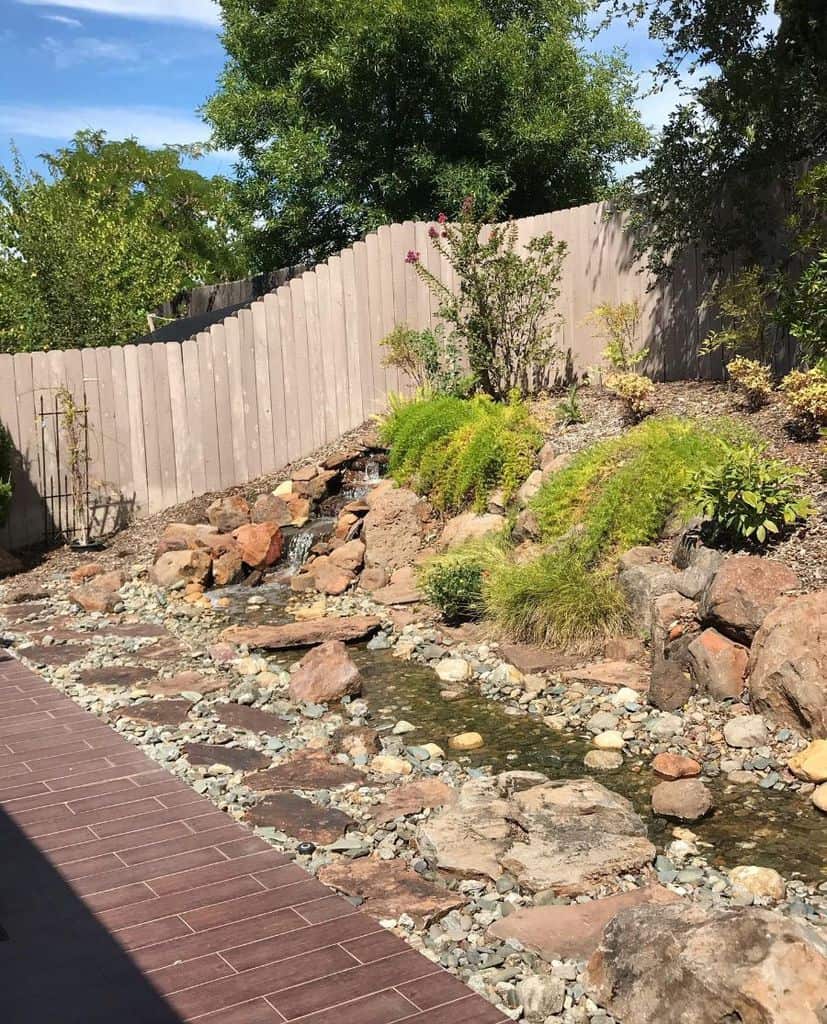
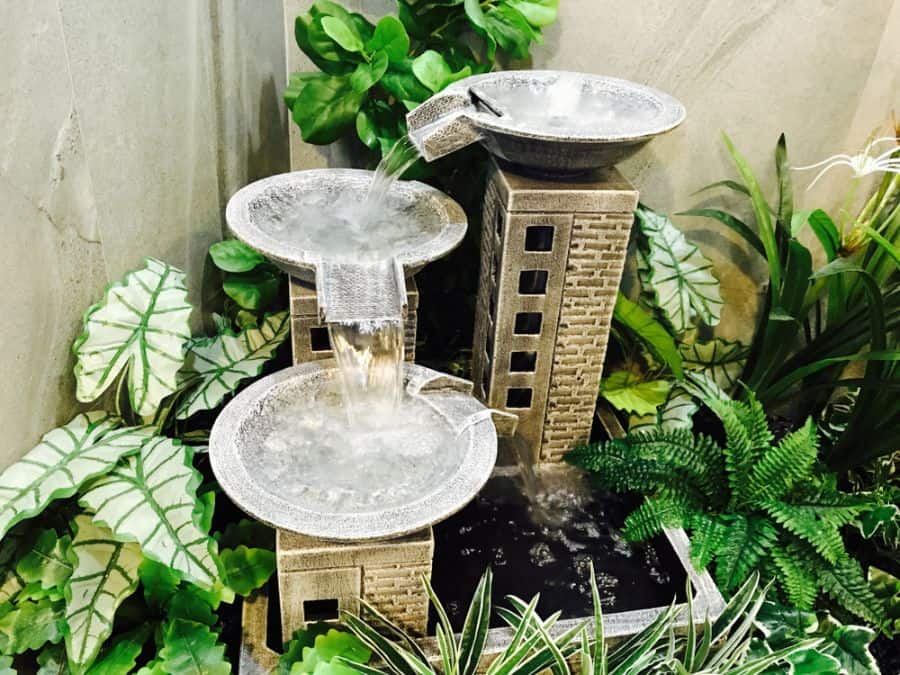
Water features have so many possibilities, from tiny ornamental ponds to incredible fountains. I personally love features with running water because they offer both visual and sound-based beauty.
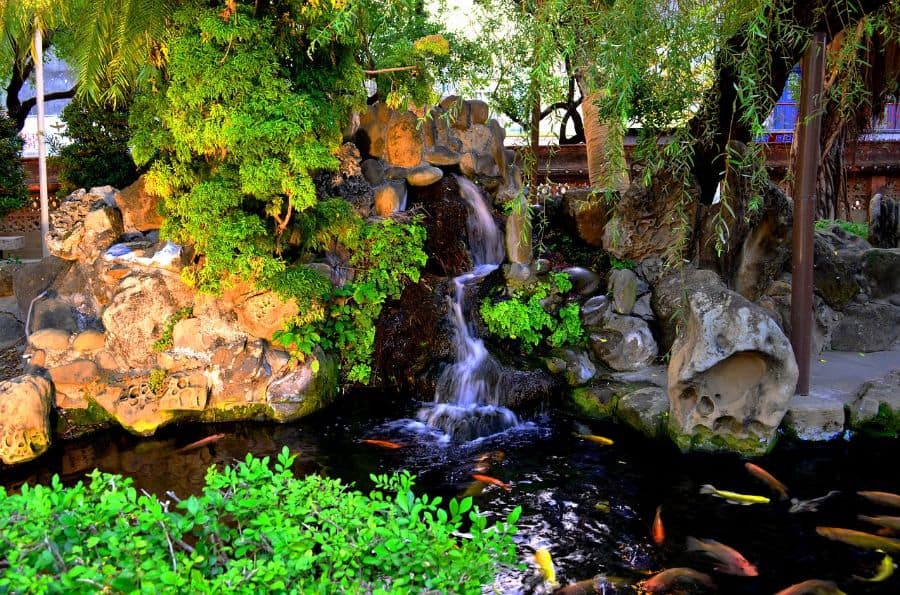
For a little of both worlds, you could go with a small pond that is fed by a waterfall.
Your space is going to be the biggest factor that limits you, but you should also think about the future maintenance before you start a massive project. Even if you don’t have living fish, water features need a good amount of upkeep to keep them looking their best.

6. Creating Peaceful Retreats
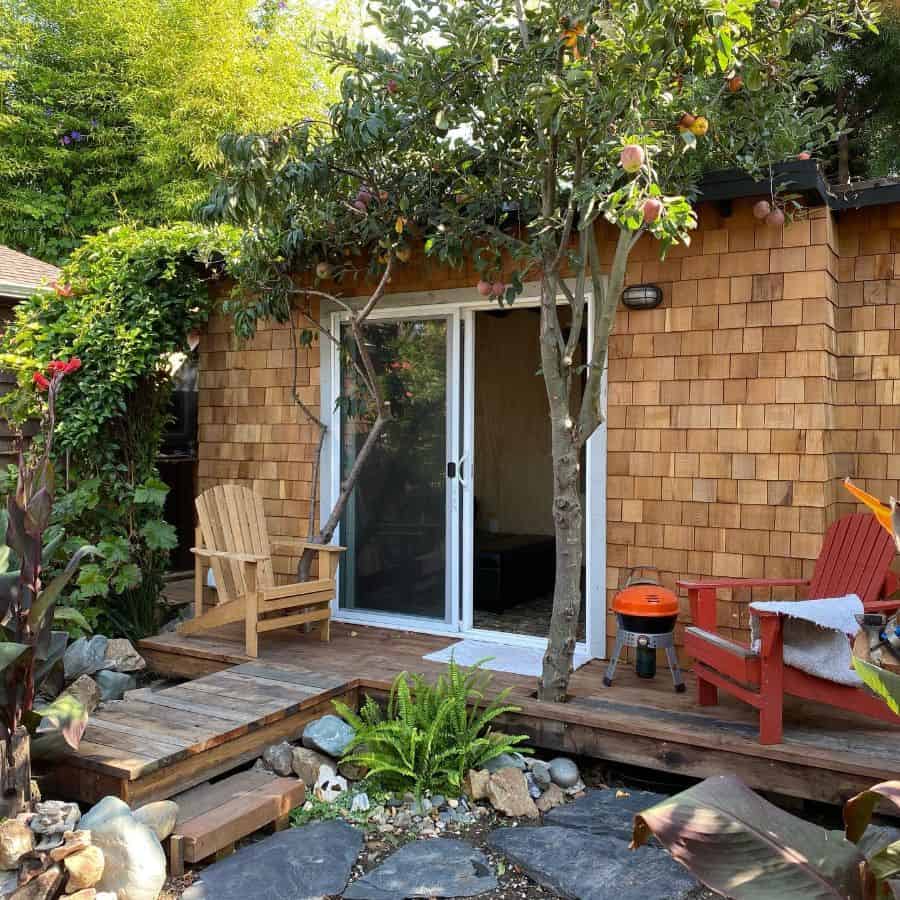
Zen gardening is really all about creating a sense of peace and tranquility for anyone who visits or takes care of it. You can bring this mindset into your own garden, whether you decide to transform your entire backyard into a dry landscape or just want to add small touches of Japanese design.
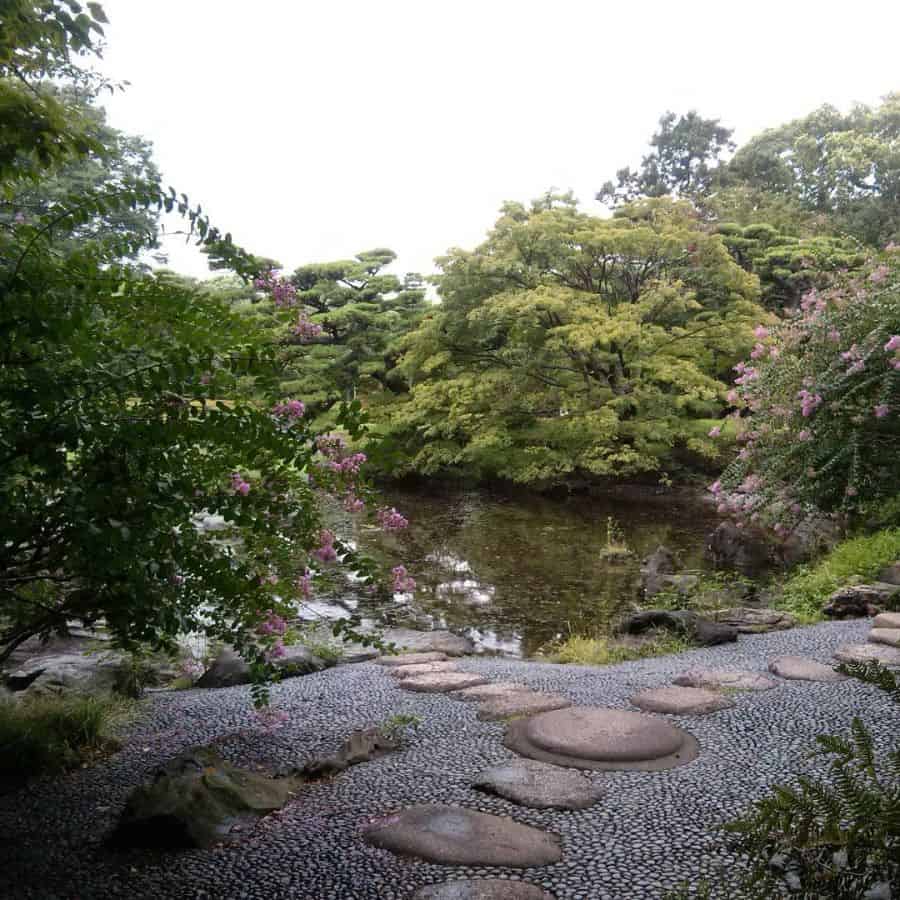
Carve a little pathway through your yard with some beautiful stepping stones. You can have this path wind back to where it started or lead to a private little hideaway that’s perfect for meditation.
Another idea I love is using a stone path instead of a traditional walkway leading up to your patio or pool.
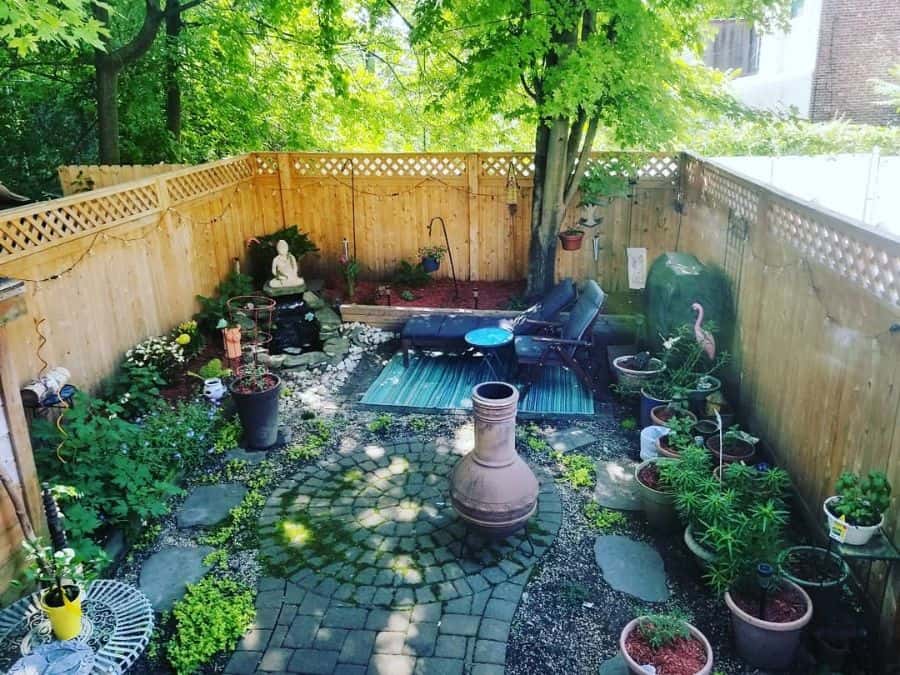
If giving up your whole lawn is not going to happen, you can section off just one part of your backyard for raked sand or gravel. Then you can add decor, ornamental plants, or larger rocks in that section to create a more varied look.


7. Harmonious Elements
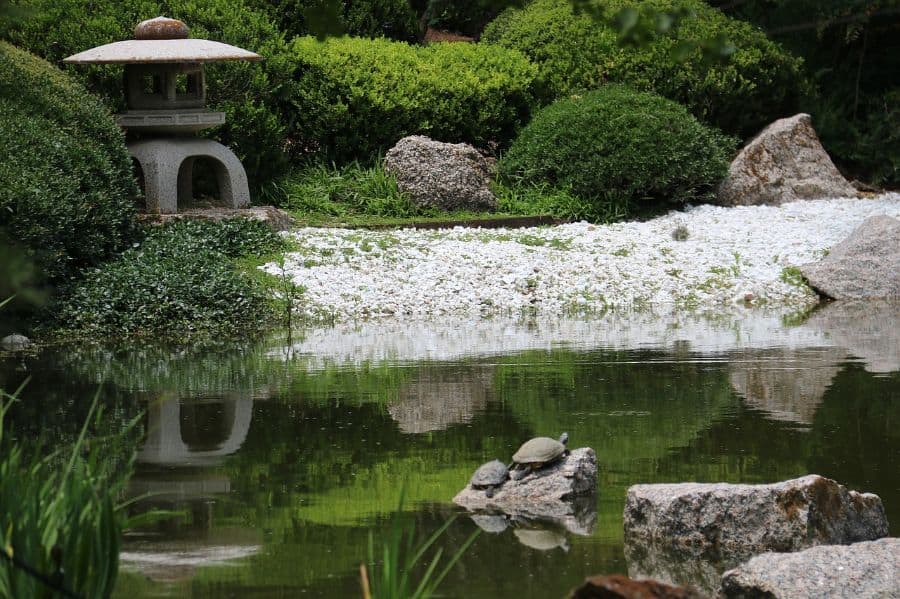
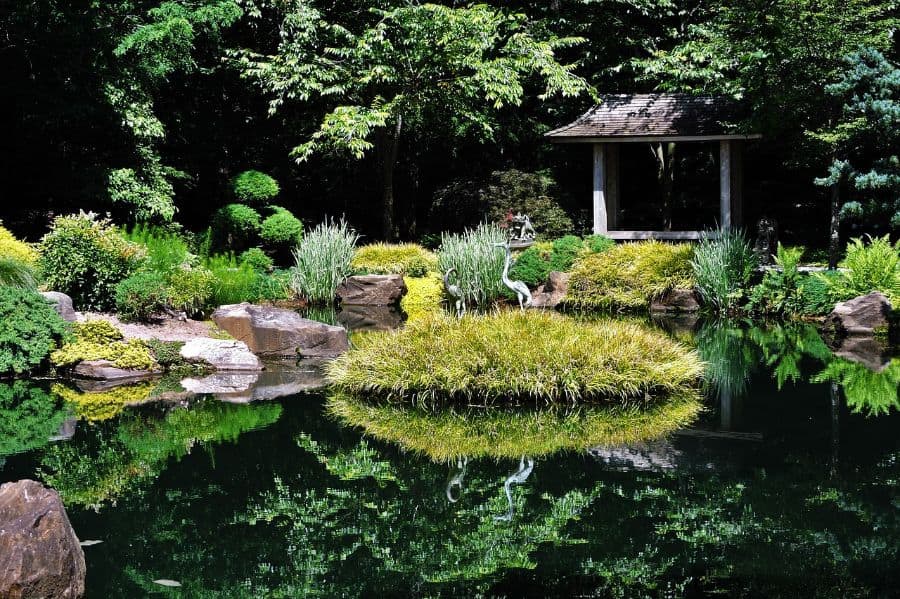
If there’s one thing you almost always expect to see in an ornamental Zen garden, it has to be a koi pond.
These ponds can be totally self-contained, or you can add a little more interest by installing a small brook that flows to and from the pond. I just love the tranquil sound of running water.
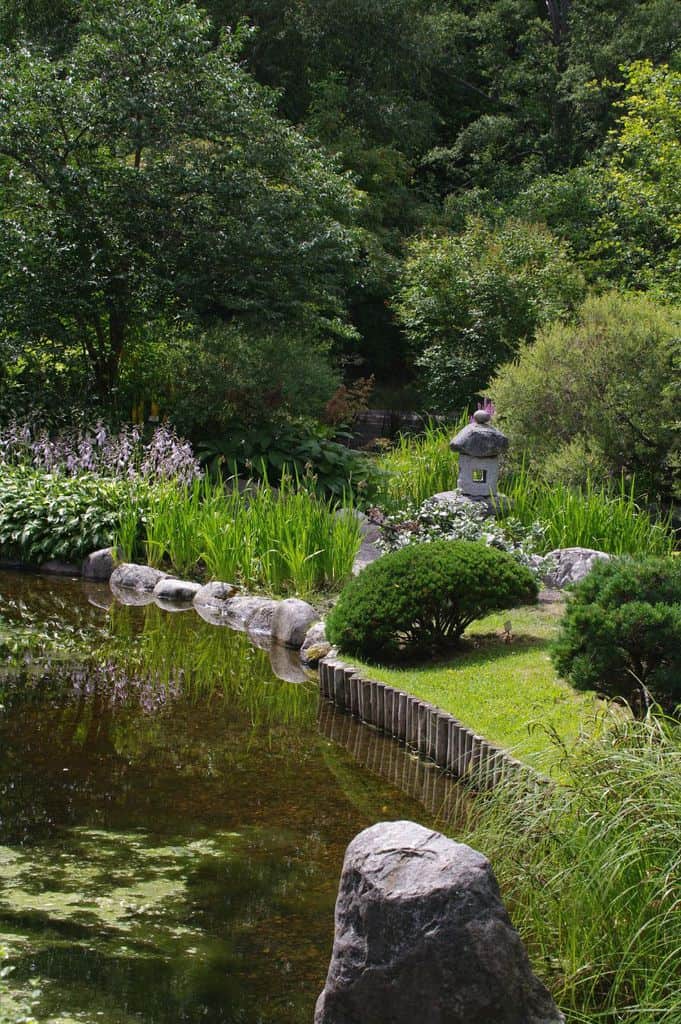
Natural-looking ponds seem to be the most popular right now. You can get that look by lining the water with stacked rocks and adding lots of aquatic plants.
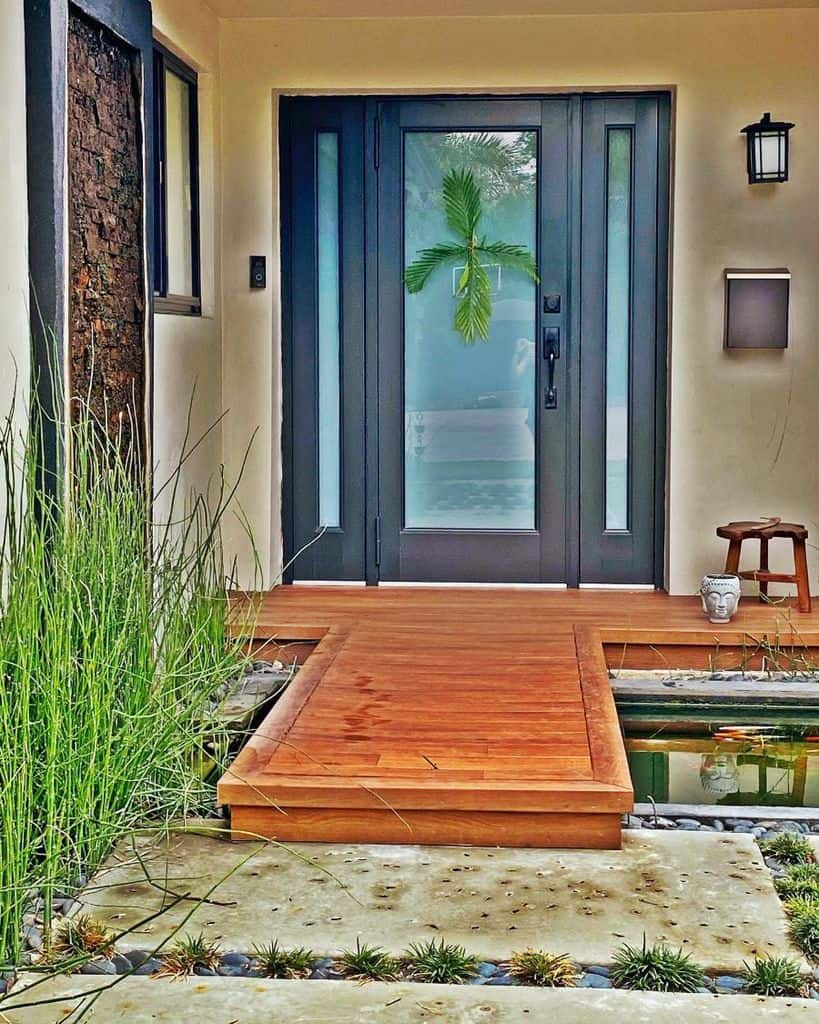
If you like a more manicured style better, a sleek, geometric-shaped pond would be a gorgeous choice instead.
Of course, I get that not every homeowner can or wants to take care of live fish. You can always just stock the pond with some native plant life and call it a day.
It can also become a natural watering hole for local wildlife. You won’t even miss the koi fish when all the birds, insects, and other critters stop by for a visit!
8. Contemporary Tranquility
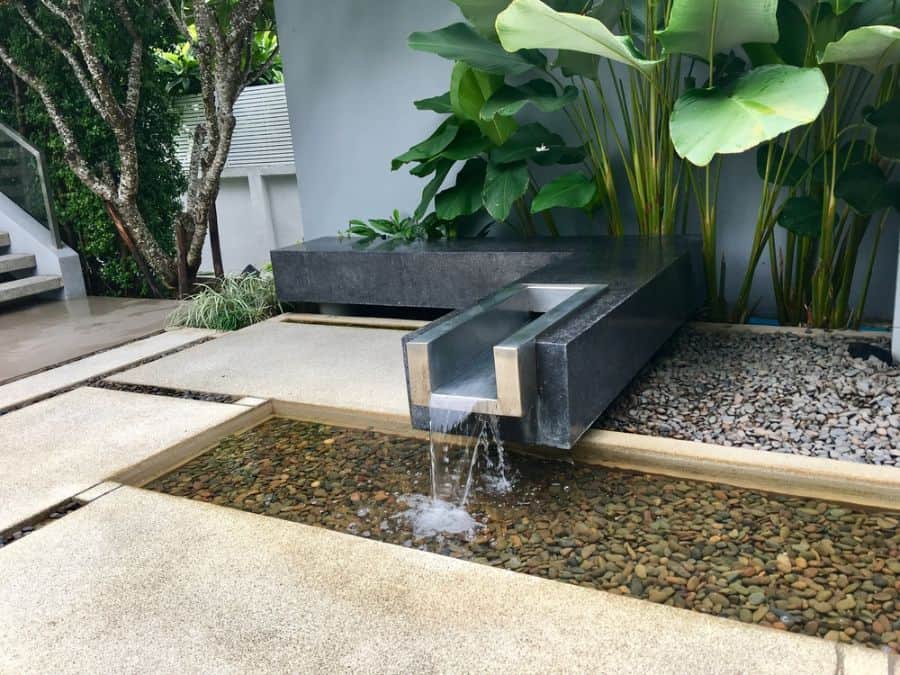
You might not even realize it, but you really don’t have to look far to find modern home design that has been directly influenced by Asian architecture. It just makes sense that the two would work together so perfectly in a modern-inspired Zen garden.
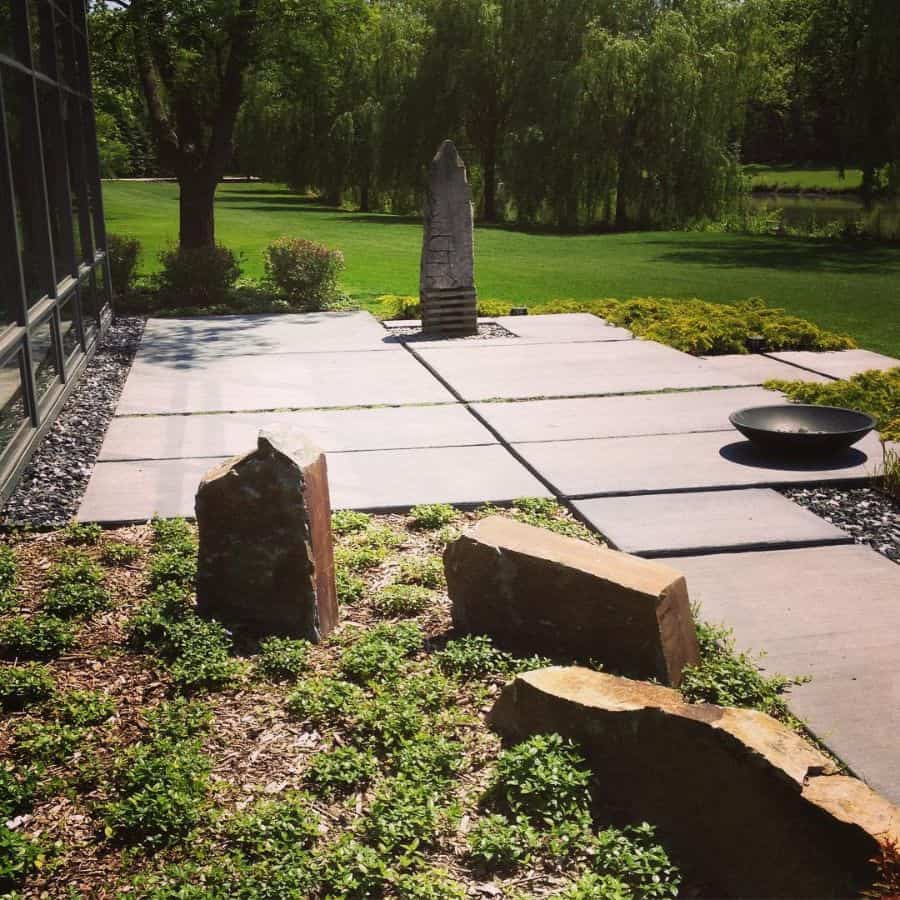
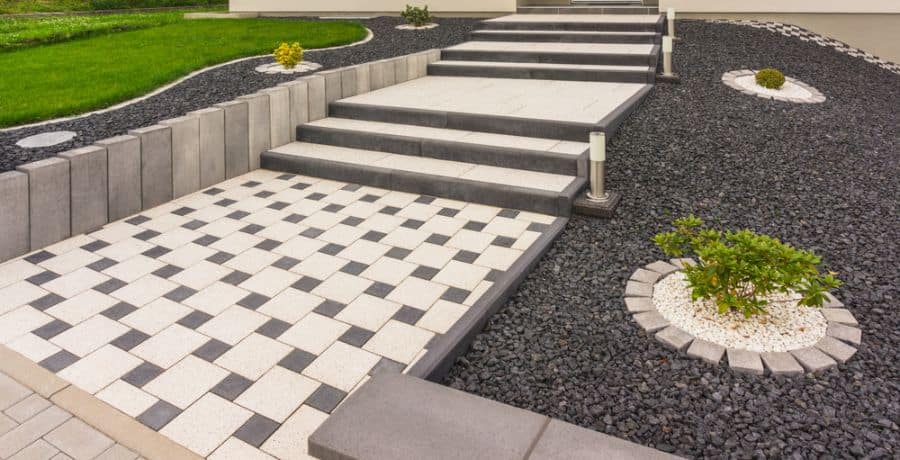
Since both looks emphasize sleek lines, a great place to start your garden is by dividing the space into really clear sections. This could mean marking off a patch of grass, a patio, or a walkway from your rake garden.
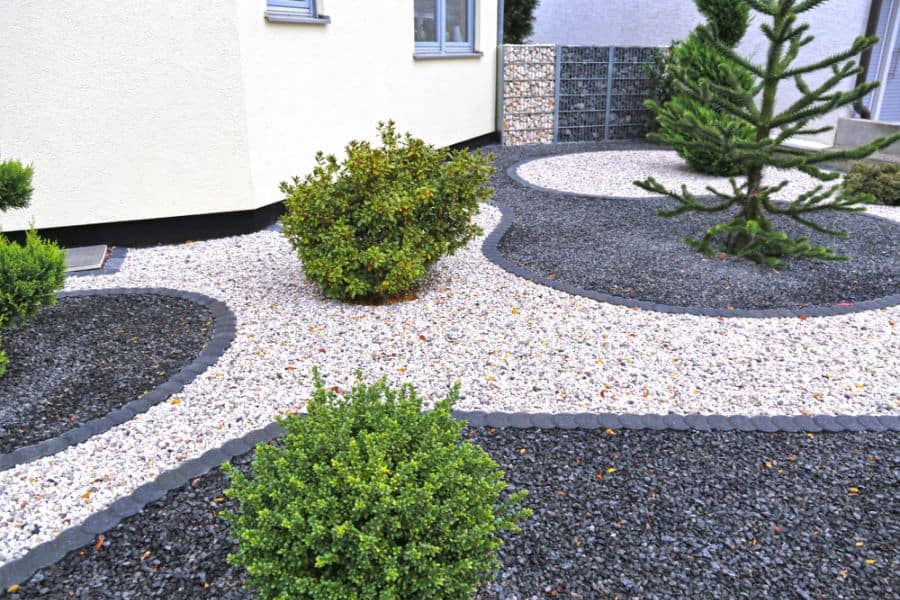
Or, you could use different colors of gravel in your garden to create some beautiful geometric patterns.
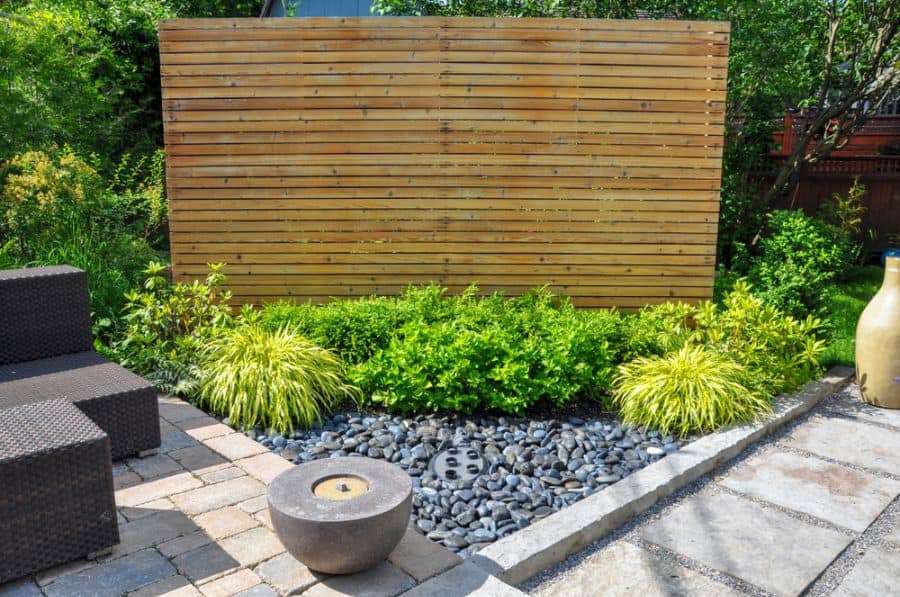
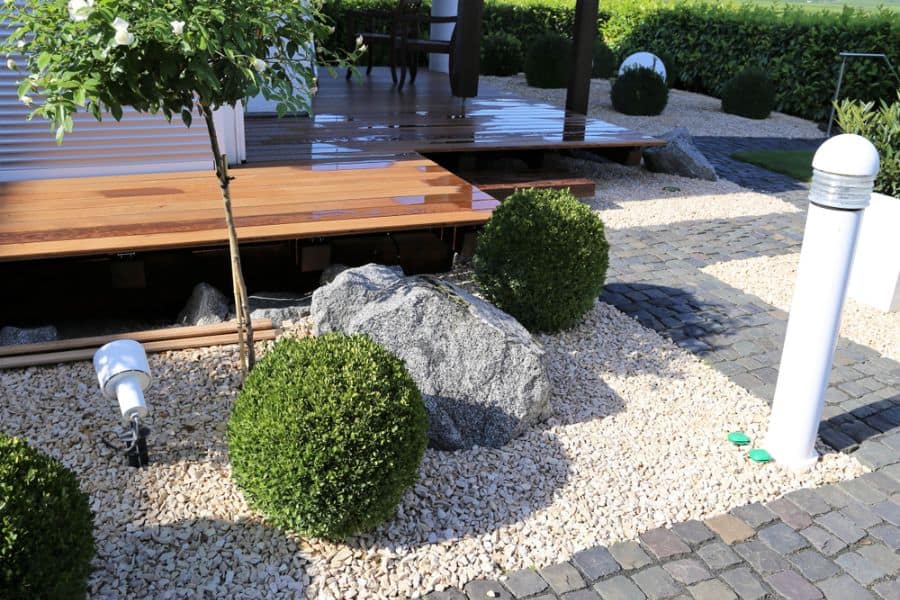
Your landscape should be made up almost entirely of squares, rectangles, and circles. Then you can use your plants to break away from that symmetry and add some interesting contrast.
Natural stone slabs, whether they’re functional or just for decoration, will also create a beautiful contrast against those sleek modern elements.
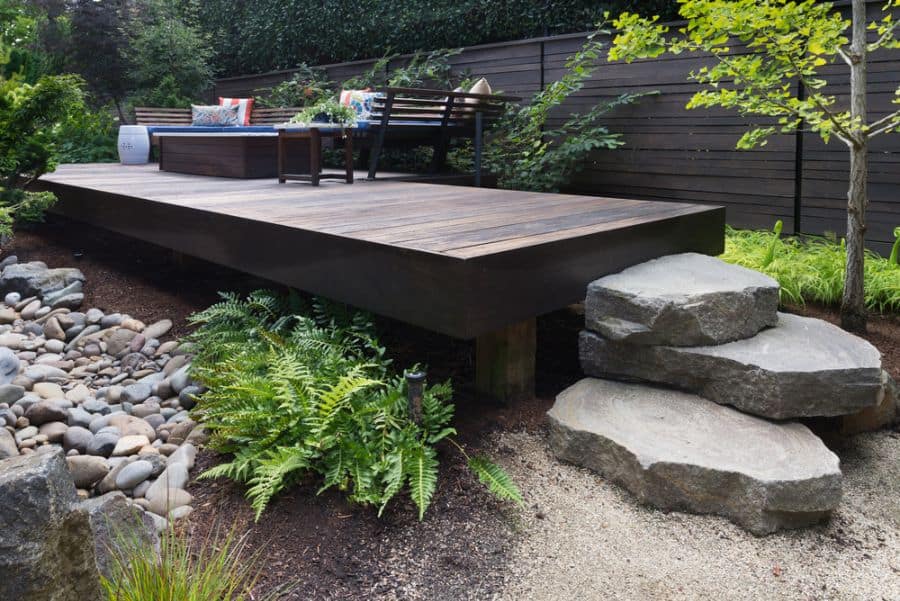
9. Zen-Inspired Bliss
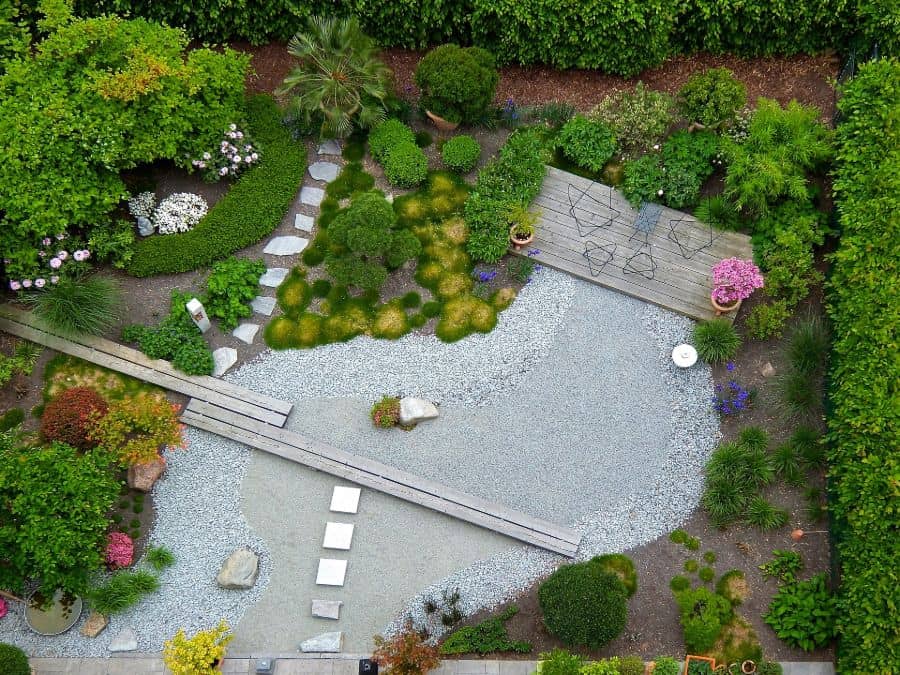
At this point, we know that historical Zen gardens were made of sand, gravel, stone, and not much else. But today, elements of Zen garden design are popular in so many modern landscaped gardens.
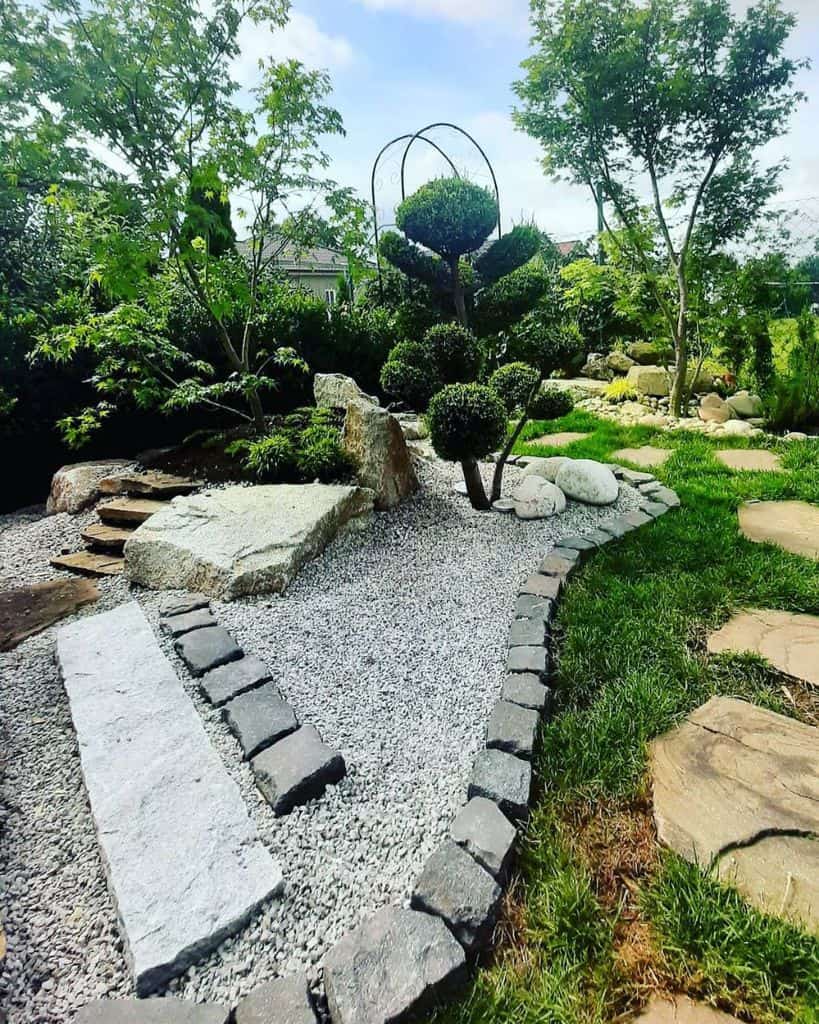
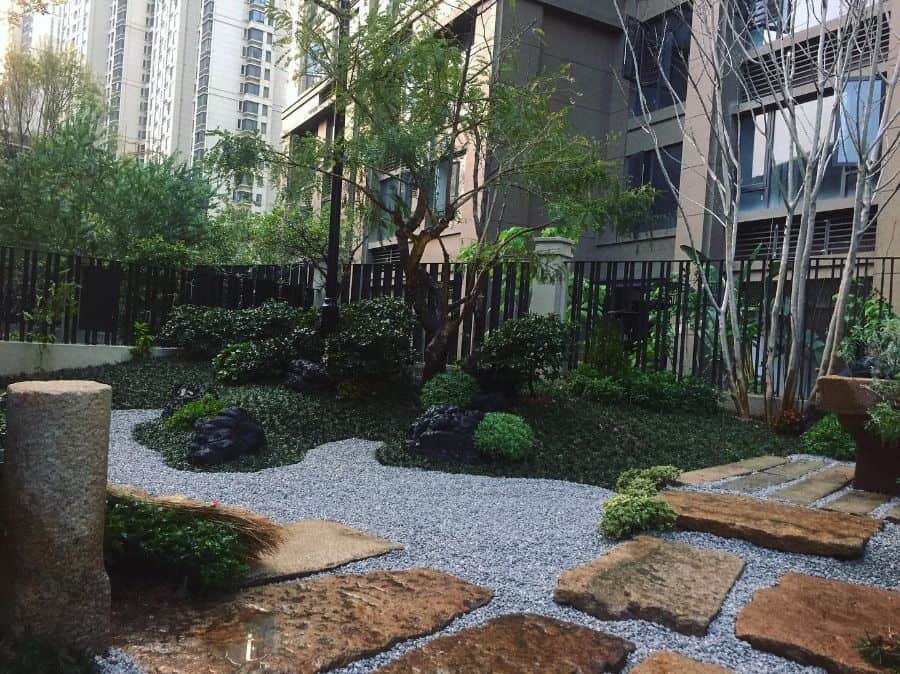
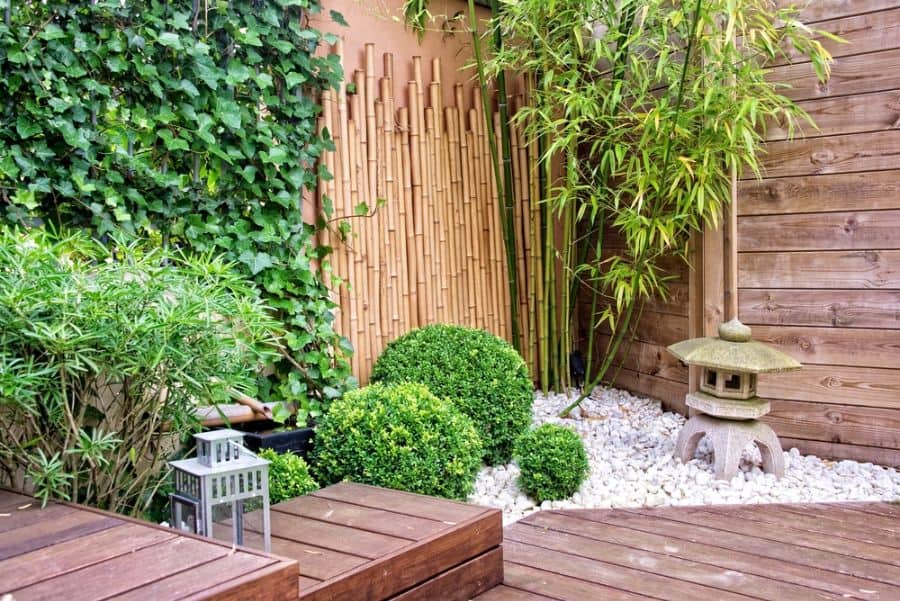
A few small changes can make your landscaping feel much more like a traditional Japanese garden. I love the idea of swapping out regular mulch for some well-draining white gravel.
You can use large, rough-edged stones to create pavers, steps, benches, or even borders for your landscaping.
For trees, evergreens and Japanese maples give you that perfect mix of Zen and contemporary style. Instead of flowers, think about choosing shrubs and ornamental grasses that have uniquely colored leaves.
Carefully pruning your hedges and woody perennials will help you get that beautifully manicured look that we all associate with Zen gardening.

10. Embracing Tranquility
Classical Zen gardens can really be any size. But if you’re working with a limited amount of space, you might need to think strategically to come up with the most compact design.
A small Zen garden can fit into some of the most surprising places. For example, you might have an awkward little patch of land next to your garage or a spot under your deck that’s just sitting there unused.
You could section off a part of your lawn or let the landscape flow naturally right into your Zen Japanese garden.
There’s something so poetic about creating a hidden little spot for meditation where no one would even think to look. And because Zen gardens are focused on dry landscaping instead of lush plants, you don’t have to worry about things like poor light or drainage.

11. Inner Calm in Any Space
For anyone looking for more relaxation or meditation, an outdoor Zen garden isn’t the only way to go. Indoor rock gardens have been popular for a long time, and they look especially amazing when paired with modern architecture.
Basically, anywhere you could enjoy a houseplant, you can create your very own miniature Zen garden or greenhouse. You can even use Japanese garden design concepts in the planters on your patio or porch.
Since classic Zen gardens are totally dry, you might even see full-scale versions that have been installed indoors. These gardens could just have raked sand and stone, or they can include living plants like evergreens, moss, and air plants.

12. Cultivating Zen
Zen gardens have become such a huge trend that it’s not strange to see one surrounded by very Western-style architecture. But the beauty and meditative quality of these gardens is really amplified when they are paired with traditional Japanese home design.
Whether your home takes its inspiration from Japanese houses or is actually one, adding a Zen garden is the perfect next step. Make sure to set aside plenty of room for a plot of raked sand. I find that maintaining this part of your garden really helps to emphasize those traditional design elements.
Plan your garden layout to highlight your home’s key architecture. You could position your rock garden so that your home’s terrace overlooks it. Using carefully pruned trees to perfectly frame a doorway, window, or a view of a pond is another beautiful touch.