Have you guys decided to build a garden? That’s amazing! After you figure out the what and the where, there’s one last detail that makes a HUGE impact: the edging.
I get it, trying to decide on the perfect material can be a challenge. You need something strong that holds everything in place but also adds to your yard’s style.
I’ve pulled together some of my favorite ideas to help you find the perfect fit.
1. Raised Garden Options
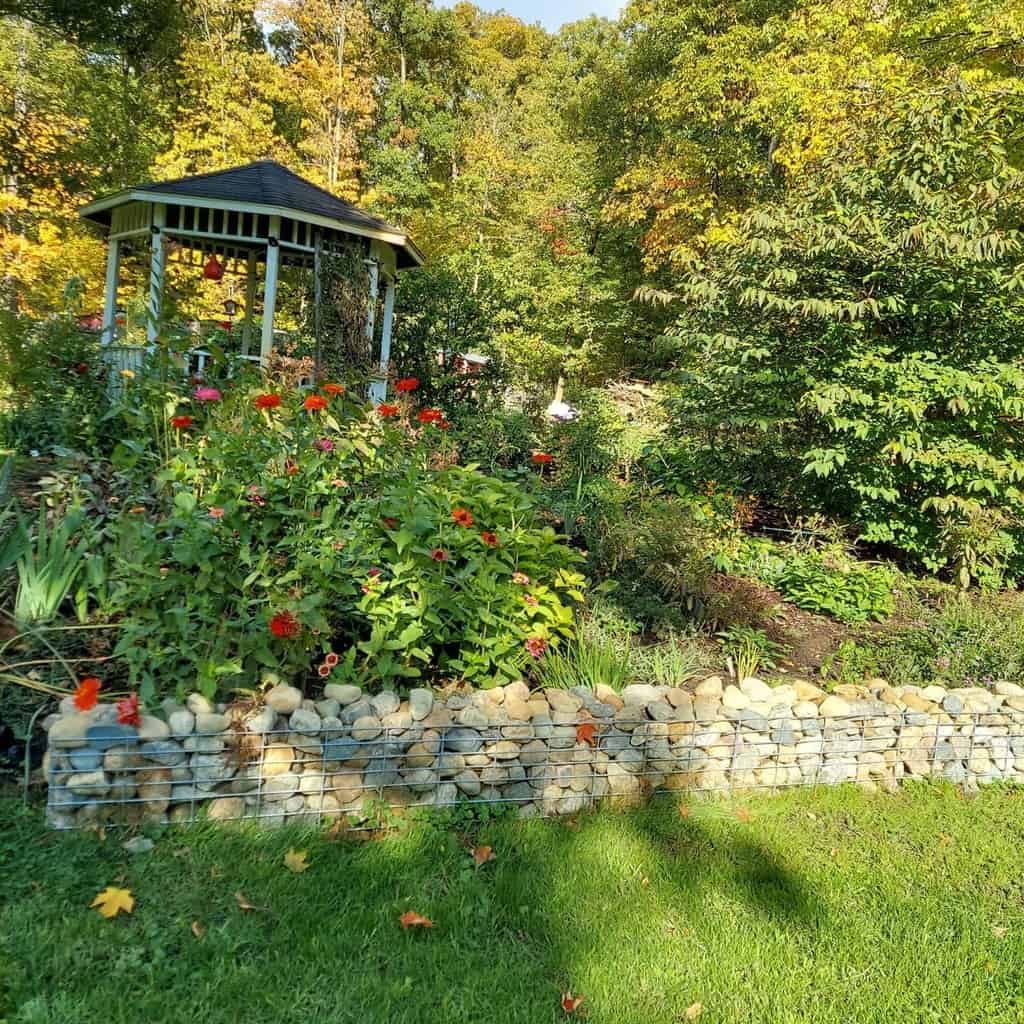
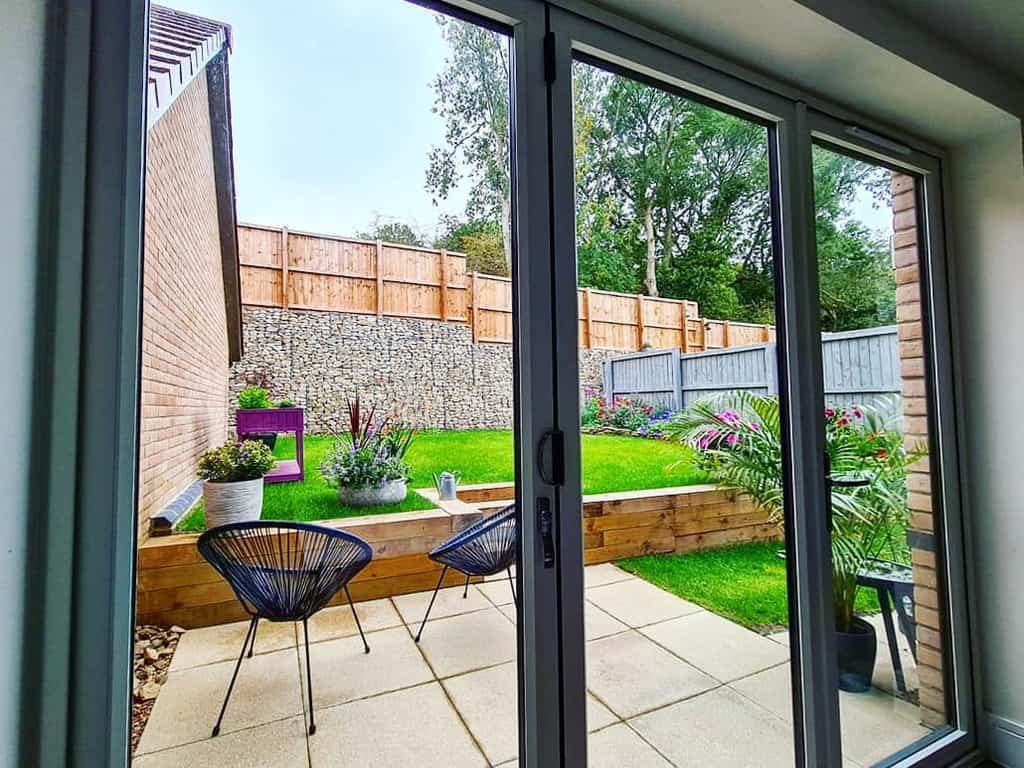
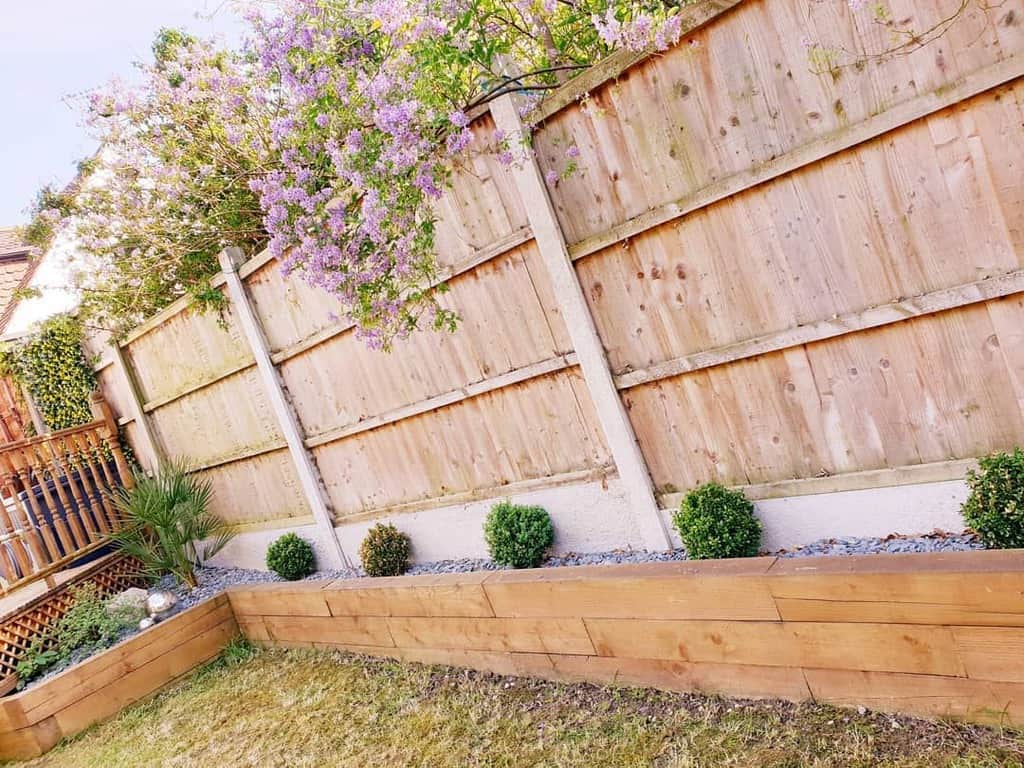
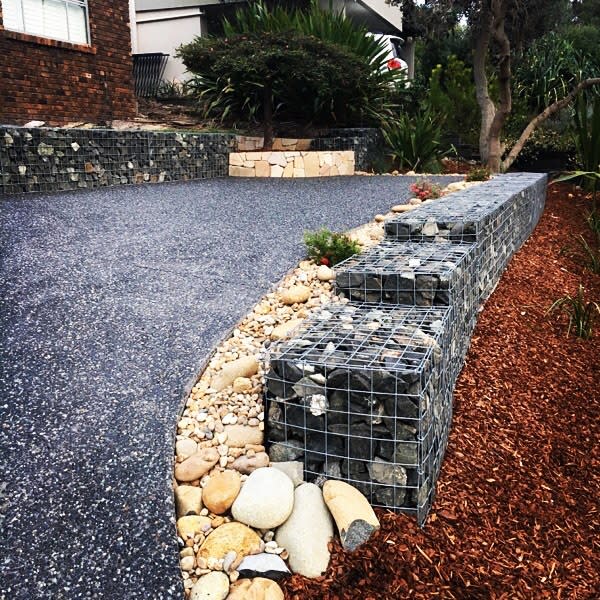
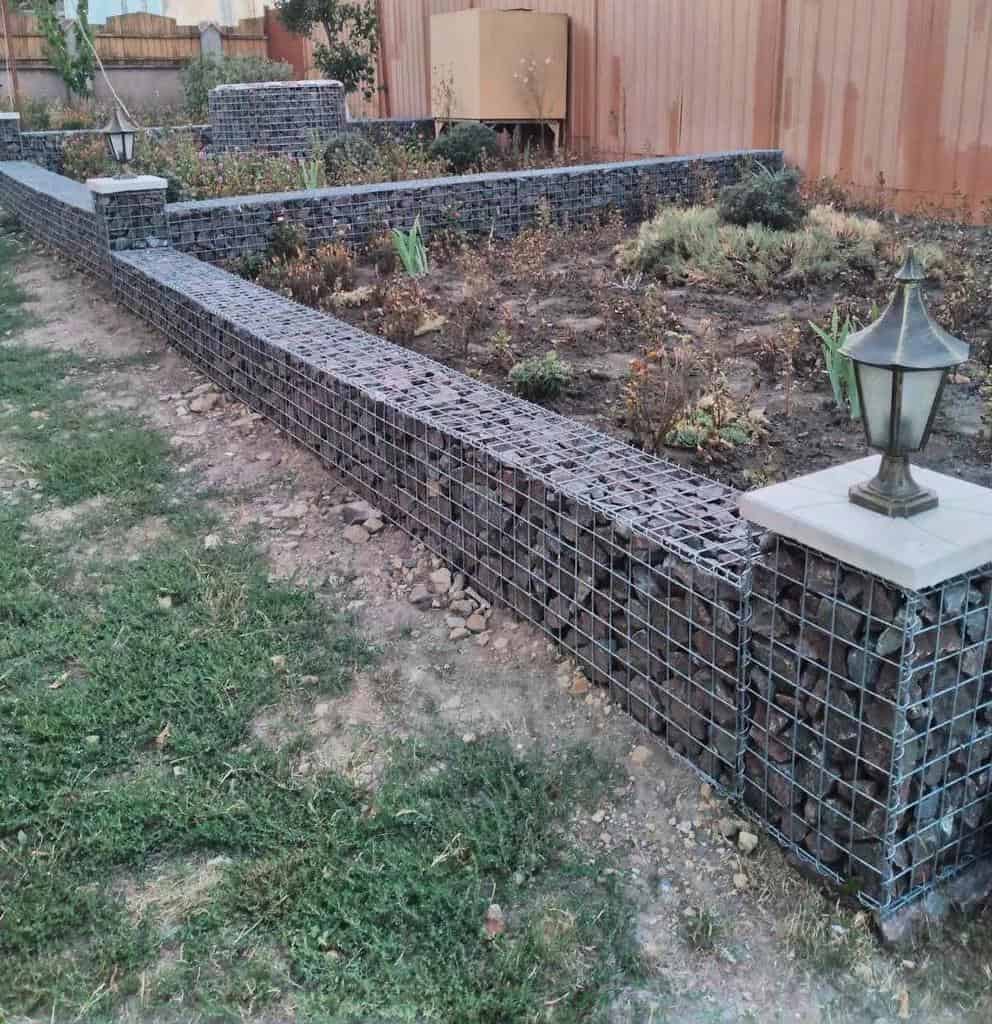
I just love how raised flowerbeds with the right edging can look so elegant. For a look that feels rustic, almost farmhouse, or just really natural, treated wood is a fantastic choice. If your style leans a little more modern, you could try using stacked stone. Another beautiful solution I’ve seen is a gabion wall.
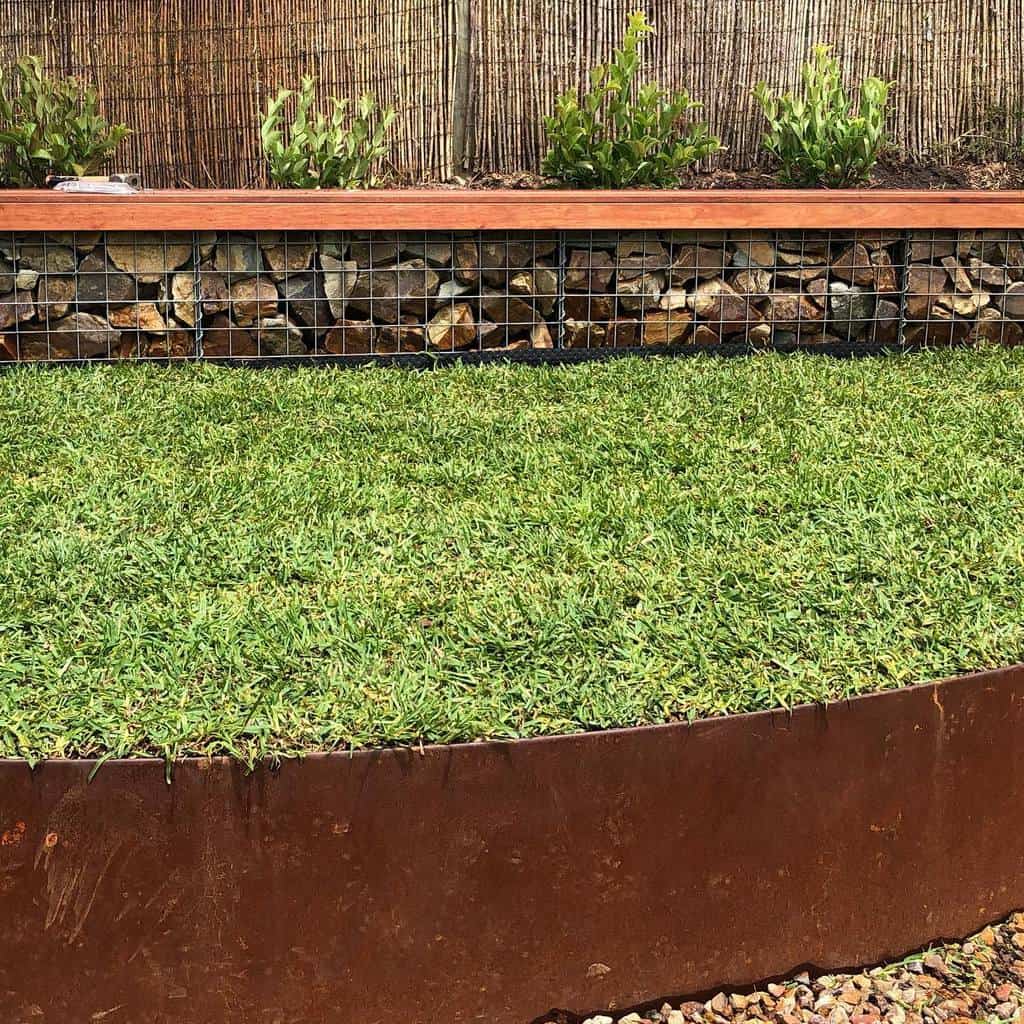
You can even make your own gabion walls, which is a great project. You would build wood frames and then wrap them with chicken wire to make a three-dimensional open box. Then you fill that space up with rocks.
Just be sure the wire you pick has holes small enough that the rocks can’t fall through. While leaving the top open is one option, I think adding a bit of wire mesh on top gives it such a polished look.
2. Contemporary Flair
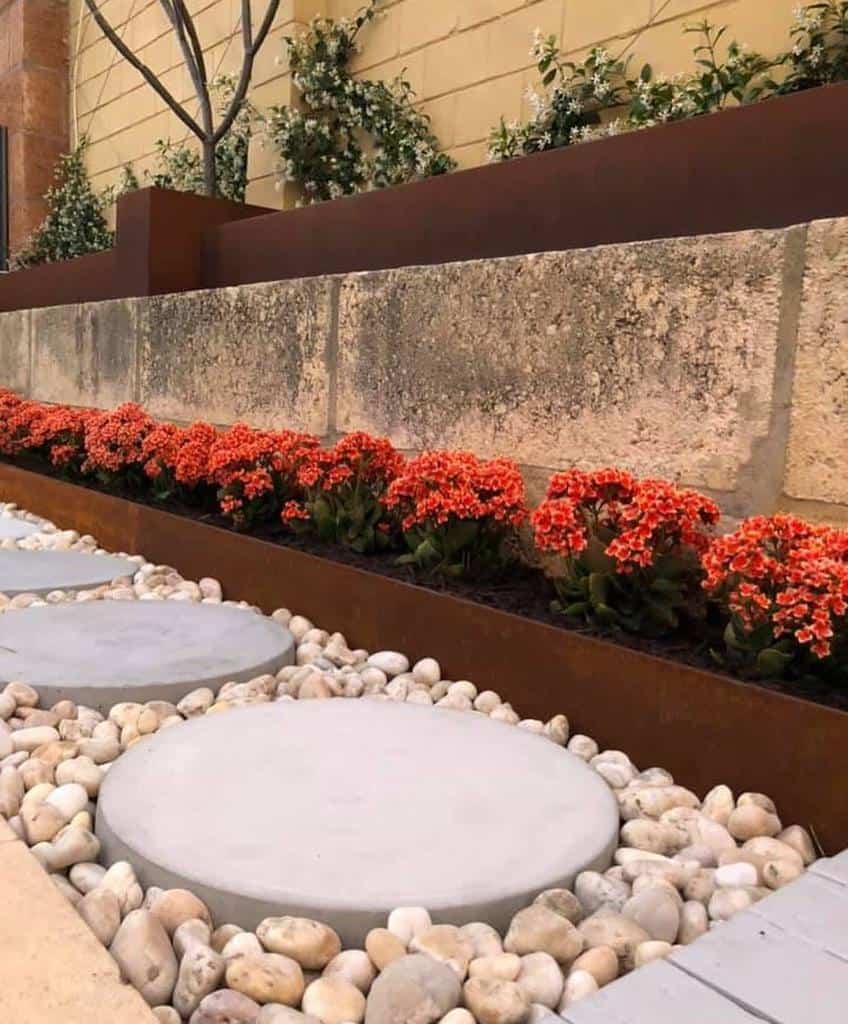
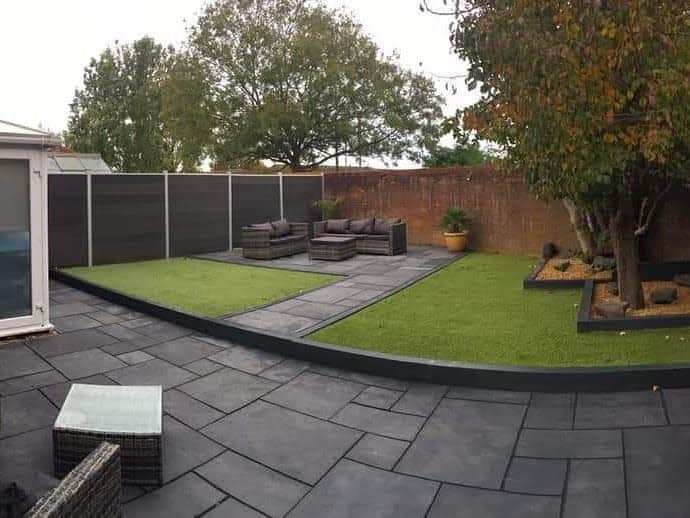
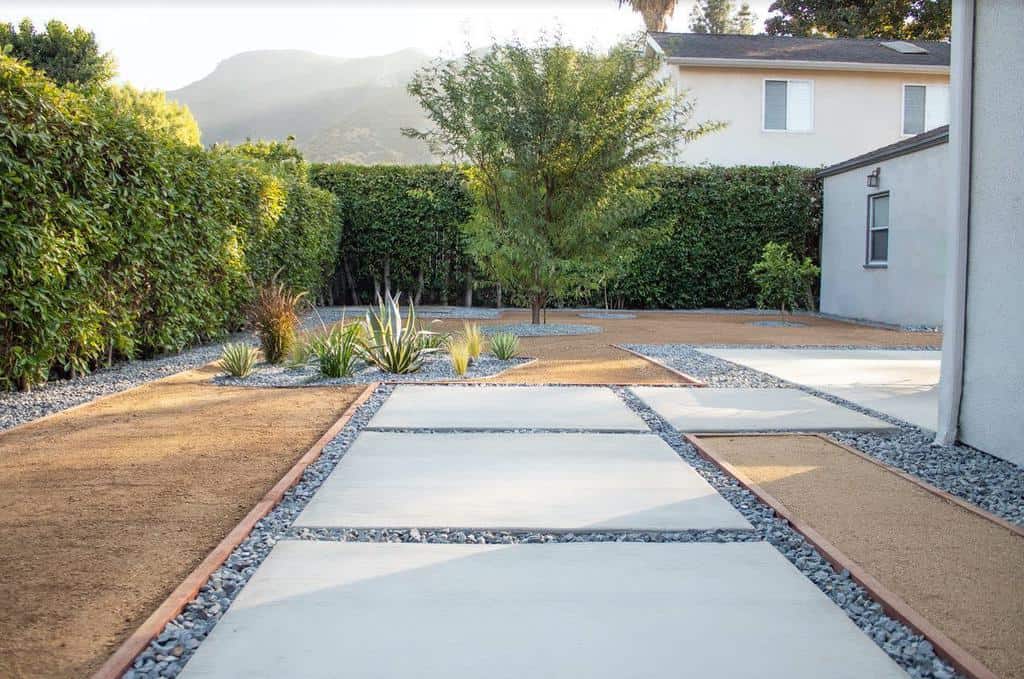
I am in love with creating a modern look by using more than one type of material for edging. When you combine multiple elements, you get a custom, multi-layered look that is so special.
Think about a metal edge next to a line of river rocks, which is then bordered by a line of cut stones. The whole border ends up being wide, but the individual parts are not.
Another way to get a modern feel is to use a material that’s a little unexpected. Using an expensive stone like marble or granite can really elevate the whole garden. It’s so durable, too. Just know that this is not a project you should probably DIY. It’s also going to be a lot more expensive than some of the other ideas here.
If you have a large property with plenty of space, a water feature as a border is absolutely stunning. You’ll want to line that border with something impervious, like concrete or stone.
After that, you fill the edging area with water and figure out a way for it to circulate. To finish it off, placing river rocks at the bottom makes a beautiful river effect.
3. Embrace the Natural Charm of Wood
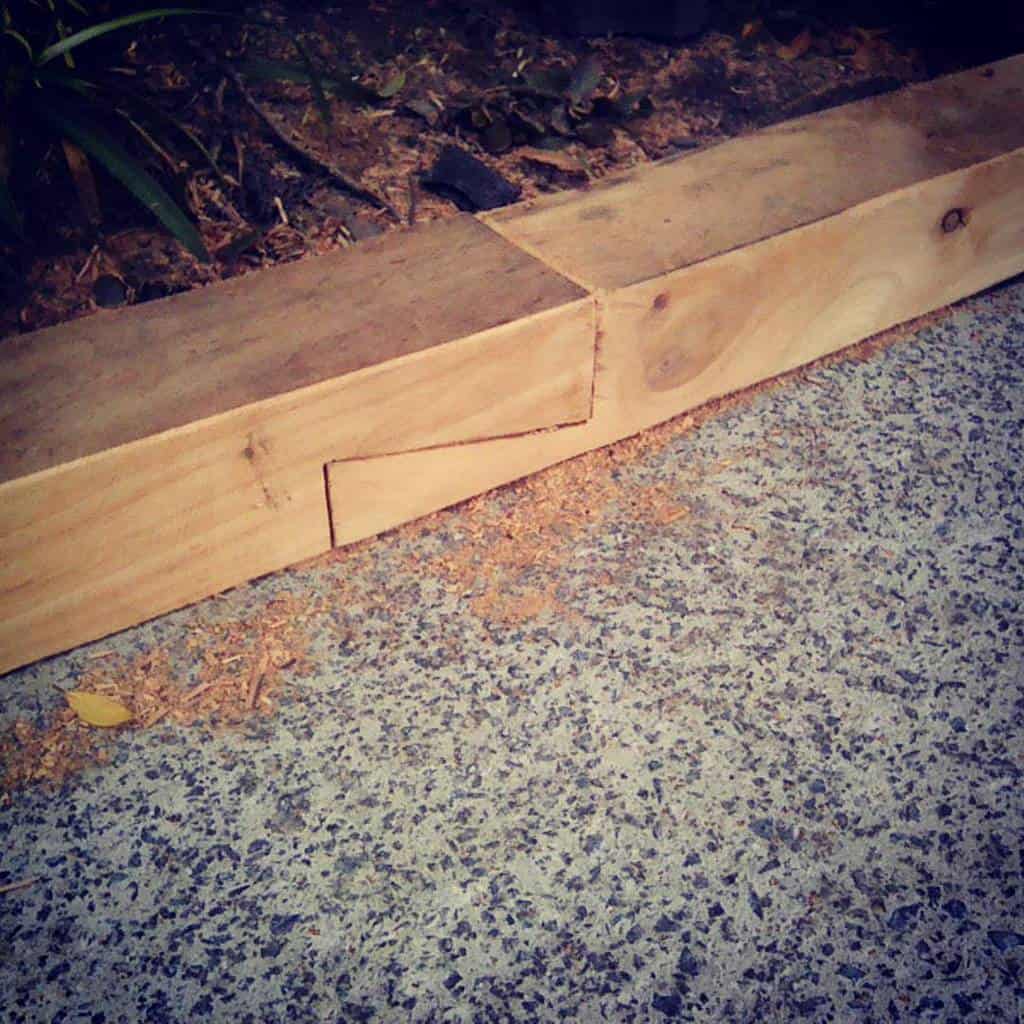
Using wood for your garden border can give it such a rustic vibe. I love the idea of using reclaimed wood or even salvaged railroad ties for this. This aged wood is so solid and just perfect for a border.
But if that’s a little too farmhouse for your home’s style, you can always pick a wood that has a more finished appearance.
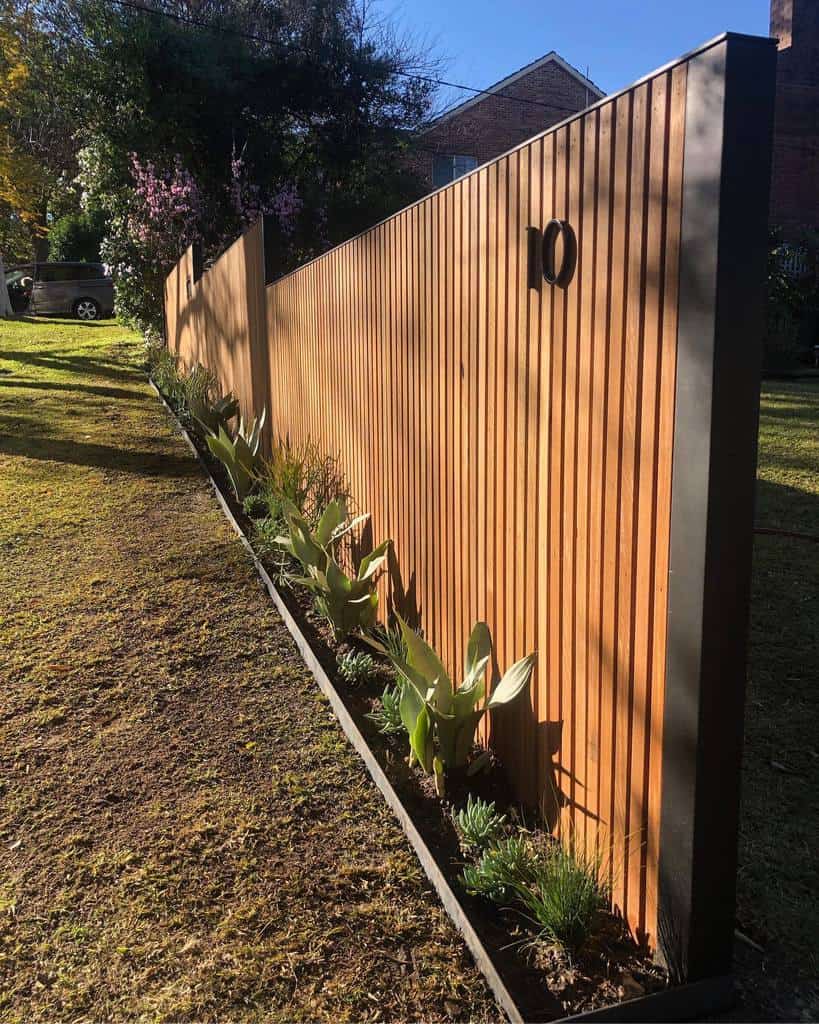
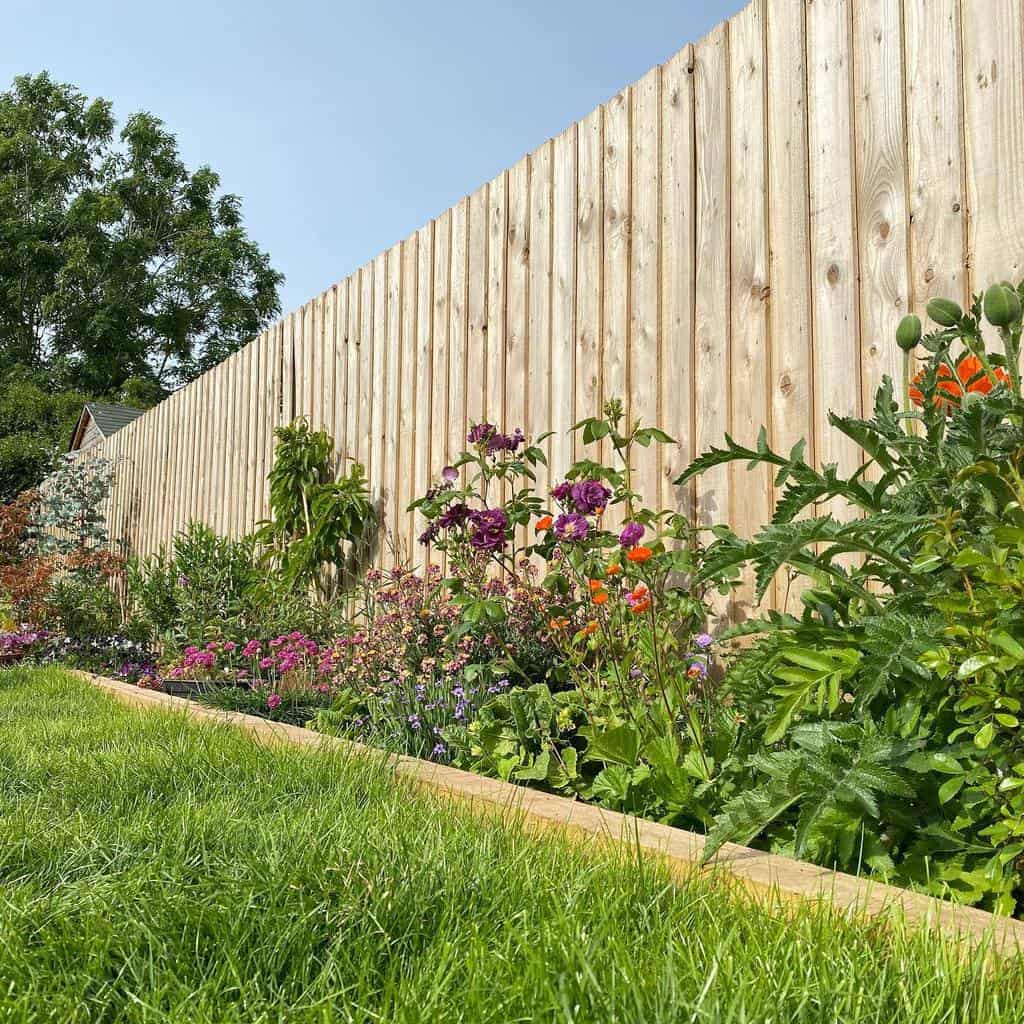
You can create a little wall around your garden by turning planks of wood on their sides. You can sink them into the ground, but remember that you’ll need to treat the wood or it will eventually rot. A better way to do it is to hold the wood planks in place using metal stakes or brackets.
When you have planks on their side, it can create a nice deep bed for your garden. You can then add more soil to create a richer environment for your plants to thrive.
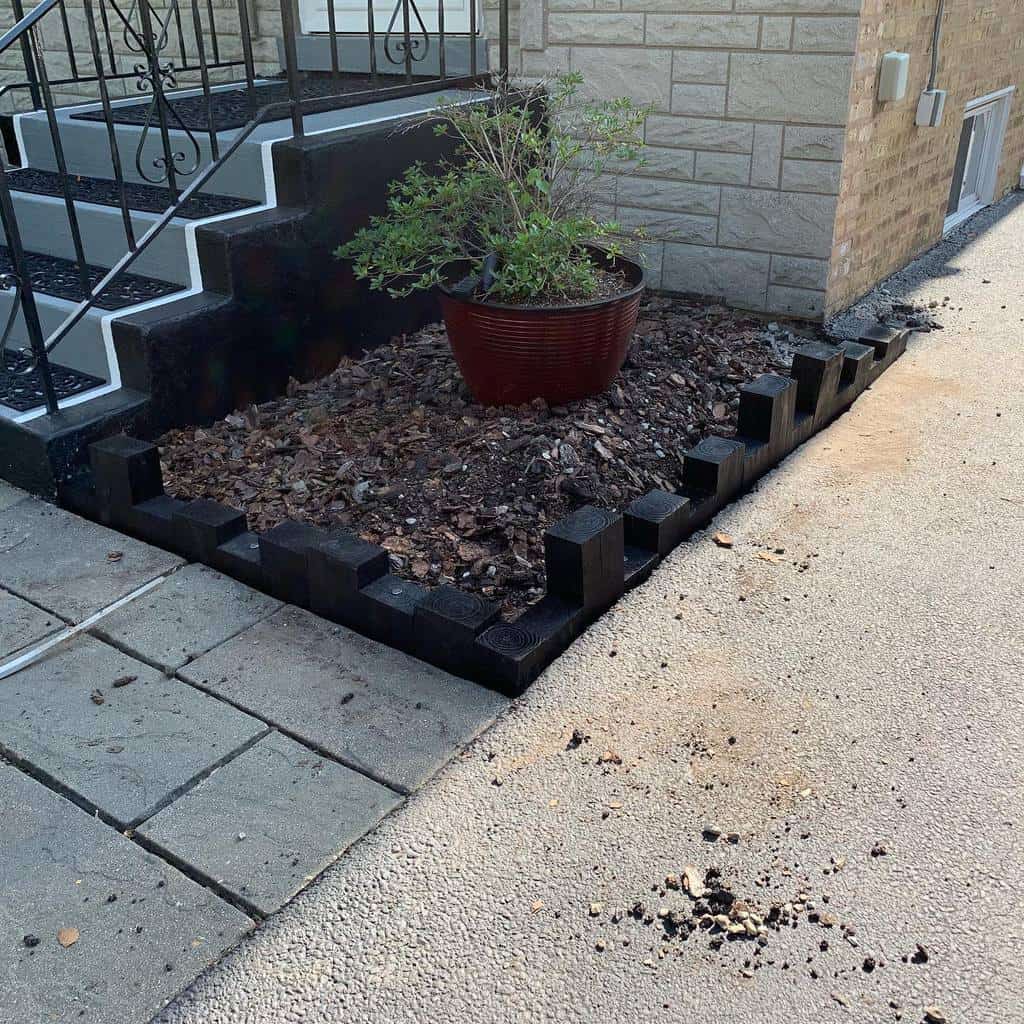
A third way to use wood is to create a small edge from wood stakes placed next to each other on their ends. You can put them in one by one, or you can buy a kit where the wood is already assembled.
4. Unleash Your Imagination
All of the other edging ideas we’ve talked about are pretty standard for homes and commercial projects. But that does not mean you’re limited to them.
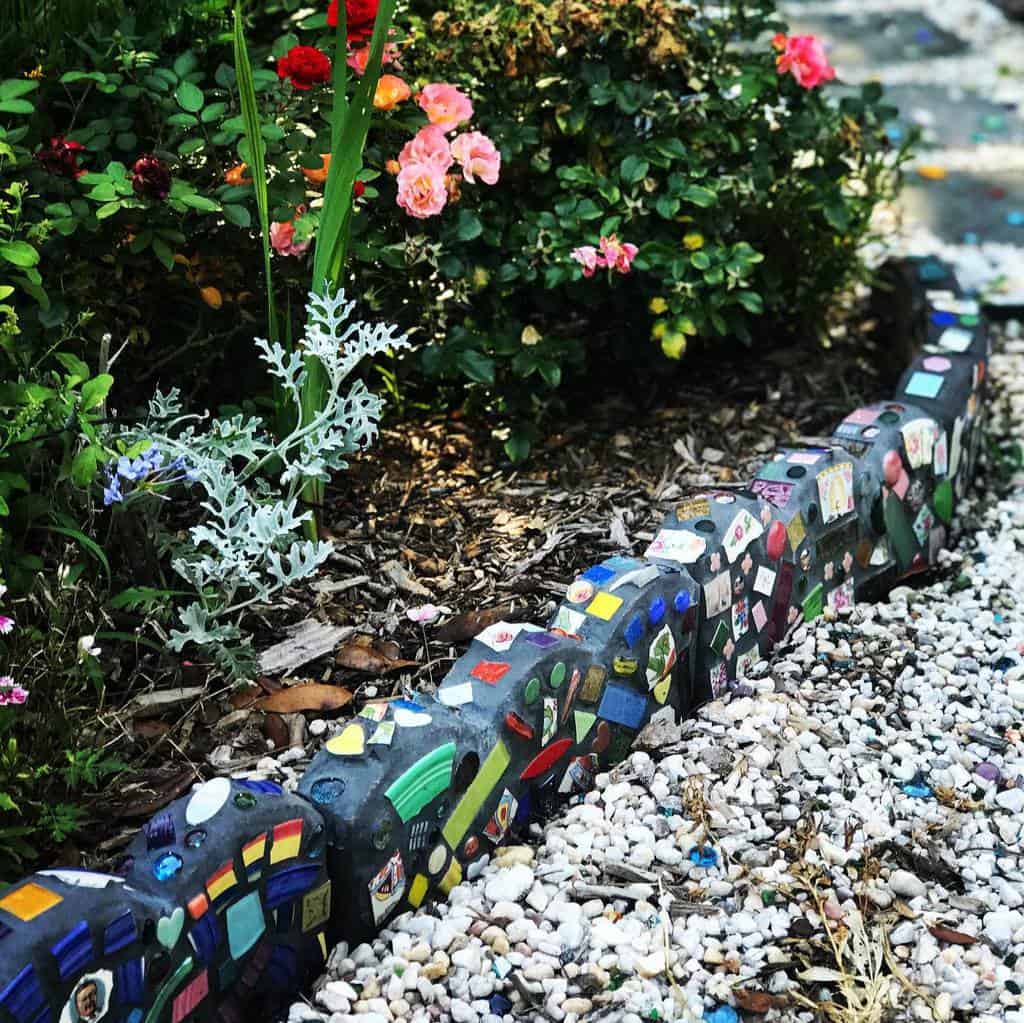
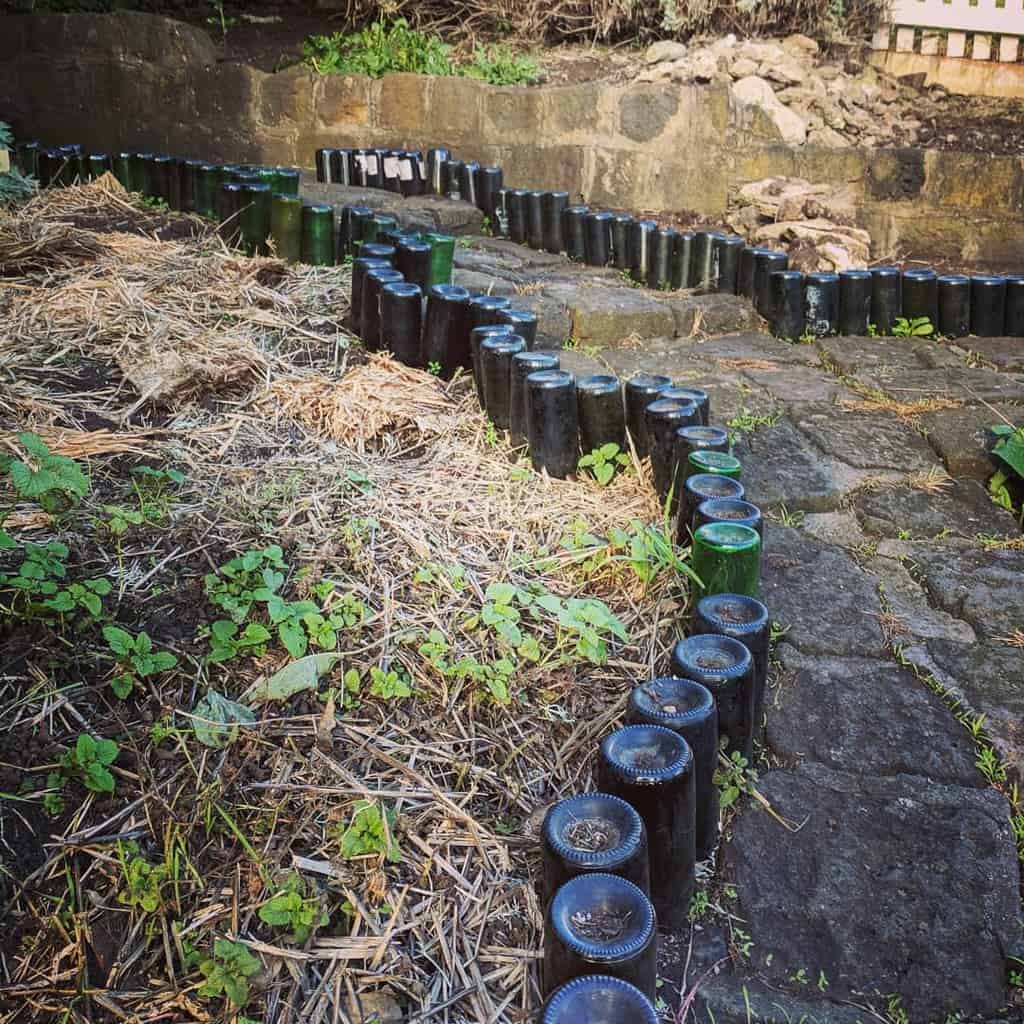
If you’re a creative person, don’t hold back from trying something really unique with your landscape edging. I have seen people line up glass bottles in bright green and rich blue shades, or even use terracotta pots.
You could then plant flowers inside the pots and have them double as your edging. So smart!
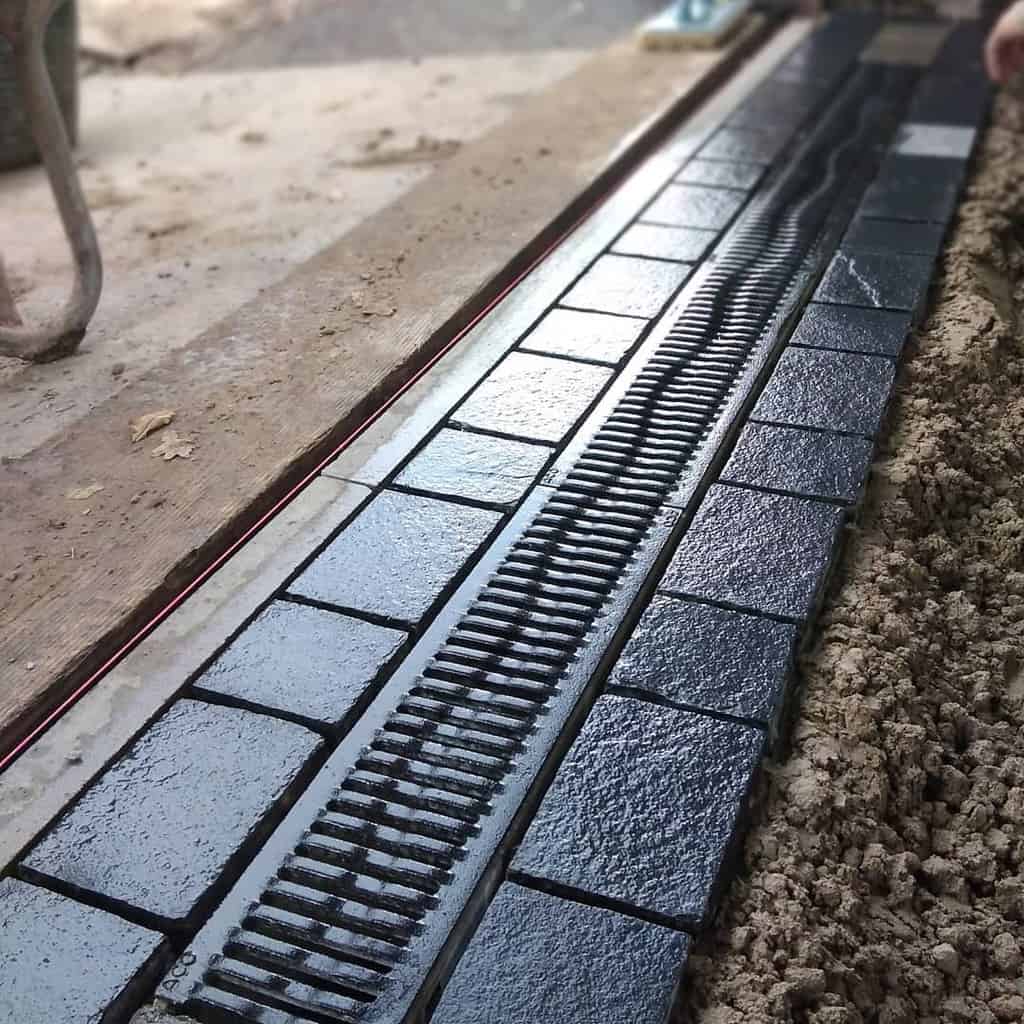
If you have drainage issues, you might think about an edging idea that’s also functional. Creating a trench edge makes a little moat around your lawn’s edge. Any excess water from your yard and garden can then drain into it and be carried away.
To reduce the maintenance a trench might require, you can find edging material that has the trench built right in. You would just dig the trench, put in the edging, and then clear off the grate on top every now and then.
5. Elegant Metal Accents
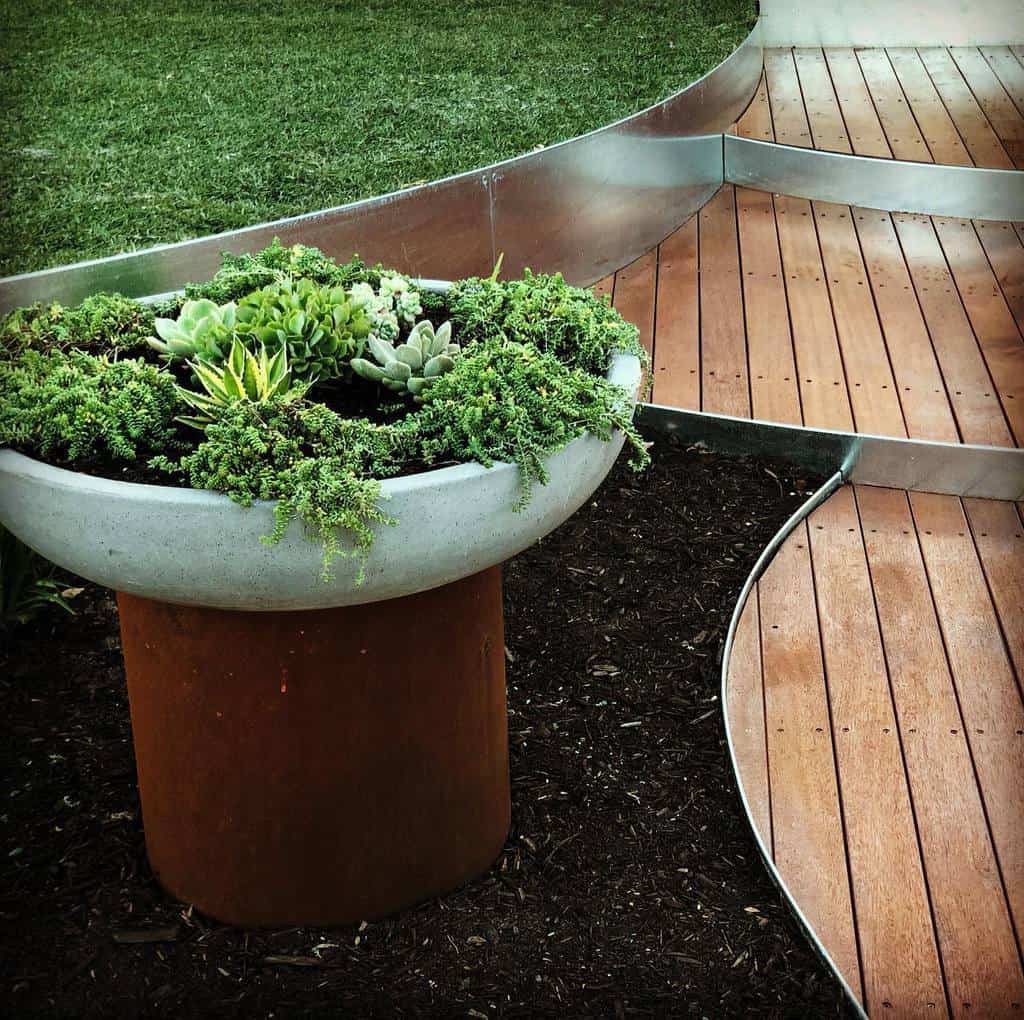
If you are hoping to give your garden bed a sleek and modern feel, then you should really consider using metal for the edge. You can find long, flat sheets that make a thin but very effective wall. What’s so nice about metal is how easily you can bend it to get those beautiful smooth curves.
You can also find long, rigid pieces if you want to create perfectly sharp corners for a more angular garden border. It is so important to pick a metal that is durable enough to hold up in the weather. If you don’t, that shiny silver color will be red and rusty before you know it.
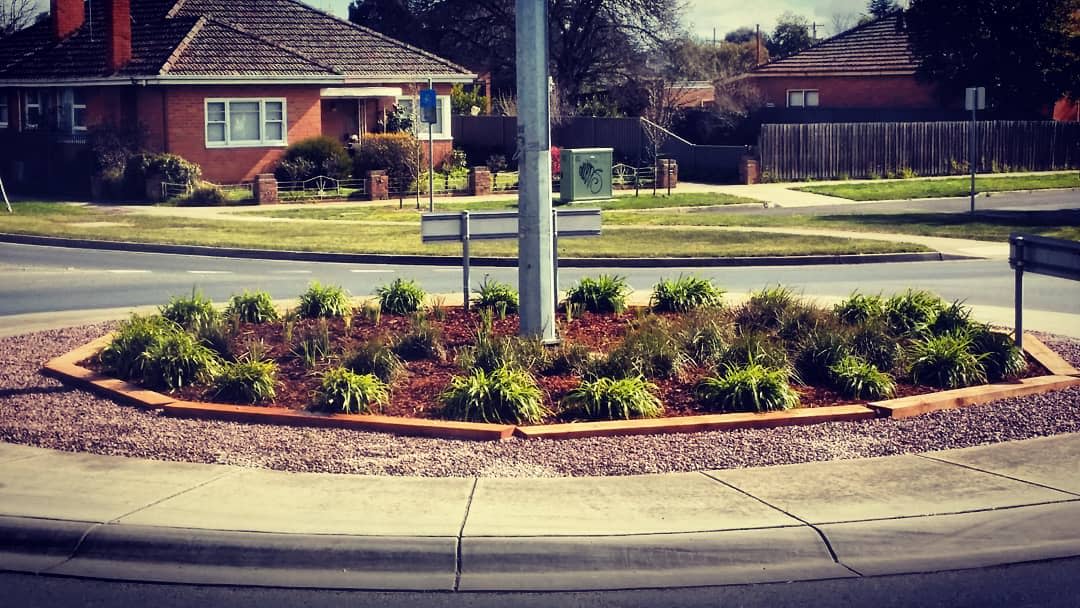
Also, if you’re planning to use mulch, river rock, or pebbles for your border, think about putting a metal edge down first. The metal is strong enough to keep the rocks in place, and it’s also low profile enough that it won’t change the visual effect of the rocks.
6. Practical and Versatile
If you’ve been looking for a solution that is also affordable, plastic edging might be your perfect choice. I see it chosen for lawn edging all the time, but you can definitely use it for your garden too.
It usually comes in black and is sold in a big roll. All you have to do is measure the distance around your garden and buy one or more rolls to get the length you need.
Plastic gives your garden a very clean and low-profile design. It’s also so easy to work with, making it a project you can install by yourself in a single day. The downside with plastic is that it’s not quite as durable as the other options.
It also has a tendency to pop out of the ground if you don’t get it installed just right. Lawn mower blades and other equipment can also tear up the plastic.
7. Natural Elegance
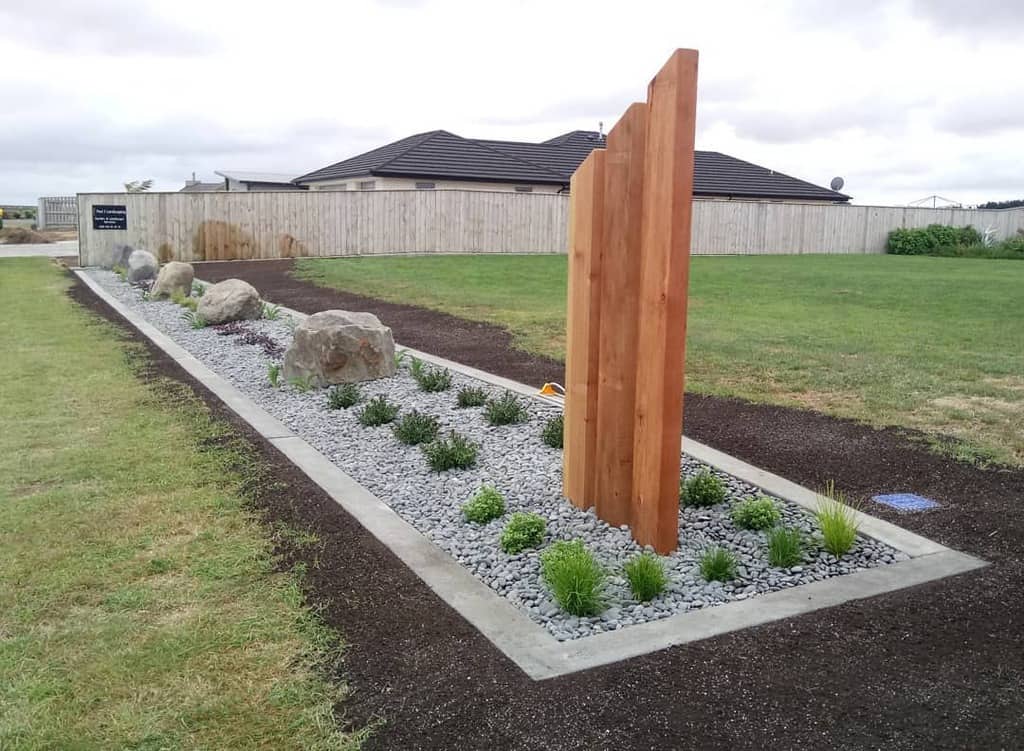
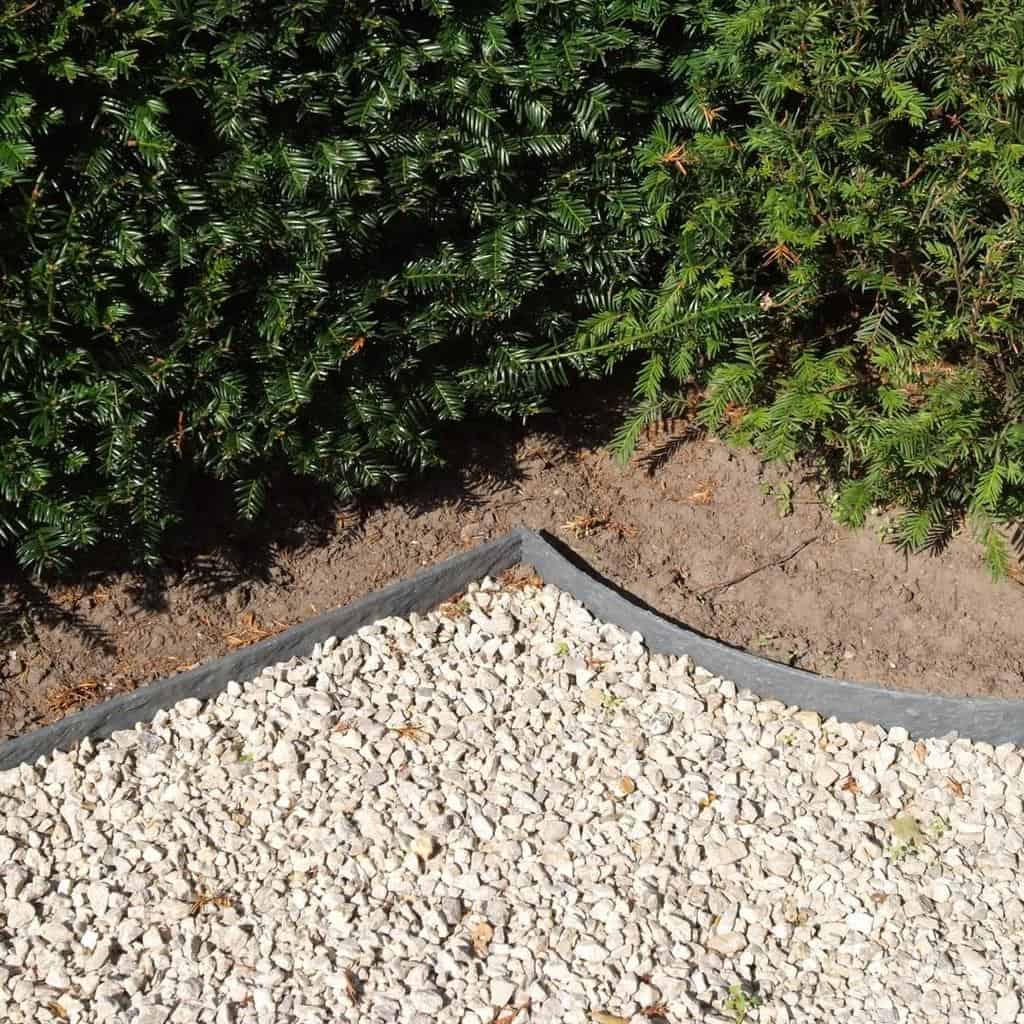
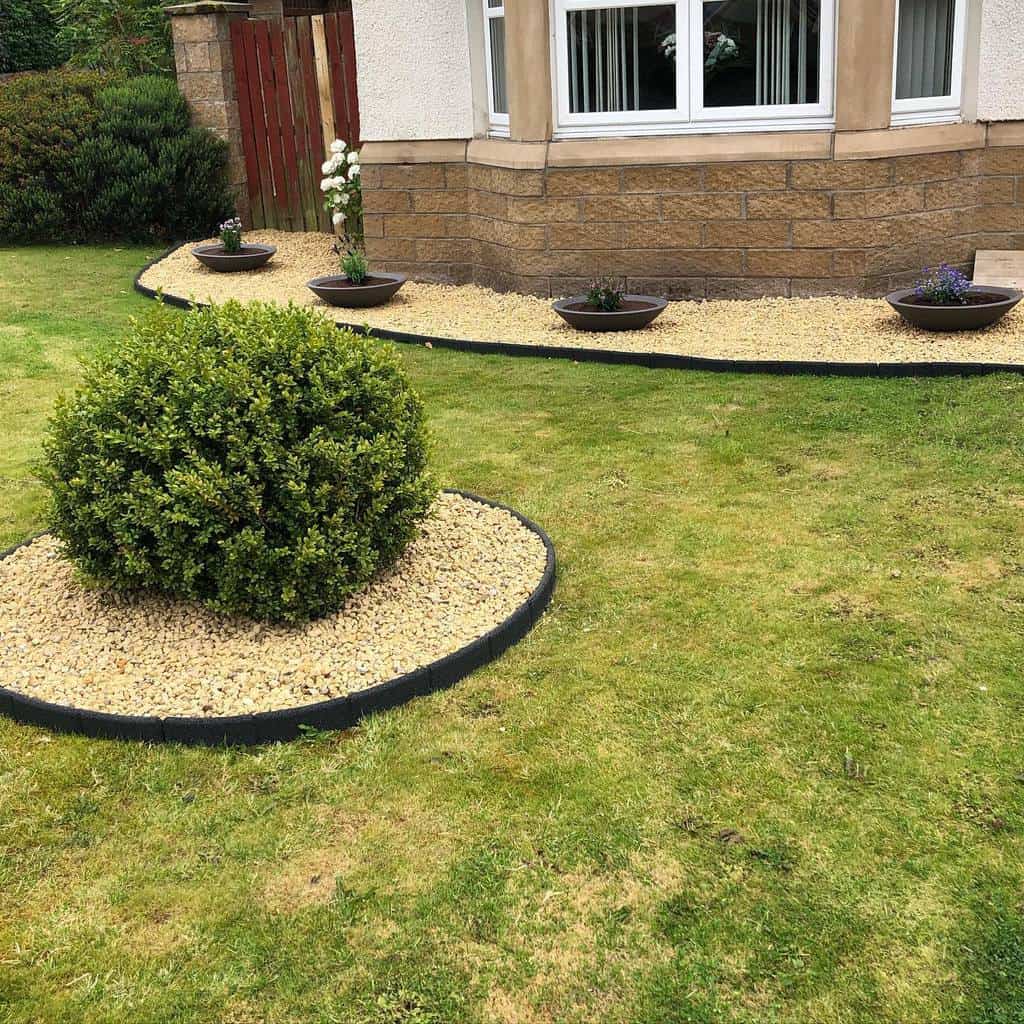
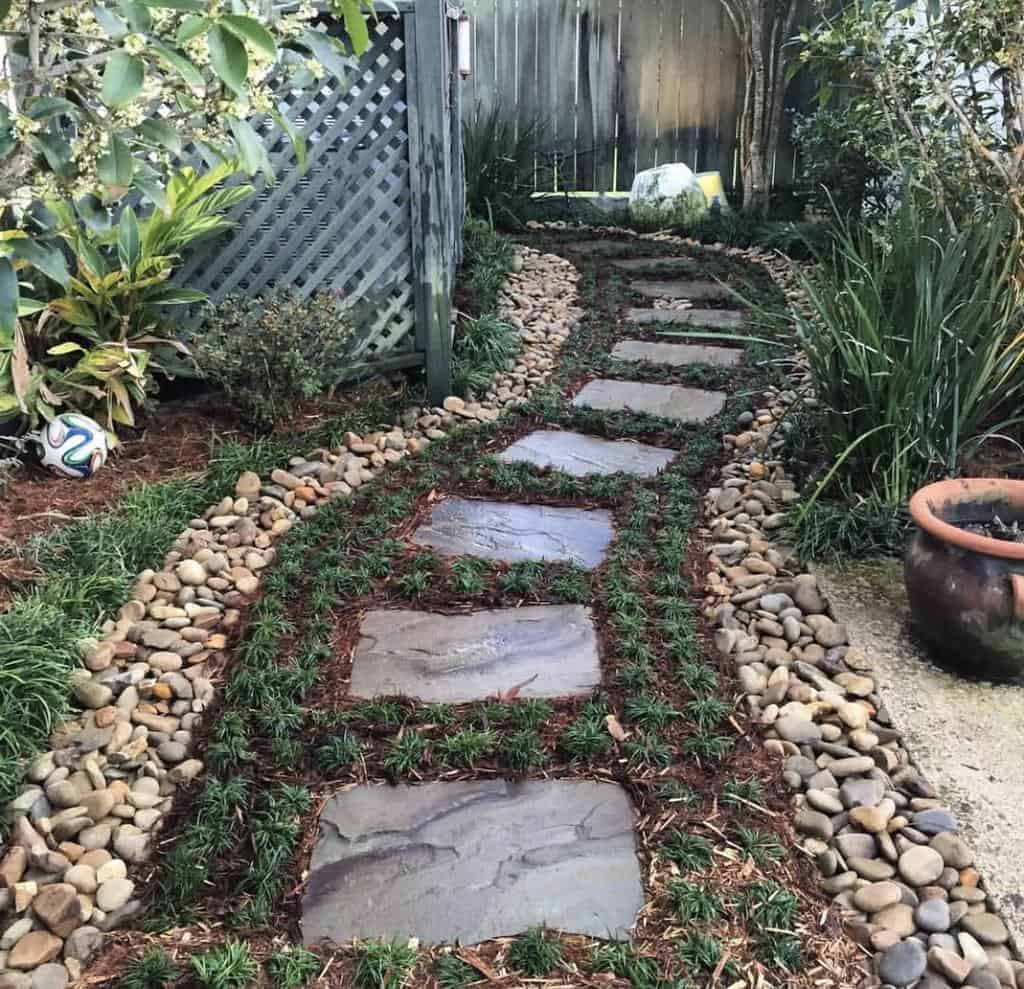
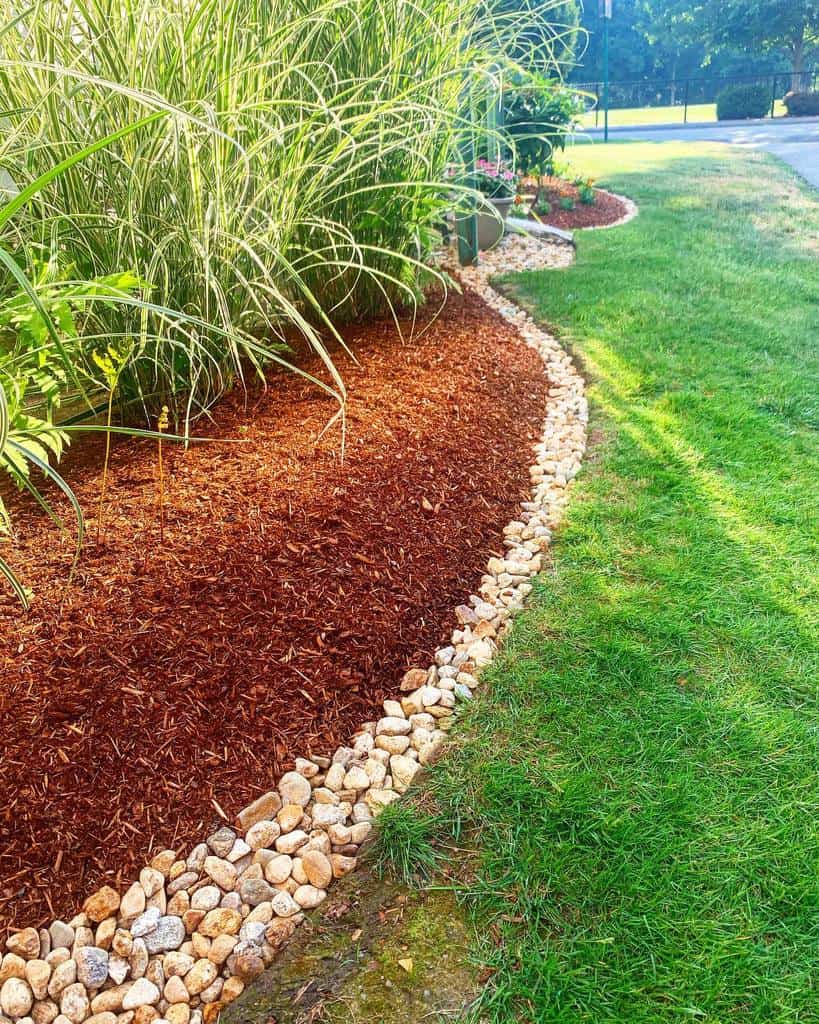
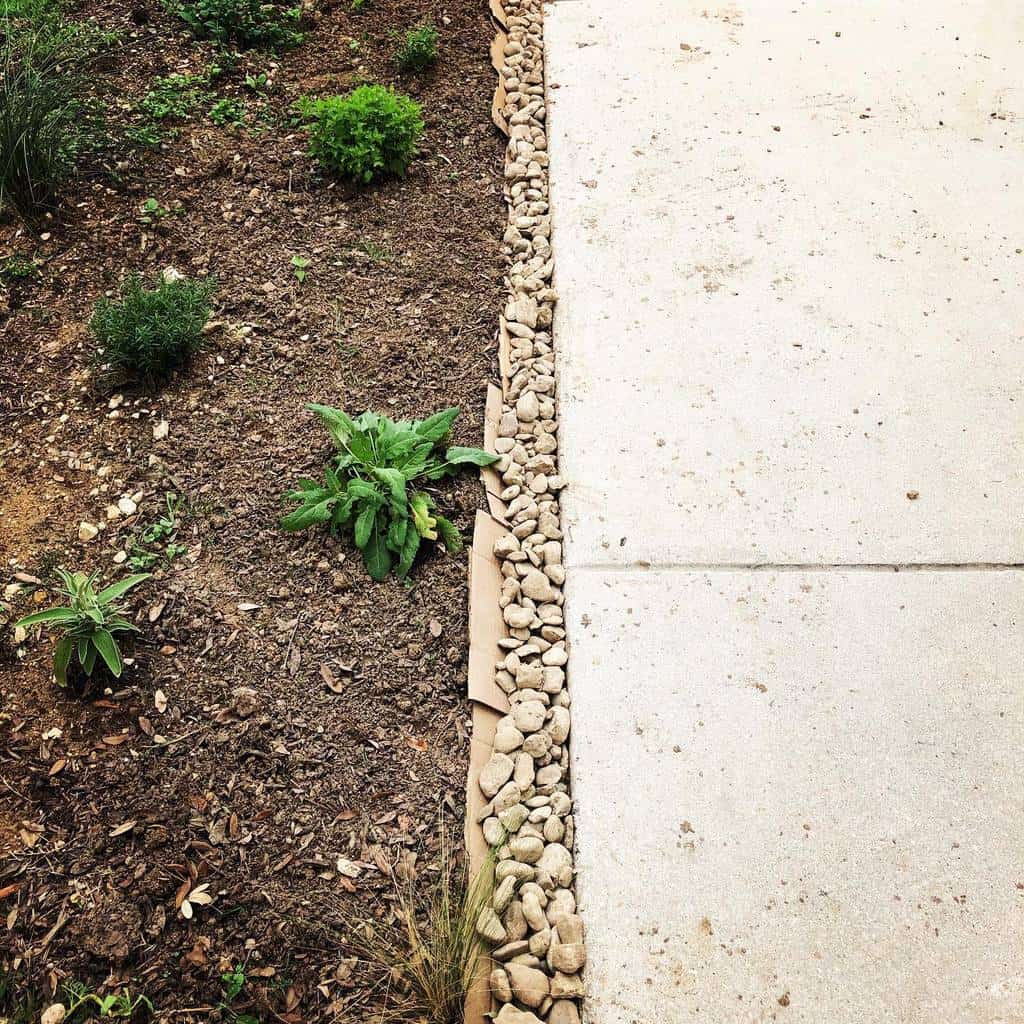
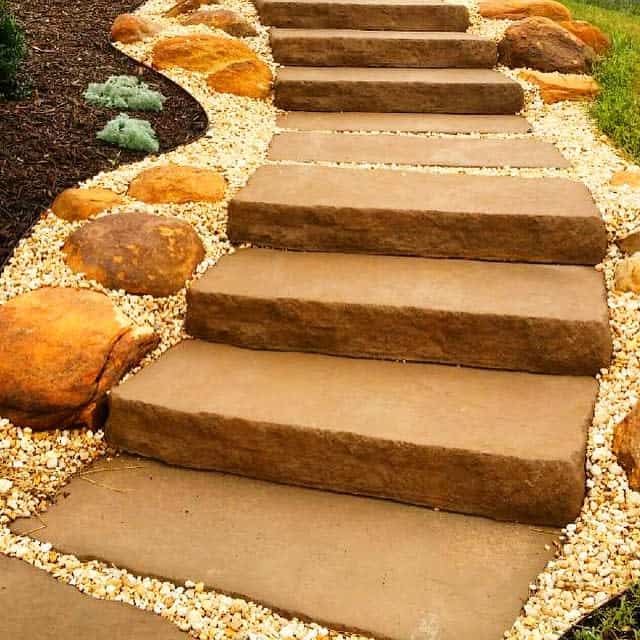
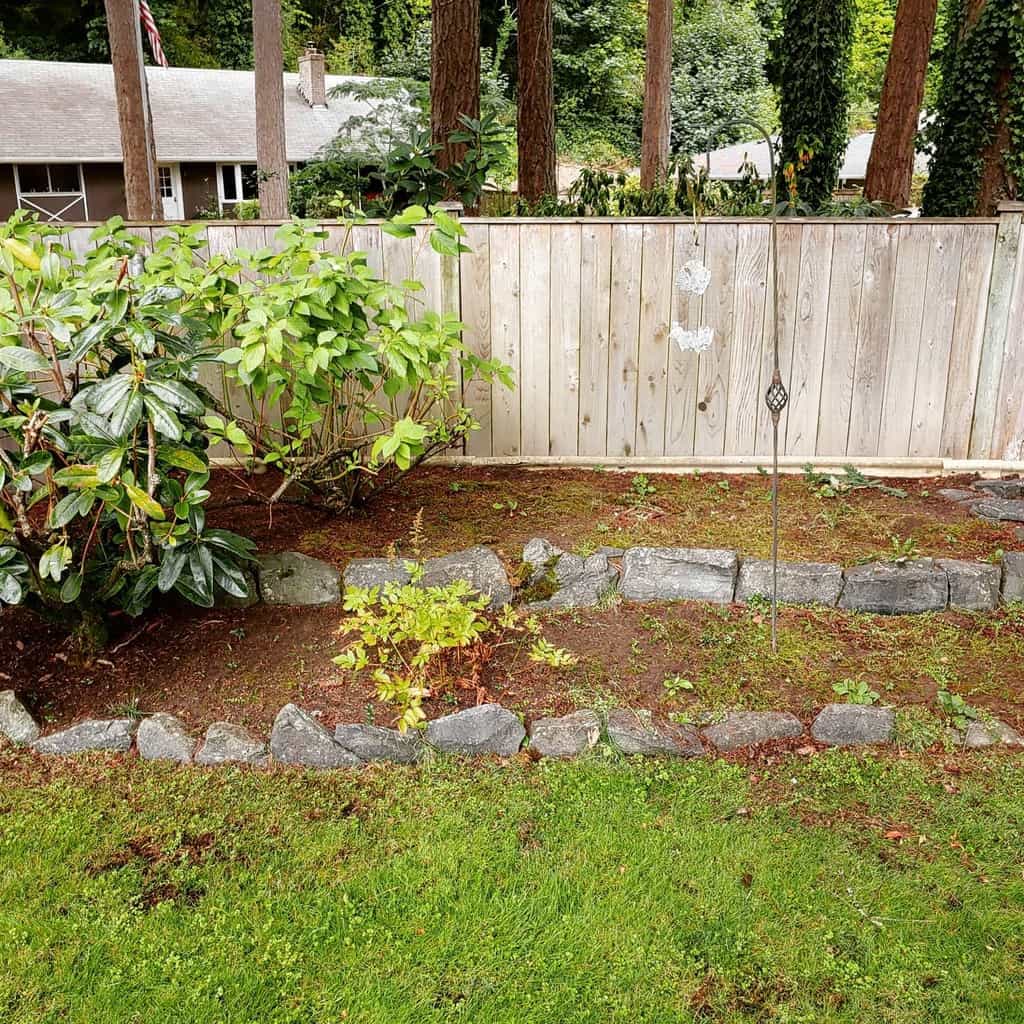
If your goal is to make a visual border that stays flat on the ground, then using rocks or pebbles is a great idea. This creates such a decorative landscape border. To really make this look work well for your garden, my tip is to stick with smaller rocks, like pea gravel, river rock, and pebbles.
When you’re laying down your rocks, you don’t have to dig very deep. You only need to go deep enough for a few inches of gravel. I always recommend laying a matting down before you put in your stones.
This will help stop weeds from popping up between them and creating a high-maintenance situation.
It’s also a smart move to add a border to your gravel edging to help hold all those little stones in place. You can finish the edge by pouring the stones in and smoothing them out.
8. Timeless Charm
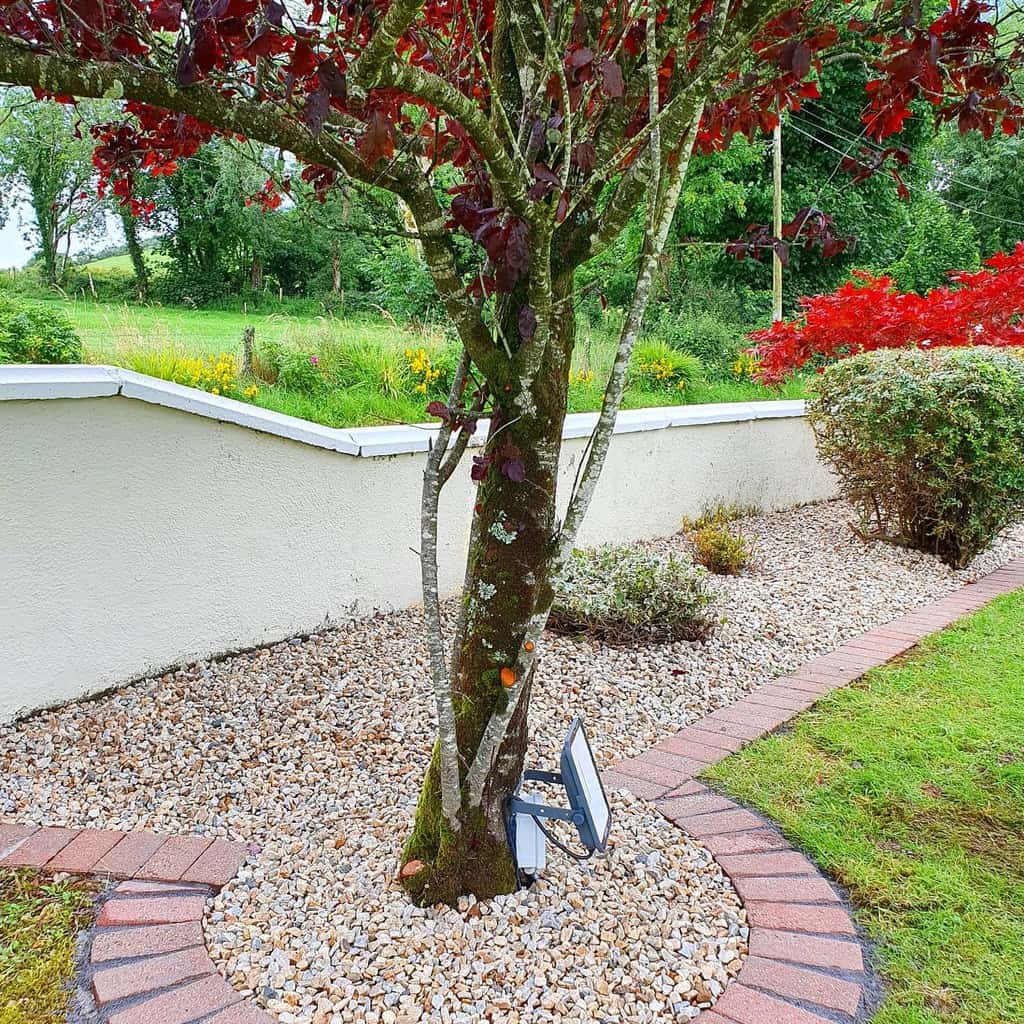
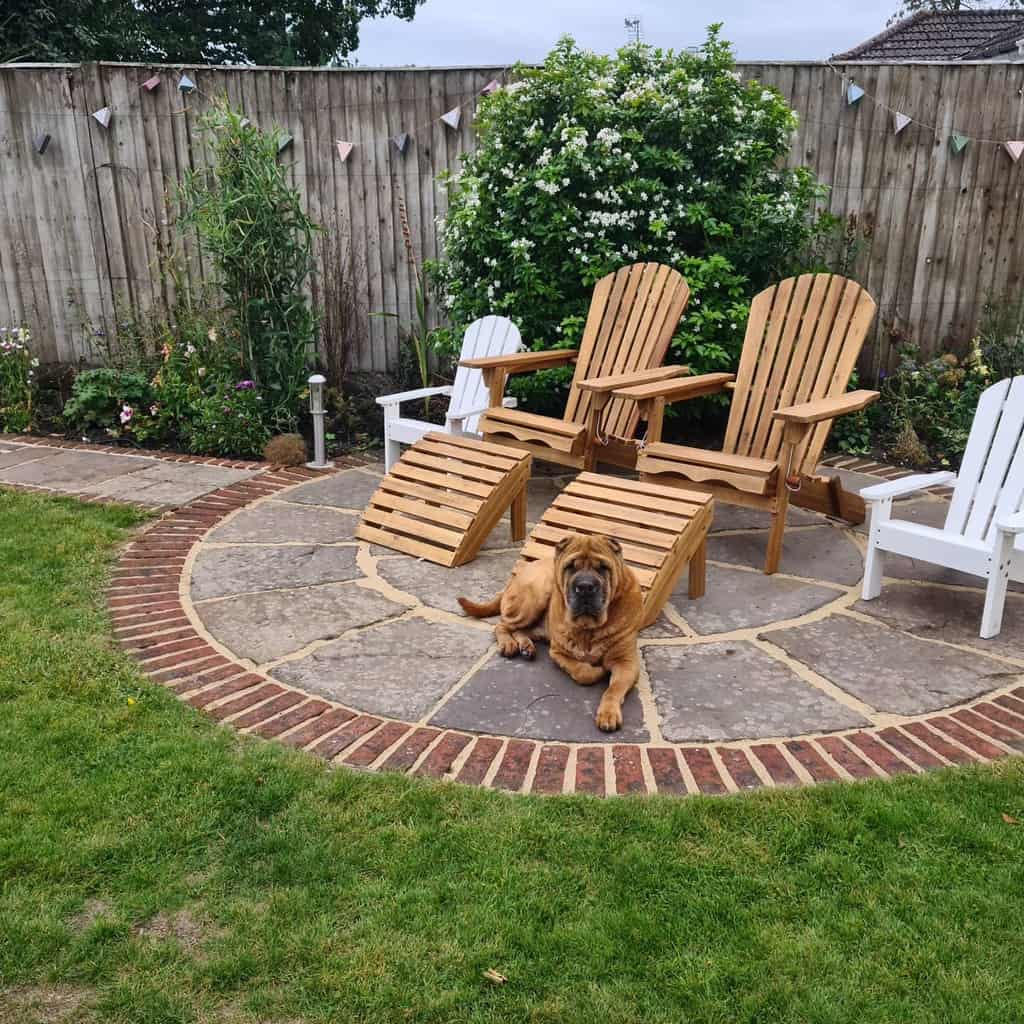
I just think stacked bricks give a home such a classic, colonial feeling. They’re also perfect for giving your home’s exterior a more upscale look. If you are already planning to use bricks for a patio or walkway, it’s a great idea to continue using those same bricks for the edging around your landscaping.
If you’re hoping to create a raised bed, you can stack the bricks on top of one another to get the height you want. Then you have a mini brick wall.
For a look that’s more streamlined, you can embed a single row of bricks into the ground. This keeps them flush with your walkway but creates a really nice visual accent or frame around it. If you have a concrete sidewalk, lining both sides with bricks is an affordable way to elevate the look.
9. Functional Beauty
A retaining wall is something you’ll need when you plan to build in a spot where you have to cut into the earth. Maybe your home is in an area with mountains or hills. Or maybe you just want to build up part of your property. The retaining wall is what supports the weight of the earth behind it.
A simple retaining wall can be made from poured concrete. To give it some extra strength, you can reinforce it with rebar. Some other options for building your wall include stone, wood, and even metal sheets.
The material you end up choosing will really depend on how big your retaining wall needs to be and the look you want to achieve. Stacked stone can be perfect for a small retaining wall in your raised garden. However, it might not be strong enough to hold up an entire garden.
10. Stamped Concrete Styles
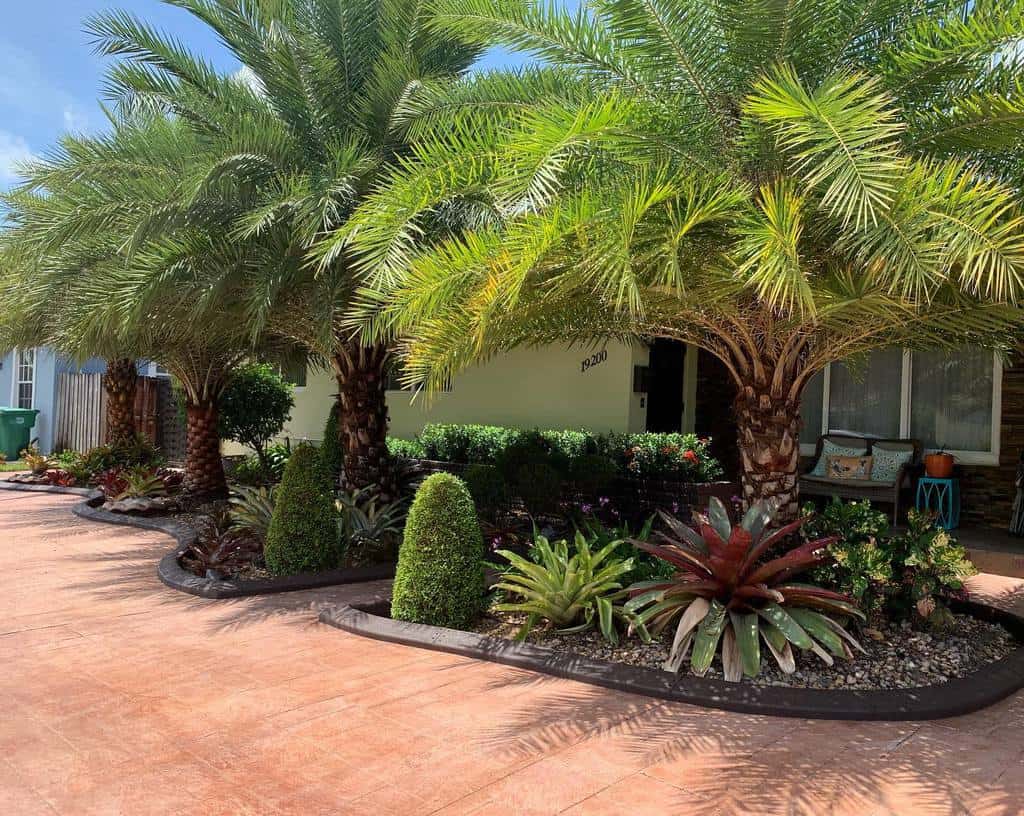
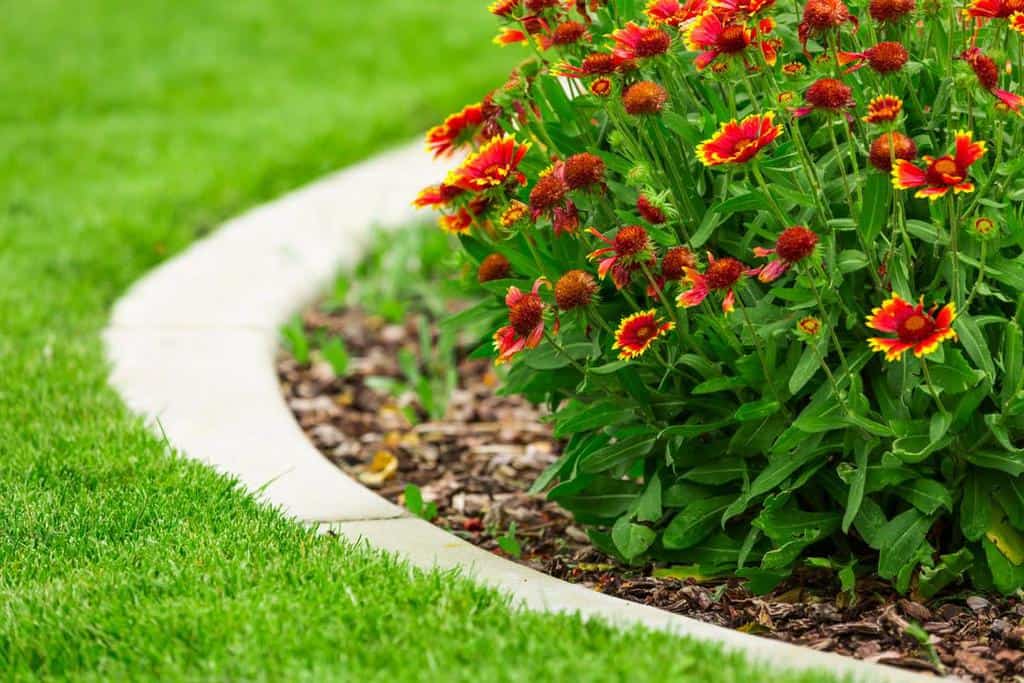
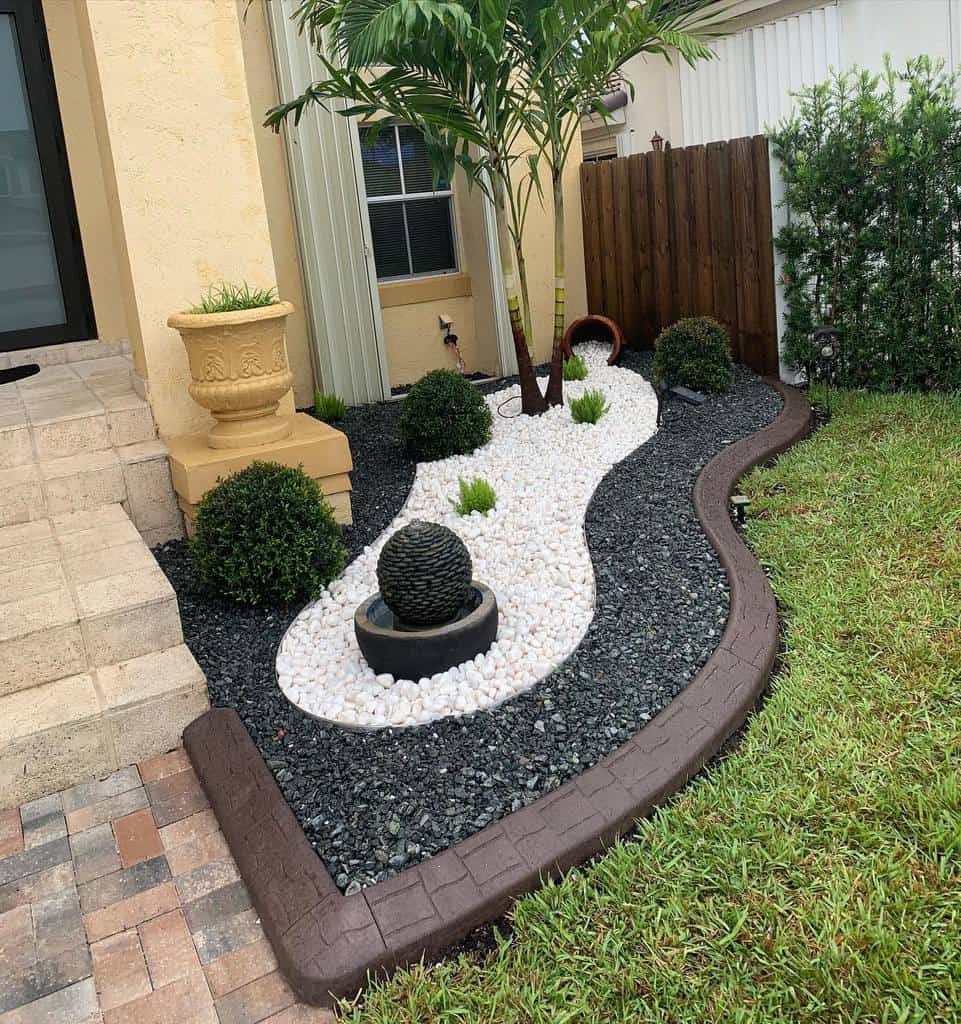
One of the fastest and easiest solutions for a garden bed edge is definitely stamped concrete. It comes in sections that are already made, so you just buy them and place them.
It is available in different finishes, so you can get the look of natural stone, wood, or brick. You can pick almost any color you can think of, and if you can’t find the exact color you want, you can just paint it.
This poured concrete is made in molds or poured on-site and then stamped to give it a texture and pattern. I think concrete is such a smart choice for landscaping because it’s low maintenance and durable, and it won’t corrode.
11. Garden Edging Ideas Featuring Stylish Pavers
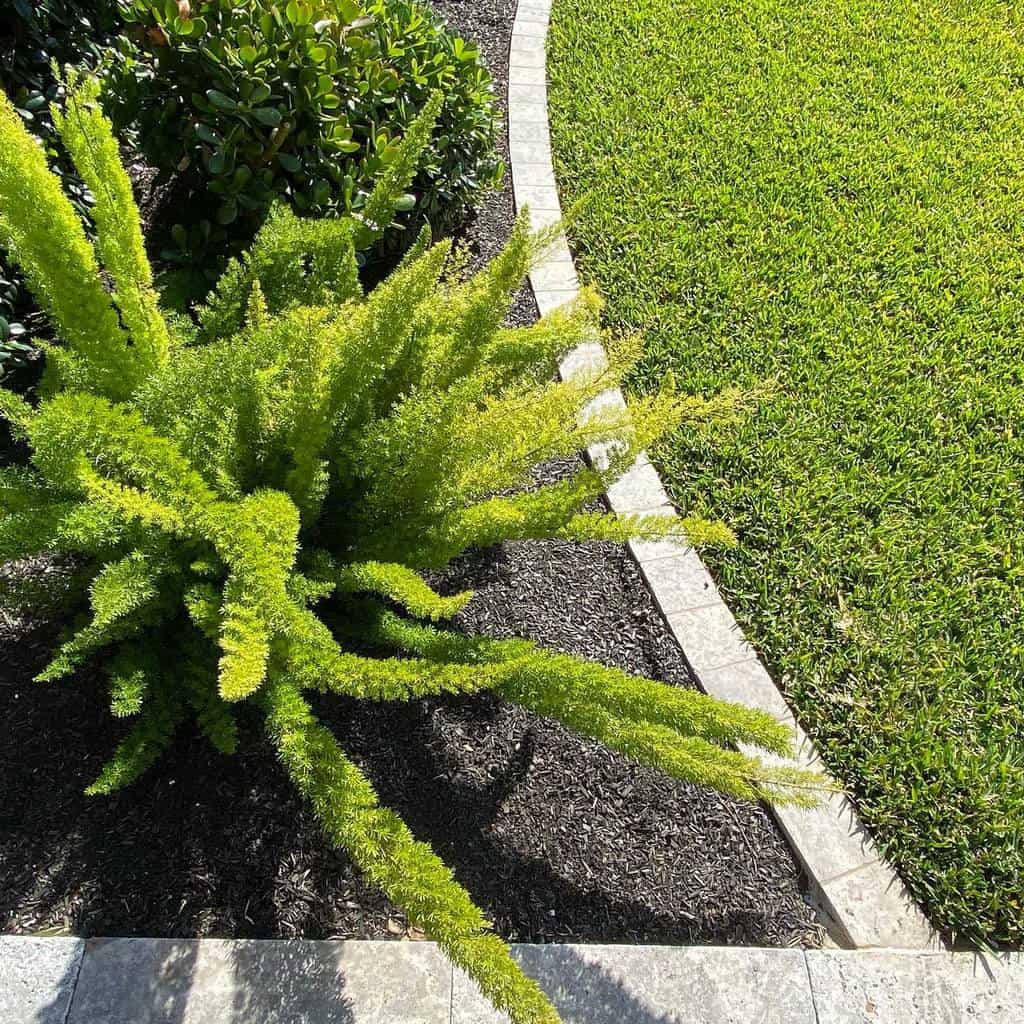
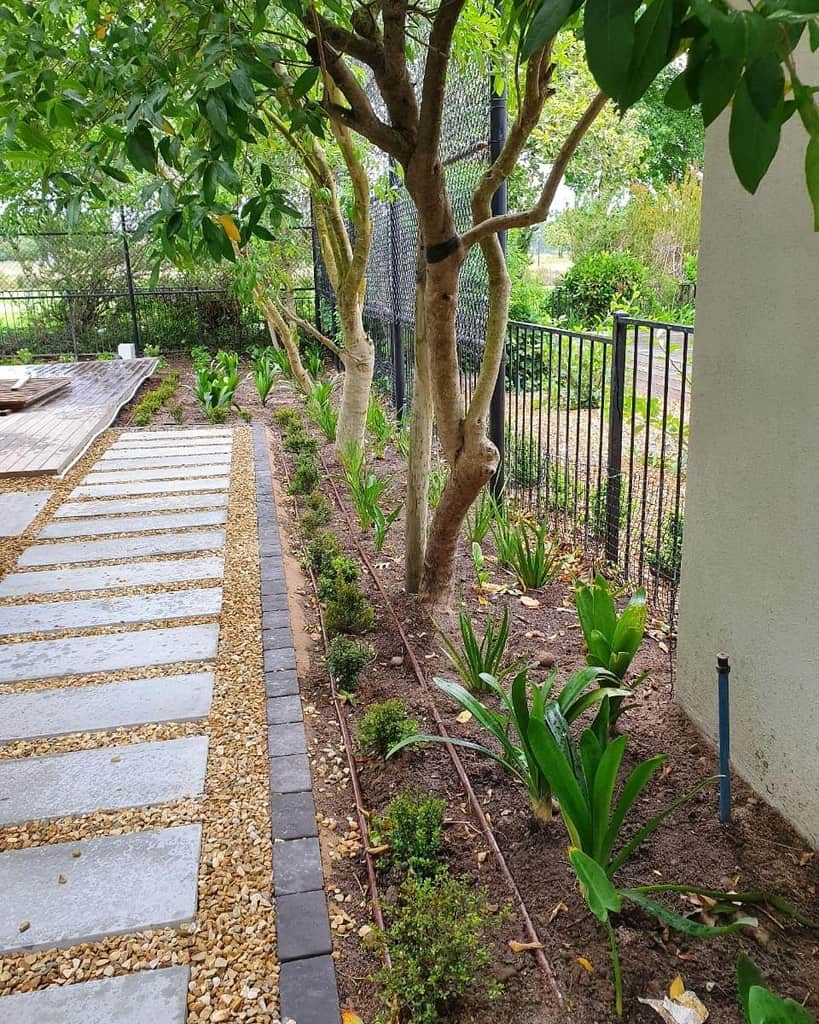
If you already happen to have paving stones somewhere in your yard, why not use them for your edging to create a really cohesive design? Just extend the pavers over toward your garden.
When you get to where you want the edge to be, you can turn a paver up on its end. This makes a solid visual edge that also blends in beautifully.
Another way to do it is to choose a contrasting paver. It could be a different size or even a different color from the ones used on your driveway or walkway. Use this new paver to create a line all the way around the outside. This defines your edging while still tying everything together.
12. Building Block Solutions
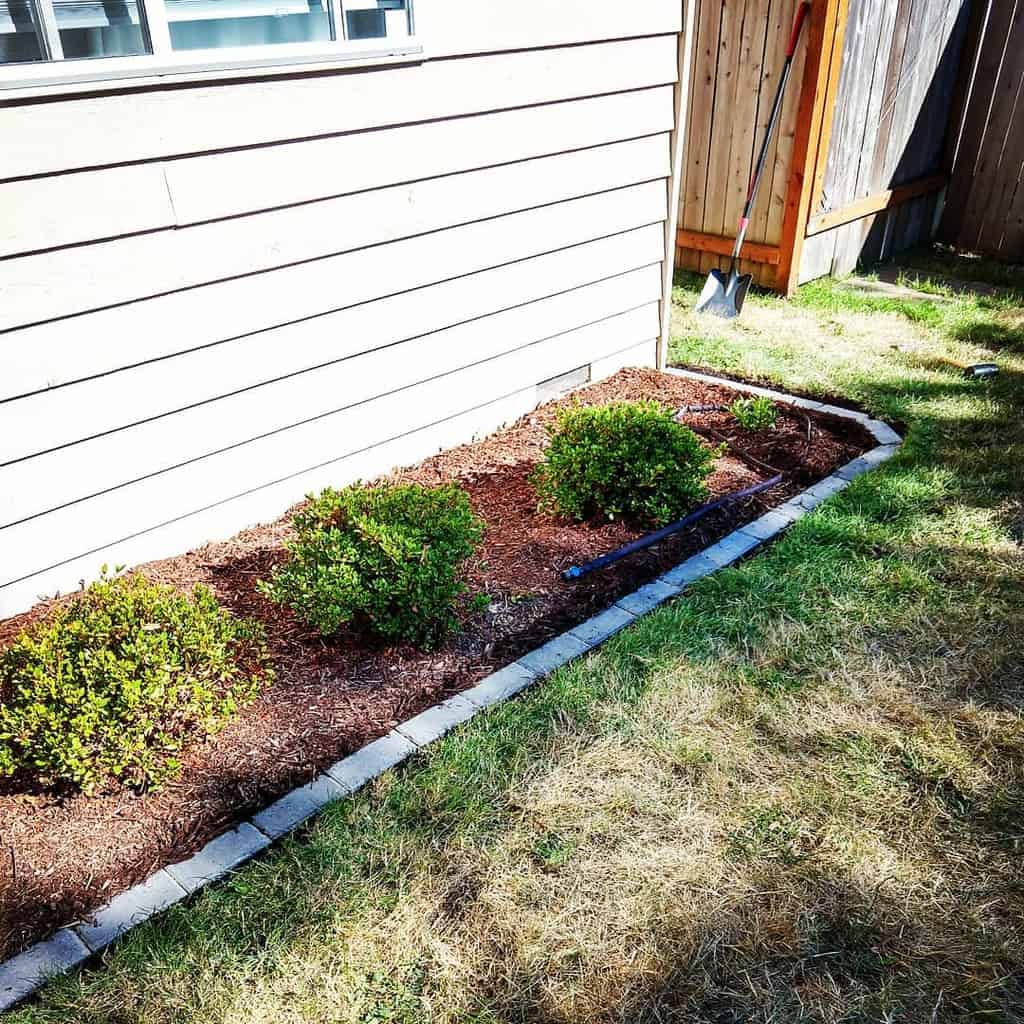
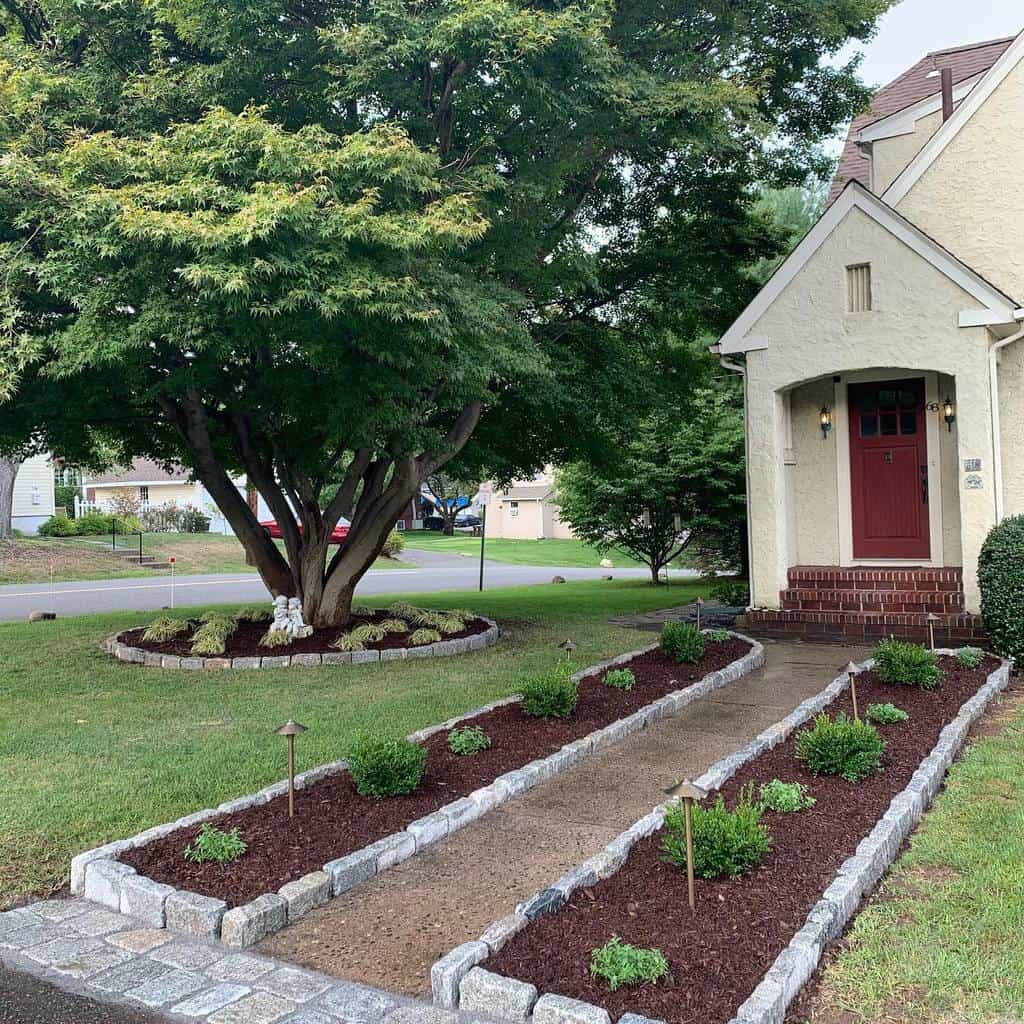
If you love the look of stones but are hoping for something a little more uniform for your landscape design, then stone blocks are a perfect choice. These are not your typical cinder blocks.
These are cut blocks that look like stone but have a standard size and shape. This makes them so much easier to work with than trying to arrange natural stones that are all different sizes and shapes.
Stone edging is available in a huge variety of sizes, colors, and shapes. You’ll want to make sure the stones are scaled to the size of your flower bed or vegetable garden. This is what will create the most curb appeal.
You will need smaller or shorter blocks if you want to create more curves or try out more creative ideas with your landscape edging.
13. Aesthetic Appeal
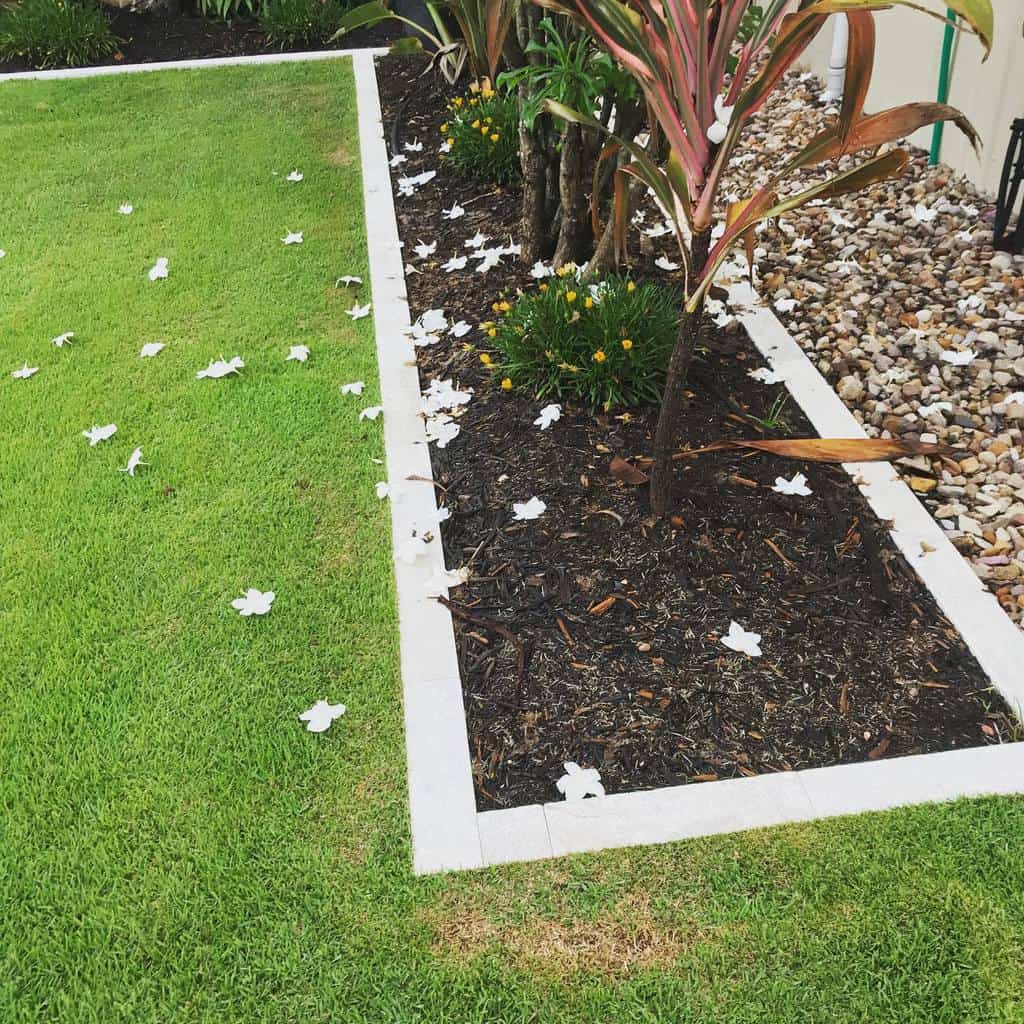
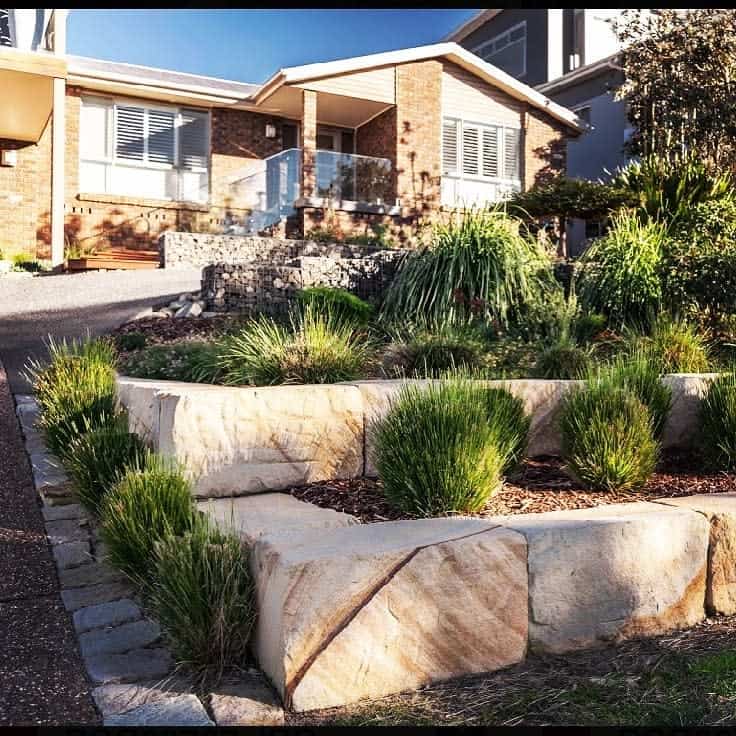
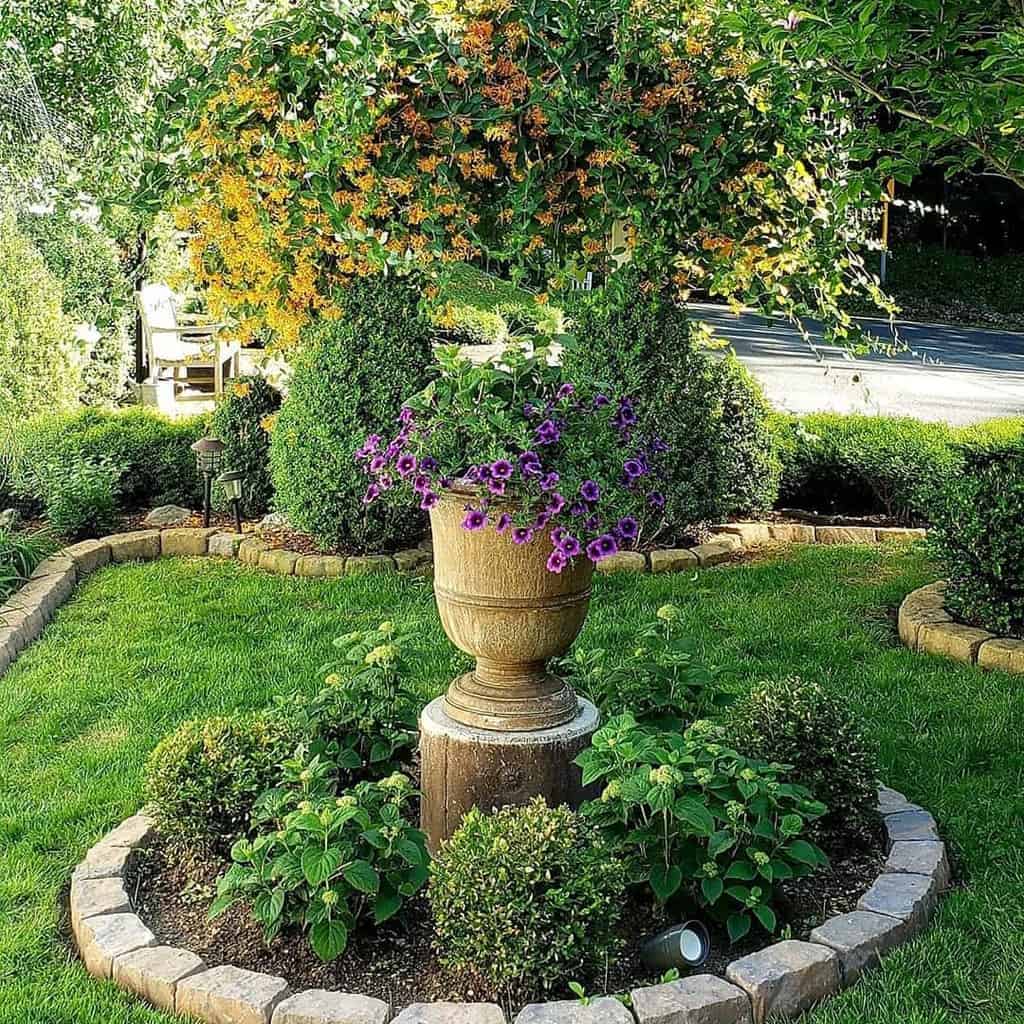
You could always hire a contractor to come out and pour custom concrete edging for your landscaping. However, I know that can be expensive and might not be worth the investment for you.
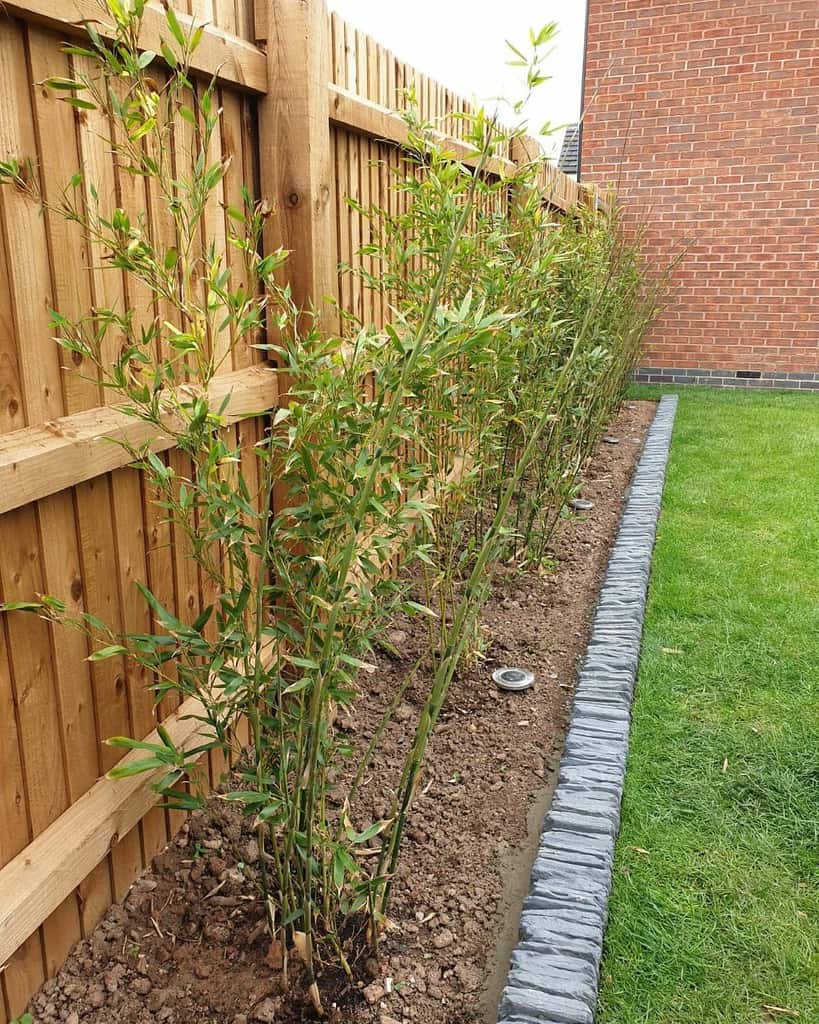
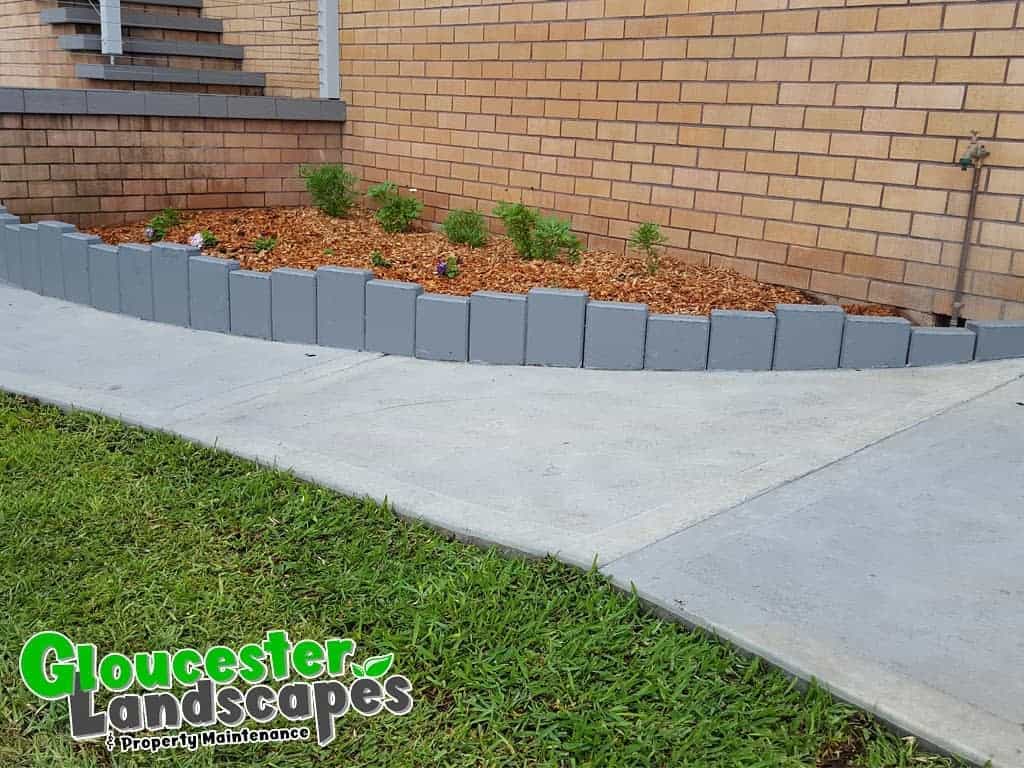
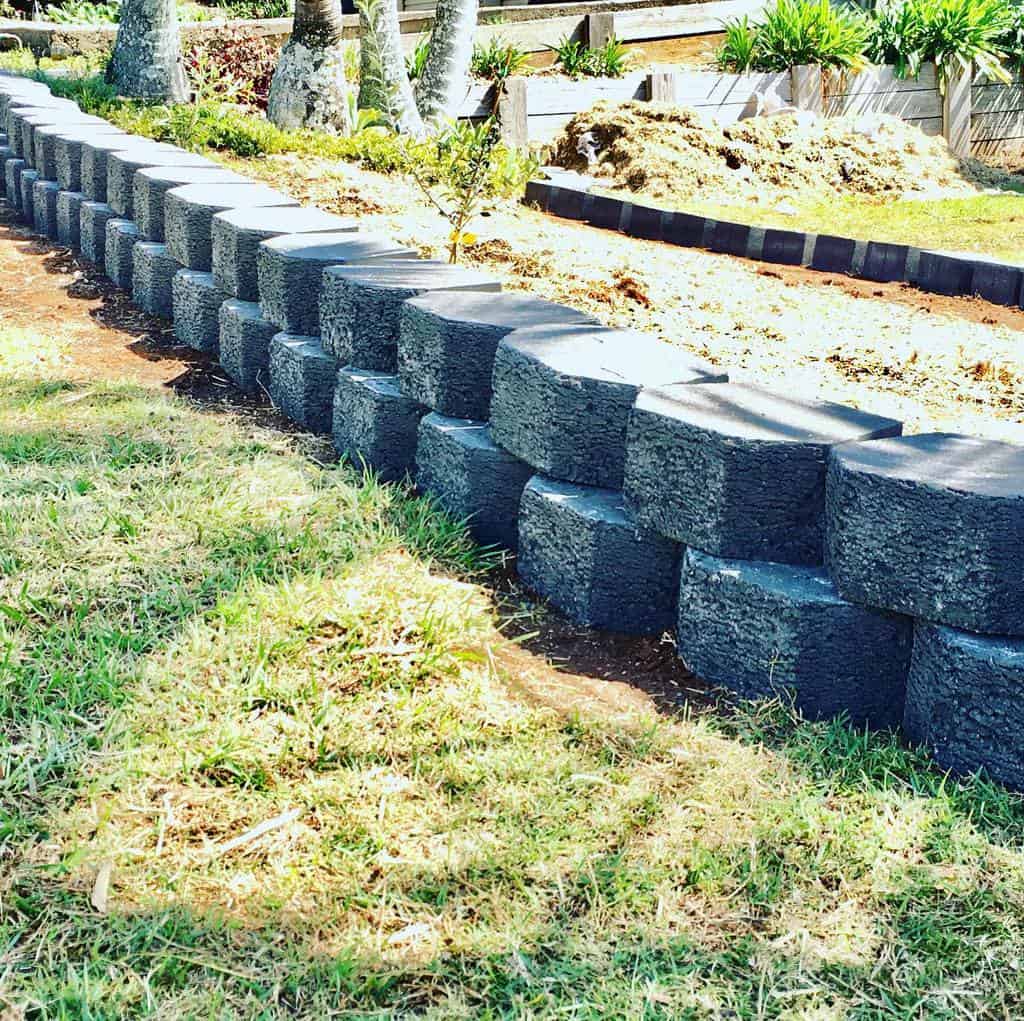
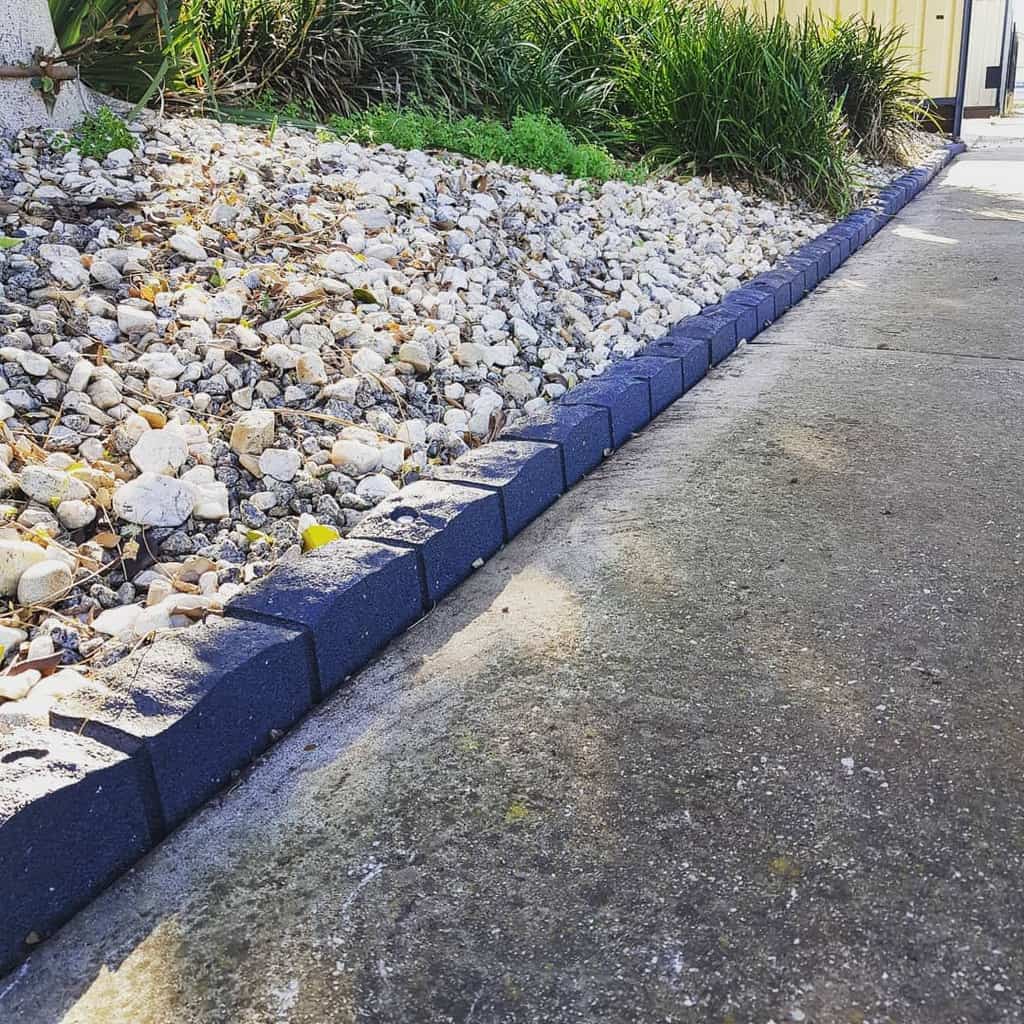
Instead, you can buy concrete edging pieces that are already made and do it yourself. These pieces are available in a wide range of patterns, designs, and sizes.
If you choose to go this route, it’s probably best to know the general size of your garden but not the exact shape just yet. Since these pieces have limited shapes, you’ll need to lay them out first.
Then you can finish creating the garden by following the line of the edging you’ve placed. After that, you can sink the edging into the ground and finish up your garden.