There’s just something magical about growing your own food, right? Knowing exactly where your meals come from, getting a huge boost of nutrition, and saving some money at the checkout is a total win in my book.
And you really don’t need a massive plot of land to get all the amazing benefits. You can absolutely try planting in your backyard, using planters, going for raised beds, or even putting up a greenhouse.
No matter which path you take on your gardening journey, a few key things are always part of the plan. You’ll definitely want to find the best spot for sunlight, get that soil nice and rich, and have a solid vegetable garden layout.
Check out these amazing vegetable garden ideas to get totally inspired to plant your own delicious and healthy veggies.
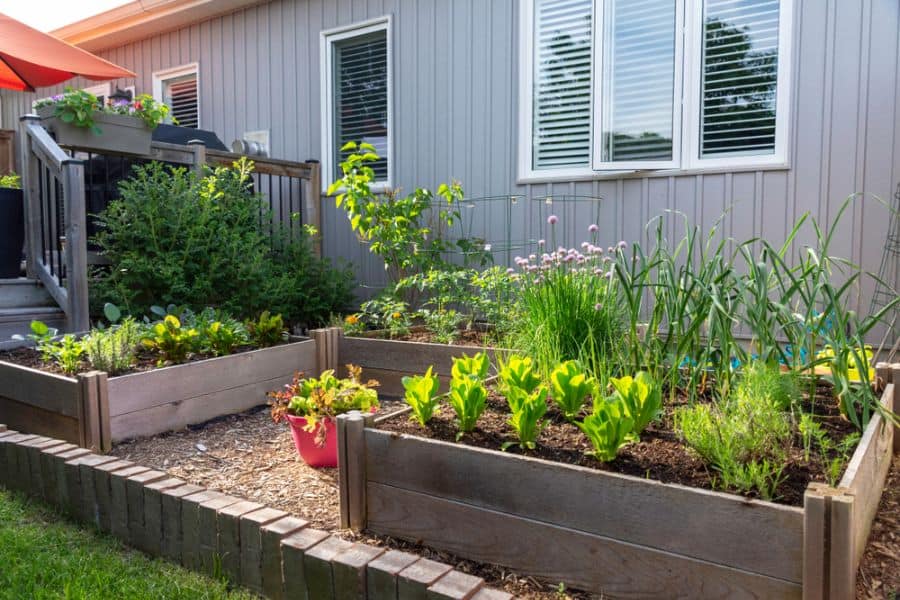
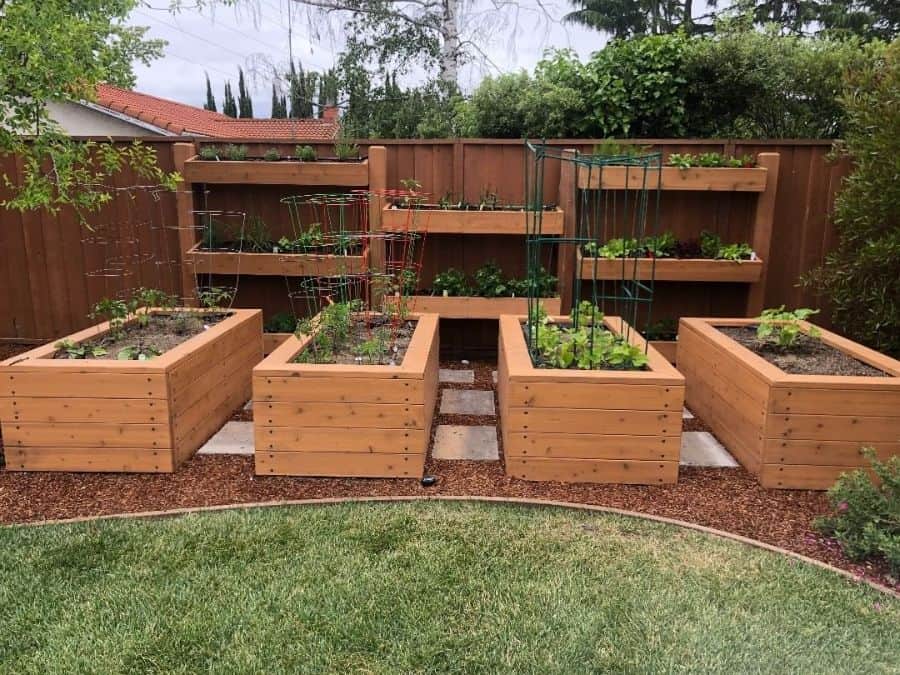
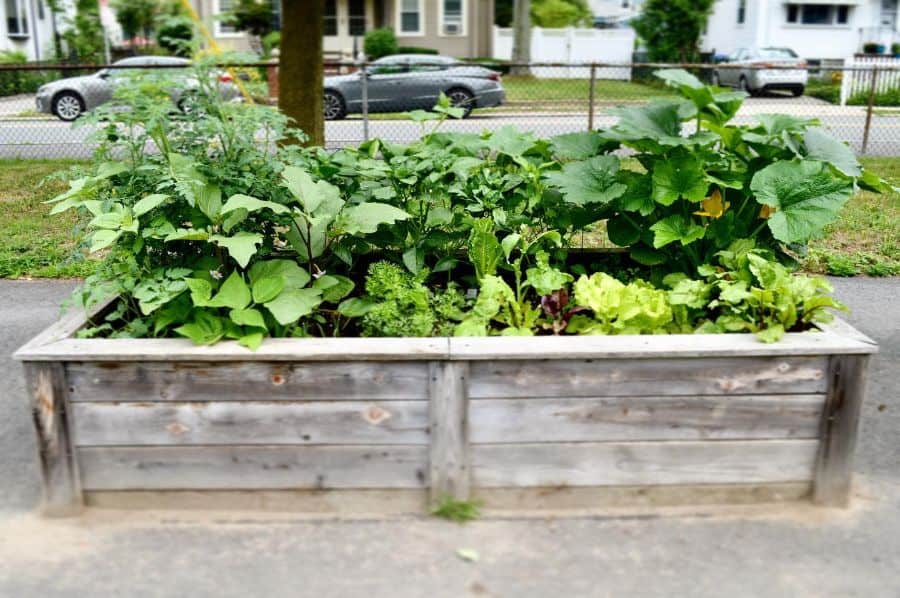
1. Rise Above With Raised Beds
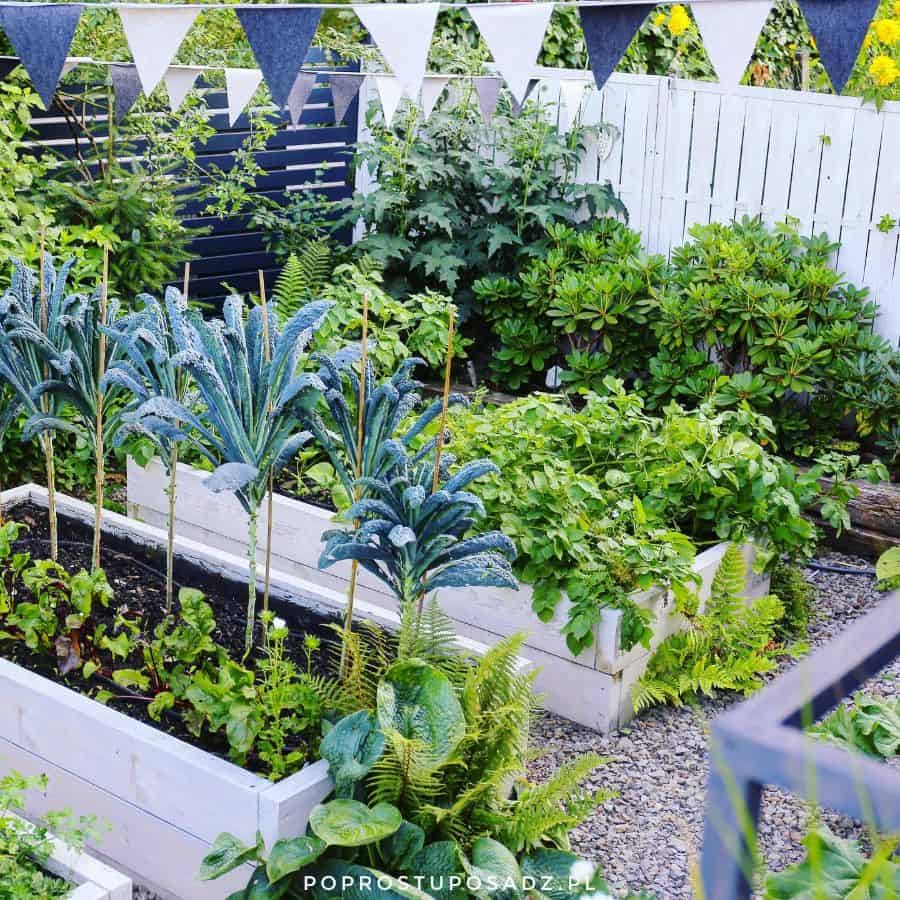
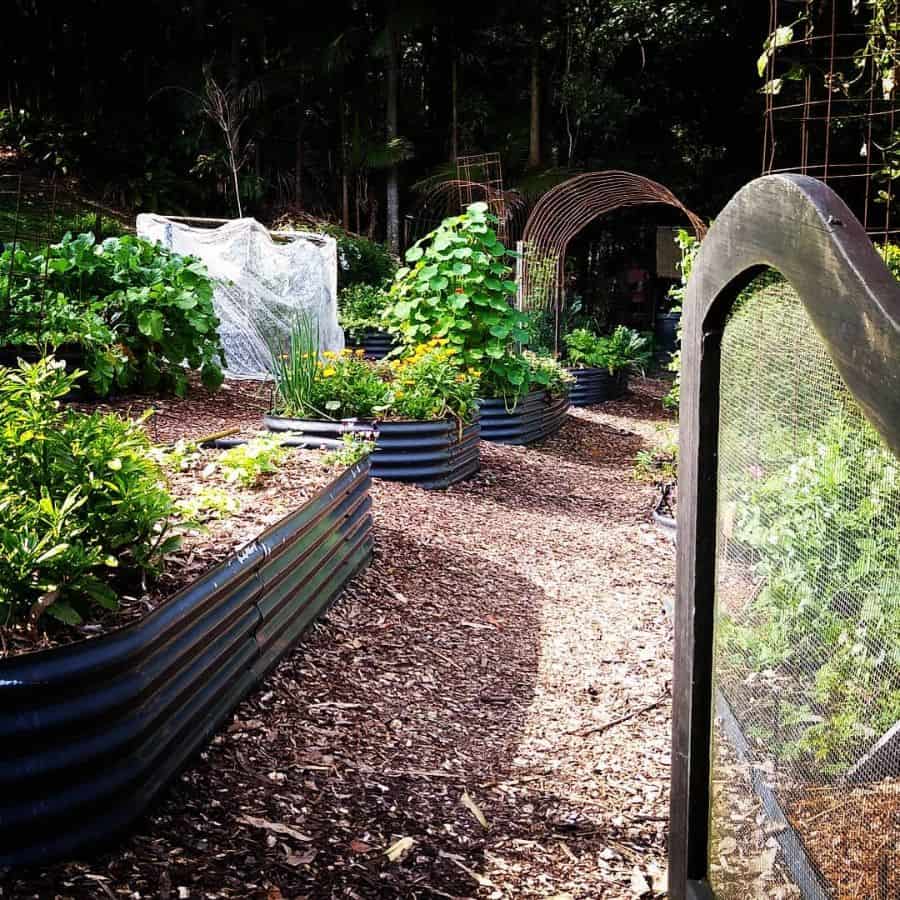
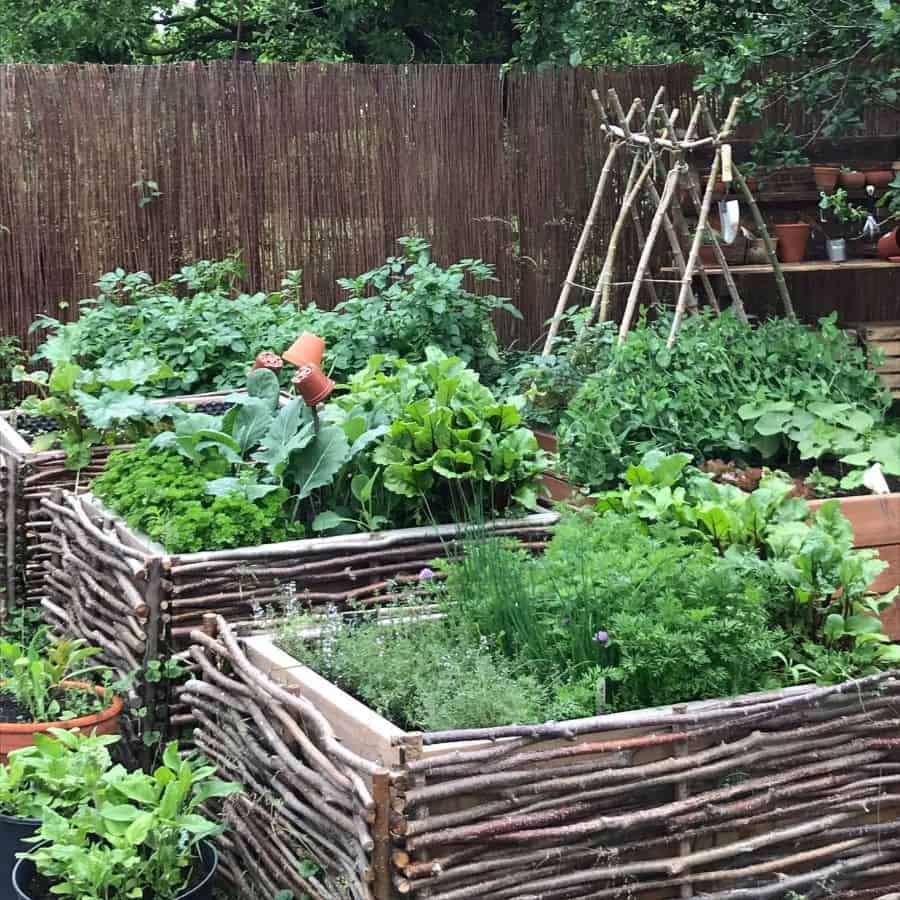
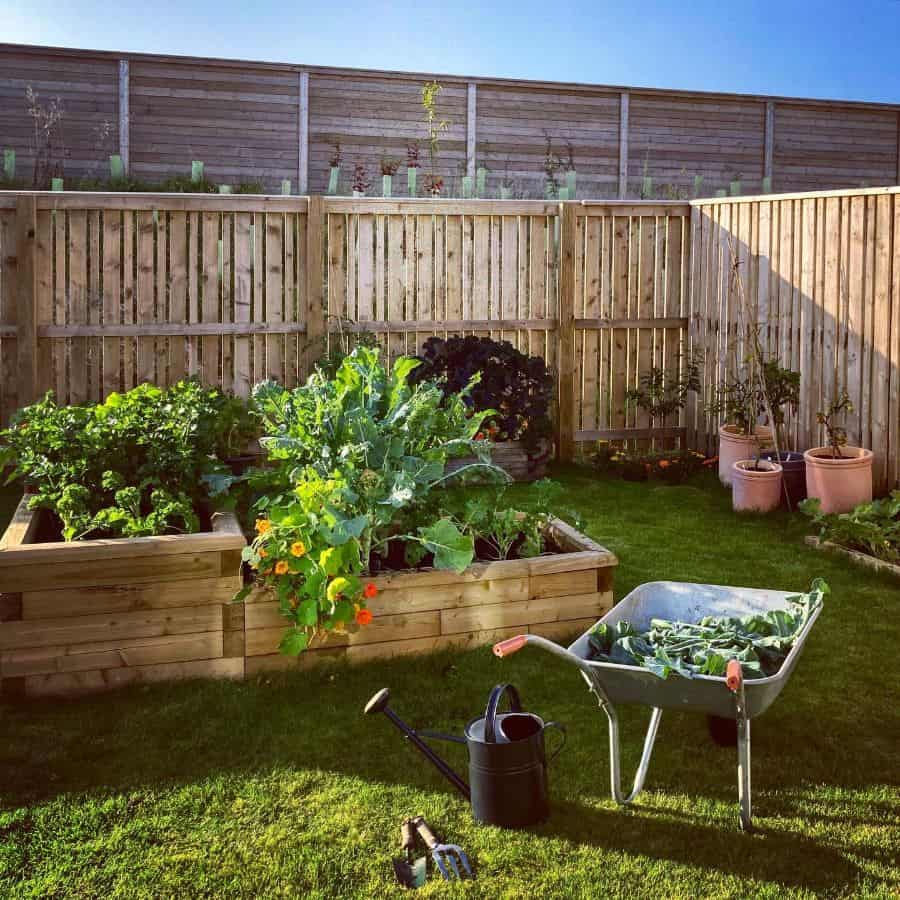
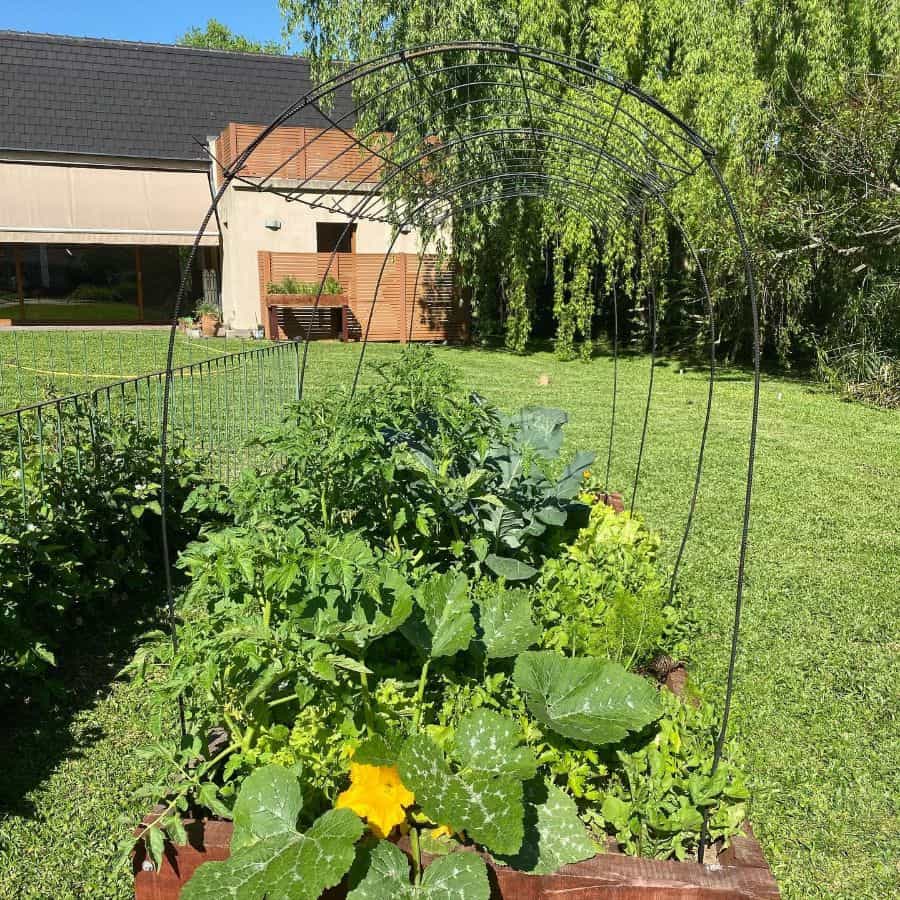
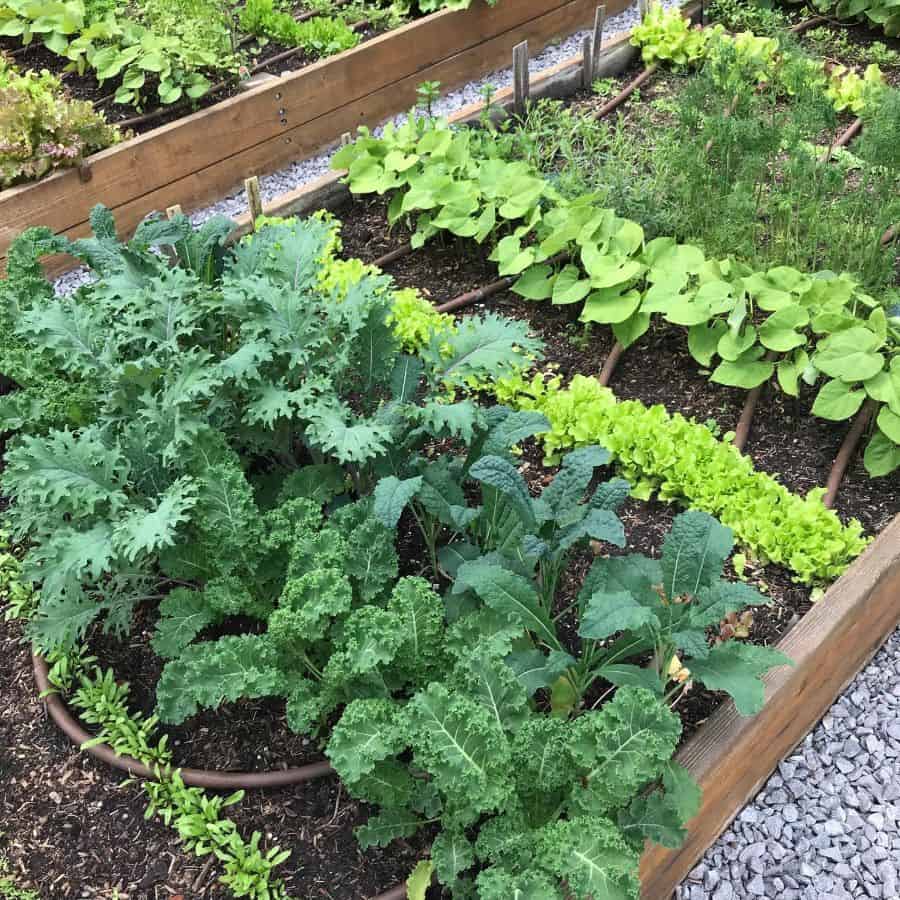
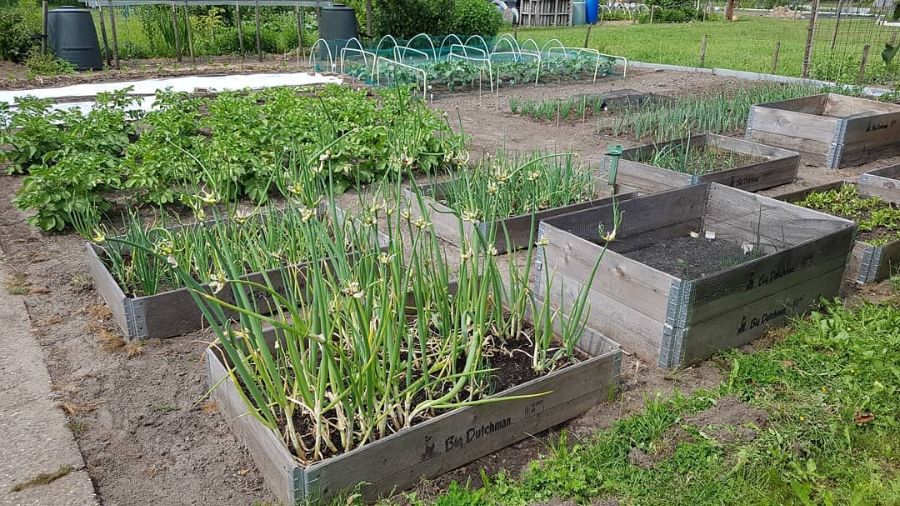
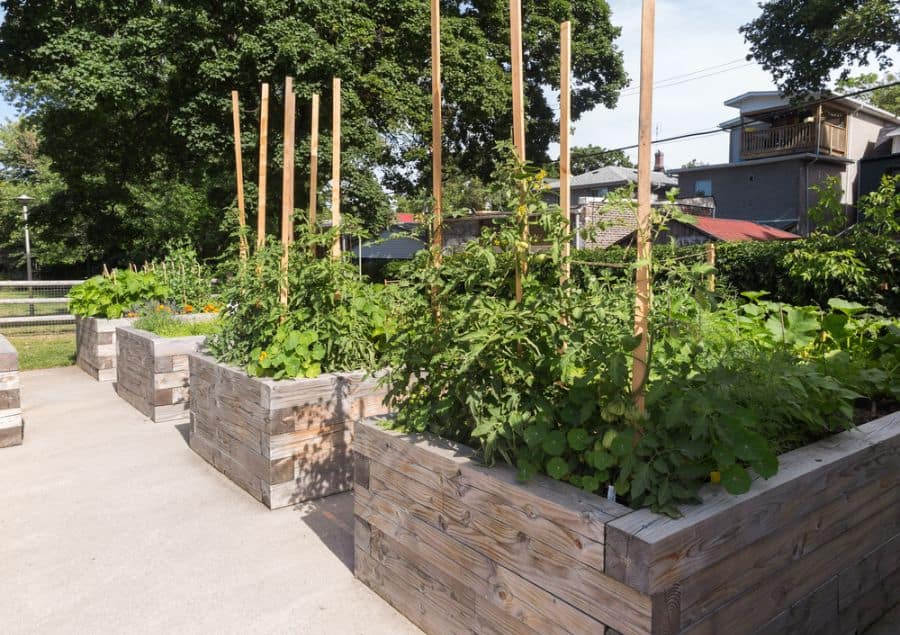
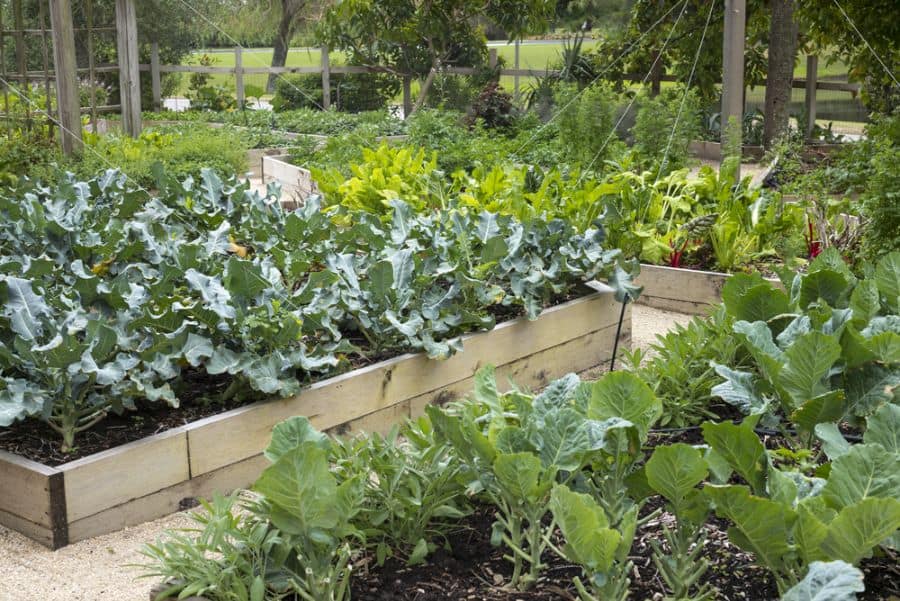
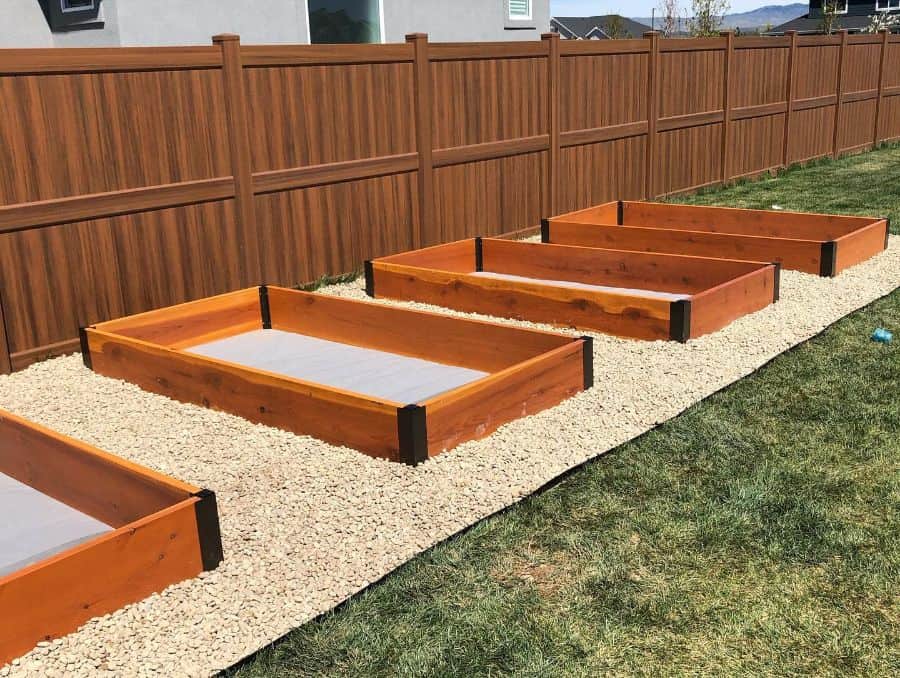
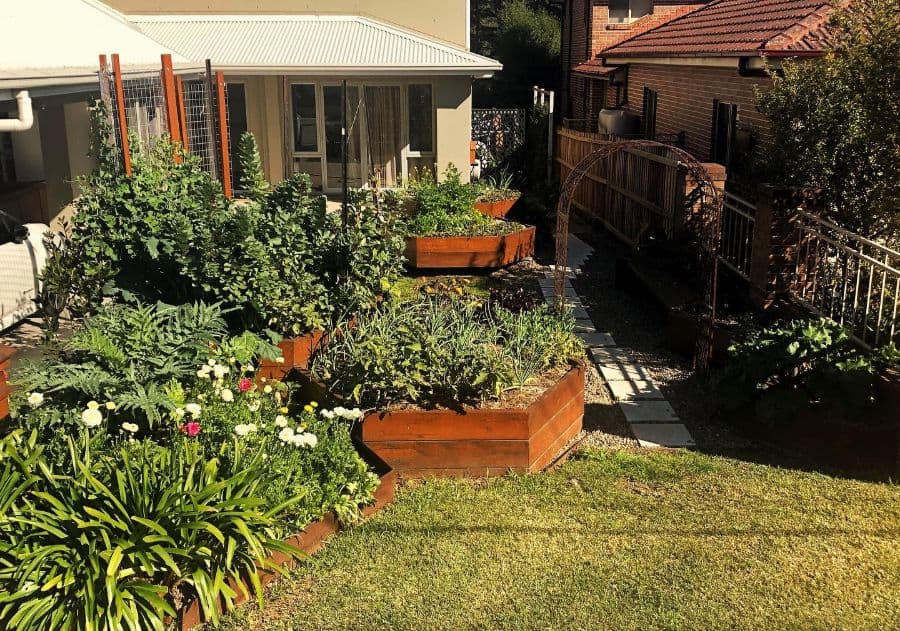
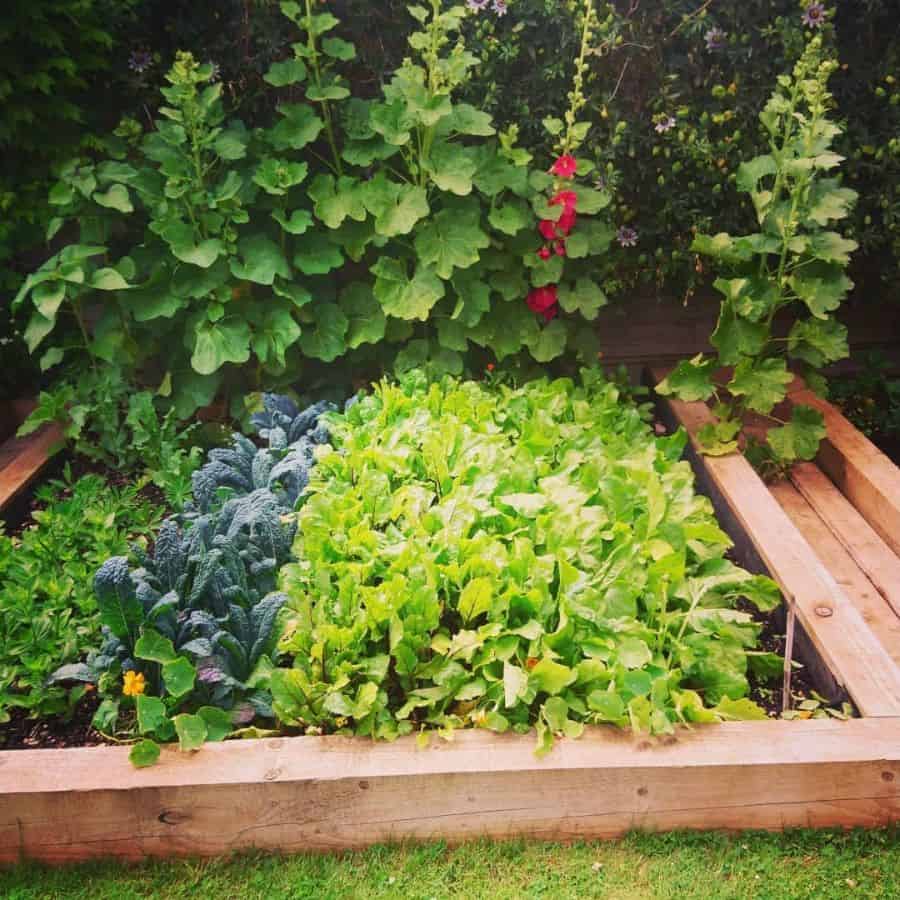
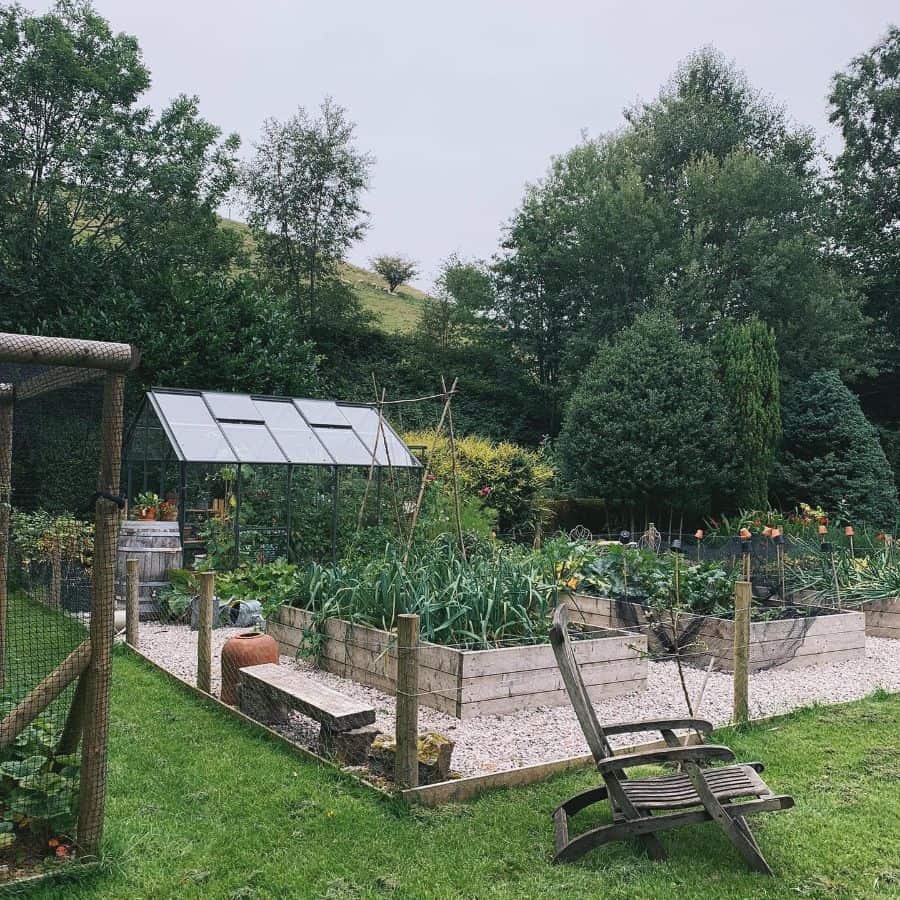
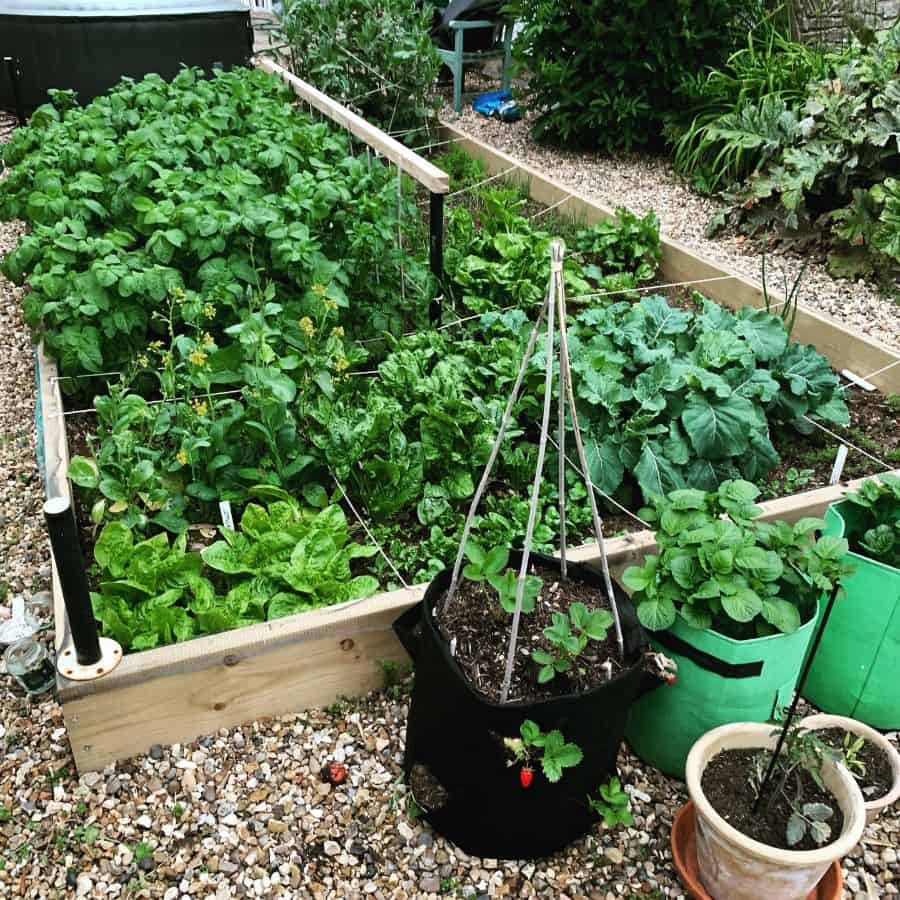
Dealing with less-than-perfect ground can be a total headache. That’s why raised beds are a complete game-changer for creating fertile soil for your vegetable garden.
You get to build up with amazing soil instead of fighting with the less-than-ideal ground you already have. This trick also creates perfect built-in walkways around each of your raised boxes.
To get the absolute most out of them, you should look into how you can use succession planting.
By planting in cycles, you’ll get a much bigger yield and get to enjoy more of your fresh produce before it goes bad. To pull this off, you’ll want to get an early start with crops that are tough enough to be planted at the end of winter.
Once they are ready, you harvest them and then plant something that thrives from the middle to the end of the season. You can also mix things up by staggering when you plant each type of vegetable.
2. Mastering Layouts
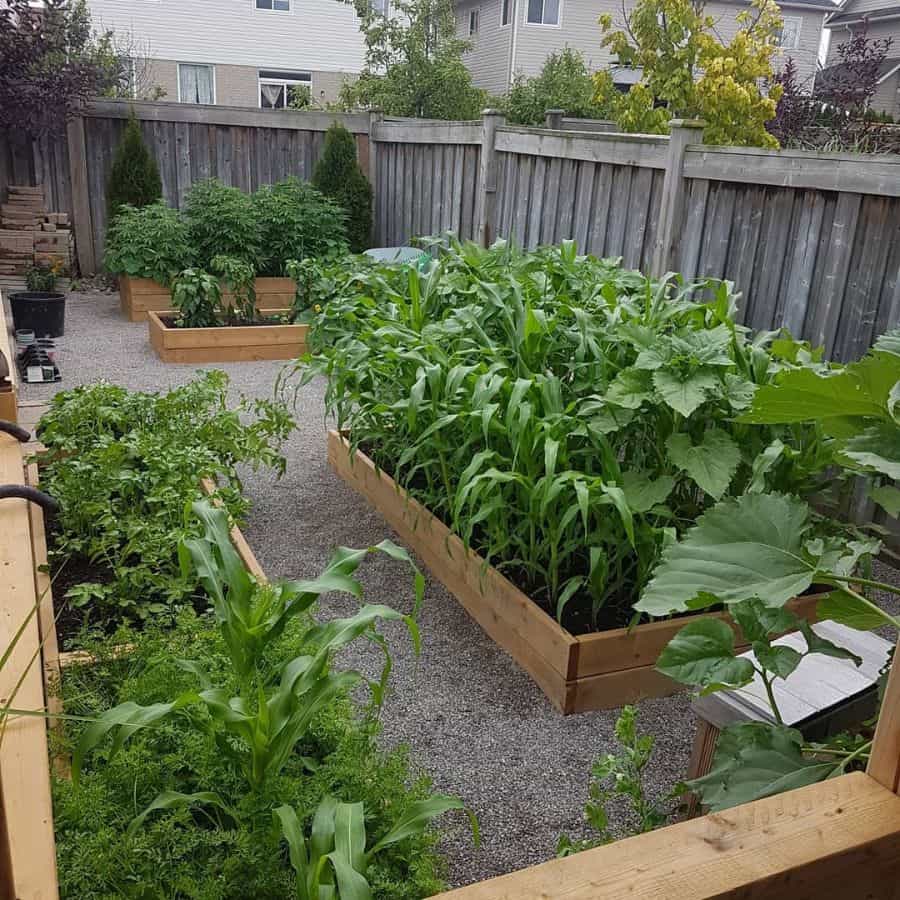
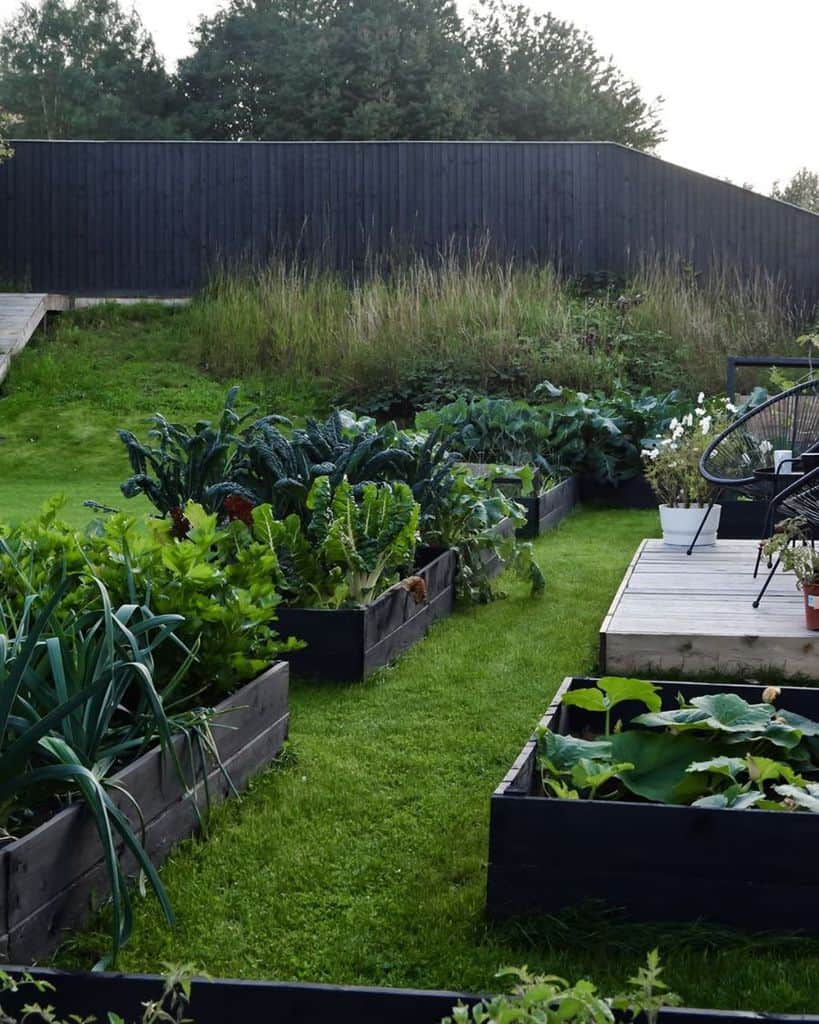
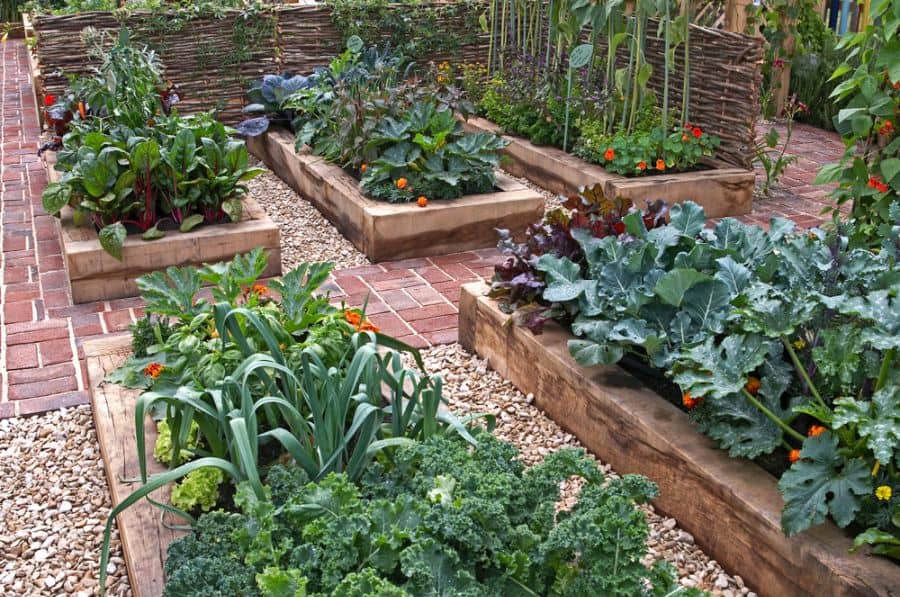
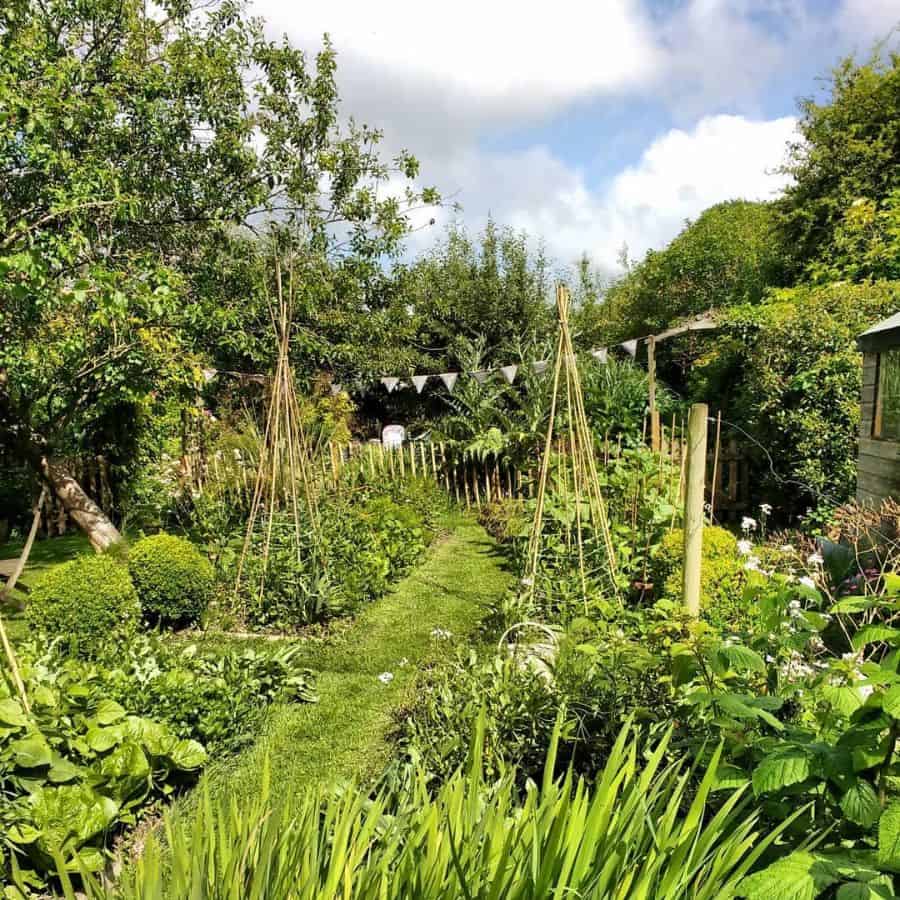
When you’re thinking about vegetable garden design ideas, you’ll want to find a plan you can really make your own for your space and veggies. I love the idea of growing a flower garden that also includes vegetables.
Talk about a beautiful and edible garden! You’ll want to pick out the sunniest spots for your veggies, since most of them will need a good five to six hours of direct sunlight every day.
And don’t forget to leave some room around the plant beds for you to walk! They don’t have to be huge, but they should be wide enough for you to get around safely. After that, you’ll figure out where to put your vegetables.
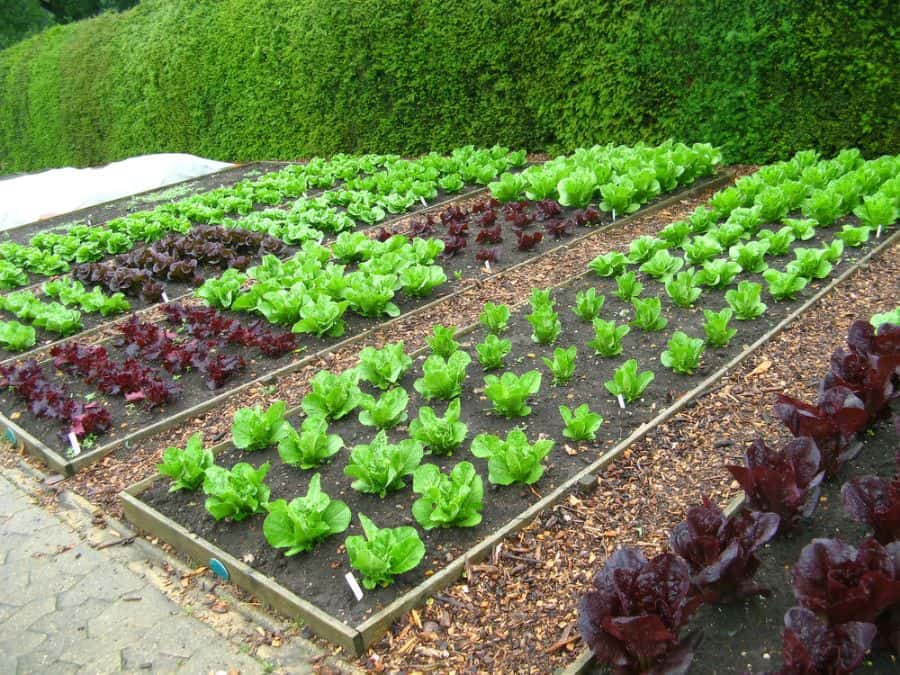
Make sure not to crowd them; every type of vegetable needs a certain amount of space to grow well. Also, think about how tall they’ll get.
You definitely don’t want to plant something that will shoot up and cast too much shade on its neighbor.
3. Harvest All Year
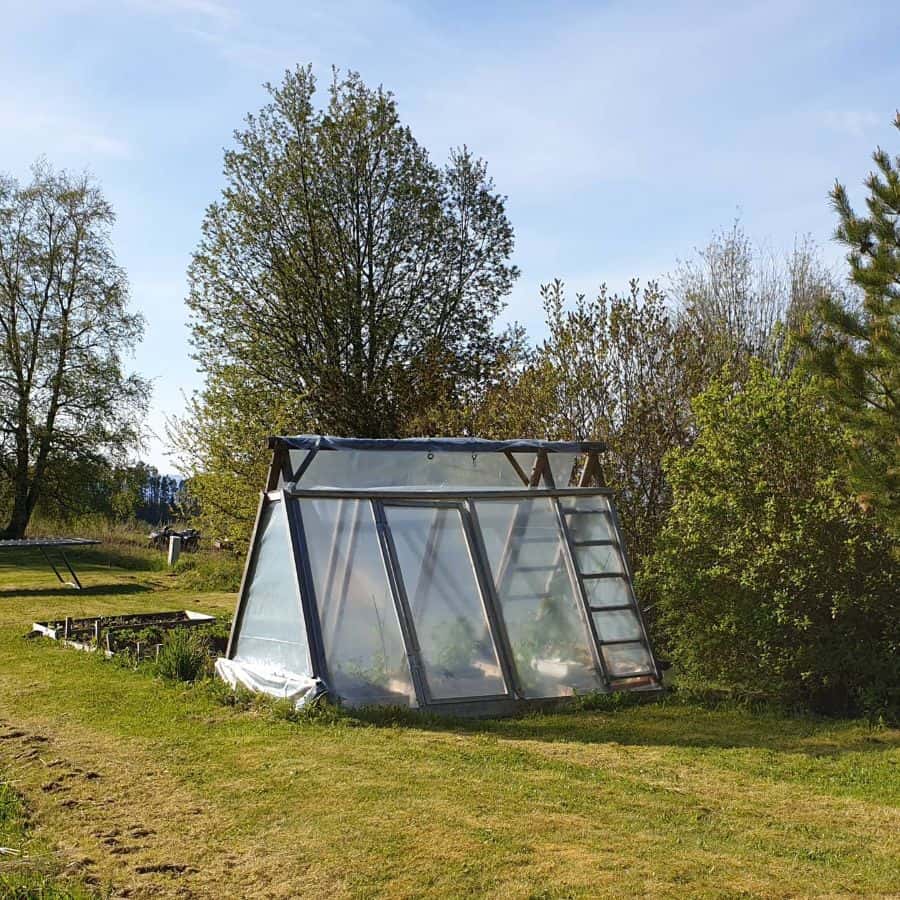
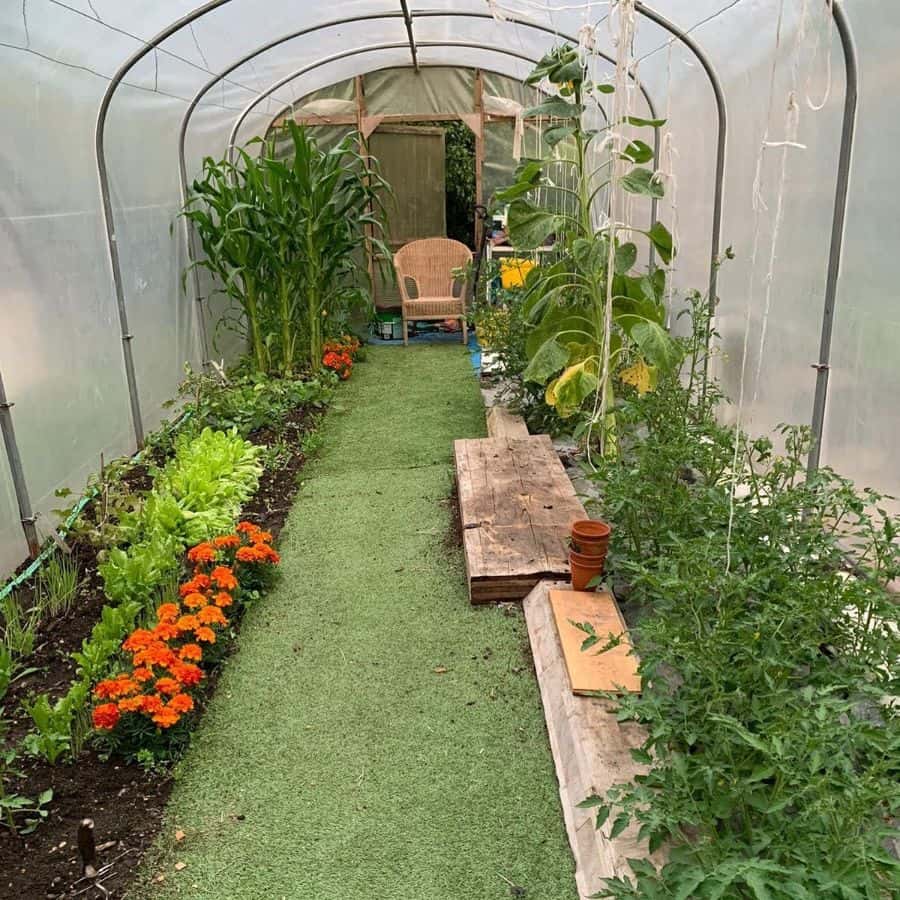
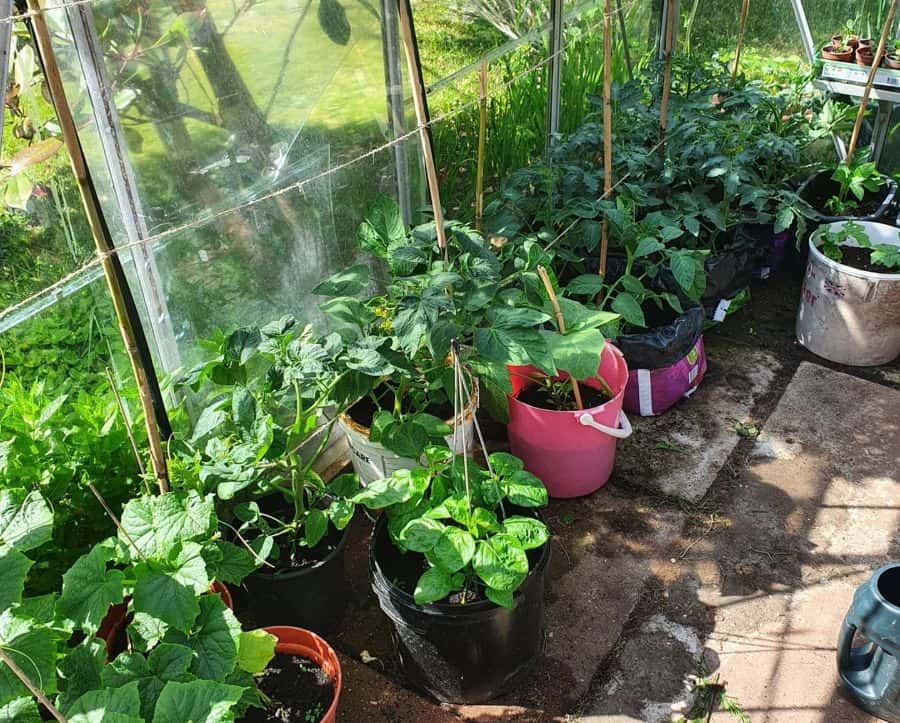
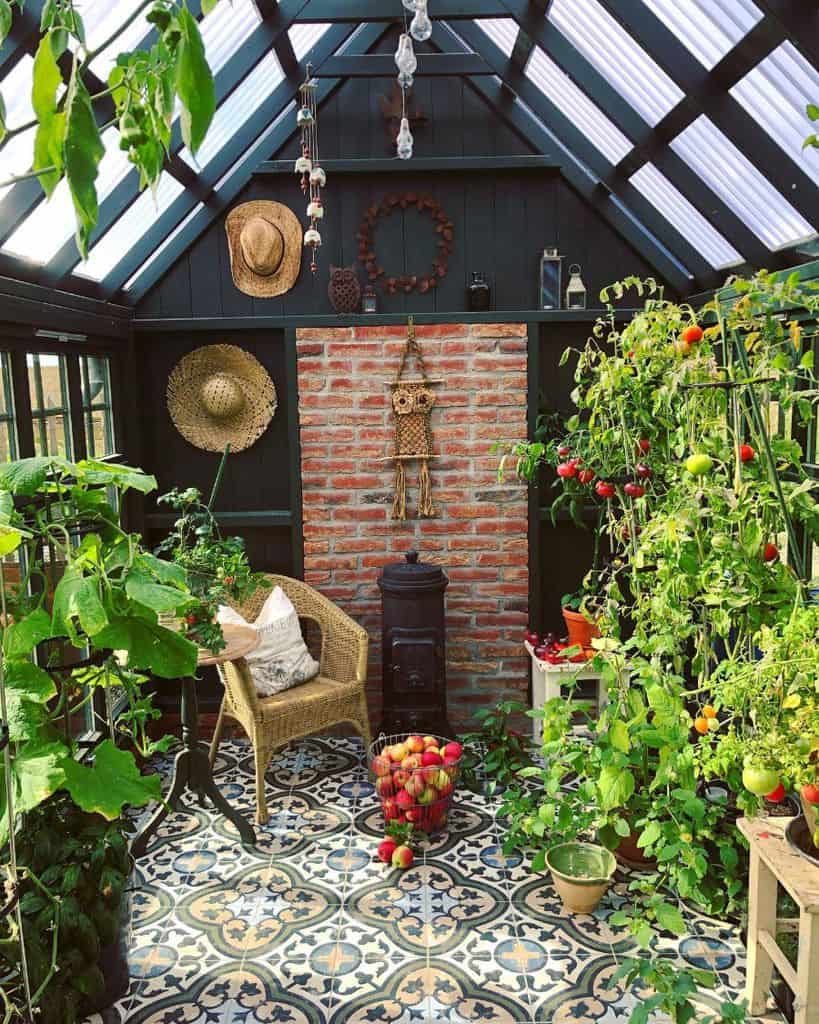
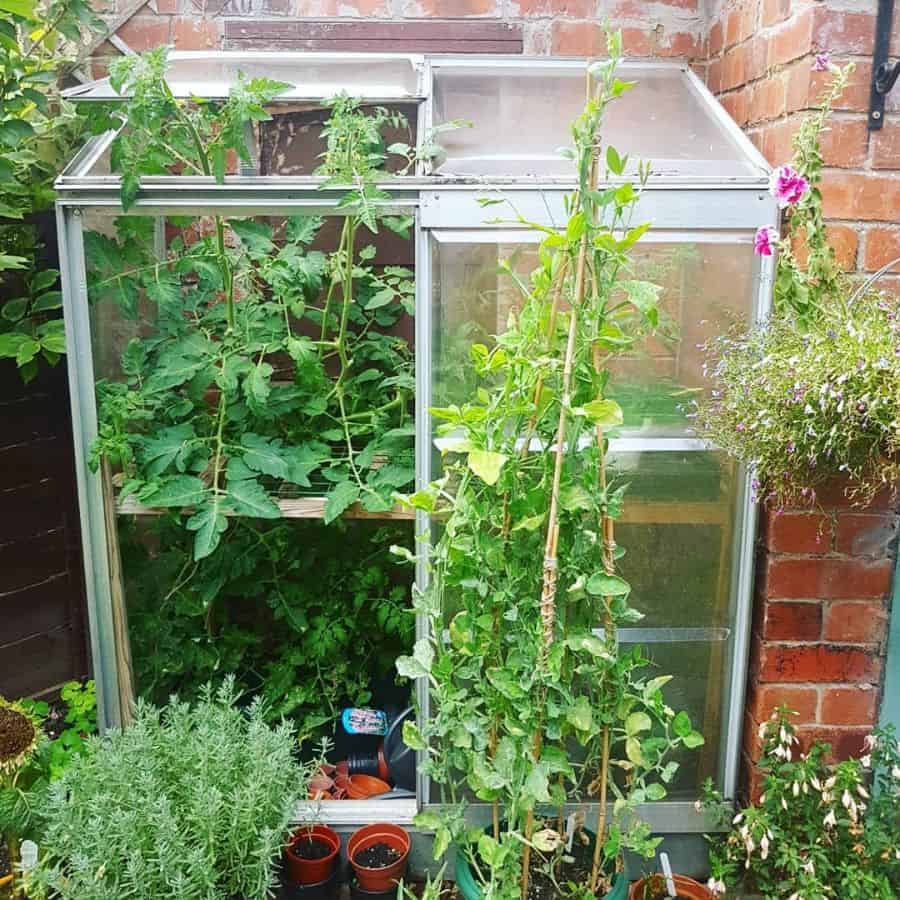
Becoming a great gardener is challenging enough without having to worry about unpredictable weather. A greenhouse is a fantastic way to get more control over the growing environment for your veggies.
This means you’ll end up with higher quality produce and a lot more of it. Plus, you get to enjoy a much longer growing season, which is a huge bonus!
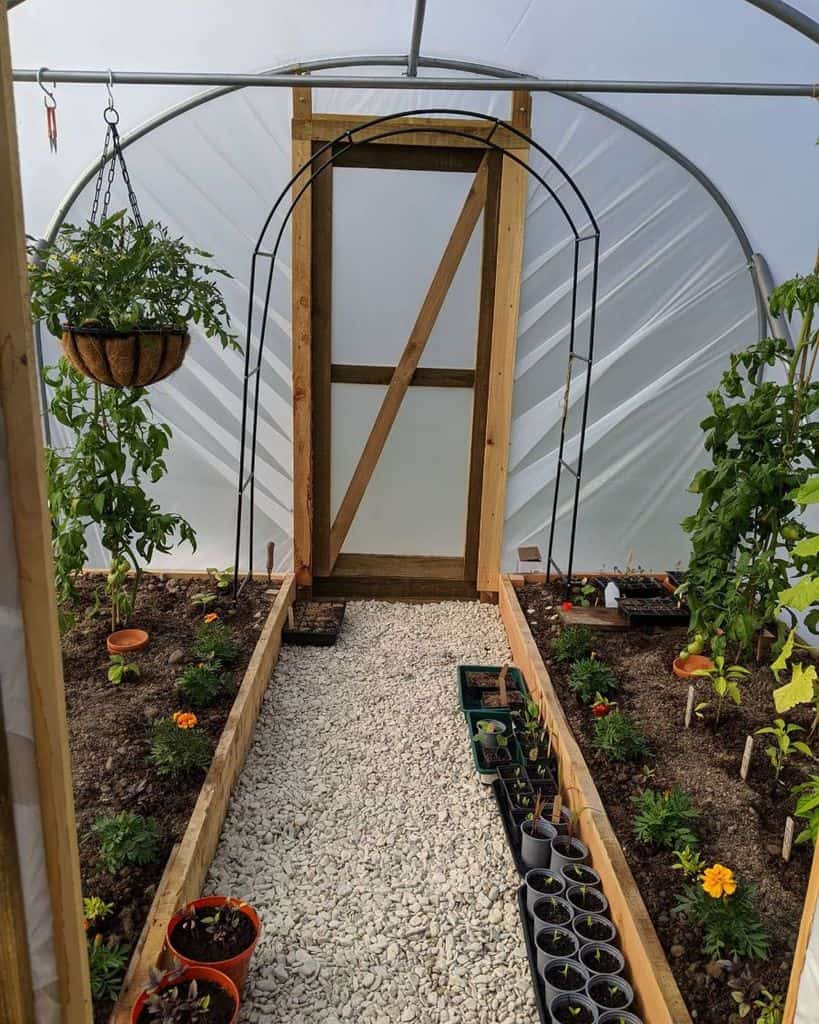
One really smart garden plan is to start your seedlings inside your greenhouse. This lets you get your vegetable crop going much sooner. Then, you can move them into the ground once the weather is warm enough.
If you don’t have enough space for them to grow outside, you can just keep them in the greenhouse the whole time.
Just make sure you know which of your plants will need to be hand-pollinated since bees and other pollinators won’t be able to get inside.
4. Pots of Potential
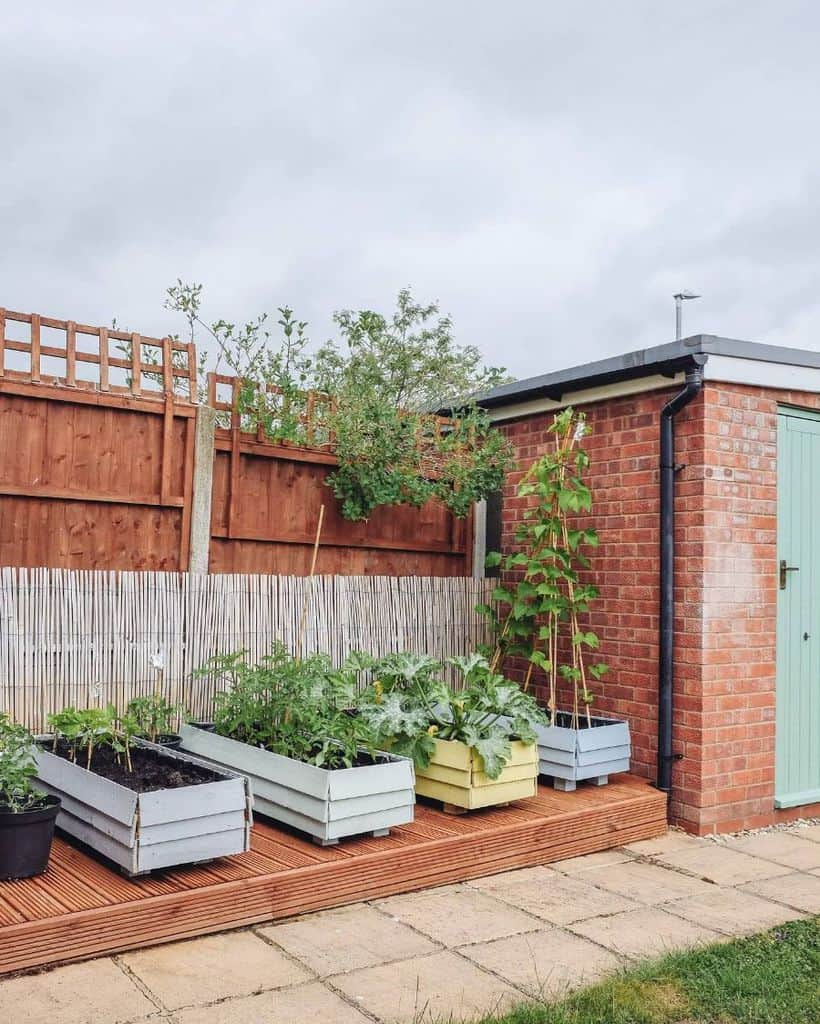
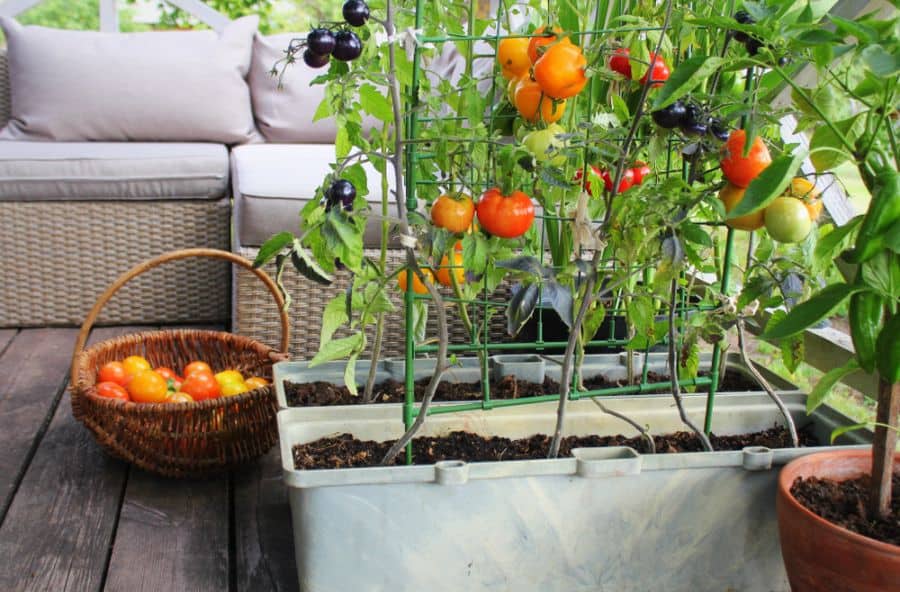
Not every single one of your vegetables has to be planted in the ground. If you have a patio or a deck area, you could absolutely grow plants here in hanging planters or pots.
This unique take on vegetable garden design adds to your decor while also giving you fresh produce. I think pepper plants are perfect for this because they grow multiple colorful peppers that look fantastic and are great for cooking.
For a more traditional feel for your plants, you could go with clay or terracotta pots. But you shouldn’t be afraid to get a little creative. You could recycle some old tires by laying them on the ground and filling them with dirt.
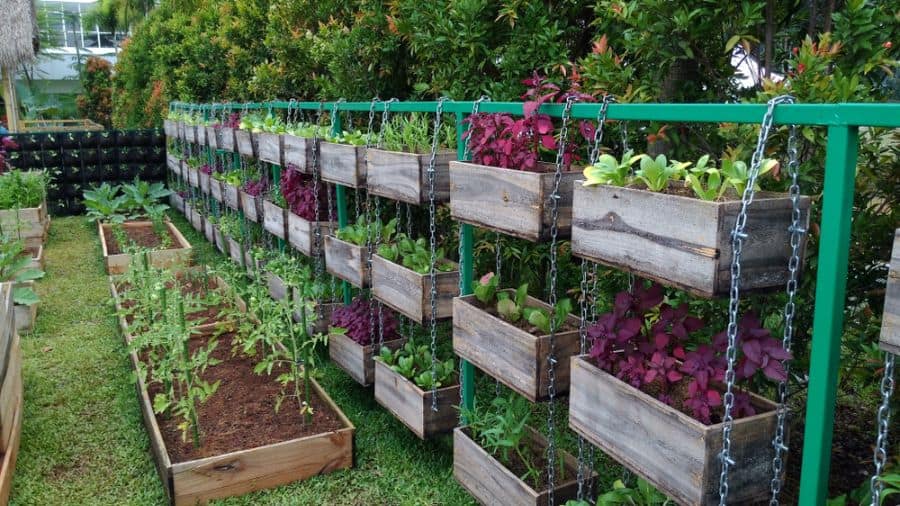
Or you could fill up an old bathtub with soil. If you’re pretty handy, you could even build a large frame to hang several rows of plants at different heights.
5. Small-Scale Success
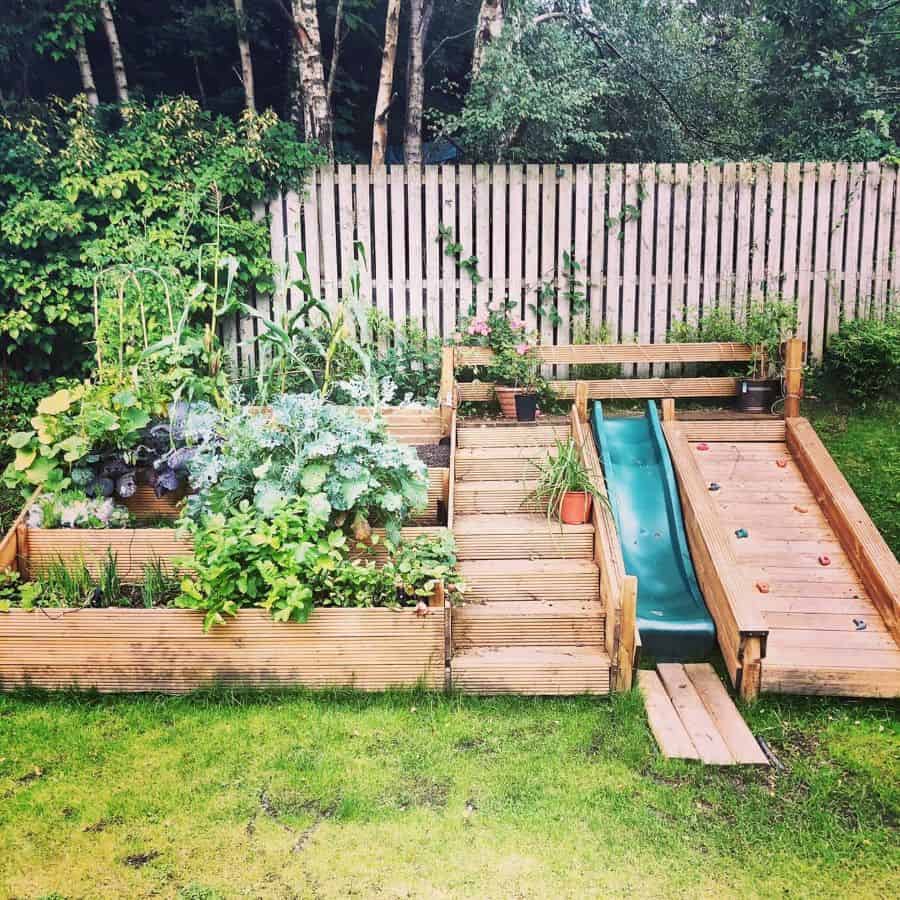
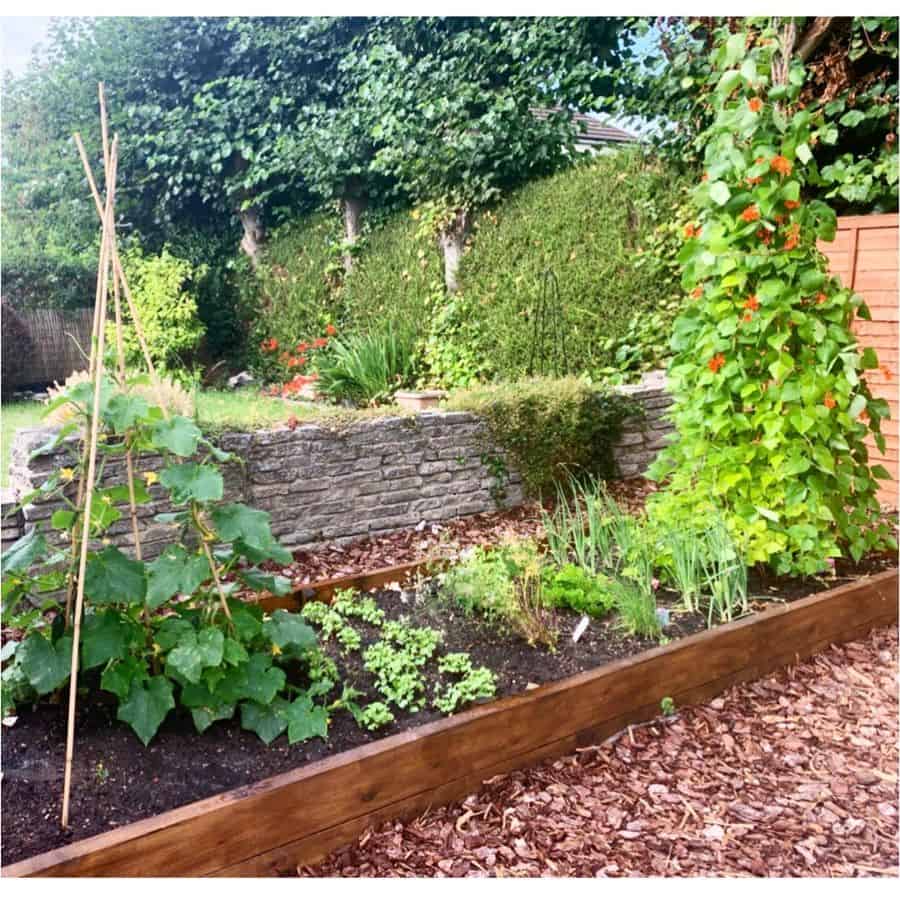
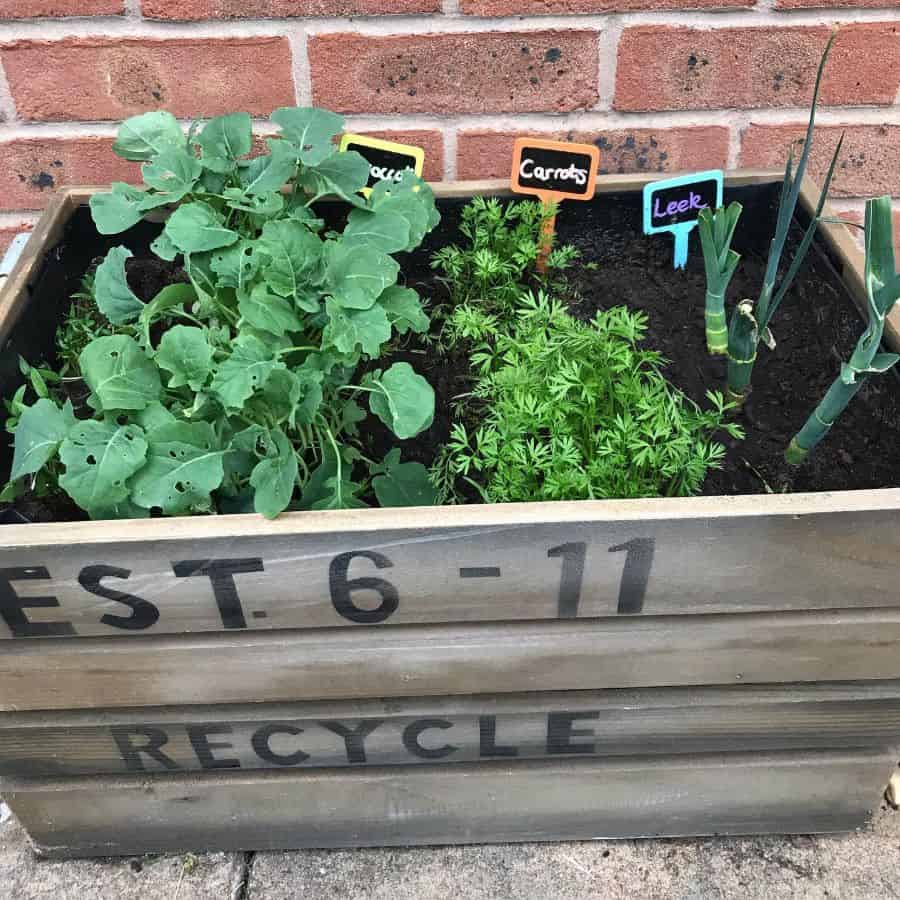
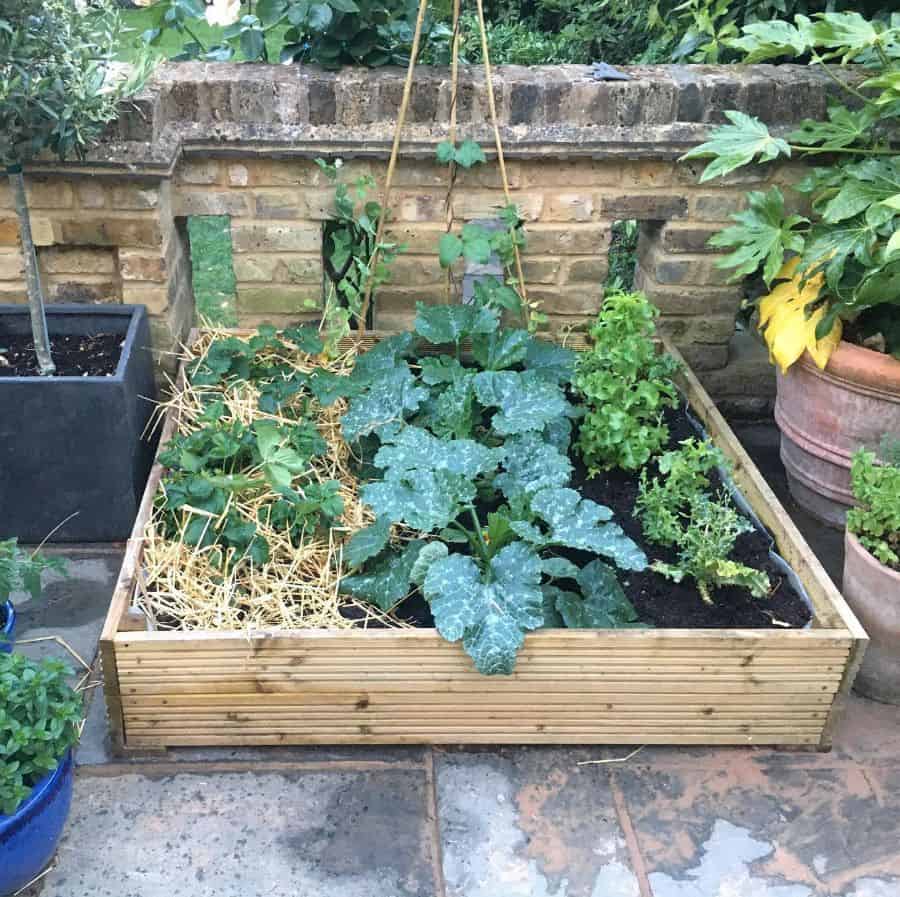
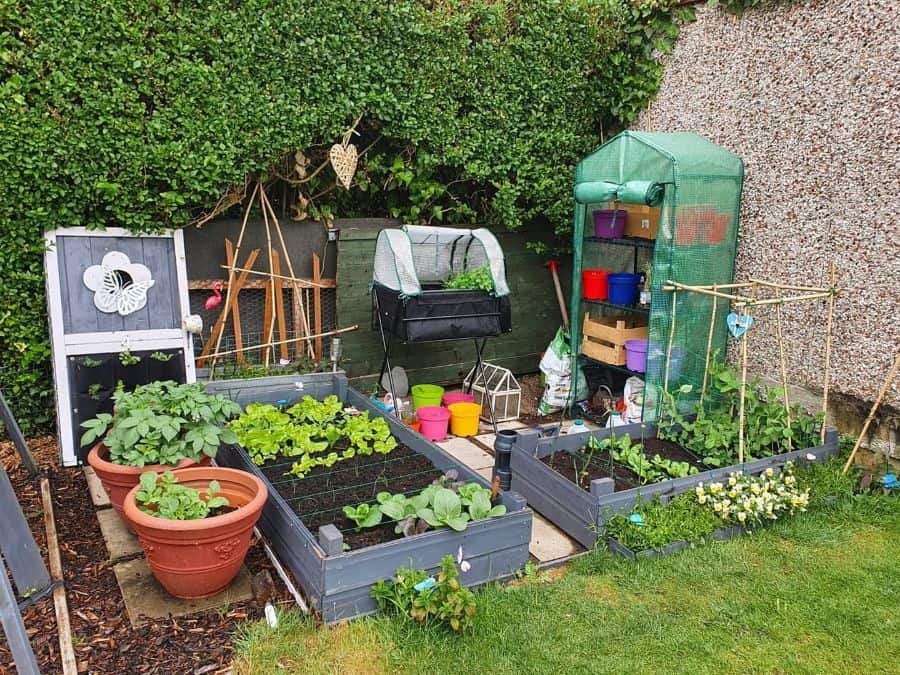
You really don’t have to let your vegetable garden completely take over your whole backyard. You could just have a small patch where you grow a few of your favorites.
Maybe a tomato plant and some salad greens, like lettuce and Swiss chard.
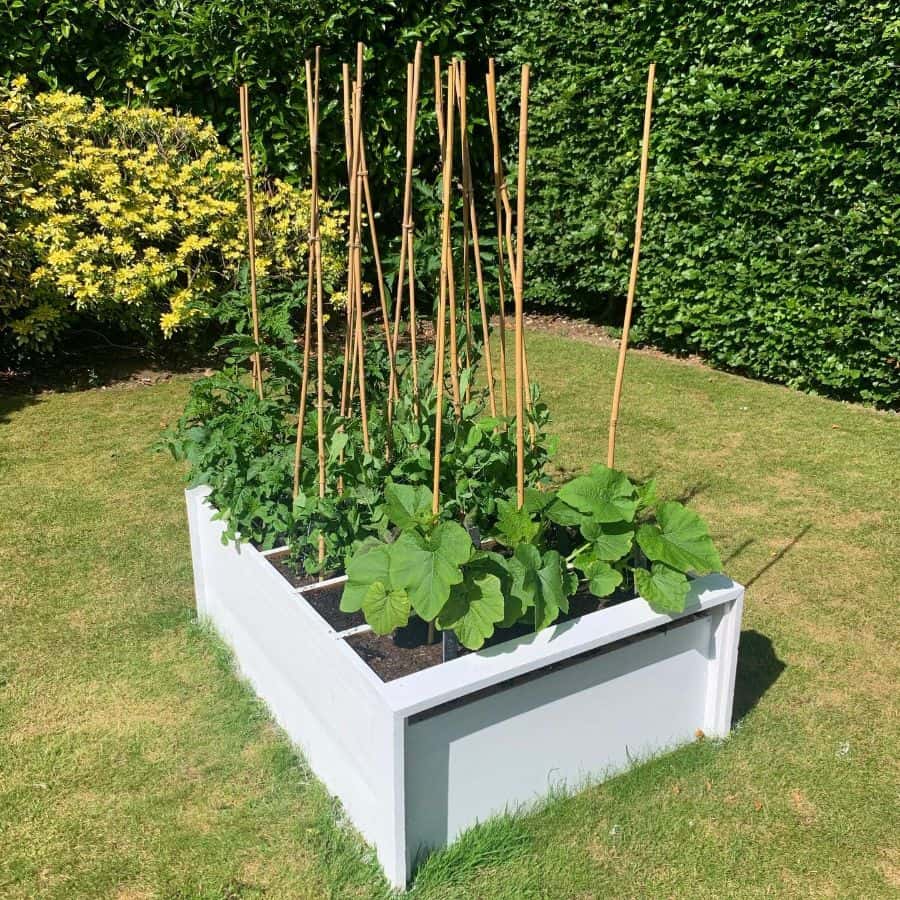
You will need a square foot garden that’s big enough to give all the plants enough room to really grow. You have to remember that lettuces look small at first but will get much bigger as their leaves multiply and expand.
Some other vegetables that are great for growing in a small space include herbs, cucumbers, pole beans, radishes, and shallots. What’s so great about tomatoes, shallots, and cucumbers is that you’ll get a really high yield of produce from just a small amount of space.
6. Creative Container Inspirations
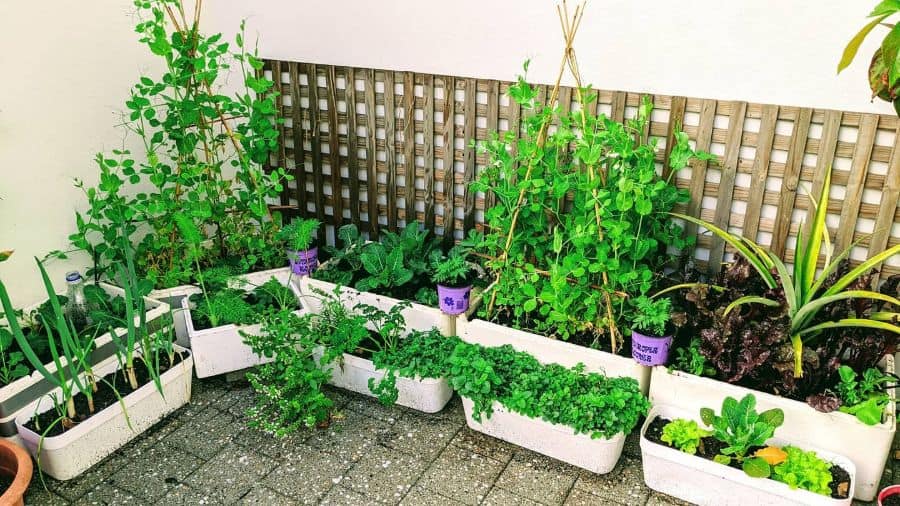
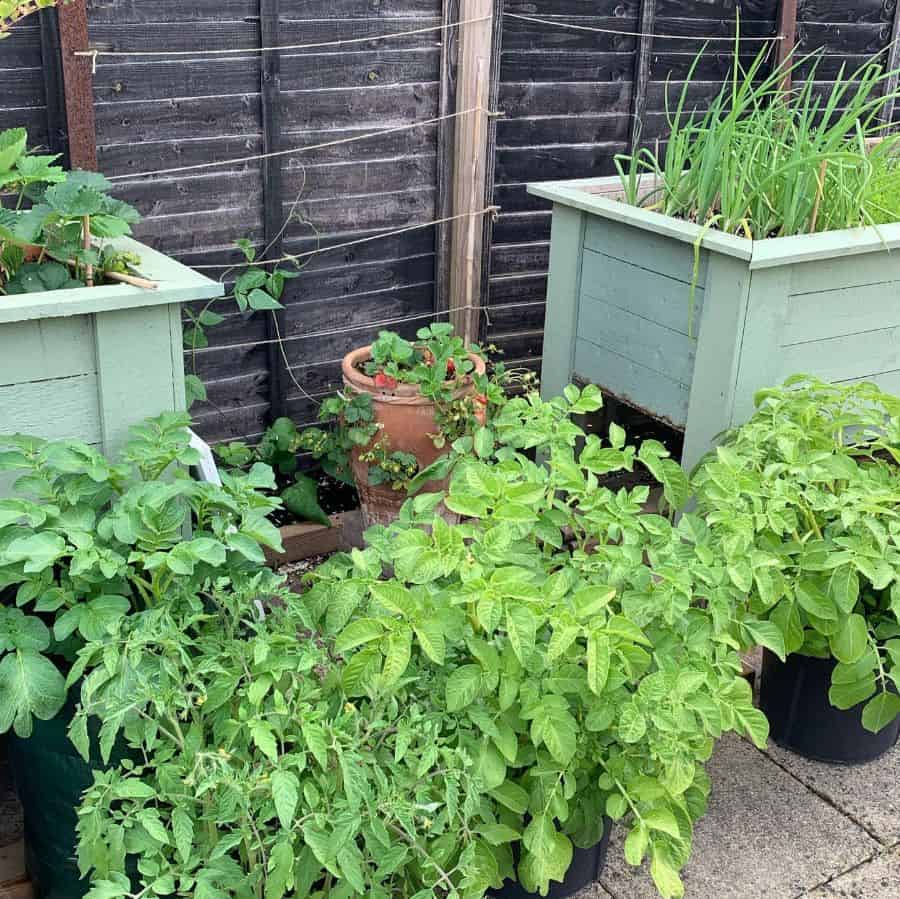
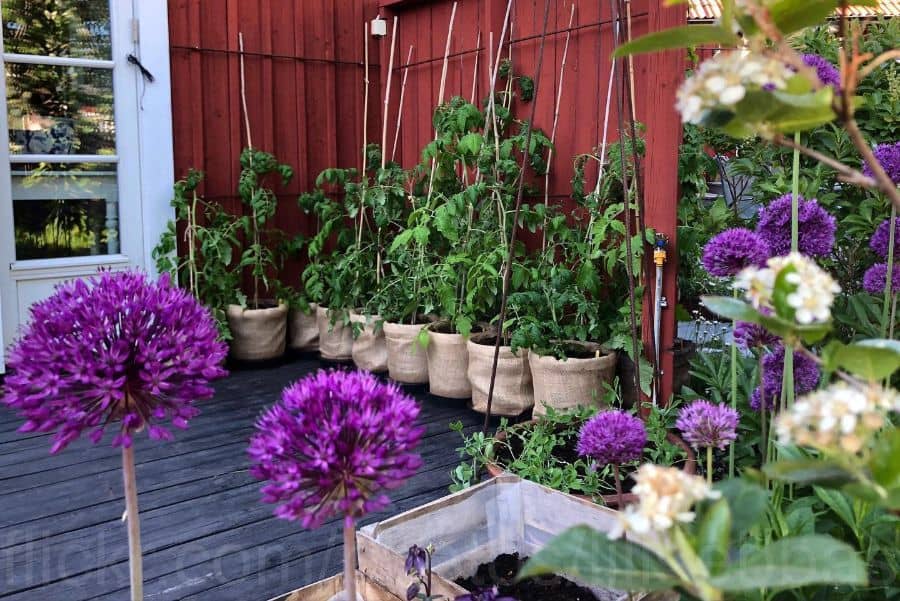
What do you do if you want to grow vegetables but don’t have any land to plant them in? Container gardening is your perfect solution. This is also a fantastic idea if you think you’ll need to move your plants around during the year.
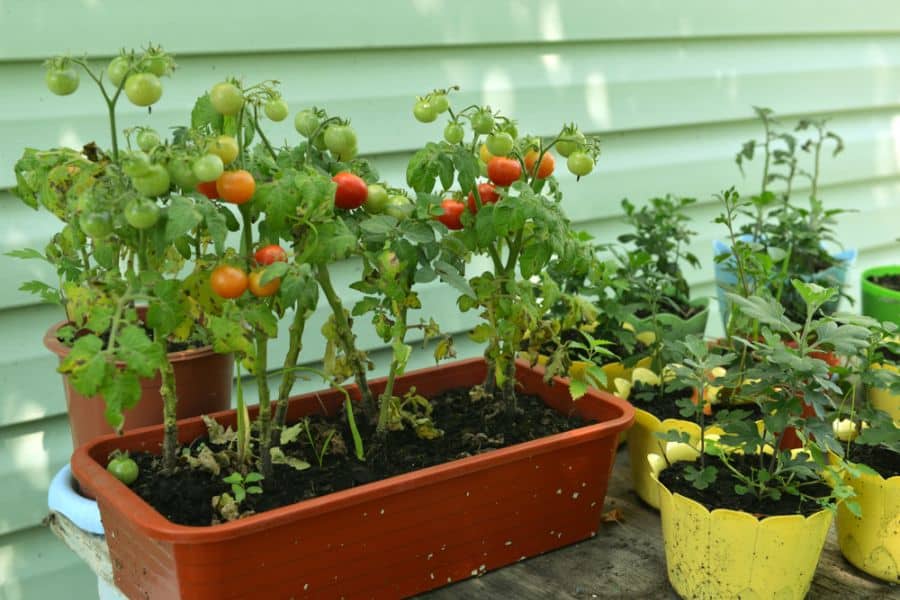
You could definitely start small, maybe with a single tomato plant in its own pot. Then you can branch out as you get more confident in your gardening skills.
Think about the look you want for your garden. You can find beautiful terracotta and decorative pots to use if your garden is going to be in a visible spot. If you’re more focused on function, then simple black plastic tubs will do the trick just fine.
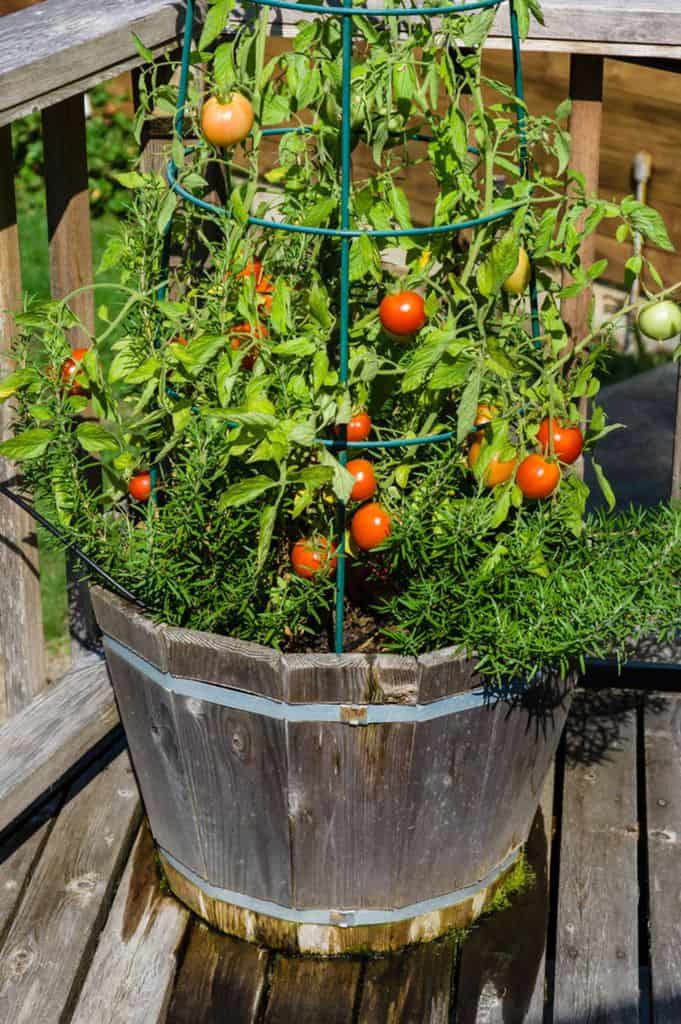
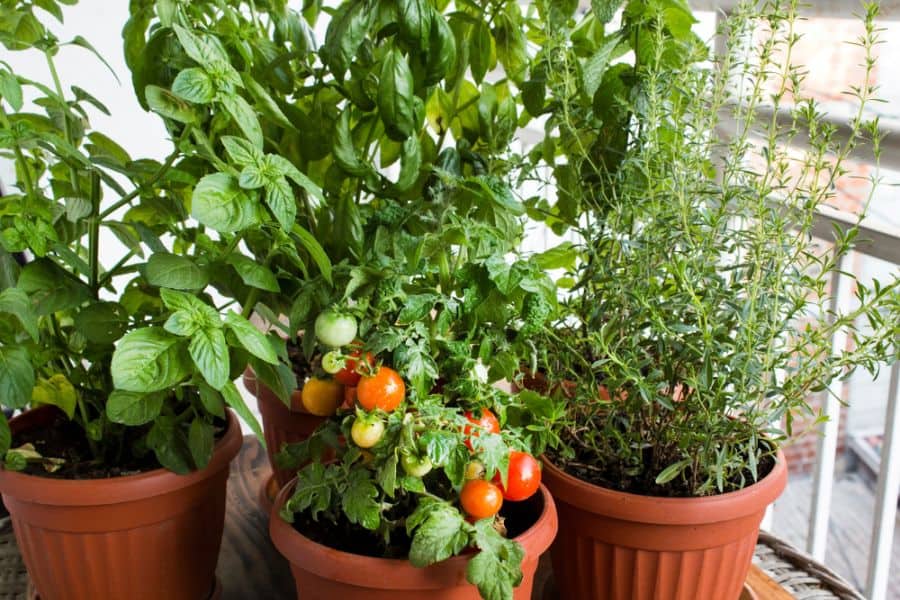
You might want to buy larger containers that can hold more than just one plant. You could have a long trough that holds two or three rows of carrots. Or you could get a big round pot to grow a tomato plant and basil together.
The basil is a shorter plant, while the tomatoes will vine up. This type of companion planting is also great for helping your plants grow stronger, be more productive, and even keep pests away.
7. Boundless Beauty
Once your vegetable plants really start taking off, you’ll suddenly discover just how much wildlife is hanging around. All those critters that used to ignore your property will now think you’ve put out an open invitation for a feast.
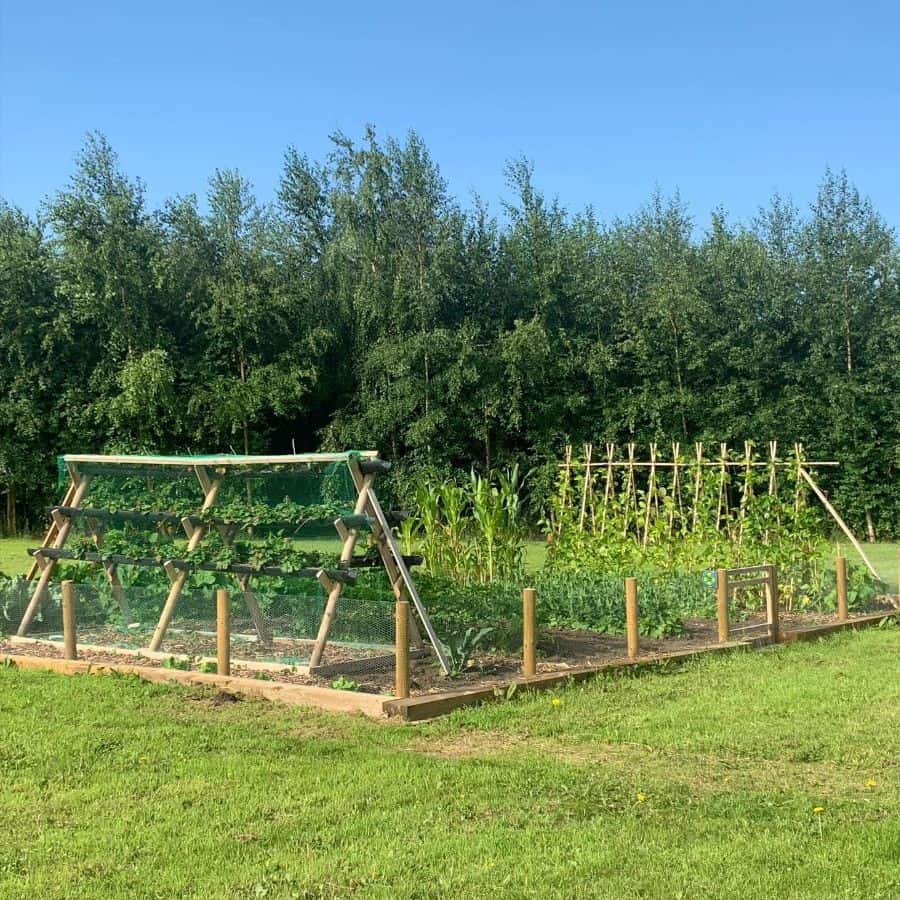
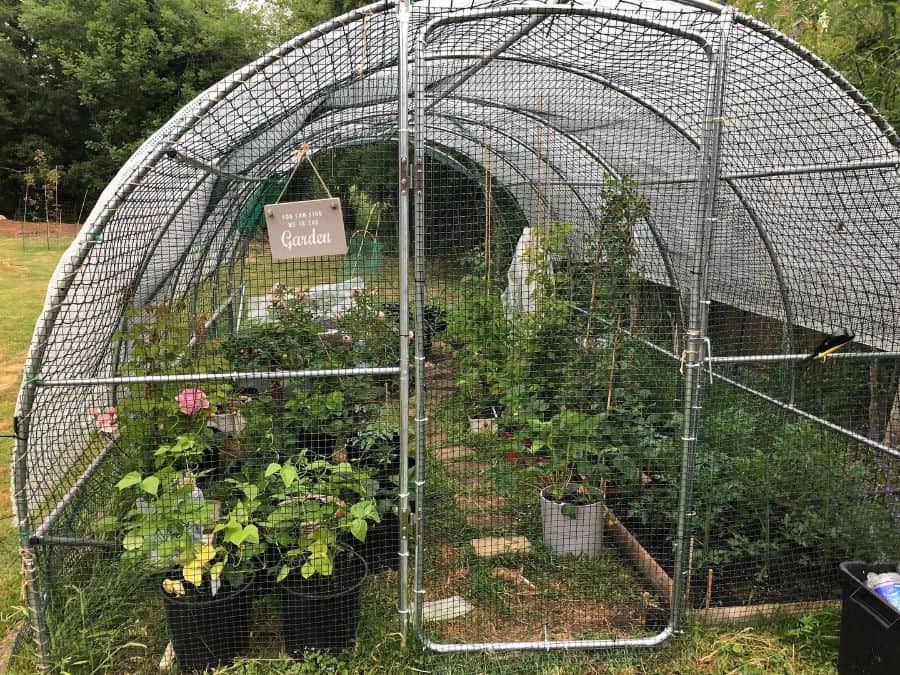
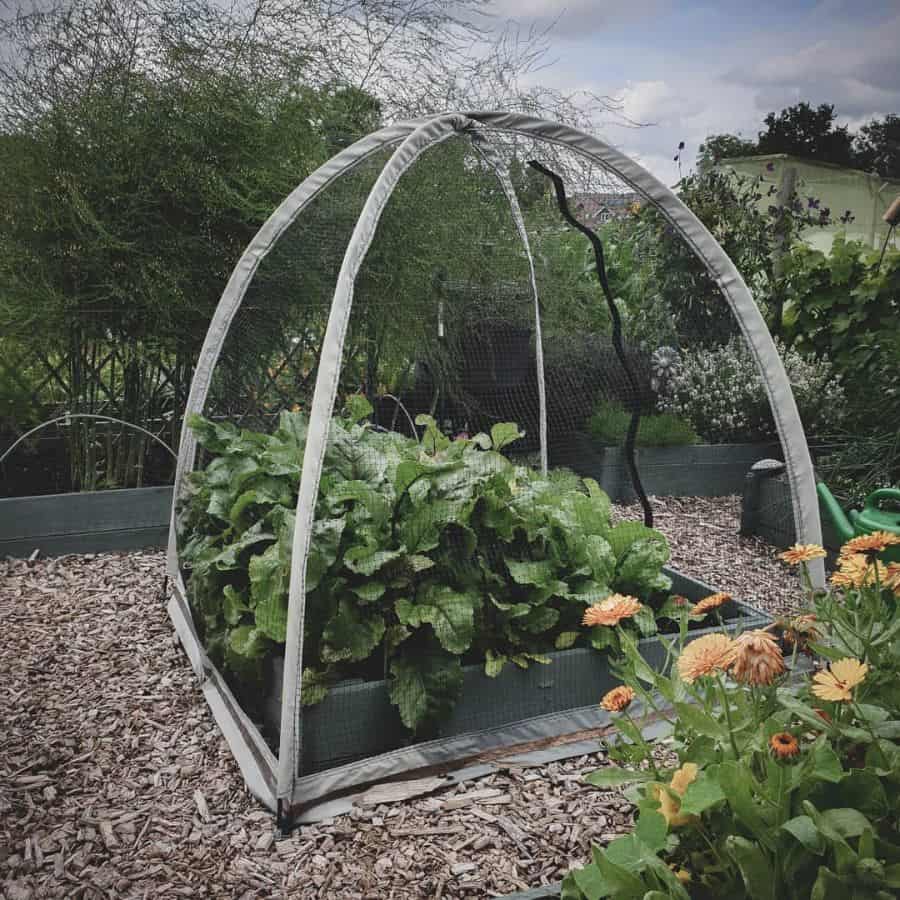
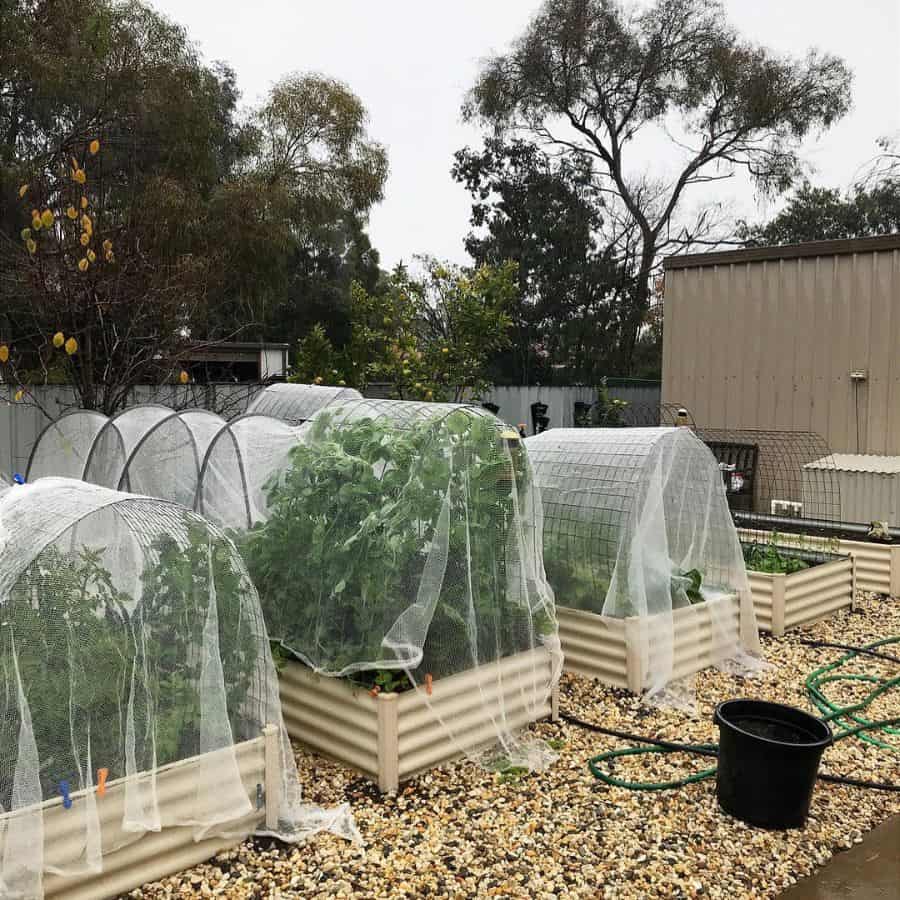
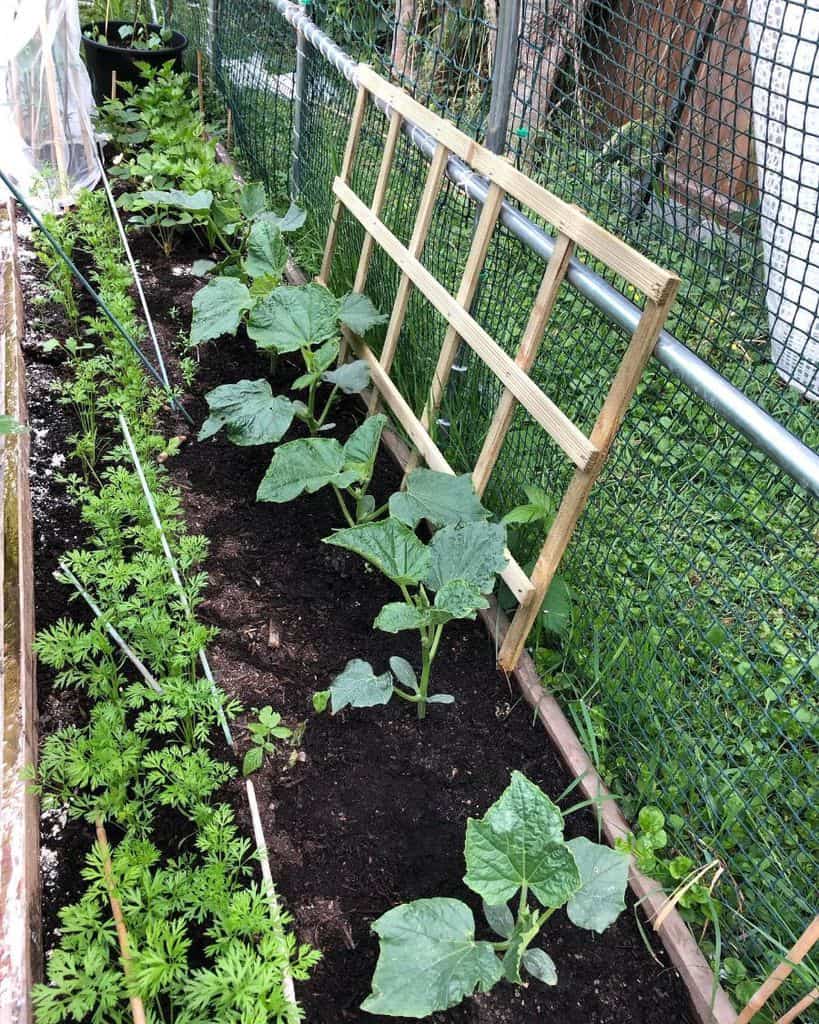
To keep out the tiny pests like insects, you can cover your vegetables with a mesh screen. It’s a soft, fabric-like material that you can set up to protect your plants. It really helps to build a frame from wood or chicken wire to give that mesh some structure.
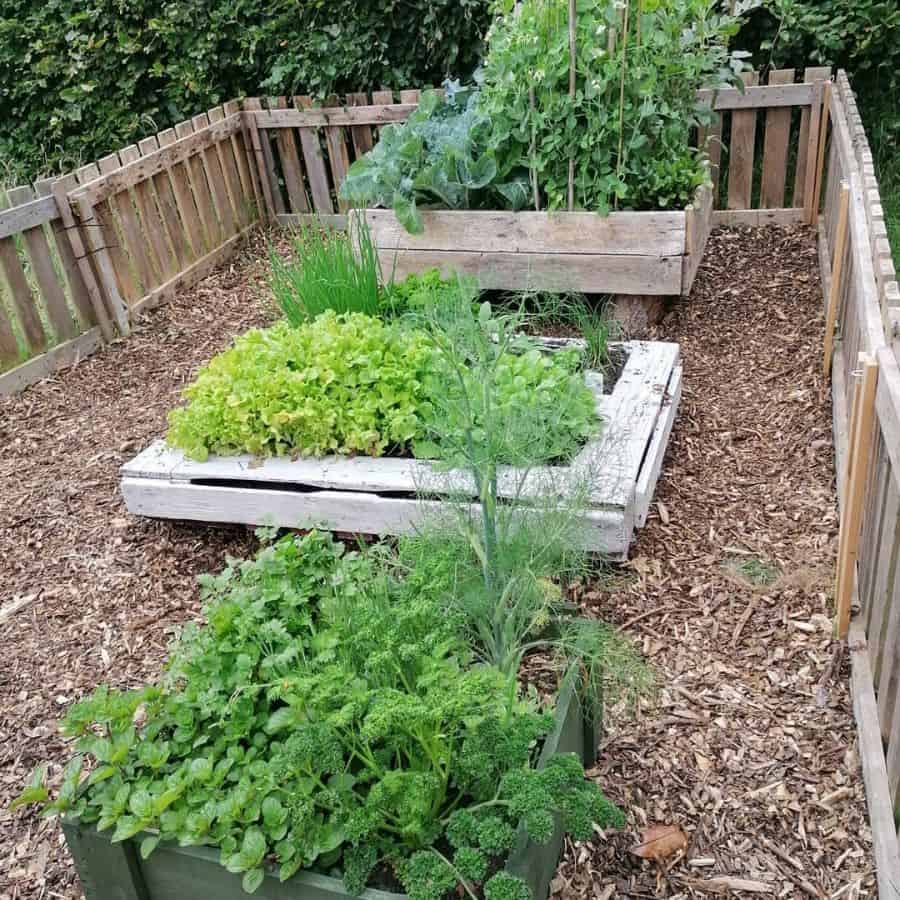
Another potential threat to your fresh veggies is other people. Your garden will start to look like the perfect spot to grab a quick snack or do some “free shopping”. You can stop this by putting up a barrier between them and your delicious garden.
A chain-link fence will definitely get the job done but it isn’t the prettiest. A nice-looking wood fence will work just as well and will actually add to your backyard’s charm.
8. Exploring Backyard Vegetable Garden Ideas
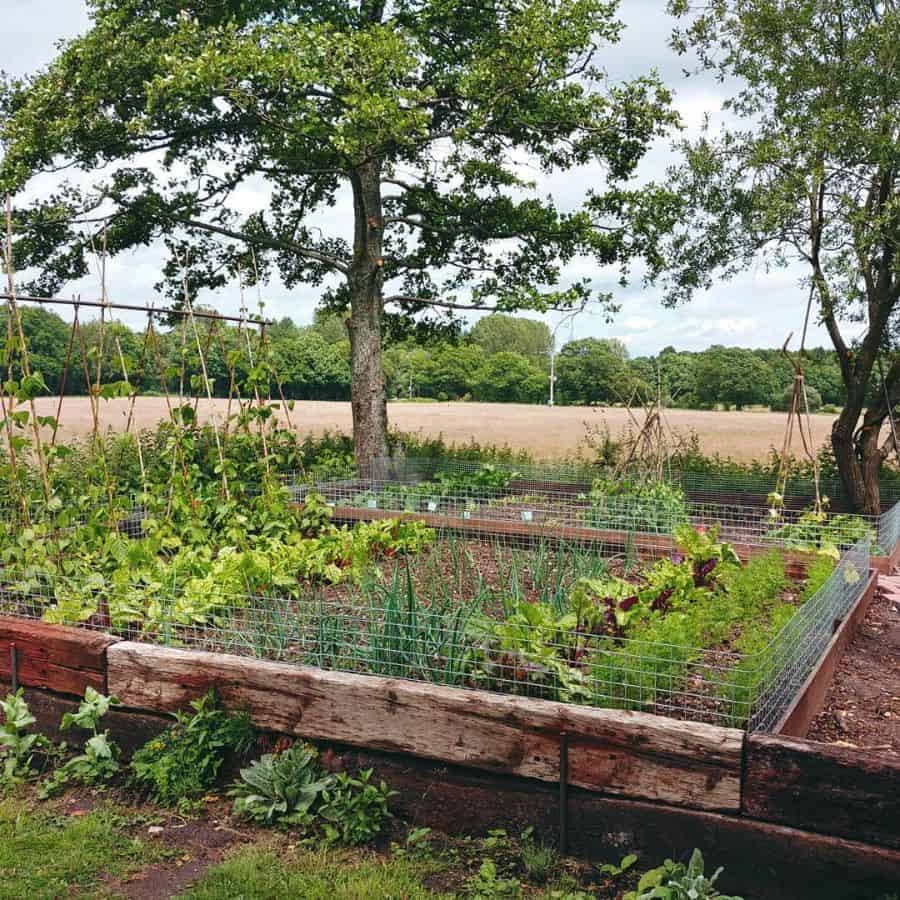
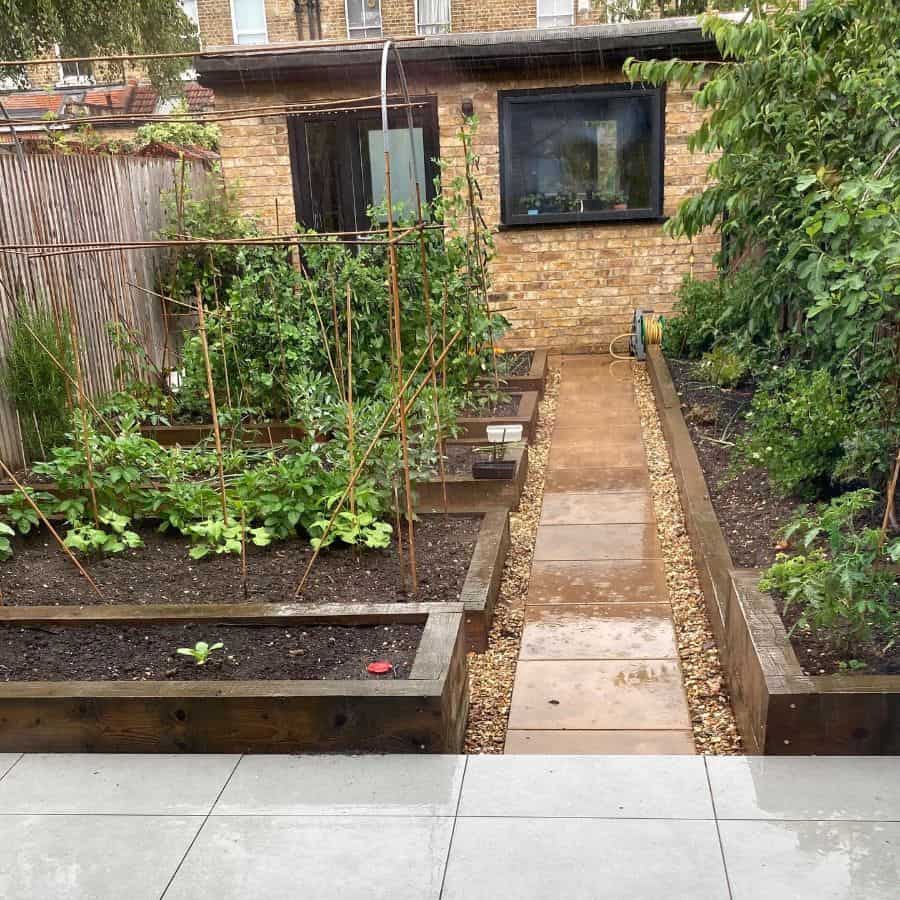
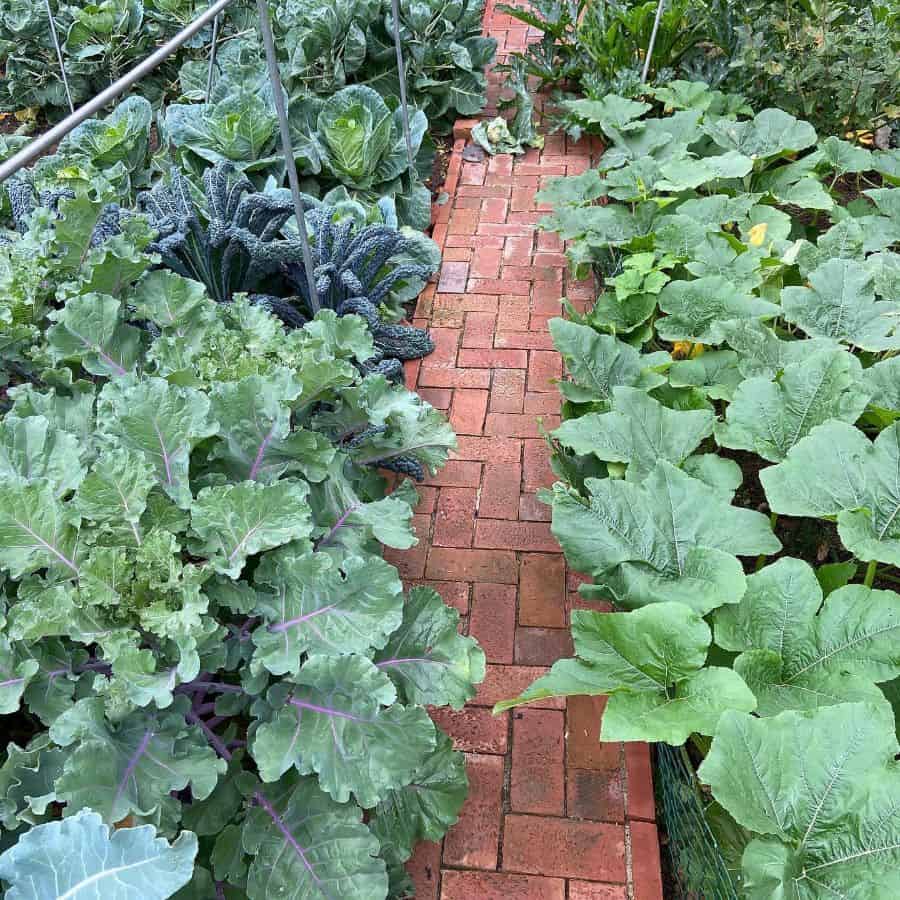
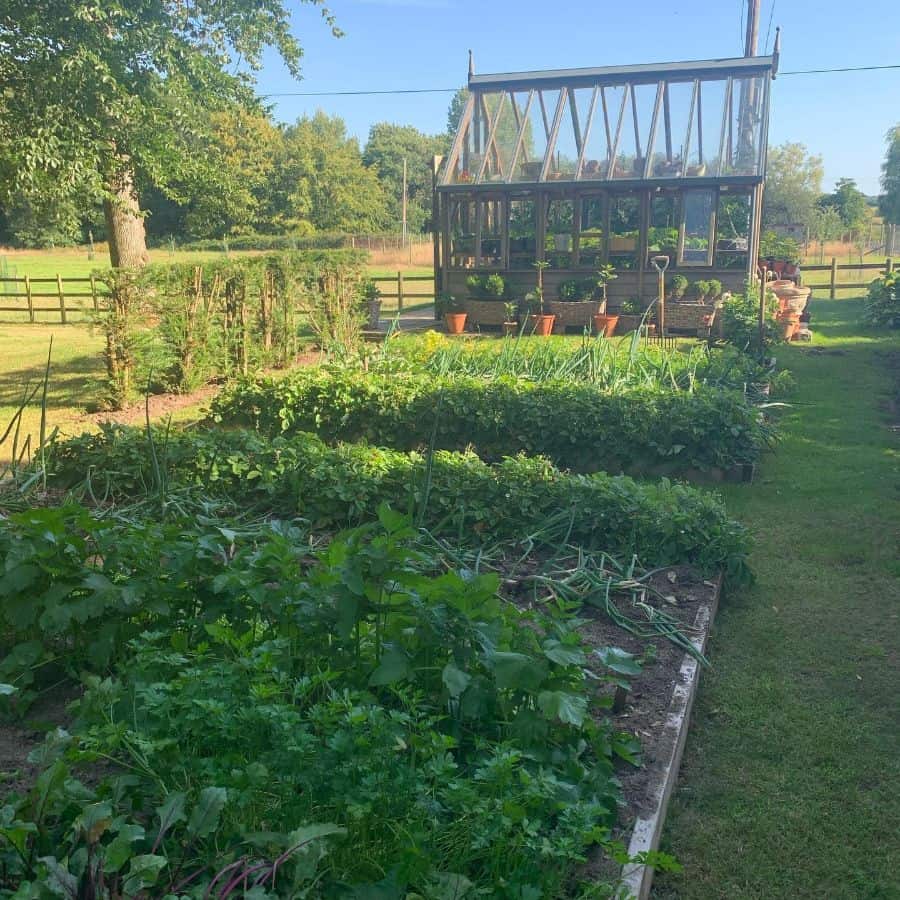
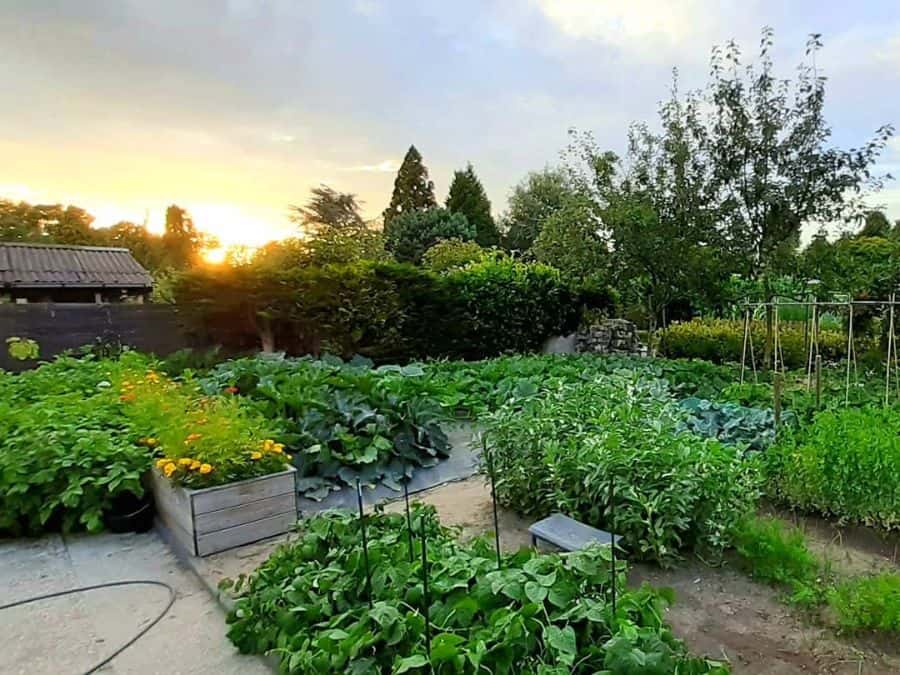
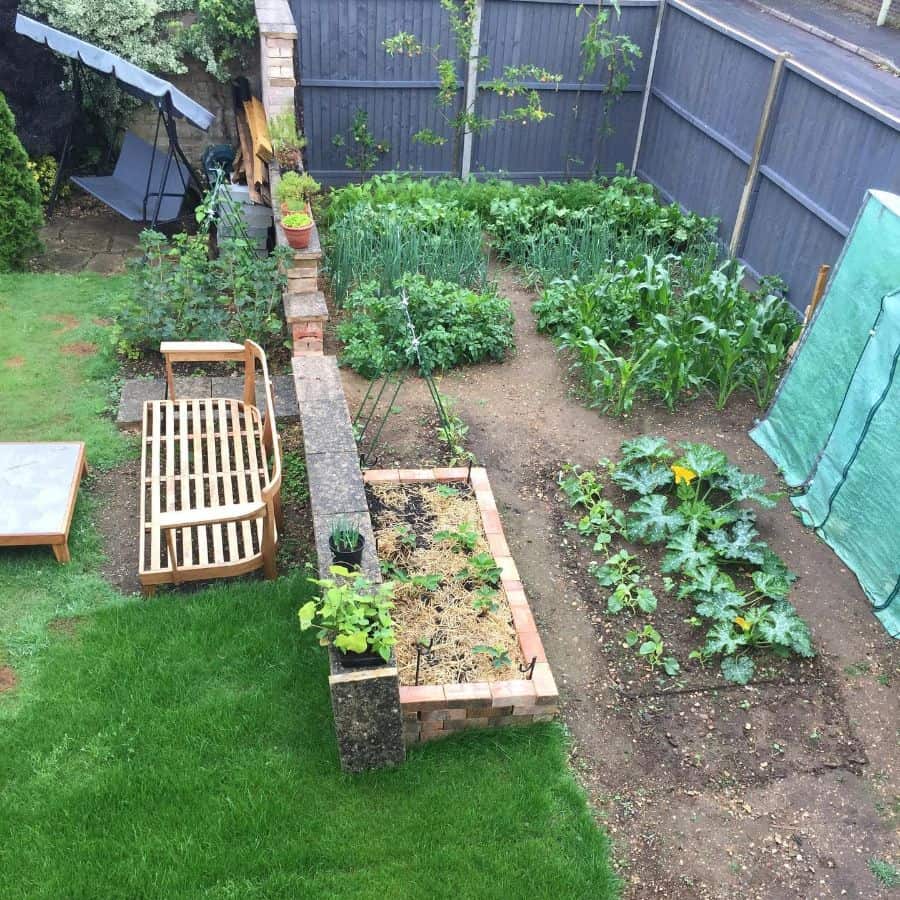
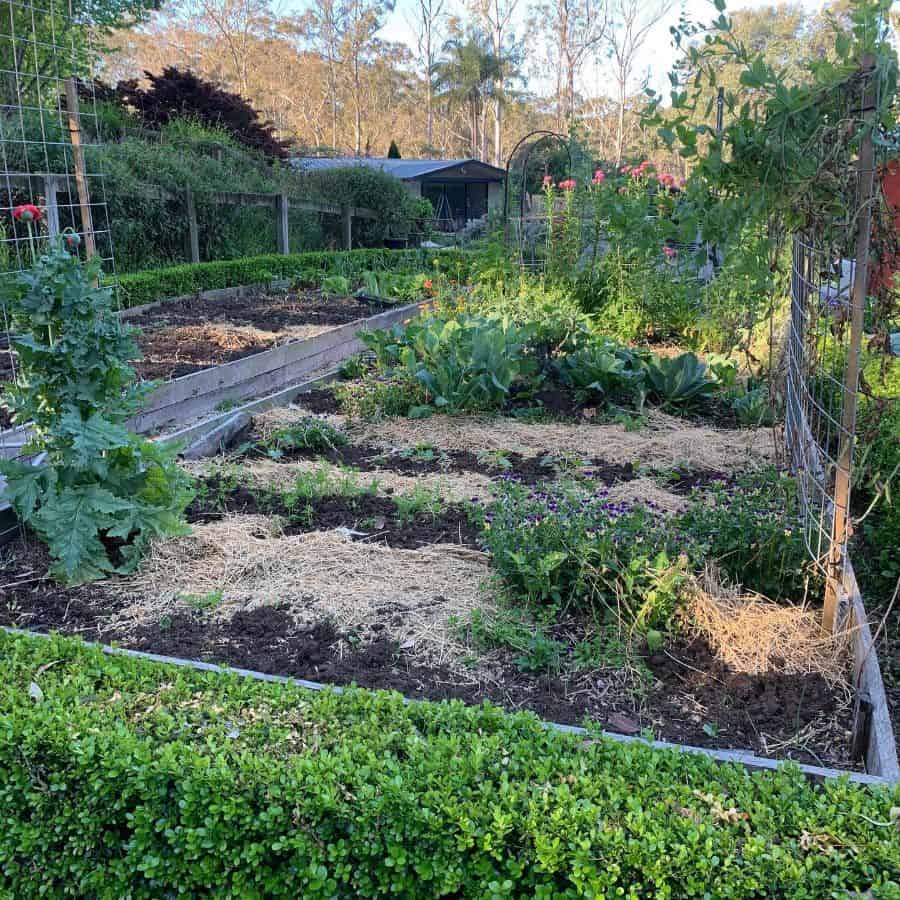
For most of us, the biggest open space we have is in the backyard. This makes it the absolute perfect place to spread out and start a small vegetable garden.
If you happen to have a door that leads outside near your kitchen, see if you can put your garden there; this gives you a super convenient kitchen garden.
To make sure your garden is a huge success, you’ll want to choose a spot that gets just the right amount of light. For some vegetables, that means being in the full sun.
For others, it means indirect light or even very little light. Next, you’ll want to get the soil ready so it’s full of nutrients. You might need to add some compost if you find your soil is missing the key elements.
The last step is to understand which climate zone you live in and which plants do well there. You’re definitely not limited to just these plants, but they are a great place to start if you’re new to gardening.
Just be sure you plant your vegetables at the correct time of year to get a healthy harvest.
9. Modern Cultivation Options
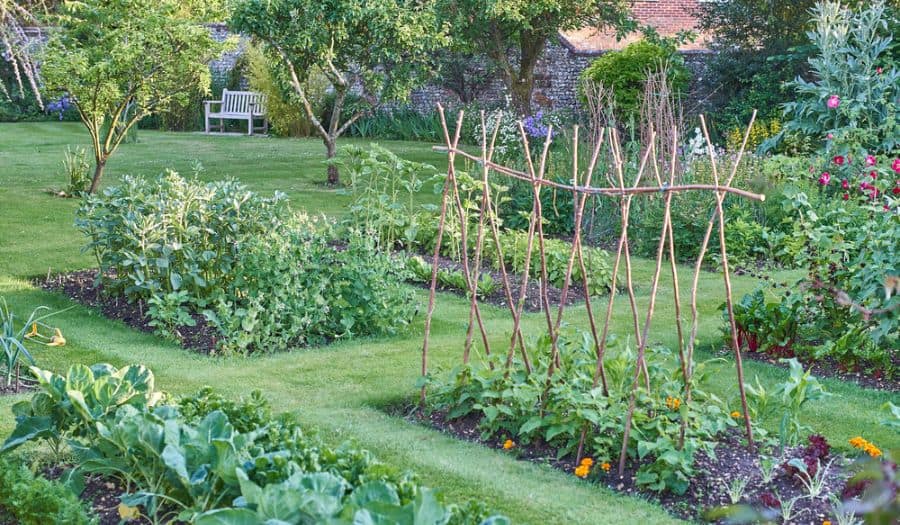
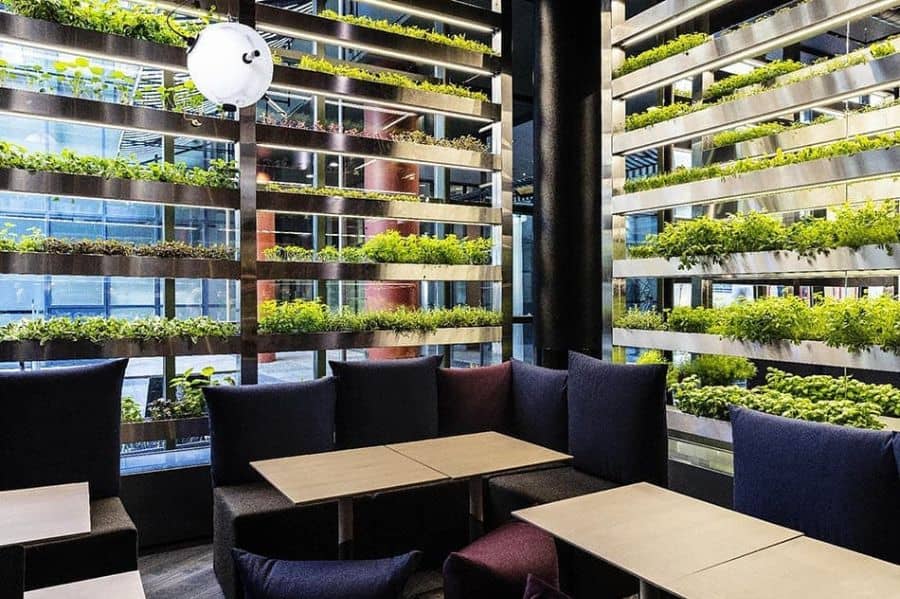
If you’ve got a large area where you can build the necessary system, you could totally set up a hydroponic garden. These systems do need quite a bit of room, but they are so worth it. You’ll use either long tubes or a table setup to grow the plants in water.
This completely gets rid of the problem of crop rotation since it’s the water that moves, not the crops. The one thing to keep in mind with this setup is that it is the most expensive to get installed and running.
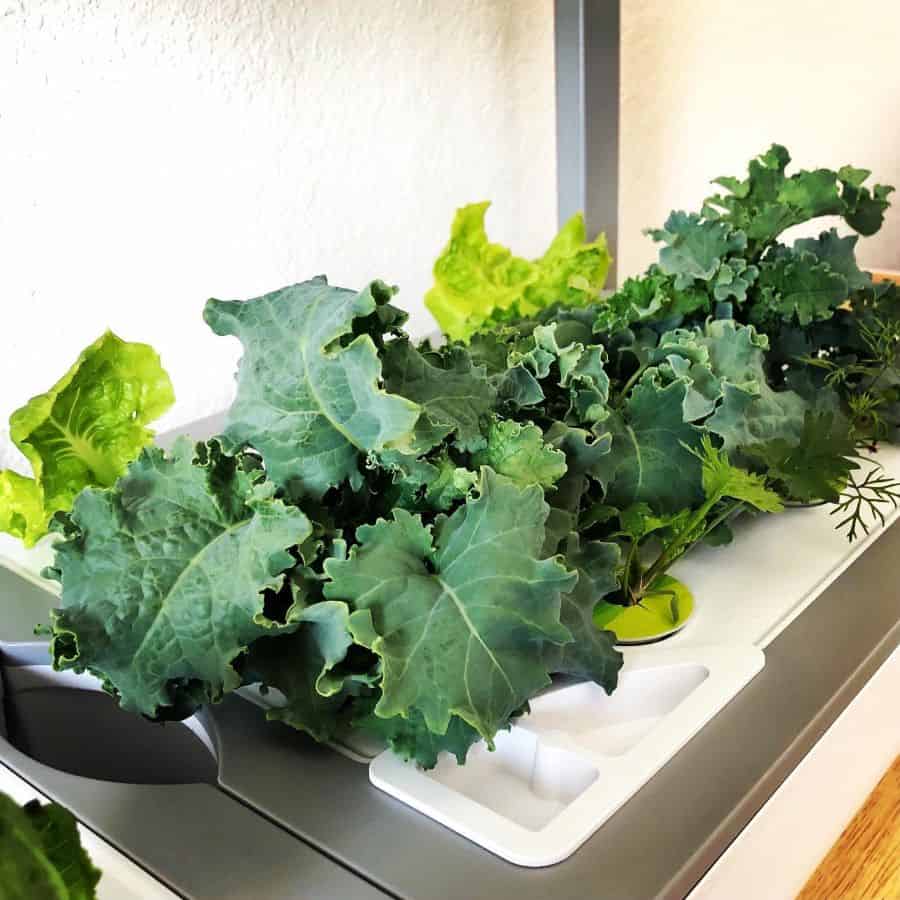
If you’re thinking of trying hydroponics, I’d suggest growing lettuce, tomatoes, radishes, kale, spinach, and cucumbers. These plants will all do great in this watery environment.
You’ll want to skip the root vegetables like potatoes, carrots, rutabaga, garlic, and onions. Those plants really need soil to grow the right way.
Also think about the extra needs of your plants. Melons grow wonderfully in hydroponics, but they’re also super heavy, so you’ll need to reinforce your setup. Tomatoes and other vining plants will need a trellis to help support their growth.
10. Aloft Agriculture
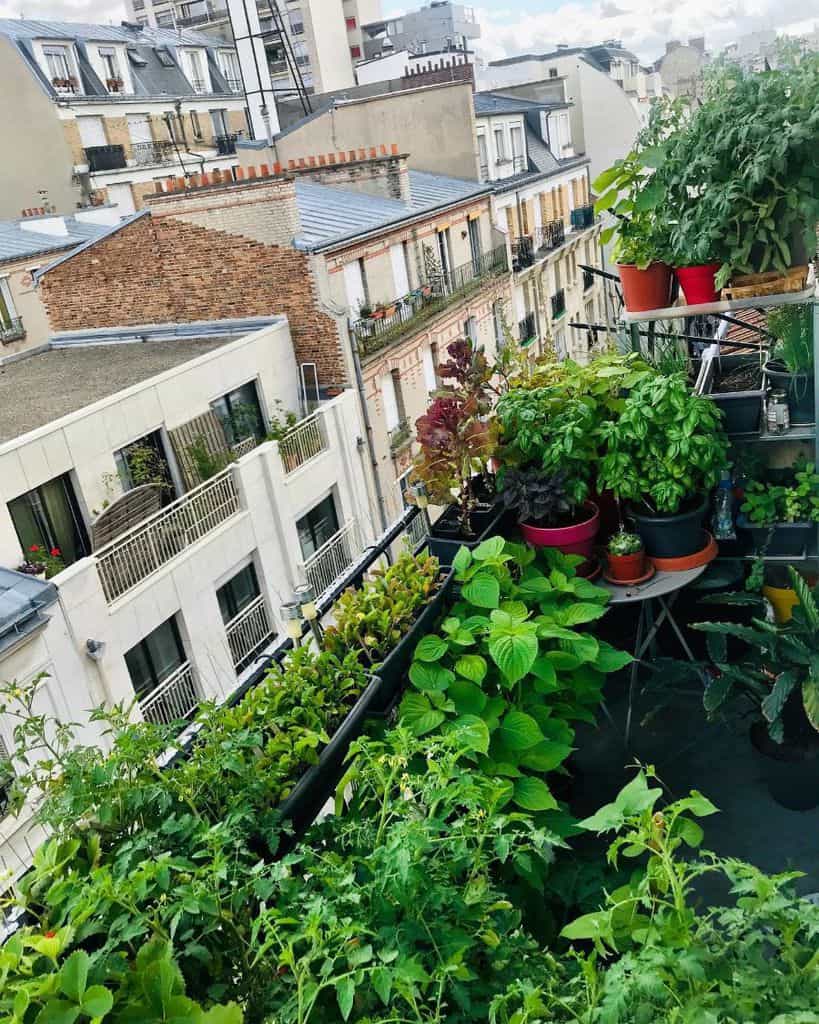
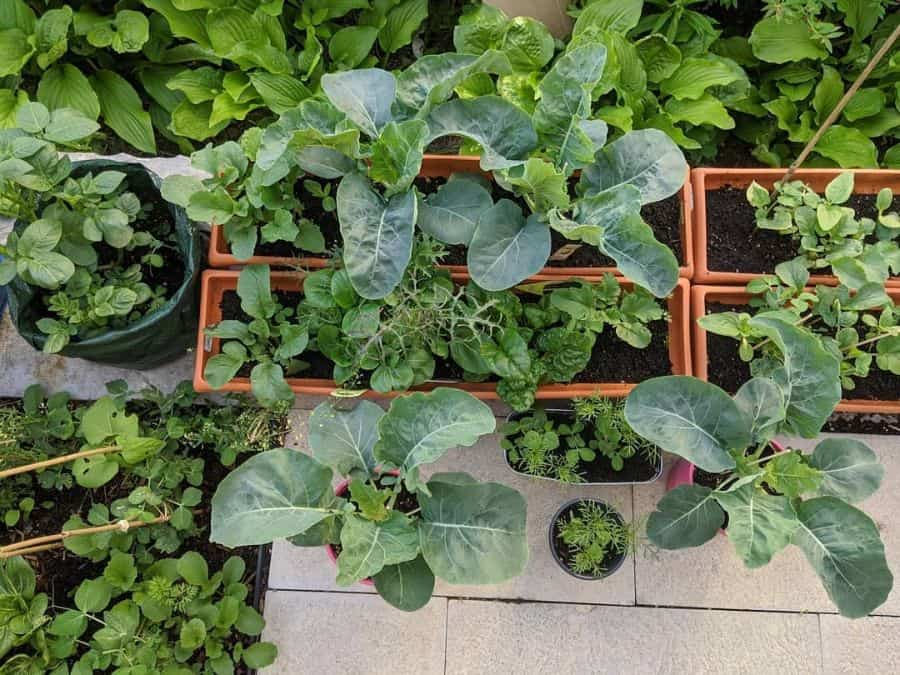
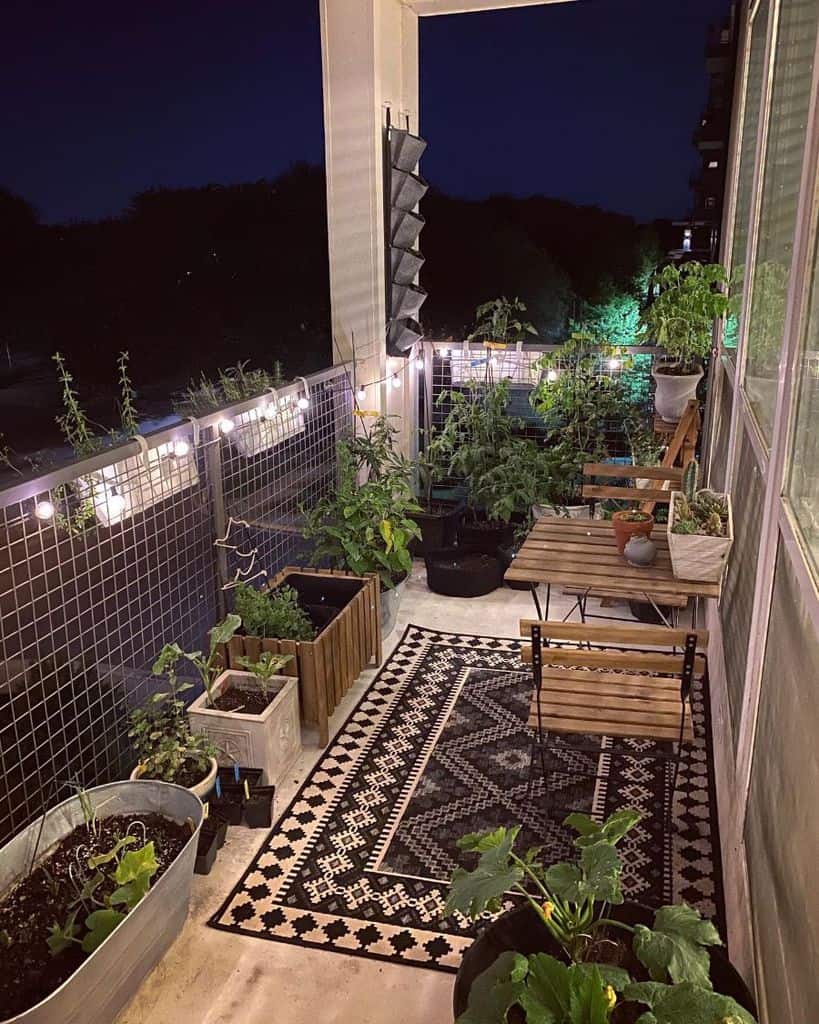
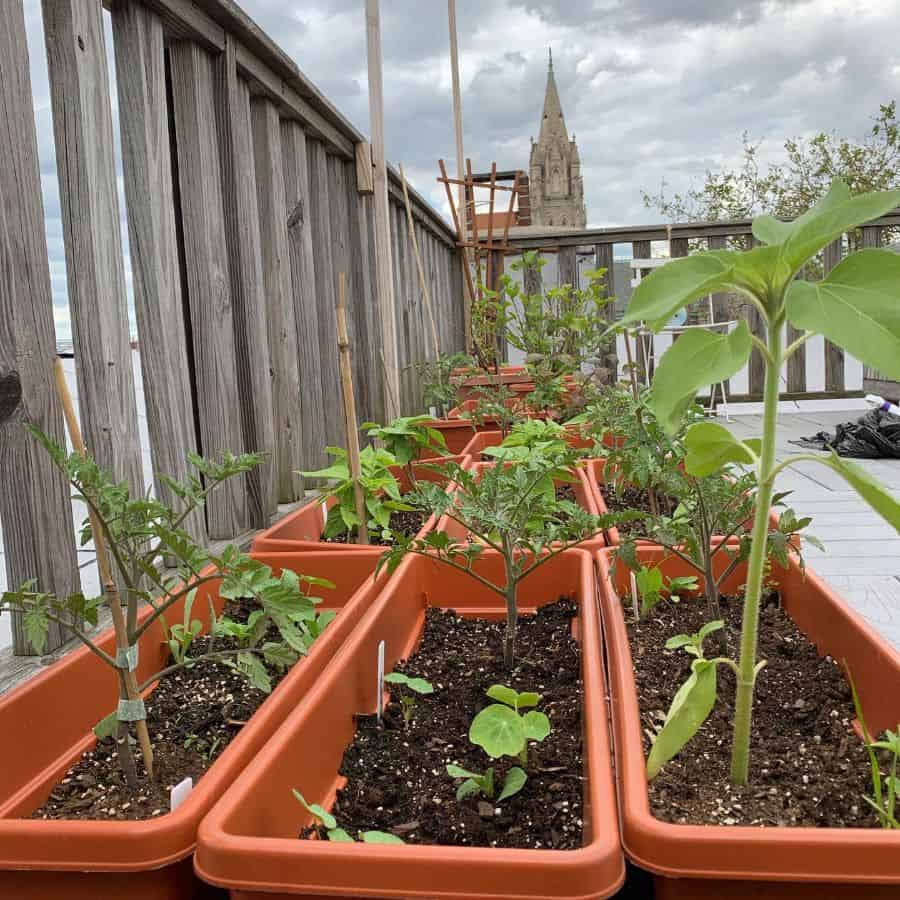
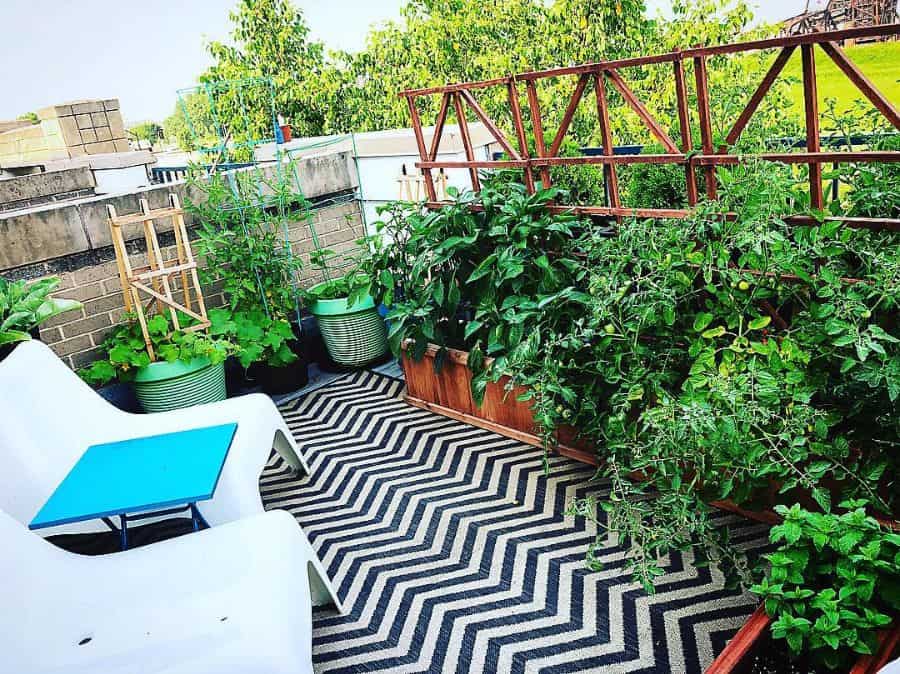
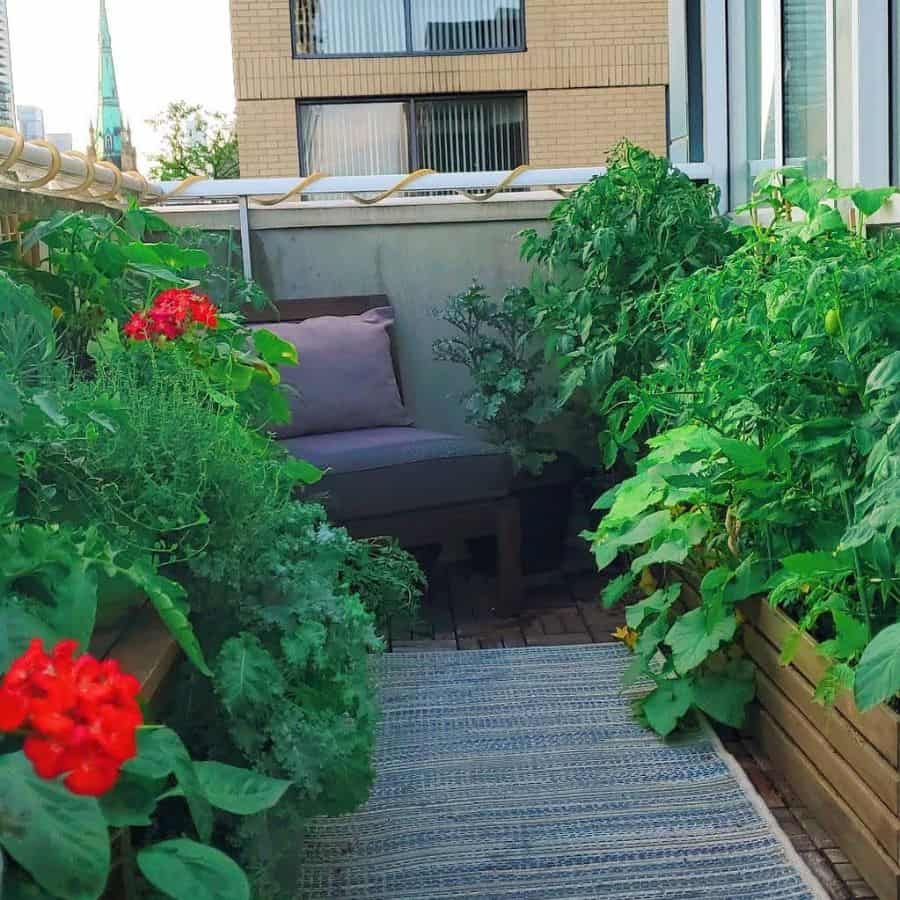
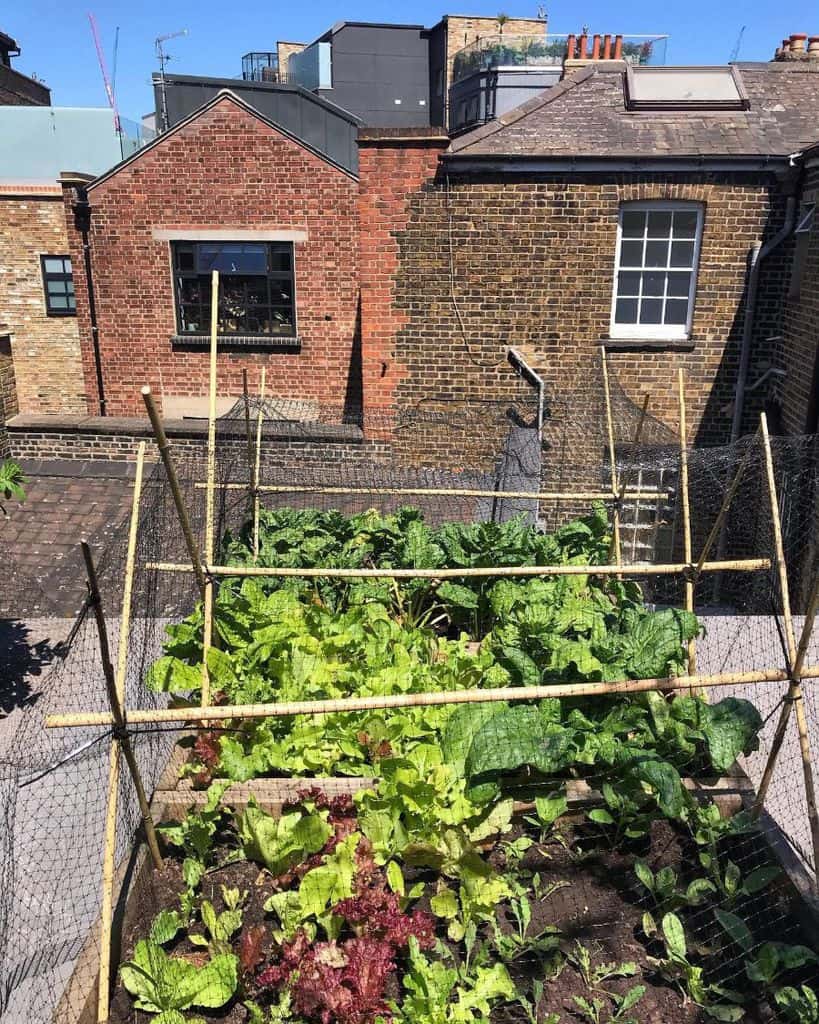
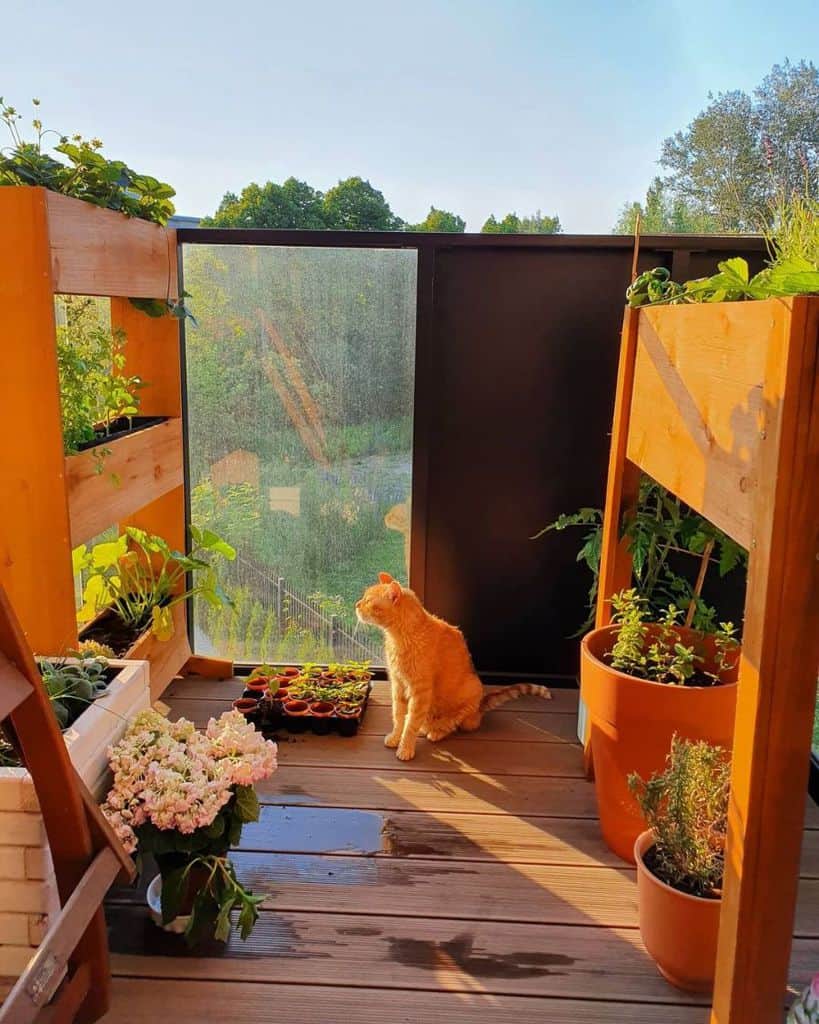
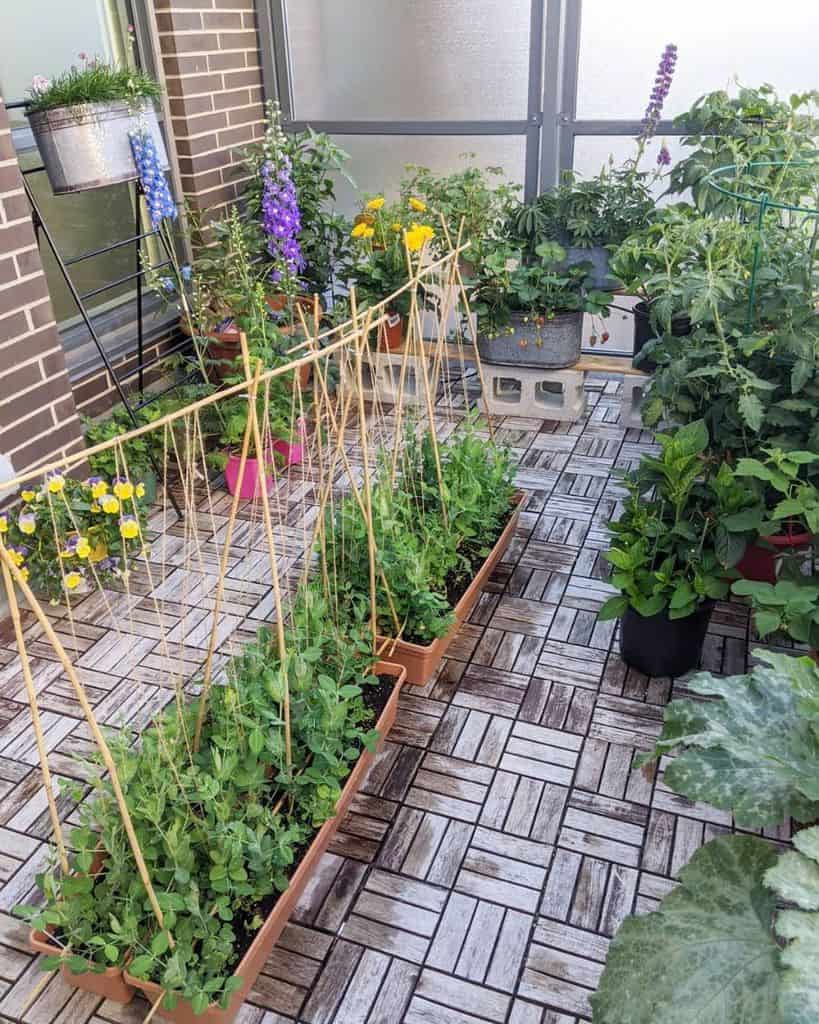
The really great thing about having a vegetable garden is that you can scale it to whatever size you have space for. Whether you have a small garden or a large vegetable garden layout, just plan on having all of your plants in pots or containers.
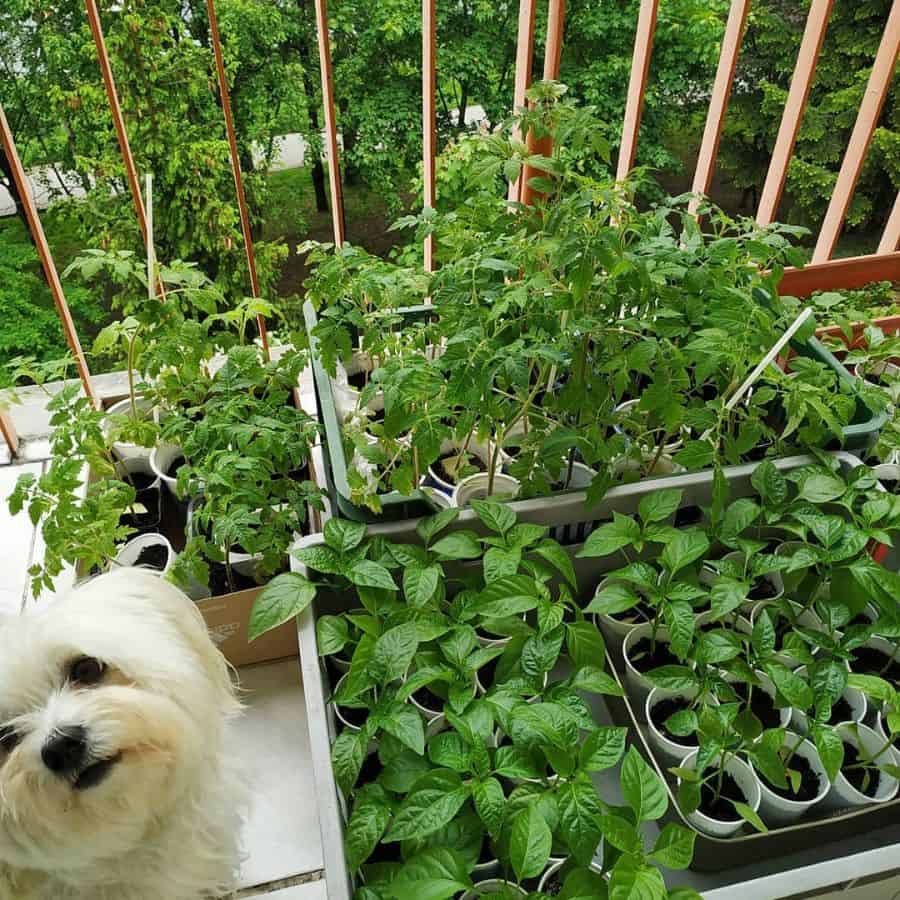
If you don’t have a lot of square footage to play with, try going vertical. You could hang a planter from your railing. Or you could get a stand that has several trays at different levels.
You’ll just need to make sure your balcony is facing the right direction to get enough sun and rain. Rooftop gardens can get a lot more direct sunlight.
You will probably want to provide some shade for your more sensitive plants. Otherwise, you might risk their leaves getting burned.
11. Vertical Ventures
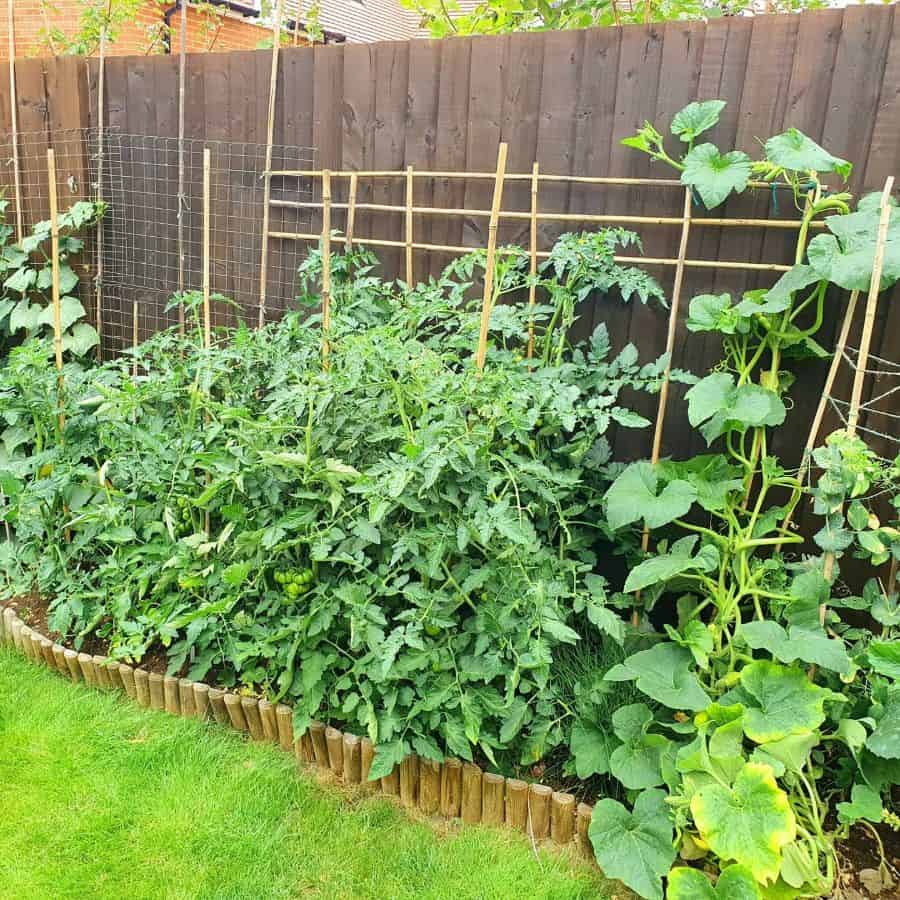
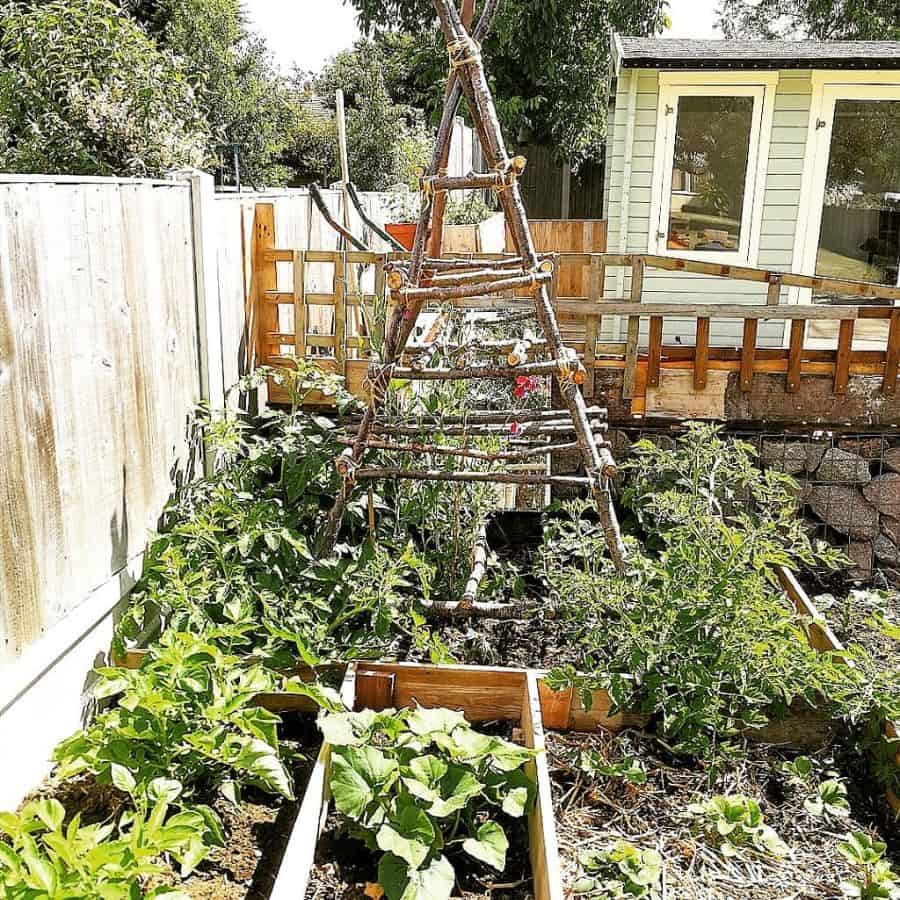
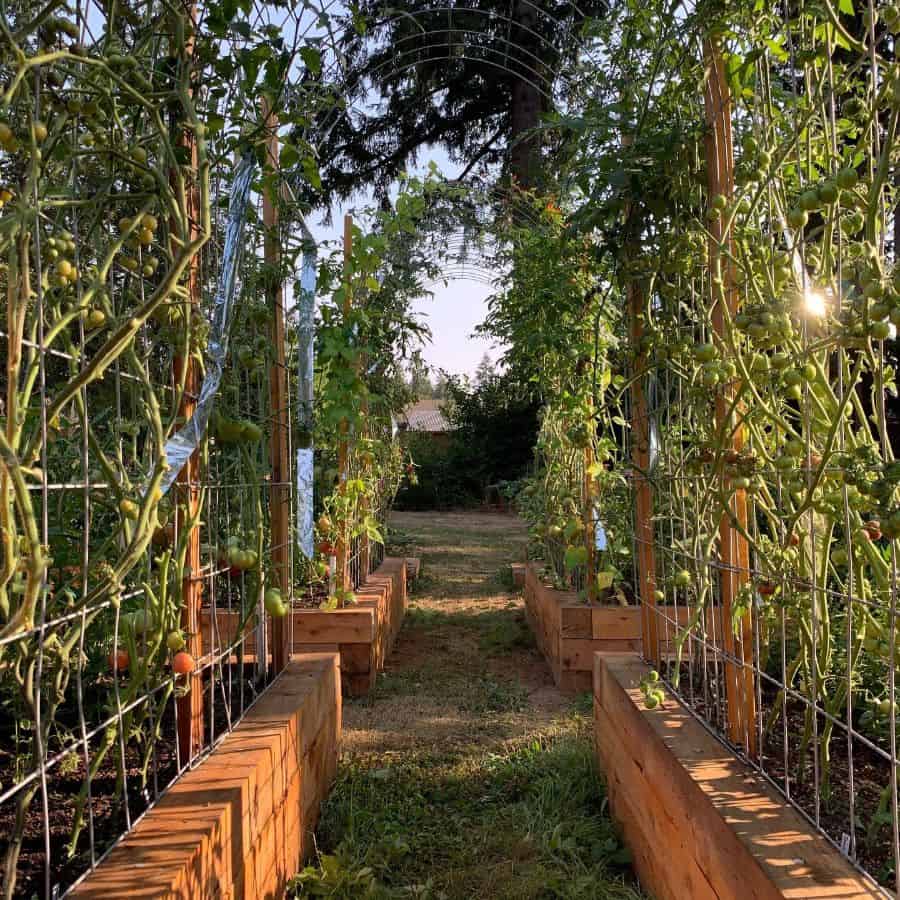
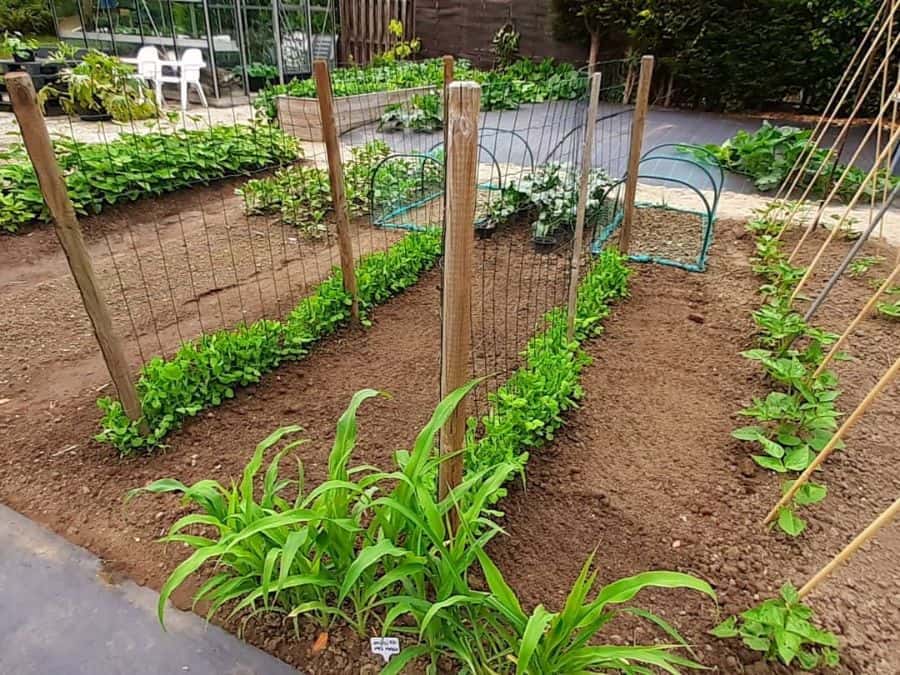
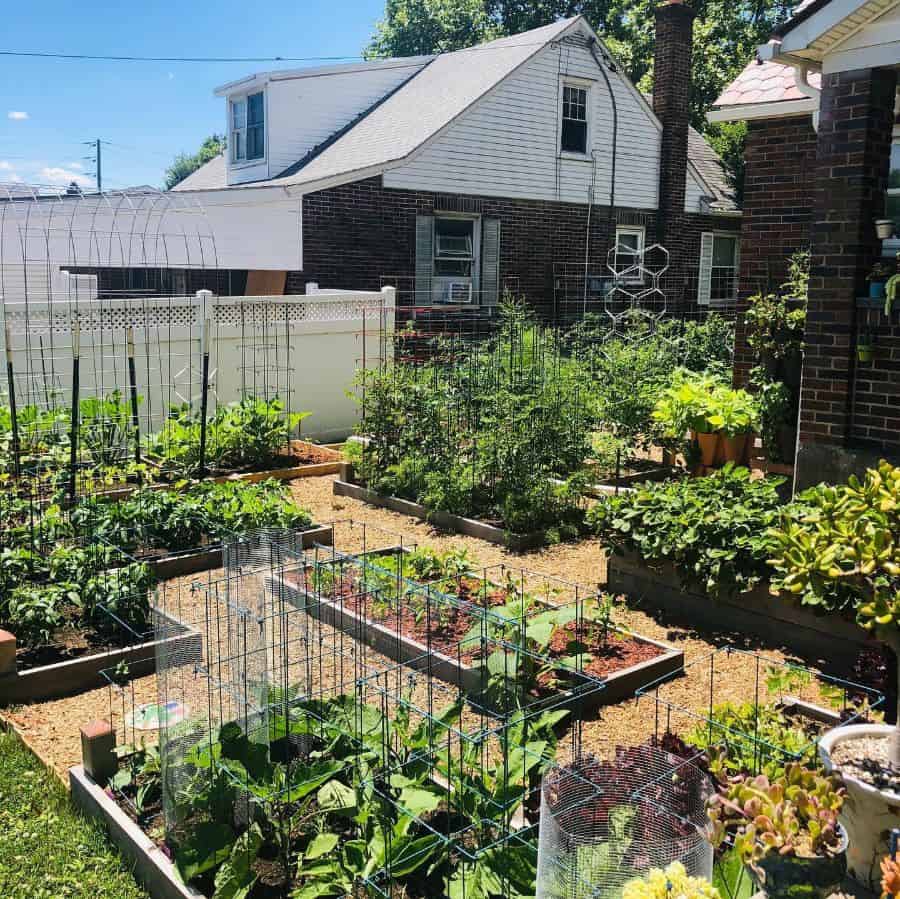
Some vegetables grow on a vine, so you’ll need to build a trellis for them to climb on. These plants are absolutely perfect for when you want to create a vertical vegetable garden.
The simplest way to set up your veggie garden is to have a small trellis that’s a few feet tall built right into the plant bed. Another idea is to plant your garden along the side of your house and just lean the trellis up against it.
You’ll want to be a little careful with this though; you definitely don’t want to give insects and bugs a direct path into your home.
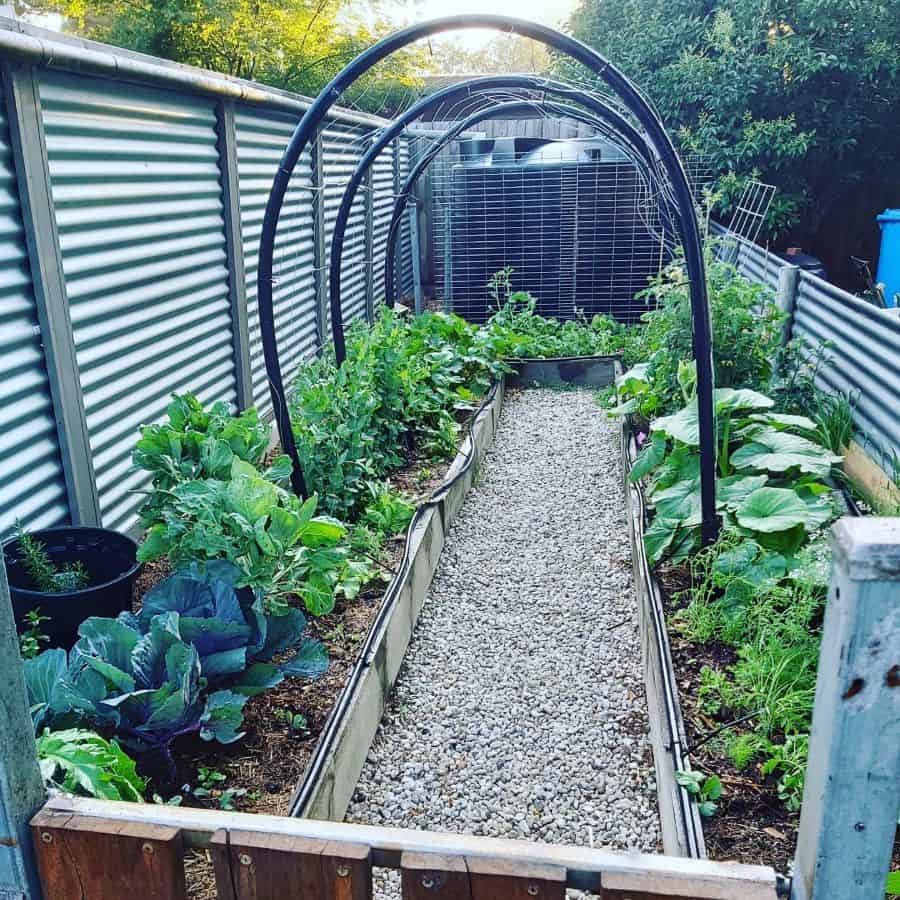
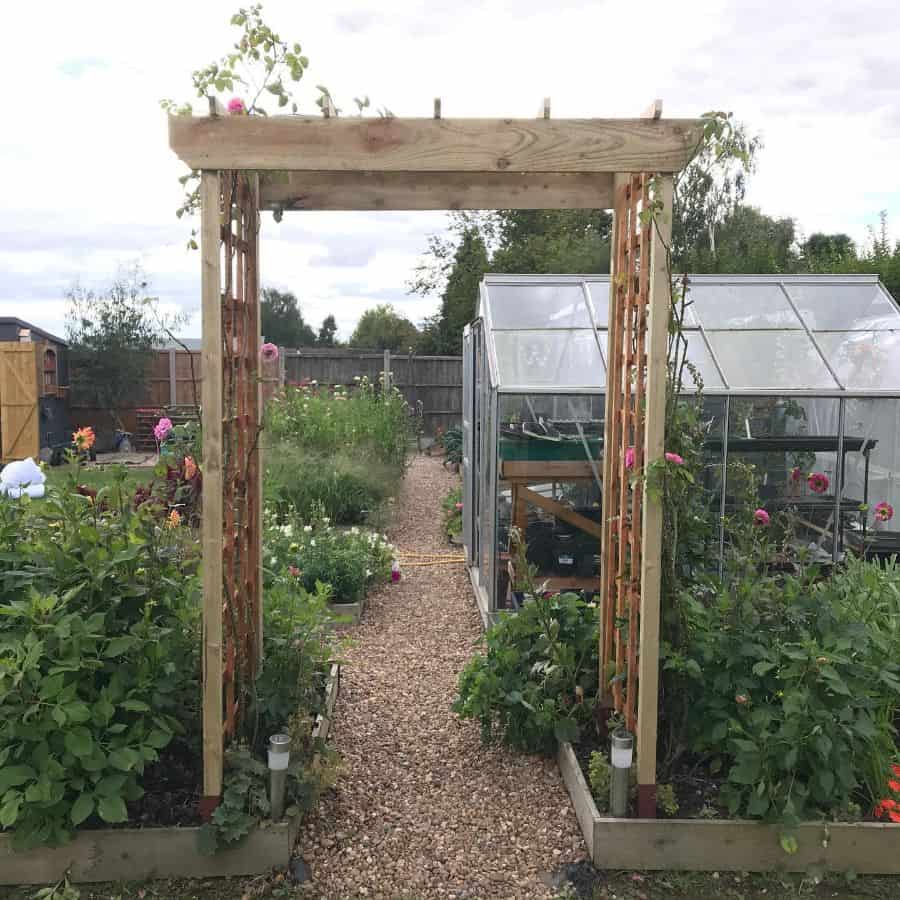
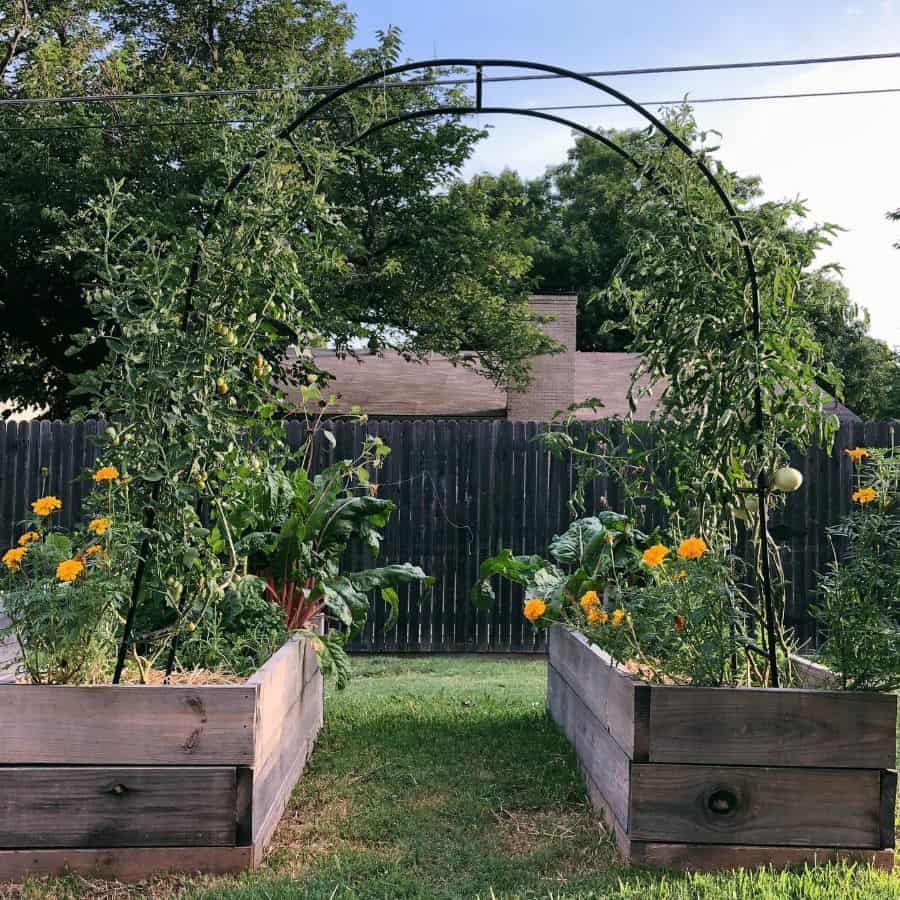
If you have enough space, you can get really creative with your trellis. You could turn it into an archway that you can walk through. Or you could have it be a pergola-style cover over your patio or deck.
Then you’ll have fresh vegetables and a shady spot to relax.
12. Side Yard Bounty
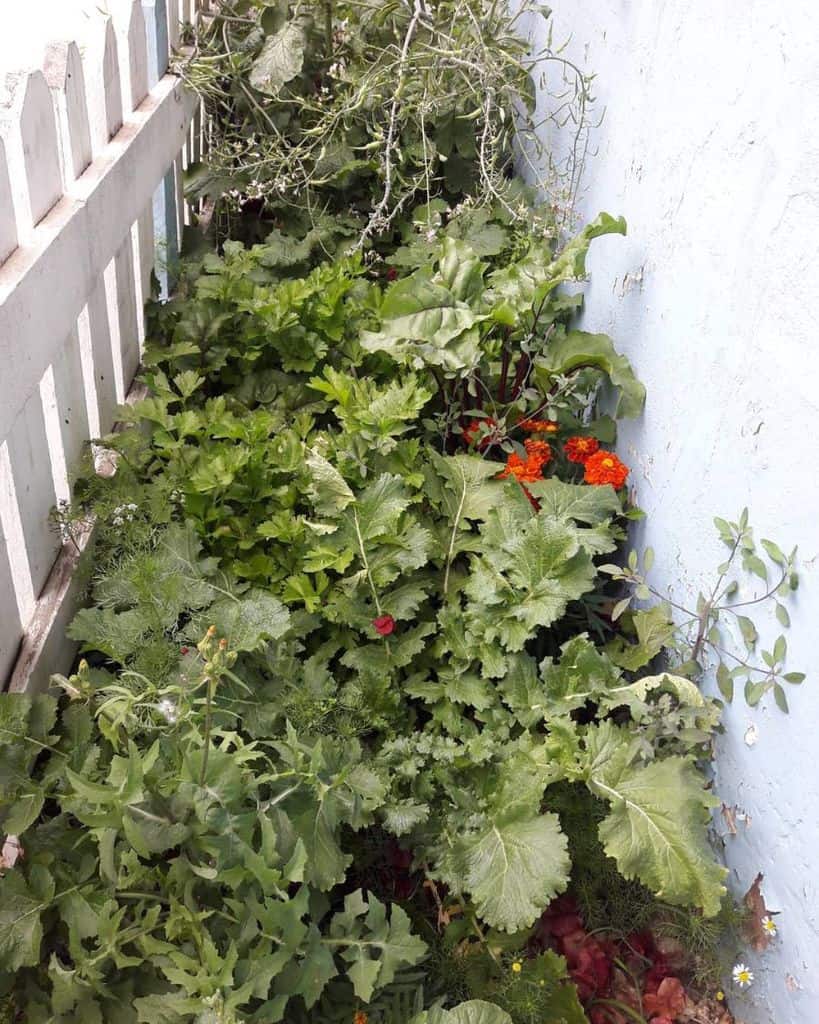
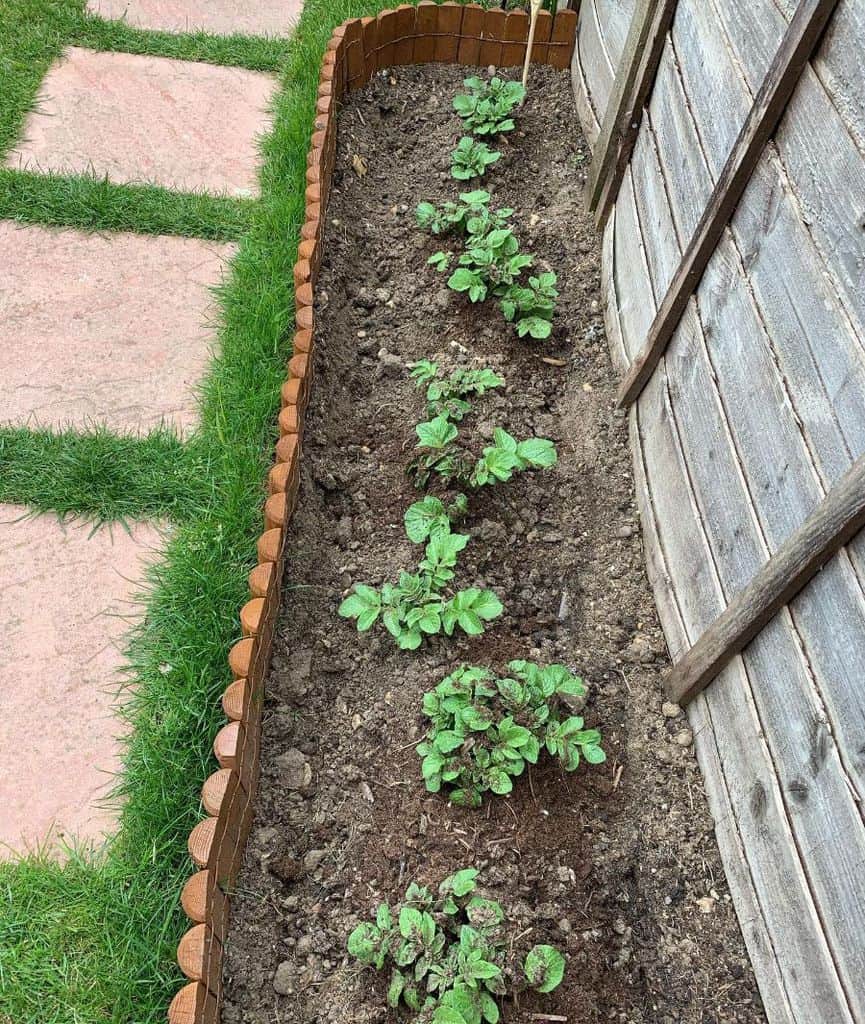
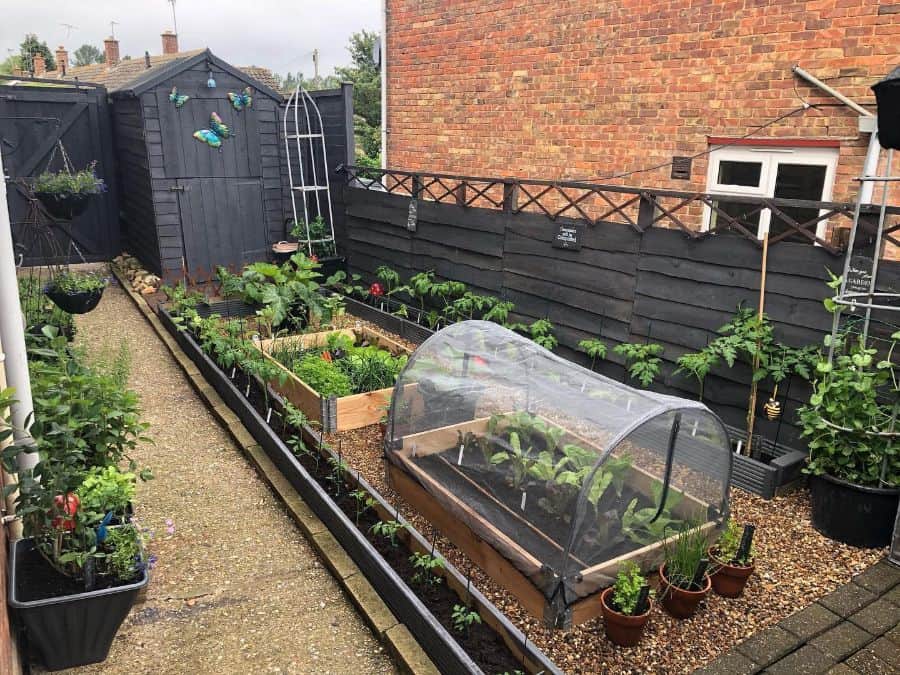
If you’ve ever discovered that your backyard is facing the wrong way or maybe it’s just too shady, then you should try the space along the side of your house. You can create a long garden bed in your side yard.
I really like this style of garden layout because its shape makes it so easy to take care of.
If your property already has a fence around it, then you can add even more space by hanging planters on the fence. These are absolutely perfect for plants that need more sunlight and might not get enough if they were planted in the ground.